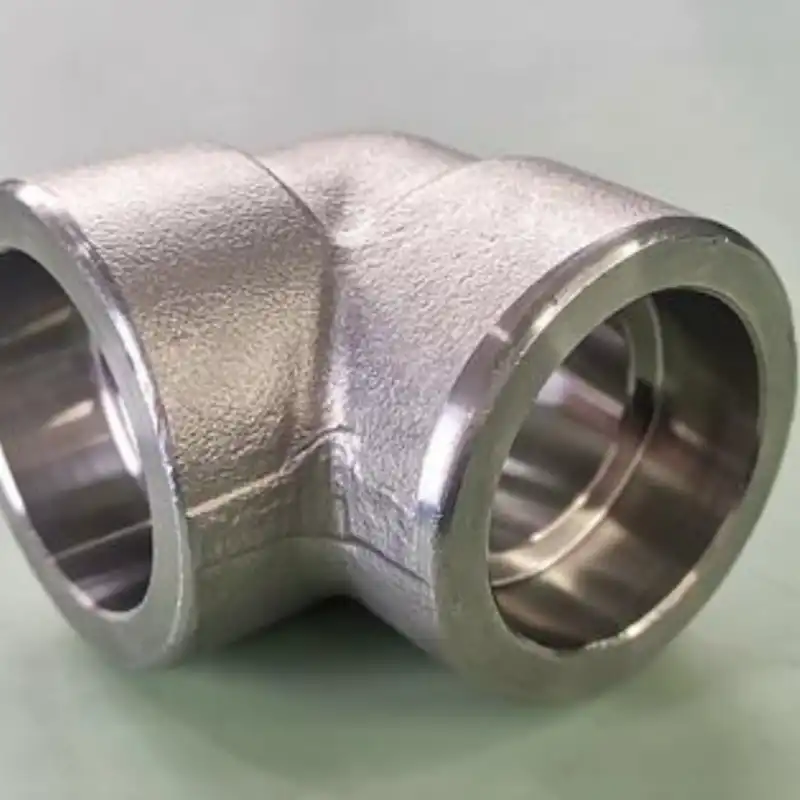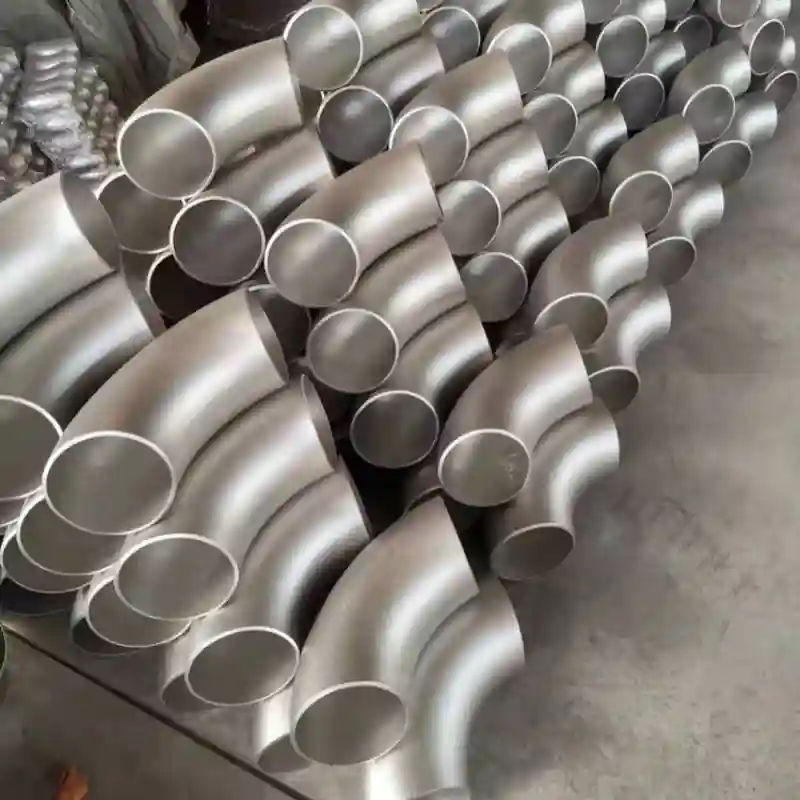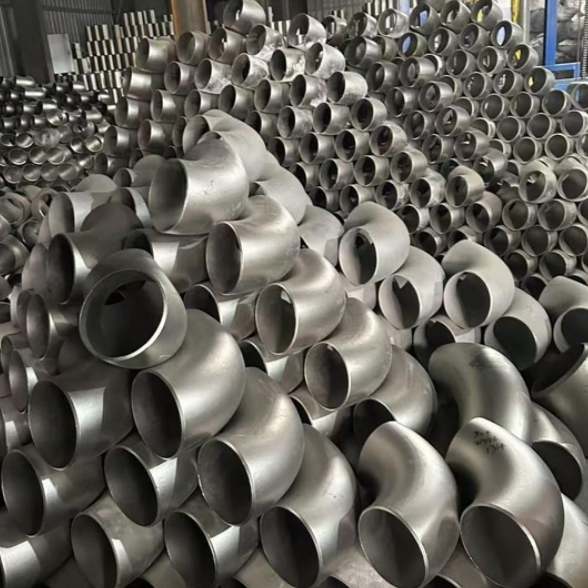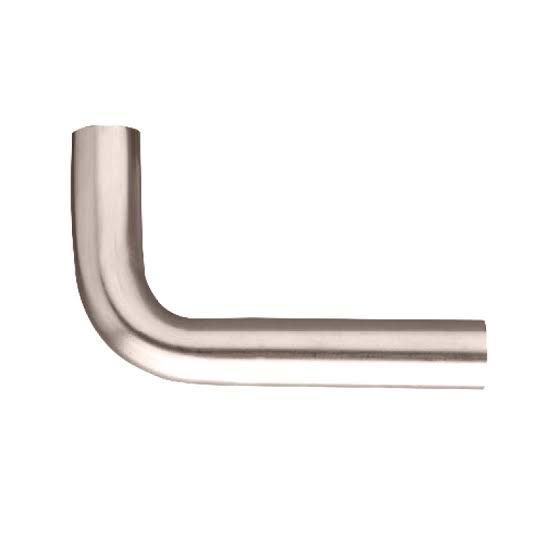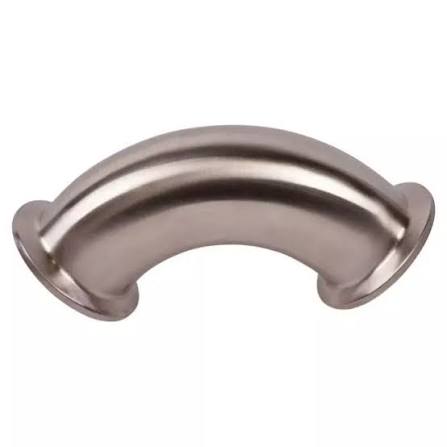
Is an elbow a pipe fitting?
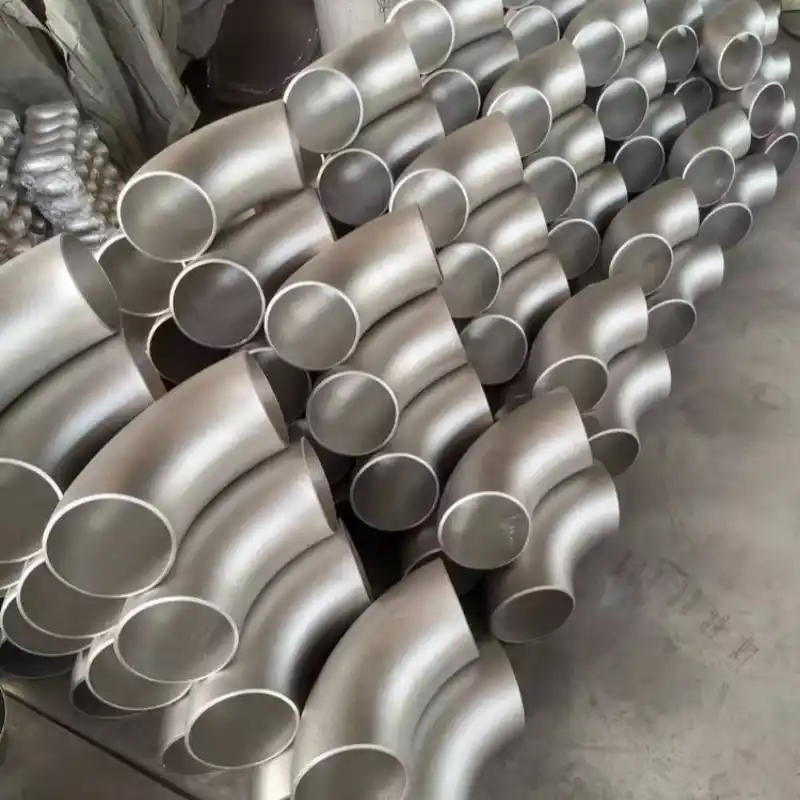
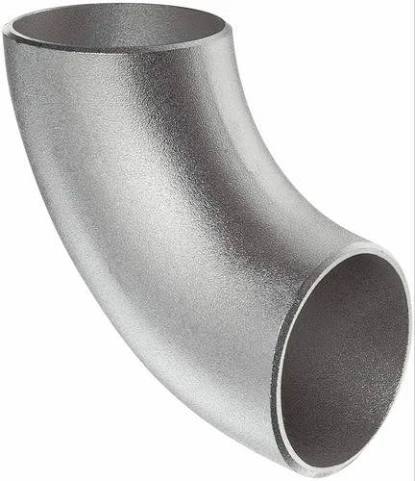
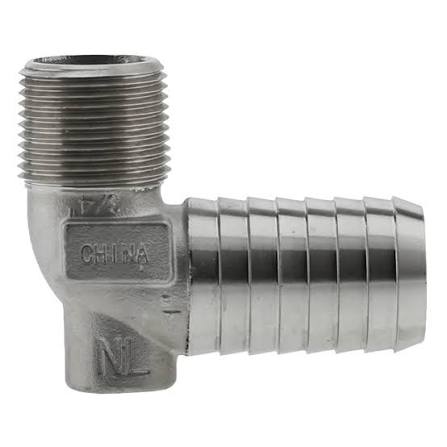
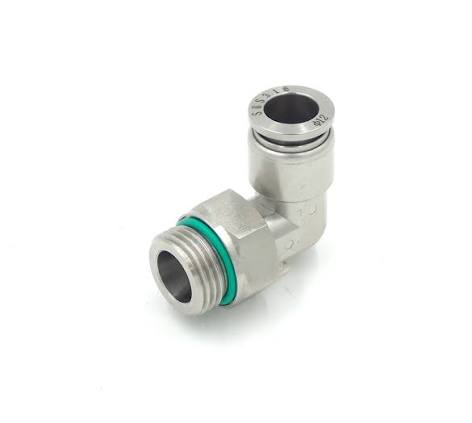
The answer is yes — an elbow is one of the primary categories of pipe fittings. In construction and municipal engineering, elbows are essential for direction adjustment and flow regulation in piping systems. Unlike straight pipes, elbows redirect fluid at specific angles, and their design directly impacts system pressure loss and operational safety.
In typical piping systems, pipes and elbows work in coordination. Straight pipes handle long-distance fluid transmission, while elbows adjust pipeline routes at corners, wall penetration points or areas with terrain changes.
For instance, large-scale rainwater pipe networks commonly adopt pipe with elbow structures to bypass underground obstacles. In terms of material selection, elbow pipe steel dominates the market thanks to high strength and impact resistance. Carbon steel elbows represented by ASTM A234 WPB boast a yield strength of over 240 MPa.
From an engineering parameter perspective, 180 degree steel pipe elbows are widely applied in U-shaped loops and heat exchanger connections to realize fluid reverse circulation. In accordance with ASME B16.9, the center-to-center dimension (A) of long radius 180° elbows is twice the nominal outside diameter (2D).
The 3 inch steel pipe elbow (DN80) is extensively used in municipal fire water branch lines and residential water supply projects. It is generally manufactured with Sch40 wall thickness (approximately 4.0 mm) and supports a working pressure of 1.6 MPa.
Common Issues and Solutions
Issue 1: How to select elbows with proper angles to reduce pressure loss?
Solution: Prioritize long radius elbows (R=1.5D or 3D). The drag coefficient (ζ) of a 90° long radius elbow is about 0.3, while that of a short radius elbow (R=1D) reaches 0.7.
In gravity-flow sewage pipelines, 45° elbows are more effective than 90° elbows in preventing sediment accumulation. For 180° loop layouts, replacing integrated 180° elbows with two 90° elbows and short connecting pipes can cut local pressure loss by 15-20% (Data source: Fluid Mechanics, 6th Edition, Munson).
Issue 2: How do elbows adapt to high-pressure and corrosive working conditions in municipal engineering?
Solution: For water supply pipe networks with working pressure above 2.5 MPa, seamless steel elbows with 3PE anti-corrosion coating are recommended. The wall thickness shall be designed in line with Sch80 standards (e.g., about 5.5 mm for 3-inch elbows), and full radiographic testing (RT) shall be implemented.
Duplex stainless steel such as 2205 is an ideal option for elbows conveying chloride-containing sewage, with a pitting resistance equivalent number (PREN>35) far higher than conventional 304 stainless steel.
Installation shall comply with ASME B31.1 or EN 13480. Supports or pipe clamps are suggested to be installed at both ends of elbows to avoid stress concentration. Proper material and specification selection can extend the service life of piping systems to more than 30 years.