What is schedule 40 in piping?
In piping systems, “Schedule 40” (abbreviated as Sch 40) is one of the most commonly used wall thickness series standards, particularly applicable to carbon steel and stainless steel elbows, tees, flanges, and other fittings. It is defined by the American National Standards Institute (ANSI) and the ASME B36.10 standard. Its core meaning is: for a given Nominal Pipe Size (NPS), it specifies a specific wall thickness value, which determines the pressure-bearing capacity and mechanical strength of the pipe and fittings.
Taking the most common NPS 4-inch (DN100) steel pipe as an example, the wall thickness of Sch 40 is 0.237 inches (approx. 6.02 mm), while the same outer diameter Sch 80 pipe has a wall thickness of 0.337 inches (approx. 8.56 mm). The increased wall thickness directly improves pressure resistance – for seamless carbon steel (ASTM A106 Gr.B), the Maximum Allowable Working Pressure (MAWP) of Sch 40 at room temperature is approximately 1.5~2.0 MPa (slightly varying by standard), which is sufficient for most water, oil, air, and low-pressure steam conveying applications.
You may ask: why is it called “Schedule 40”? This numbering originated from the early wall thickness series system. The number 40 does not represent millimeters or inches, but is a dimensionless index related to pipe diameter and material allowable stress. For the same material, the higher the Schedule number, the greater the wall thickness and the higher the pressure-bearing capacity.
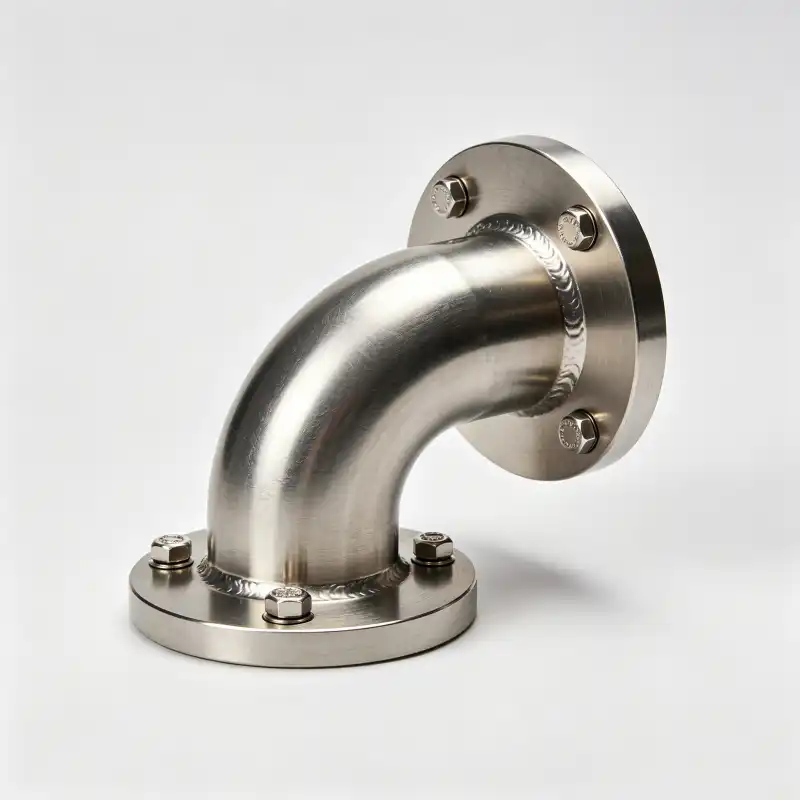
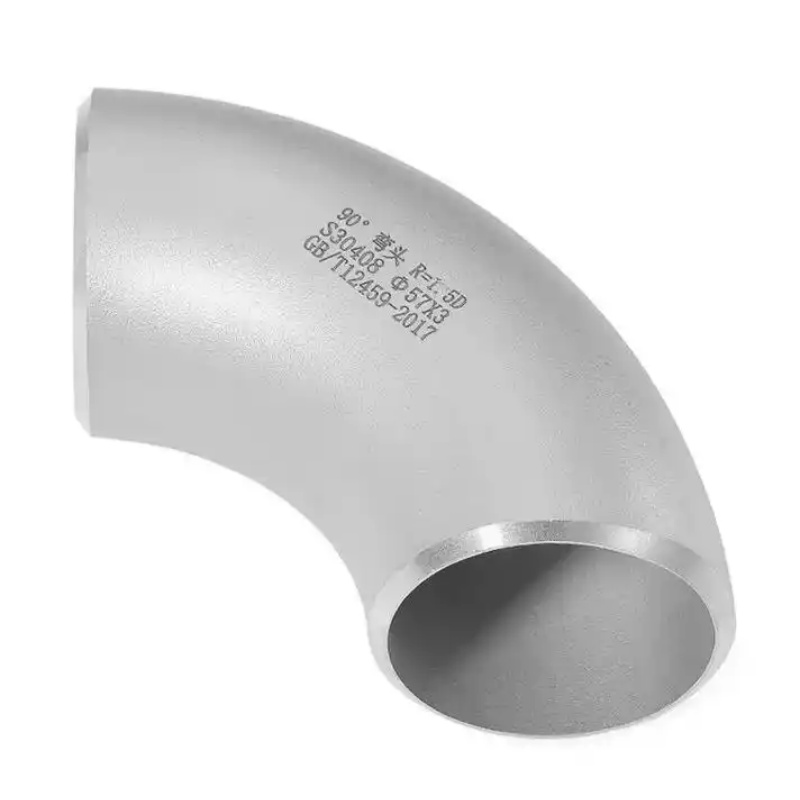
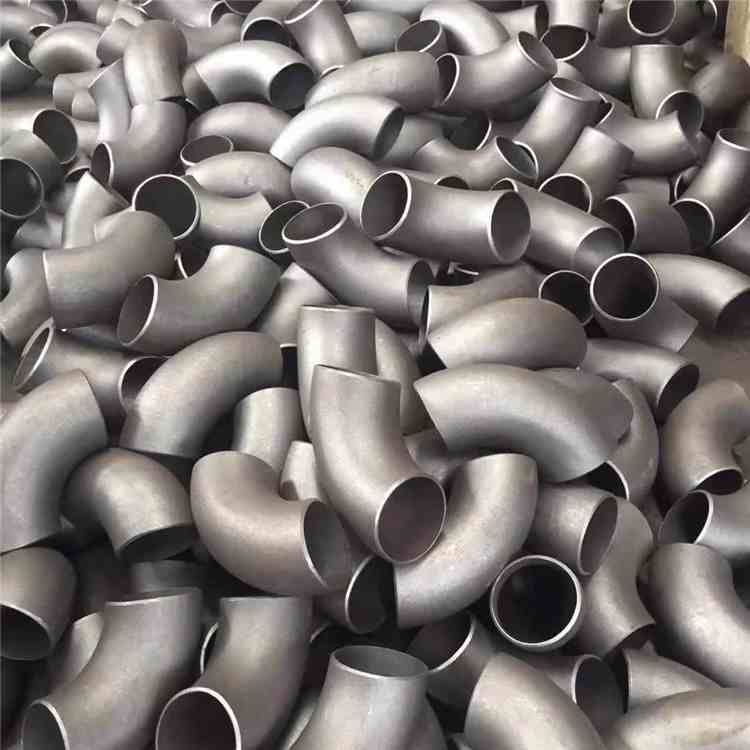
In practical engineering selection, fittings such as elbows must have the same Schedule rating as the pipe. Otherwise, wall thickness mismatch can lead to welding misalignment or thread leakage. For example, an NPS 3-inch Sch 40 90° elbow – its design at the mid-radius and wall thickness transition area undergoes strict hydrostatic burst testing (typical safety factor of 3:1) to ensure equal-strength connection with the same‑grade straight pipe section.
For most above-ground industrial piping, fire sprinkler systems, and general water supply and drainage projects, Sch 40 offers the best cost-performance ratio: it is about 25%~30% thinner than Sch 80, lighter in weight, lower in cost, while still meeting the pressure requirements of common working conditions. In highly corrosive, high‑pressure, or frequent vibration environments (e.g., high‑pressure chemical plant lines), upgrading to Sch 80 or even Sch 160 is necessary.
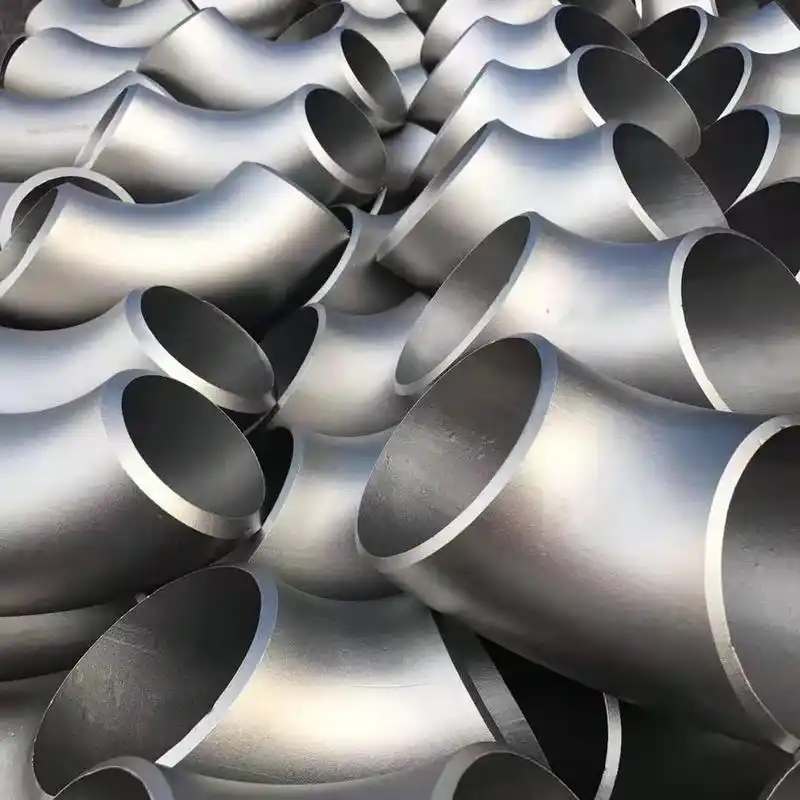
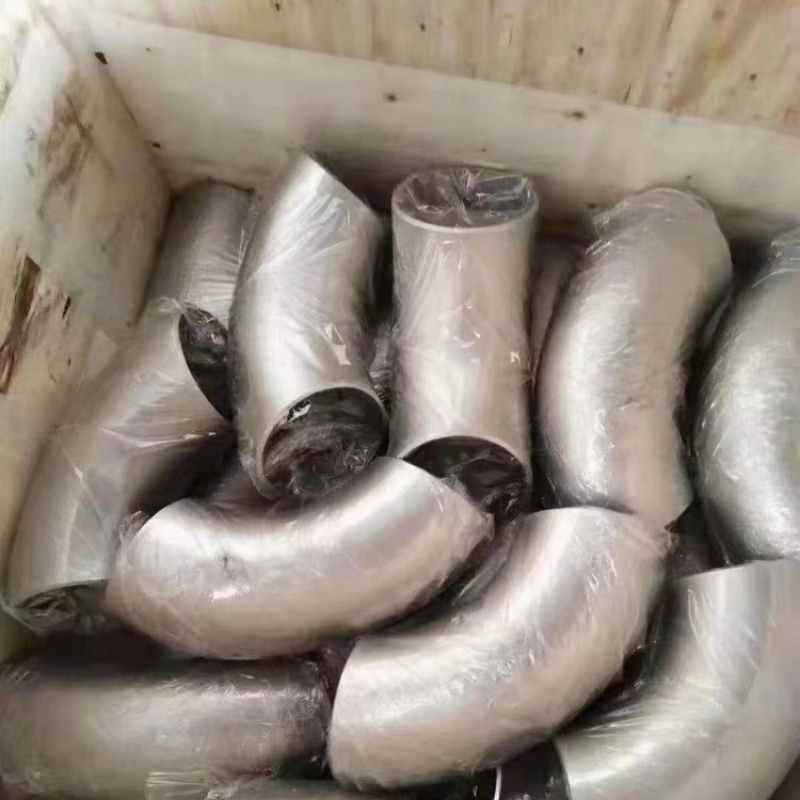
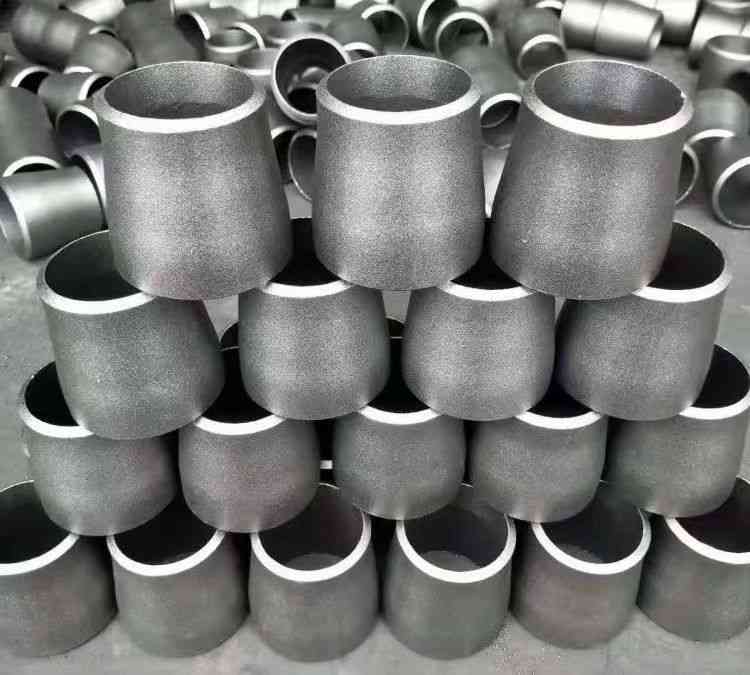
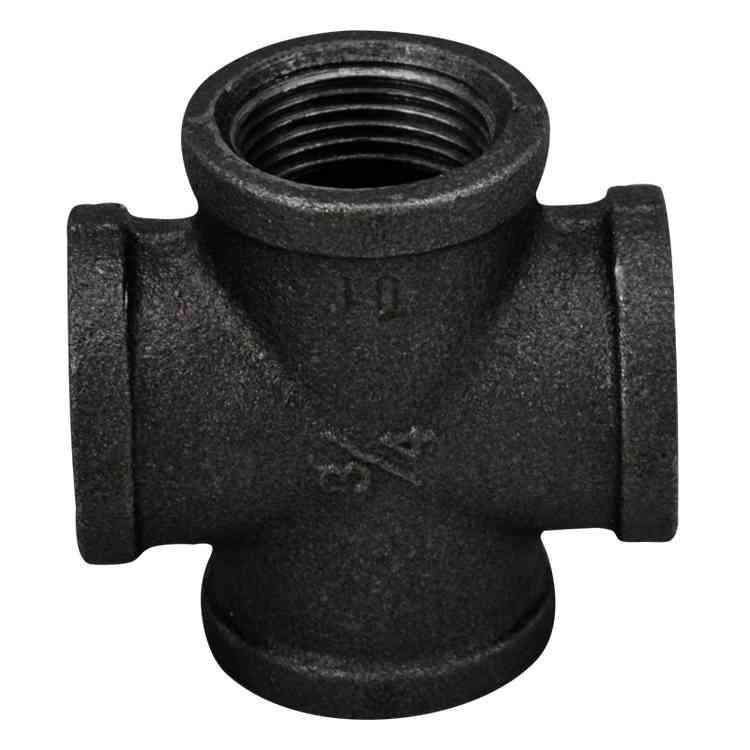
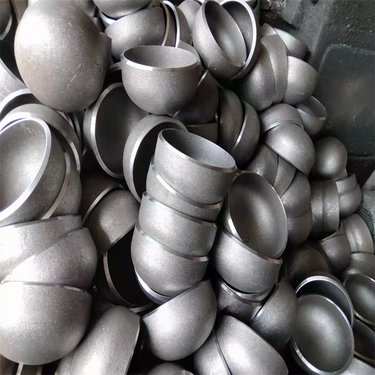
AIFN Pipe Fittings Company has long manufactured Sch 40 series elbows and fittings in accordance with the ASME B16.9 standard. Each batch undergoes chemical composition spectral analysis, hardness testing, and full dimensional inspection. Whether you choose Sch 40 or a higher rating, the key is to verify the wall thickness rating based on medium temperature, pressure, and safety codes – we recommend a final check following the ASME B31.3 Process Piping Code.