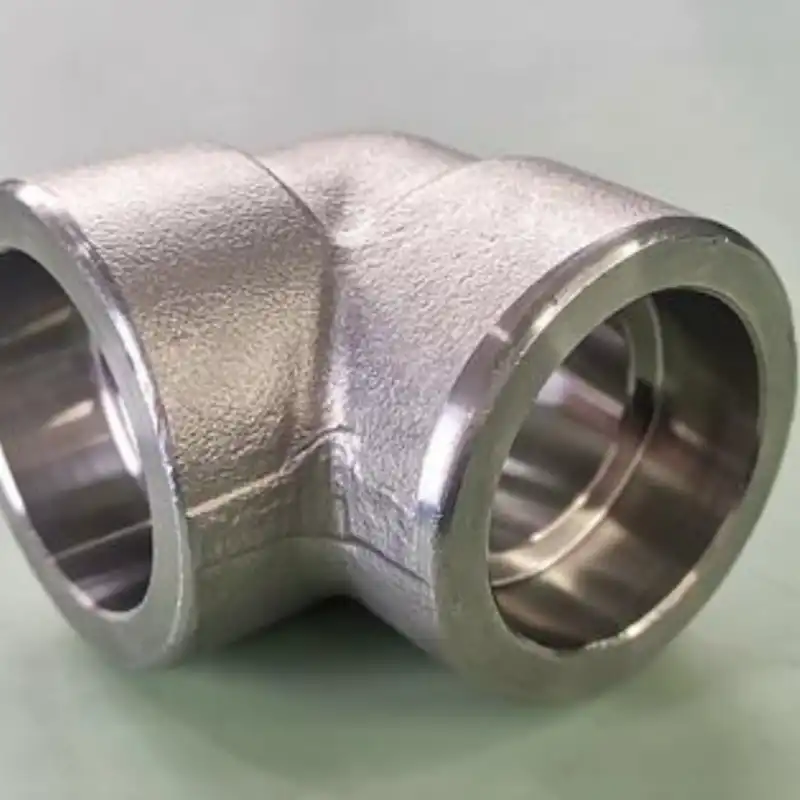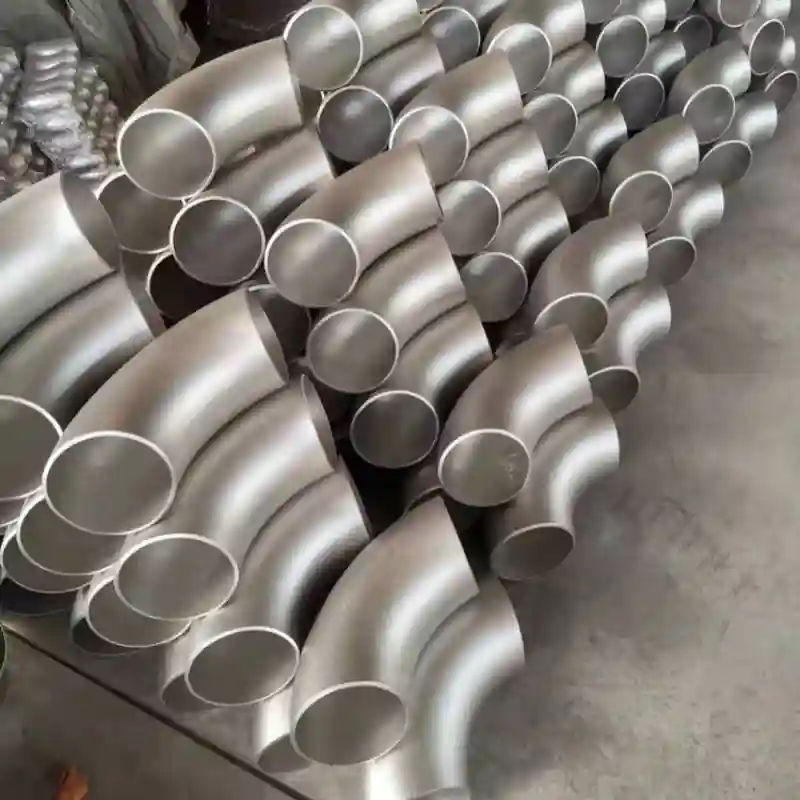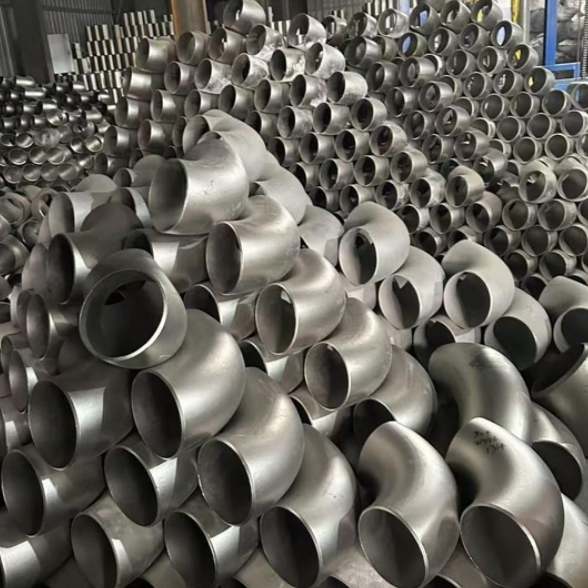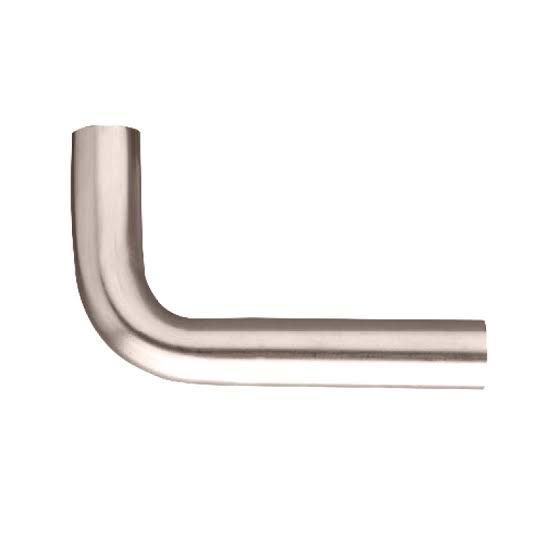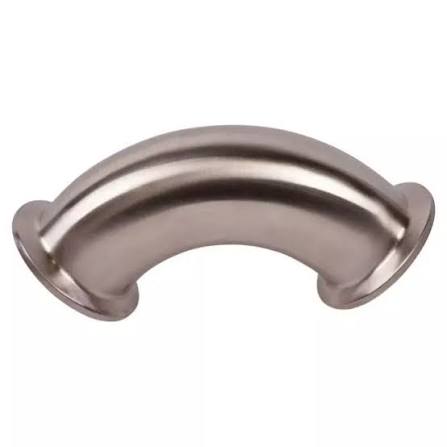
90-Degree Stainless Steel Elbow: A Reliable Solution for Pipe Direction Changes
✅In industrial piping systems, changing fluid direction is a fundamental yet critical requirement. The 90-degree stainless steel elbow, with its excellent corrosion resistance and mechanical strength, has become the preferred choice for many demanding conditions.
✅This article delves into the technical details, selection criteria, and a real-world success story—the retrofit project of Qinhuangdao Water Plant.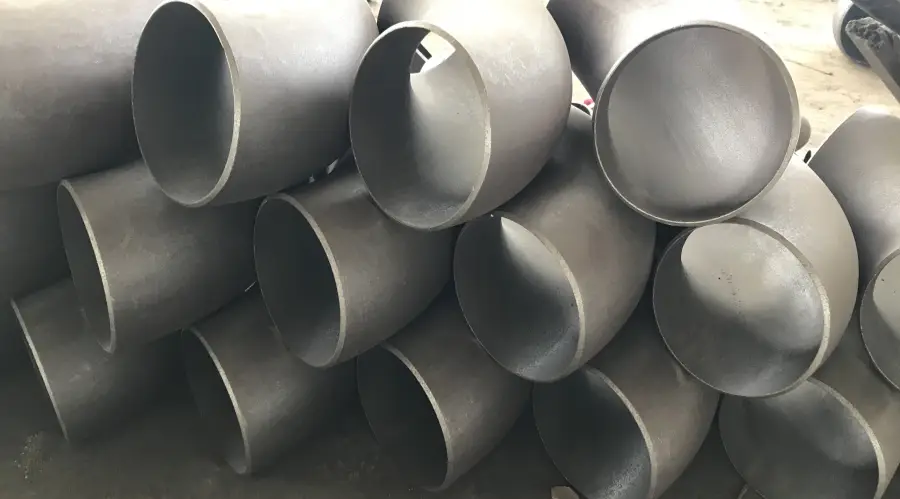
Technical Parameters & Standards
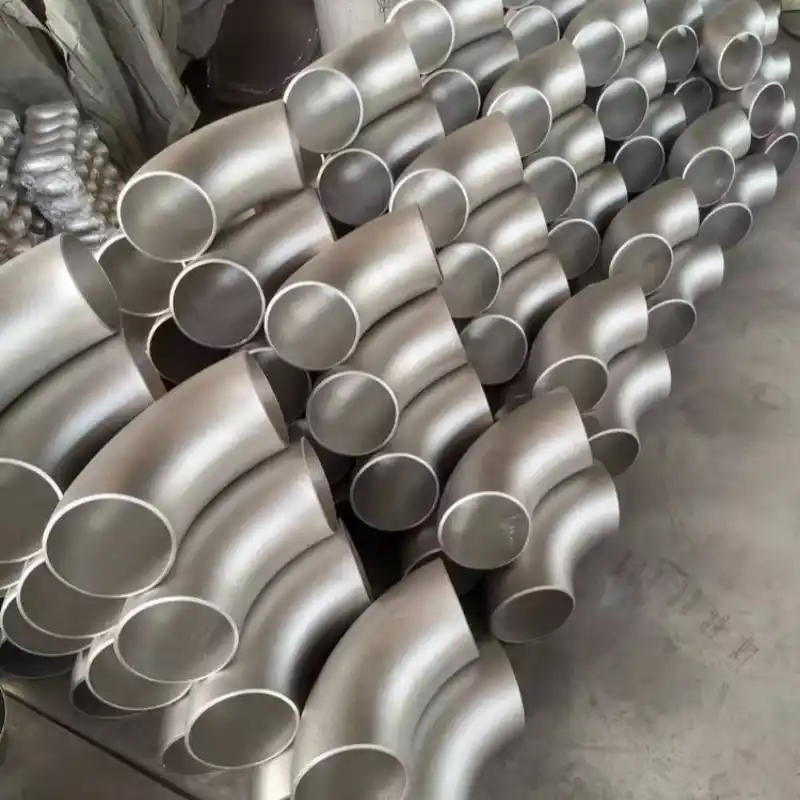
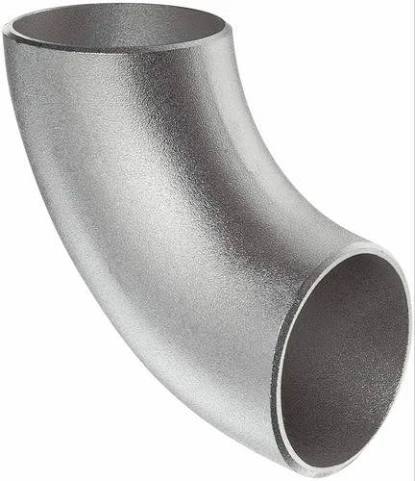
✅A qualified 90-degree stainless steel elbow’s core performance depends on material, manufacturing process, and dimensional accuracy. According to ASME B16.9, the bending radius of common elbows is typically 1.5 times the nominal diameter (1.5D); short-radius elbows of 1D are also available to save space.
✅Wall thickness ranges from Sch10 to Sch40 and heavier, corresponding to different pressure ratings (150#~2500#). For material, 304 stainless steel is suitable for general corrosive environments, while 316L, containing molybdenum, resists pitting caused by chloride ions, making it more suitable for humid or saline media.
✅For example, a DN100 (4-inch) 90-degree stainless steel elbow from AIFN, made of ASTM A403 WP316L material with a wall thickness of 4.0mm (Sch40), has a design pressure of 1.6MPa. For high-temperature conditions (e.g., 300°C), it is recommended to use a high-temperature resistant pipe elbow—such products undergo solution treatment to eliminate intergranular corrosion risk, ensuring long-term stability.
Solving Real-World Pain Points: Qinhuangdao Water Plant Case
✔️ In 2021, a municipal water plant in Qinhuangdao experienced frequent leaks and pressure drops in its water supply network. Investigation revealed severe internal corrosion of the original carbon steel elbows, leading to reduced flow area and secondary water contamination. The plant needed a solution that could resist corrosion from raw water (containing low concentrations of chloride ions) and withstand daily intermittent pressure fluctuations.
✔️ Ultimately, they selected sanitary grade 90 degree elbow supplied by AIFN. These elbows are manufactured using precision casting, with an internal surface roughness Ra ≤ 0.6μm, reducing the risk of microbial adhesion.
✔️ Additionally, they were equipped with buttweld 90 degree elbow connections, using full-penetration argon arc welding to join the pipe. The weld strength reached over 90% of the base metal. After the retrofit, system pressure was restored to 0.8MPa. After one year of operation, inspection showed the elbow inner walls remained as smooth as new, with zero leakage incidents.
Why Choose Stainless Steel Elbows as a Solution?
✔️ A stainless steel elbow is not just a “turning” component; it is a guarantee of long-term reliable system operation. Compared to carbon steel, its corrosion rate can be reduced by over 90% (in municipal water environments); compared to plastic elbows, it can withstand higher mechanical impact and temperature fluctuations.
✔️ When your pipeline needs to handle drinking water, food fluids, or mildly corrosive chemical media, applying a corrosion resistant pipe elbow fundamentally reduces maintenance costs.
Conclusion
📌Whether for new projects or retrofitting old lines, the 90-degree stainless steel elbow offers a turning solution that balances performance and economy. Remember the key selection factors: material grade, wall thickness standard, bending radius, and whether sanitary surface treatment is required. The Qinhuangdao Water Plant case proves that the right elbow choice can make an entire piping system last longer.
📌Note: For load data of specific models or welding procedure specifications, please refer to ASME B31.3 or contact the AIFN technical team for design calculation documents.