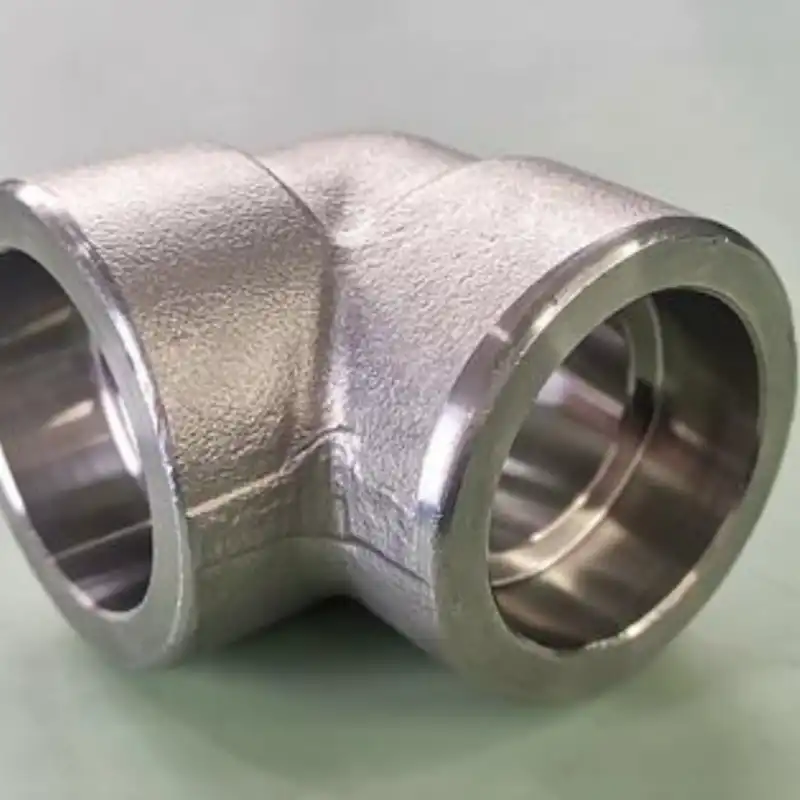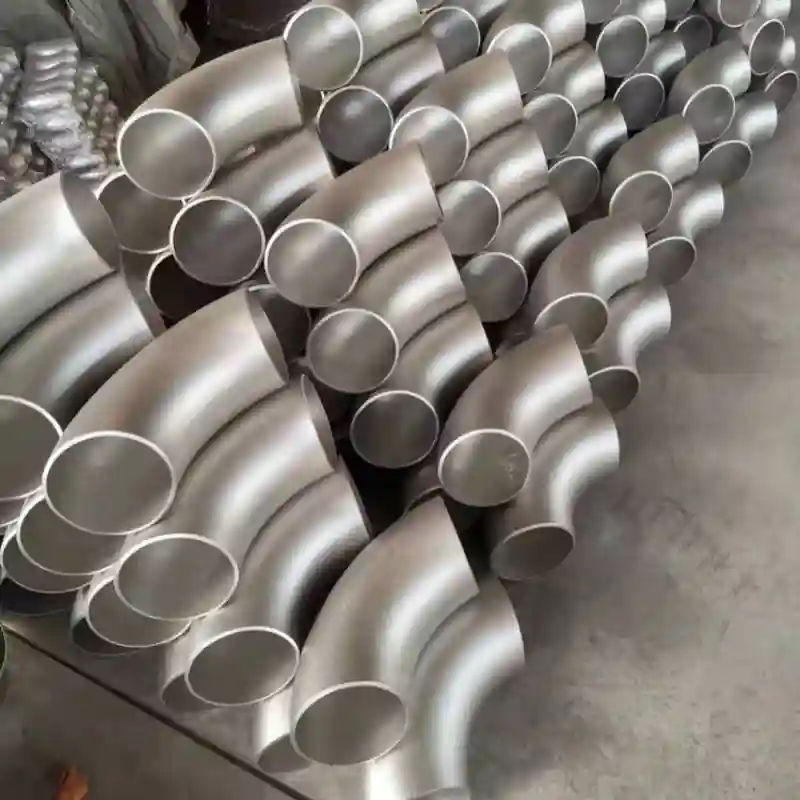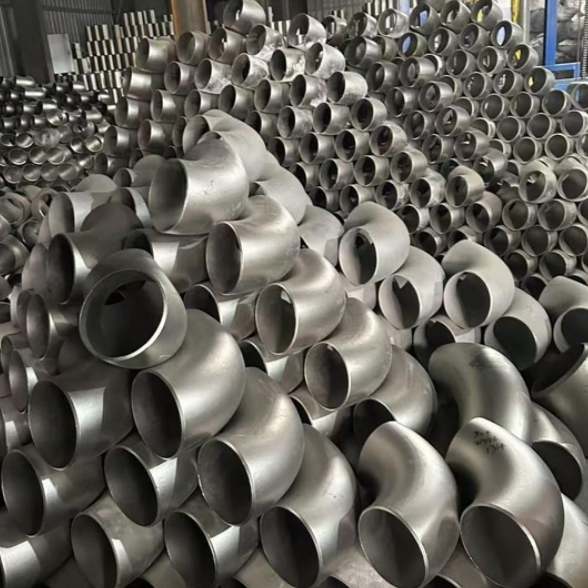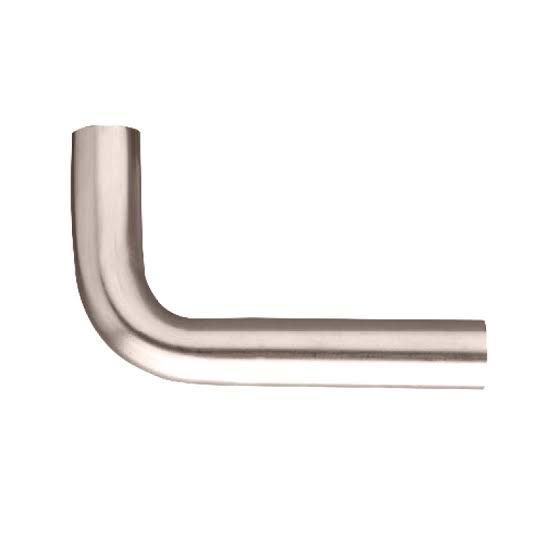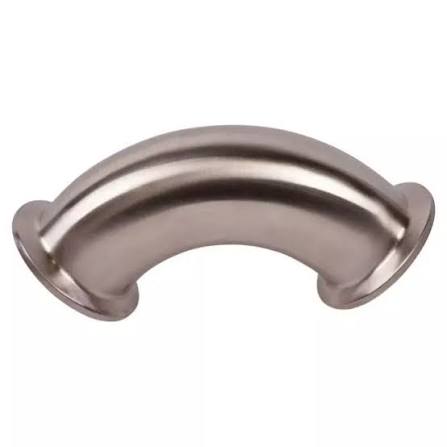
Millimeter to Inches: Essential Size Conversion Guide for Pipe Elbow Selection
1. Basic Conversion Formula: Why 25.4?
Conversion formulas:
Inch = Millimeter ÷ 25.4
Millimeter = Inch × 25.4
25.4 mm = 1 inch (exact value)
50.8 mm = 2 inches
2. 9 Frequently Used Pipe Fitting Size Conversion Cases
-
61 mm to inches
61 ÷ 25.4 = 2.4015748…
≈ 2.402 inches
It is close to 2-3/8″ pipe with outer diameter of 60.3 mm, while 61 mm is slightly larger and mostly used for custom pipe fittings.
-
2.8 mm to inches
2.8 ÷ 25.4 = 0.1102362…
≈ 0.110 inches
Matches the common wall thickness of Sch 40S 1/8″ stainless steel pipe.
-
100 mm to inches
100 ÷ 25.4 = 3.9370078…
≈ 3.937 inches
The value approximates 4 inches but is not an exact match. The actual outer diameter of 4-inch pipe is 114.3 mm, and 100 mm generally serves as inner diameter reference for DN100 nominal diameter.
-
52 mm to inches
52 ÷ 25.4 = 2.0472440…
≈ 2.047 inches
Common fitting dimension for DN50 elbows. The nominal diameter of DN50 is 50.8 mm equivalent to 2 inches, and 52 mm is adopted for interference fit.
-
200 mm to inches
200 ÷ 25.4 = 7.8740157…
≈ 7.874 inches
Widely applied to 200 mm bore butterfly valves and flanges, corresponding to approximate 8-inch size. Note that the actual outer diameter of 8-inch pipe is 219.1 mm.
-
150 mm to inches
150 ÷ 25.4 = 5.9055118…
≈ 5.906 inches
DN150 pipe nominal diameter is 152.4 mm equal to 6 inches, and 150 mm often refers to inner diameter or special flange hole spacing.
-
6.2 mm to inches
6.2 ÷ 25.4 = 0.2440944…
≈ 0.244 inches
Roughly 1/4 inch, used for reinforcing rib height and sealing groove depth of thin-wall stainless steel fittings.
-
127 mm to inches
127 ÷ 25.4 = 5.000 inches (exact value)
This precise figure is utilized for 5-inch custom flanges and butt joints.
-
33 mm to inches
33 ÷ 25.4 = 1.2992125…
≈ 1.299 inches
Slightly larger than 1-1/4″ (31.75 mm), suitable for expansion joints and special thin-wall pipes.
3. Professional Reminder: No Direct Conversion Between Inch and Nominal Diameter (DN/NPS)
When measuring a steel pipe with outer diameter of 61 mm, do not simply define it as a 2.402-inch pipe. Verify standard specifications to judge its matching size. Conversion values are applicable to drawing processing rather than nominal specification naming.
- Mark bending radius and center-to-end distance of elbows accurately in millimeter or inch.
- Confirm adopted standard system (metric DIN/ISO or imperial ASME) before procurement.
- Mark both millimeter and inch for wall thickness to avoid ambiguity.
4. Practical Conversion Tools
- Save a calculator shortcut on mobile device for division by 25.4.
- Paste printed millimeter-inch comparison chart covering 1-300 mm on desk.
- Excel formula: =ROUND(A1/25.4, 3) for automatic 3-decimal conversion.
- General piping installation: 1 decimal place for millimeter or 3 decimal places for inch.
- High-pressure and precision piping: 4 decimal places with tolerance marking e.g. ±0.05mm.
Appendix: Quick Reference Conversion Table
| Millimeter (mm) | Inch (in) 3 Decimal Places |
|---|---|
| 2.8 | 0.110 |
| 6.2 | 0.244 |
| 33 | 1.299 |
| 52 | 2.047 |
| 61 | 2.402 |
| 100 | 3.937 |
| 127 | 5.000 (Exact) |
| 150 | 5.906 |
| 200 | 7.874 |