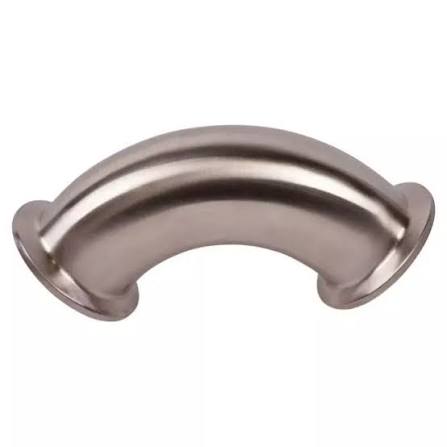
Is it better to bend pipe or use elbow?
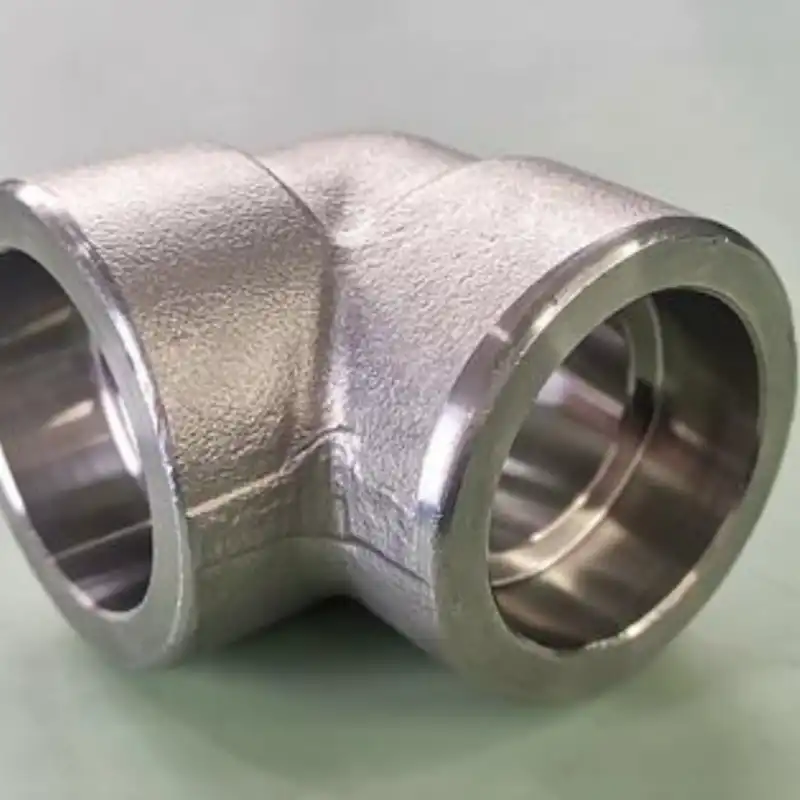
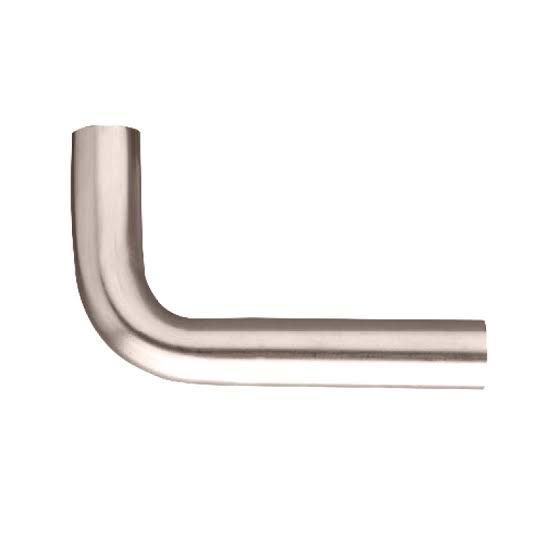
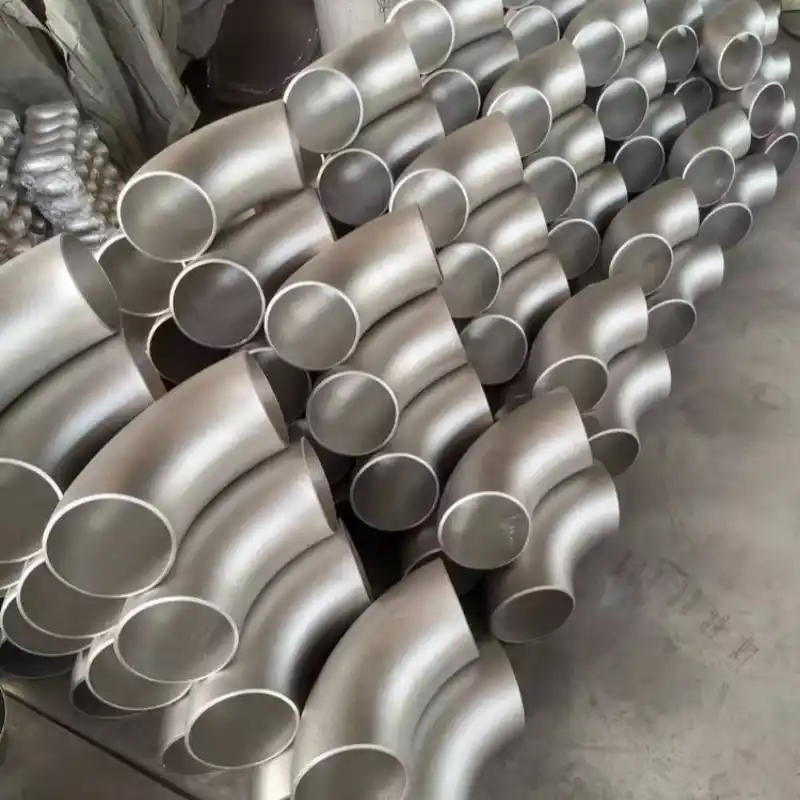
In marine engineering piping systems, there are two common methods to change pipeline routing: on-site pipe bending or the use of prefabricated formed elbows.
Many engineers often ask: which option is truly superior? According to long-term tracked data from the Marine Technology journal, standard factory-made elbows deliver notably higher reliability than on-site bent pipes under the harsh marine conditions of high humidity, high salinity and persistent vibration.
The core reason is that elbows can directly resist seawater corrosion and alternating stress through optimized material selection and precision manufacturing.
Taking typical ballast water systems as an example, on-site pipe bending easily causes wall thinning on the outer arc and wrinkling on the inner arc, with residual stress reaching over 60% of the yield strength, which accelerates fatigue cracking under navigation-induced vibration.
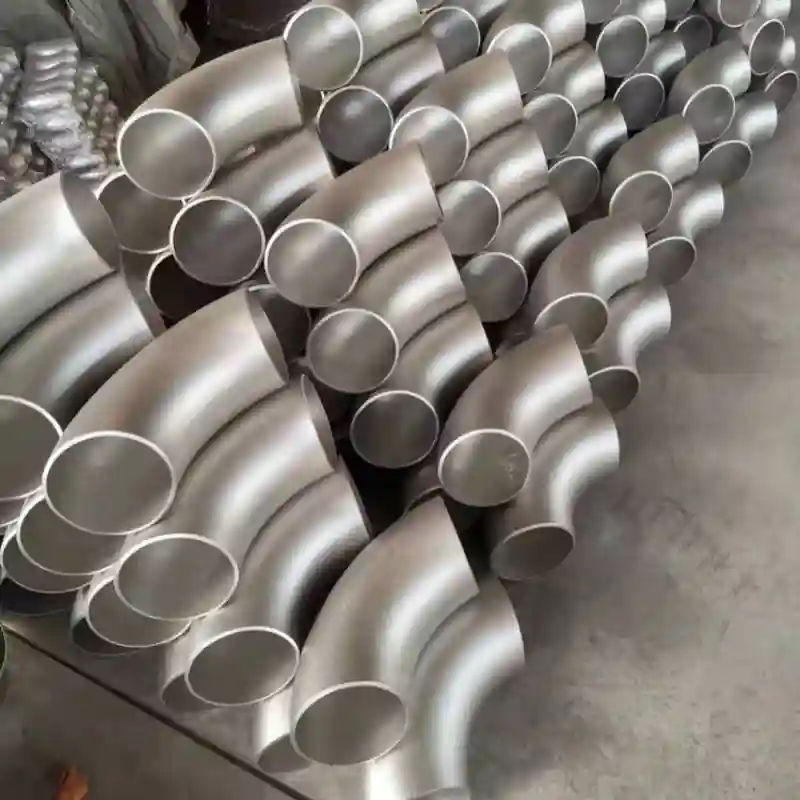
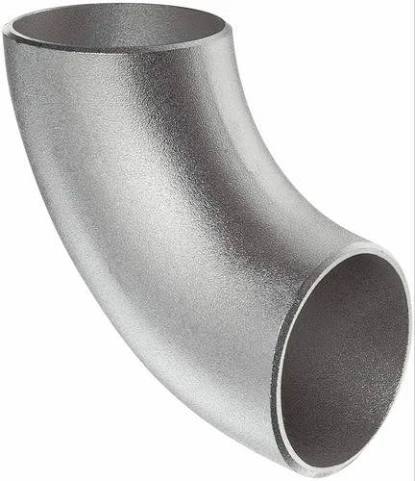
In contrast, the proper adoption of sweep elbow (long-radius elbow, R=1.5D~3D) can effectively reduce turbulence and cut local pressure loss by approximately 22%. For fuel transfer pipelines, pre bent tubing elbows feature smooth inner wall transitions to prevent sediment accumulation.
Welding quality is another critical pain point in marine engineering. Marine codes and standards (such as ABS and DNV regulations) require all joints of pressure pipelines to adopt traceable welding procedures.
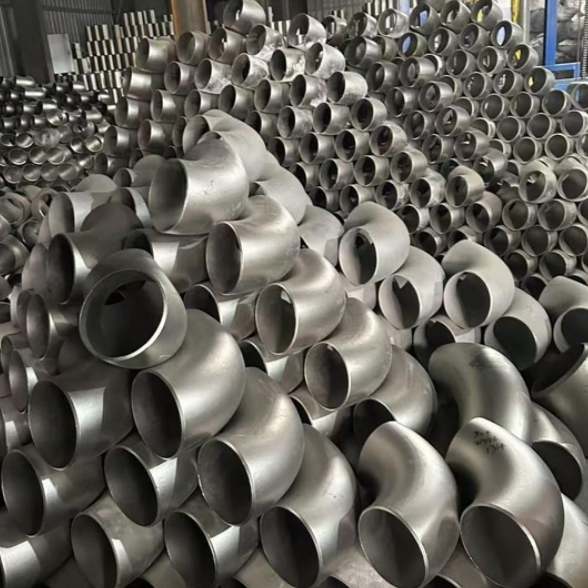
The application of weldable pipe elbows eliminates the inconsistency of on-site groove preparation. Meanwhile,
stainless steel weld elbows (316L material, PREN≥26) show a corrosion rate merely 1/15 of carbon steel elbows in simulated seawater erosion tests.
For working conditions requiring both direction adjustment and diameter transition, stainless steel reducing elbow (e.g., DN80×DN50) can omit one reducer fitting and one welding seam, greatly lowering the risk of leakage.
Common Problems and Solutions
Problem 1: How to avoid turbulence and cavitation at reducing and turning sections of marine pipelines?
Solution: Prioritize centrifugal cast stainless weld elbows combined with eccentric reducing design, controlling the medium flow velocity gradient within ±0.5m/s. Matching with inner wall polishing (Ra≤0.8μm) can extend cavitation resistance service life by 3 times.
Problem 2: How to eliminate residual stress after elbow welding in confined bilge areas?
Solution: When adopting stainless steel weld elbows, apply the low heat input (≤1.5kJ/mm) GTAW process with forced argon back shielding (oxygen content<50ppm). Overall post-weld heat treatment is not required, and the welded structure still meets the requirement of impact energy ≥60J at -20℃.
In conclusion, the conclusion that “factory elbows outperform field-bent pipes” has been verified by decades of full-vessel practical operation in marine engineering. Only a standardized, high-corrosion-resistant weldable elbow system can guarantee a service life of more than 25 years for marine pipelines.