Deep Dive into Stainless Steel 90 Degree Elbows in HVAC/R Systems: From Standards to Selection
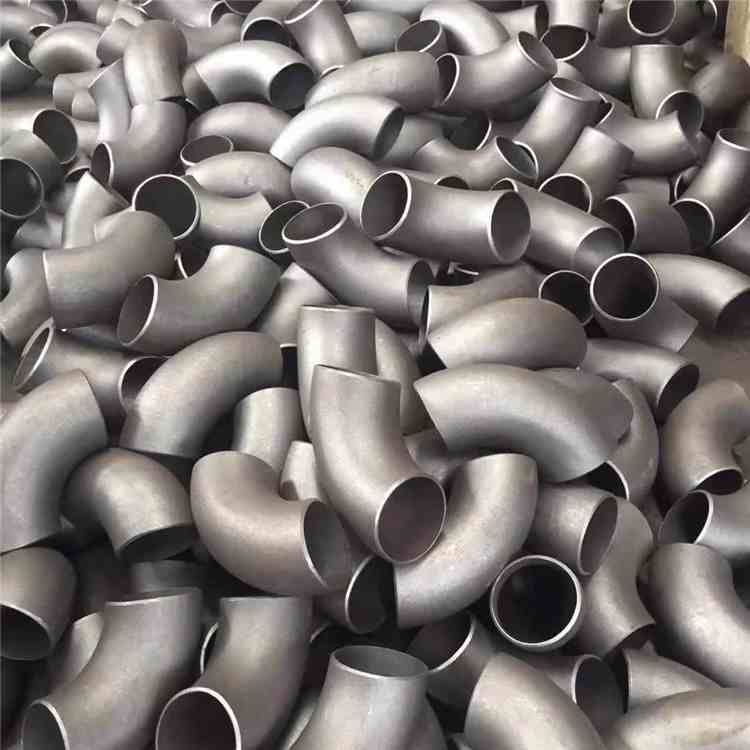
✔️In the piping design of HVAC/R systems, the HVAC/R stainless steel 90 degree elbow is a core component that ensures smooth refrigerant flow direction transition. Improper elbow selection can increase pressure drop, affect energy efficiency, and even endanger compressor service life. This article provides a professional selection reference from two perspectives: industry standards, elbow radius types, and material selection.
Clarify the Dual Standard System to Ensure Pipe Compatibility
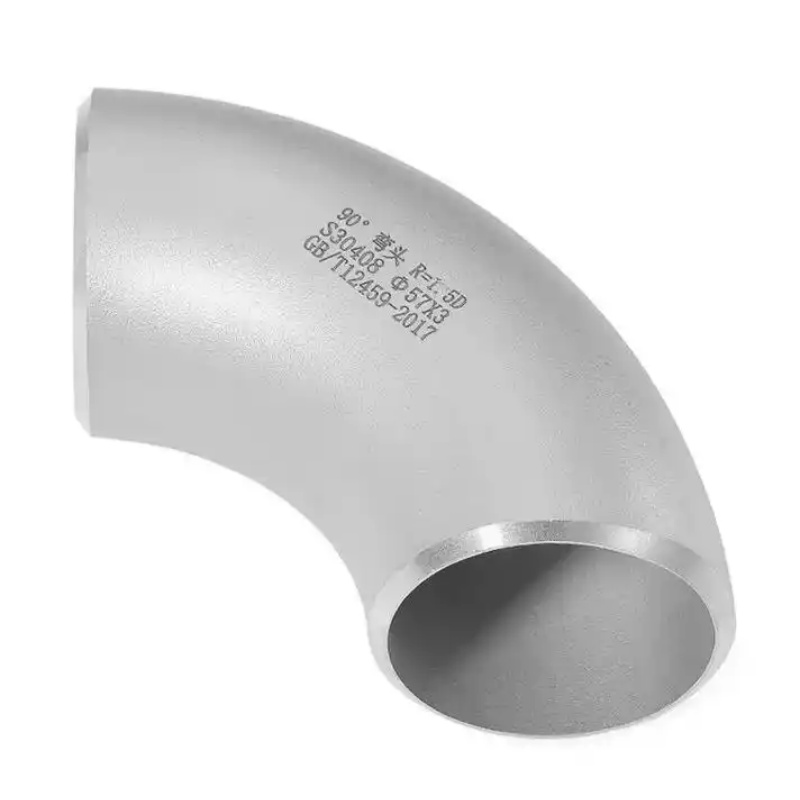
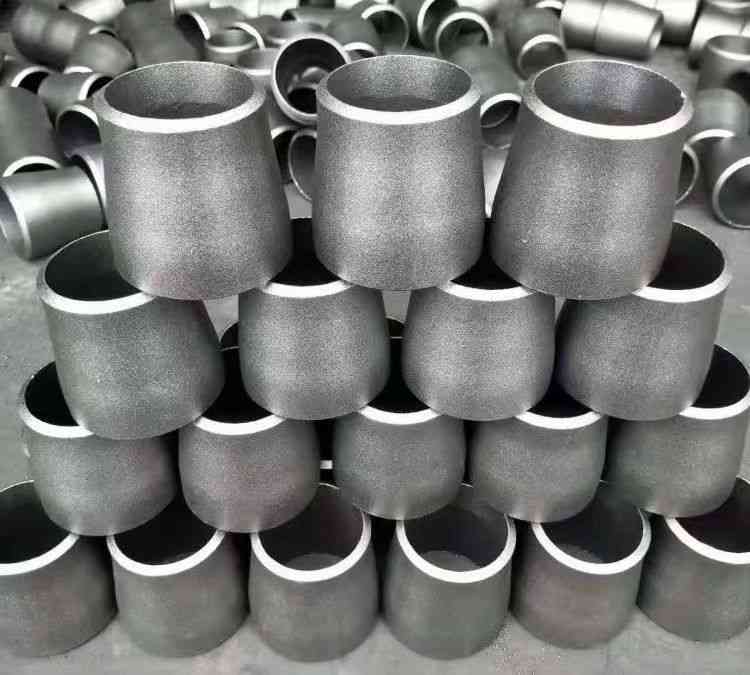
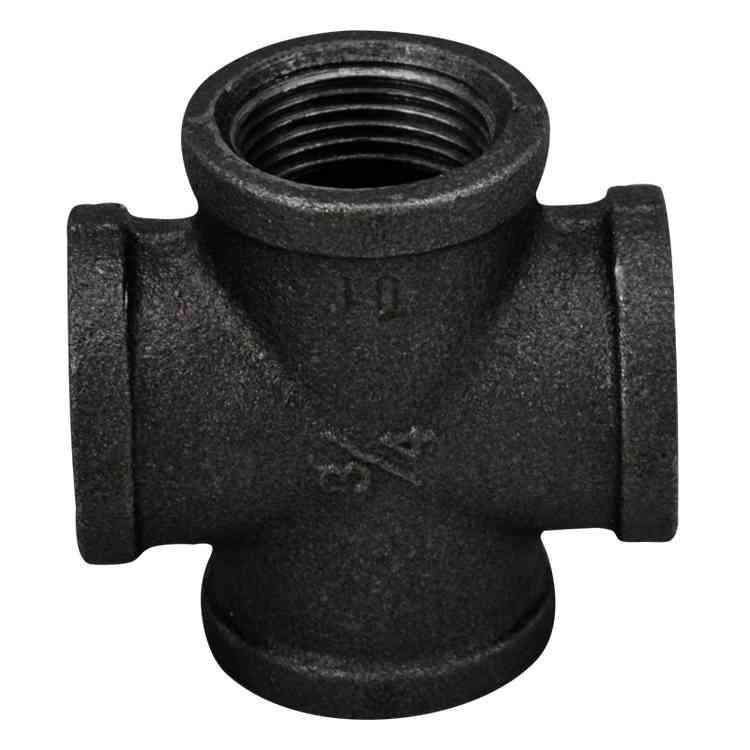
✔️When selecting stainless steel butt-weld fittings, two key standards must be considered simultaneously: ASME B16.9 stainless steel buttweld fitting (dimensional standard) and ASTM A403 (material standard). ASME B16.9 defines fitting dimensions and tolerances, covering sizes from NPS 1/2 to 48 (DN15 to DN1200), ensuring reliable interchangeability between products from different manufacturers.
✔️ASTM A403 covers wrought austenitic stainless steel grades such as WP304, WP304L, WP316, and WP316L, specifying requirements for chemical composition, mechanical properties, and heat treatment.
Elbow Radius: A Key Parameter Affecting Pressure Drop and Oil Return
✔️In HVAC/R systems, the radius selection of a 90-degree elbow directly impacts system efficiency. The industry generally recommends using a long radius 90 degree elbow for refrigeration, with a bend radius of 1.5 times the pipe diameter (1.5D) at the centerline.
✔️In contrast, short-radius elbows (bend radius equal to pipe diameter) cause significant pressure drop in refrigerant systems — a long-radius elbow can reduce pressure drop by approximately 50% compared to a short-radius elbow, and also optimizes the oil return performance of the lubricant.
✔️Furthermore, long-radius elbows better absorb thermal expansion/contraction stresses in piping, reducing the risk of fatigue failure from cyclic loading.
📌Material Selection: Trade-offs Between 304 and 316 Stainless Steel
☑️The choice of stainless steel grade depends on the application environment. 304 stainless steel elbow for HVAC piping offers good overall performance and cost-effectiveness, suitable for most HVAC applications. If the system is exposed to chlorides or acidic media (e.g., coastal projects or industrial refrigeration), then 316L stainless steel pipe fitting should be considered.
☑️The 316L grade contains approximately 2–3% molybdenum, which significantly improves resistance to pitting and crevice corrosion. Regarding high-temperature performance, 304 stainless steel elbows can continuously withstand temperatures up to 870°C, meeting the operating conditions of the vast majority of HVAC/R systems.