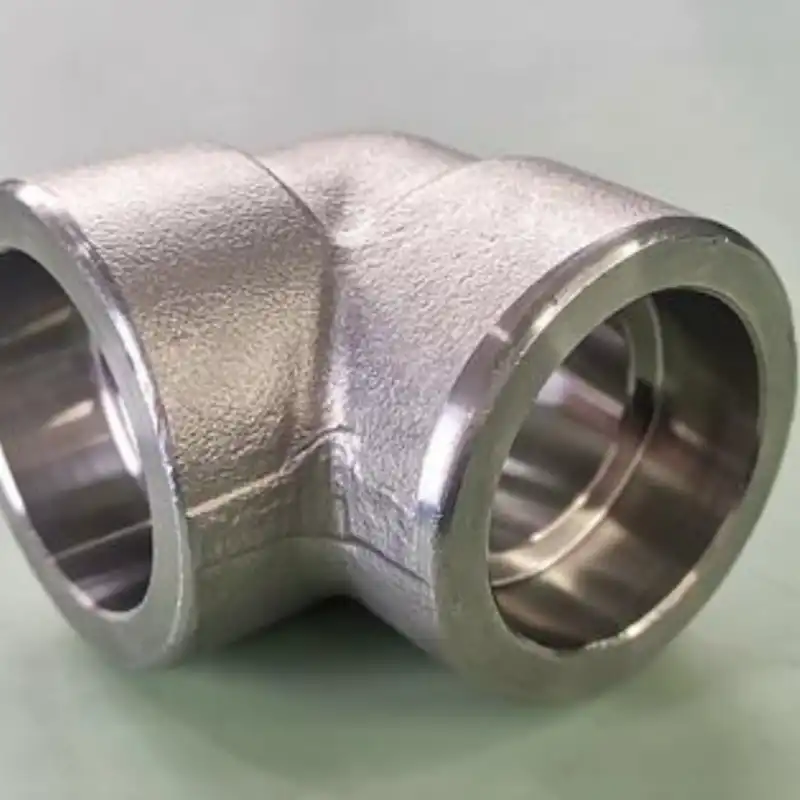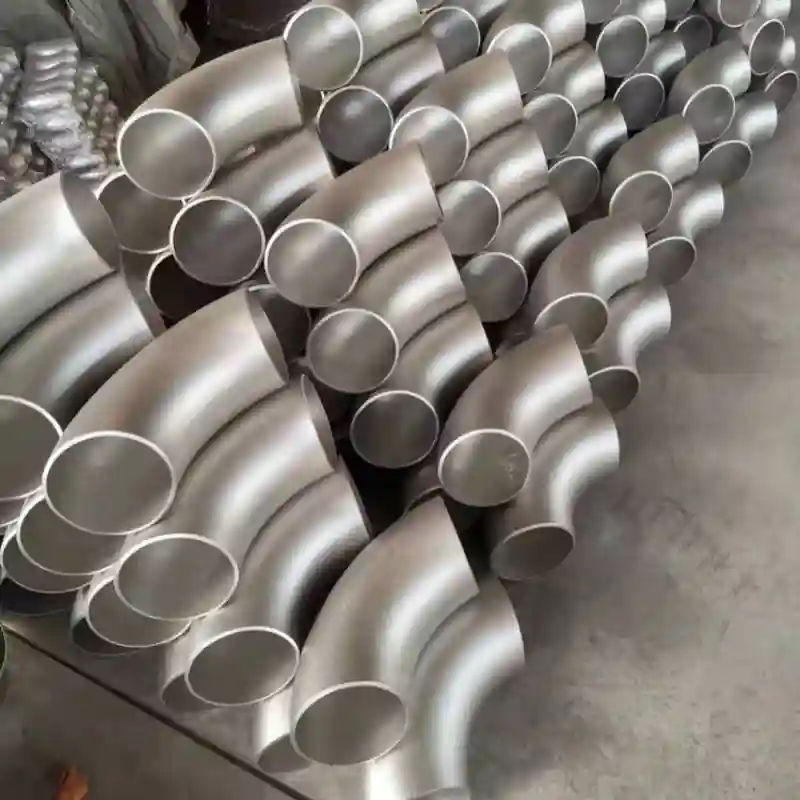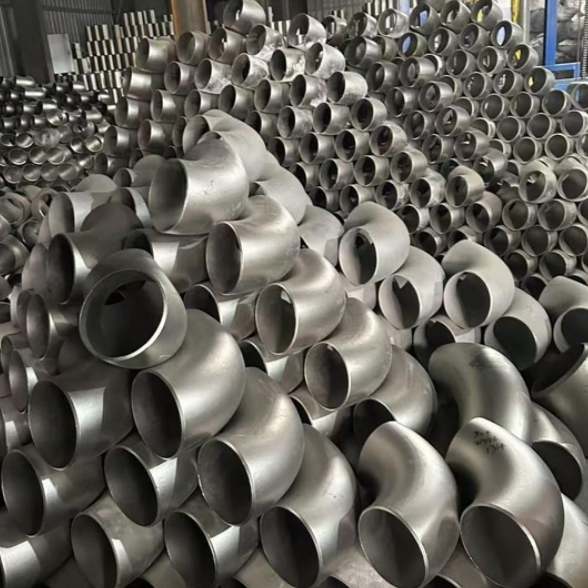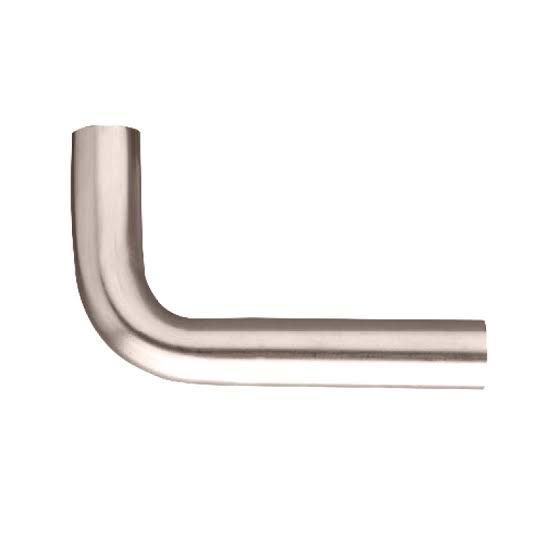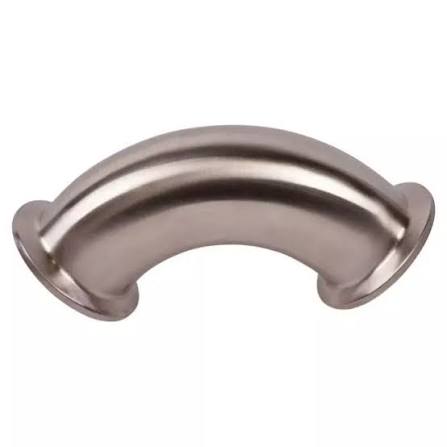
How to Choose 3/4″ Stainless Hose Barb 90° Elbow
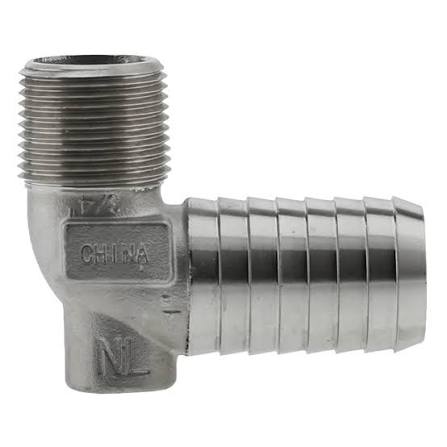
✔️In fluid transfer or food processing pipeline design, the sealing performance and corrosion resistance at directional changes are critical. The 3/4″ by 3/4″ stainless hose barb 90 degree elbow is a standard solution for connecting hoses of the same diameter while changing flow direction. However, improper selection often leads to sudden pressure drops or media leakage.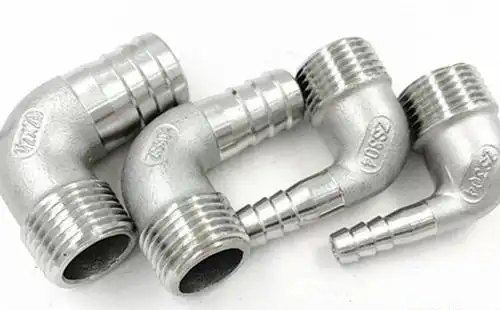
1. Material Determines Tolerance Limits
✔️For 304 or 316 stainless steel, corrosion resistance depends on chromium and nickel content. 316 stainless steel contains molybdenum (Mo), which provides superior pitting resistance in chloride environments (e.g., seawater or bleach-cleaning scenarios).
✔️If your media involves acidic food slurries or pharmaceutical purified water, be sure to verify that the material test report shows Ni content between 10%–14%. This is the primary threshold for ensuring compliance with food grade stainless steel fittings.
2. Dimensional Specifications and Flow Impact
✔️“3/4″ by 3/4″” means both ends have a nominal size of 3/4 inch, but it is essential to strictly distinguish between the hose inner diameter (I.D.) and the barb insertion-end outer diameter (O.D.) for proper matching.
✔️The barbed hose fitting dimensions (barb structure sizes) of this elbow are typically designed with multi-stage anti-slip barbs, where the barb peak outer diameter is often 0.5–1.0 mm larger than the hose nominal I.D. to create an interference fit seal.
✔️Note: Over-stretching the hose during forced installation can damage the barb structure. It is recommended to measure the actual hose wall thickness and ensure that the clamp tightening torque after insertion is controlled within 2.5–3.5 N·m to avoid crushing the hose wall.
3. Engineering Compensation for 90-Degree Flow Change
✔️When flowing through a 90-degree elbow, the local resistance coefficient (K-value) is significantly higher than in straight piping. For this size connection, under water medium conditions with a flow velocity of 2.5 m/s, the equivalent straight-pipe pressure loss caused by a single elbow is approximately 0.8–1.2 meters of water column.
✔️If the system is pressure-sensitive, it is recommended during 90 degree elbow installation to maintain straight pipe sections of at least 5 times the pipe diameter on both sides of the elbow, to stabilize turbulence and reduce cavitation impact on the valve sealing faces.
4. Error-Proofing Mechanisms in Practical Installation
✅During on-site installation, in addition to using hose clamps, it is advisable to wrap a layer of PTFE thread seal tape around the outside of the barb (only on the outer side, to prevent debris from entering the media). This significantly enhances sealing durability under high-pressure pulsation.
✅Pay attention to the flow arrow marking (if present) for installation orientation. If no marking exists, the default is that the axes of the two ends or threads form a 90° angle, with no directional difference. The test pressure is recommended to be 1.5 times the working ✅pressure for a hydrostatic pressure test, with a hold time of no less than 15 minutes.
Conclusion:
📌Choosing the right 3/4″ stainless steel 90-degree elbow is not just about matching the diameter – it is about the synergy of material certification, barb geometry data, and installation torque. Every elbow provided by AIFN undergoes spectrographic testing and full dimensional inspection, ensuring you achieve leak‑free, reliable connections in complex pipeline layouts.