How to Replace an Elbow with a Tee in an Existing Pipeline
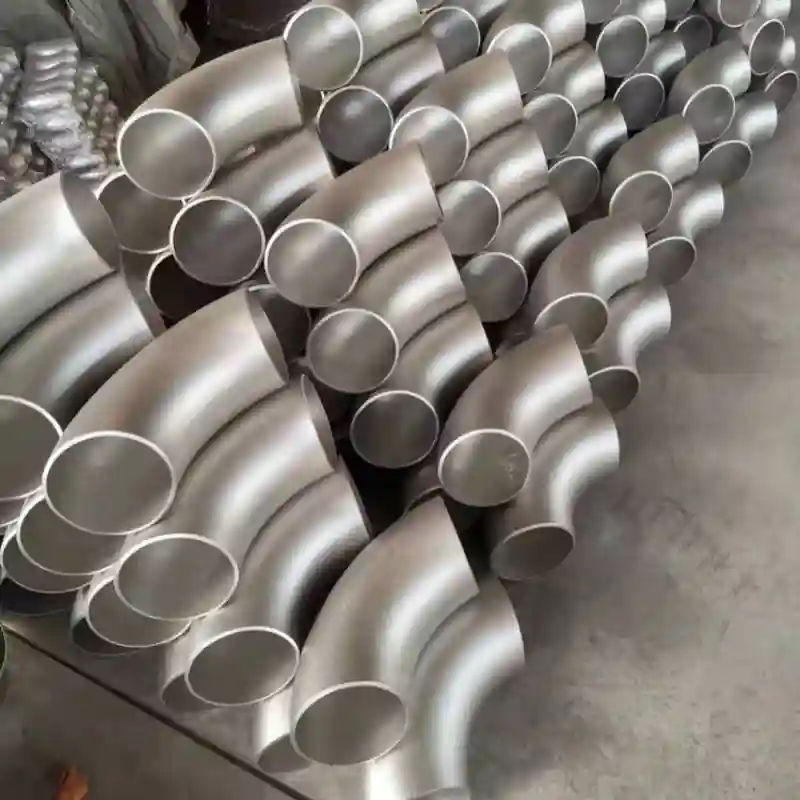
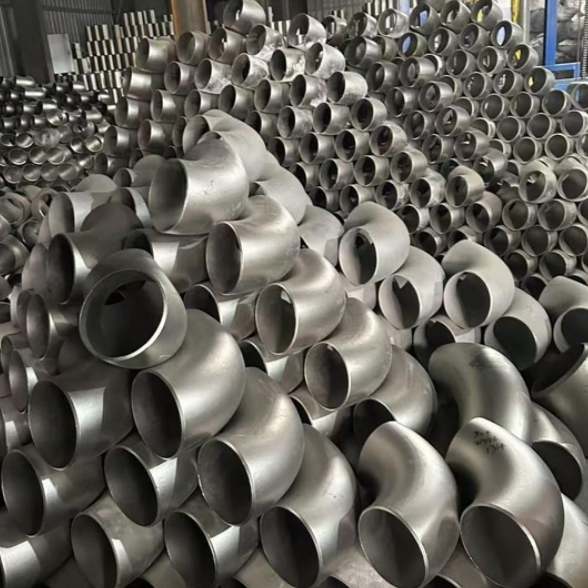
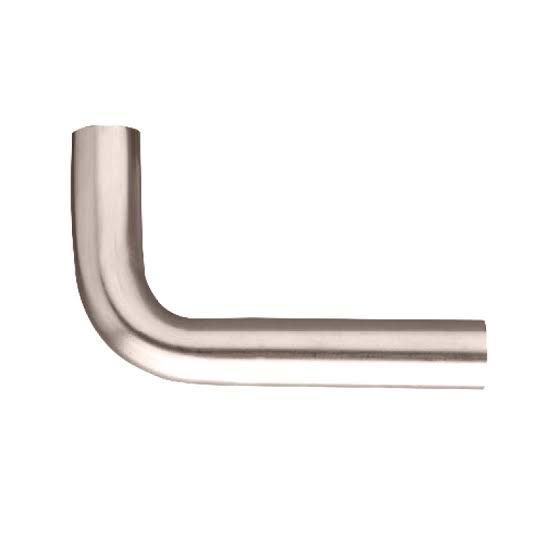
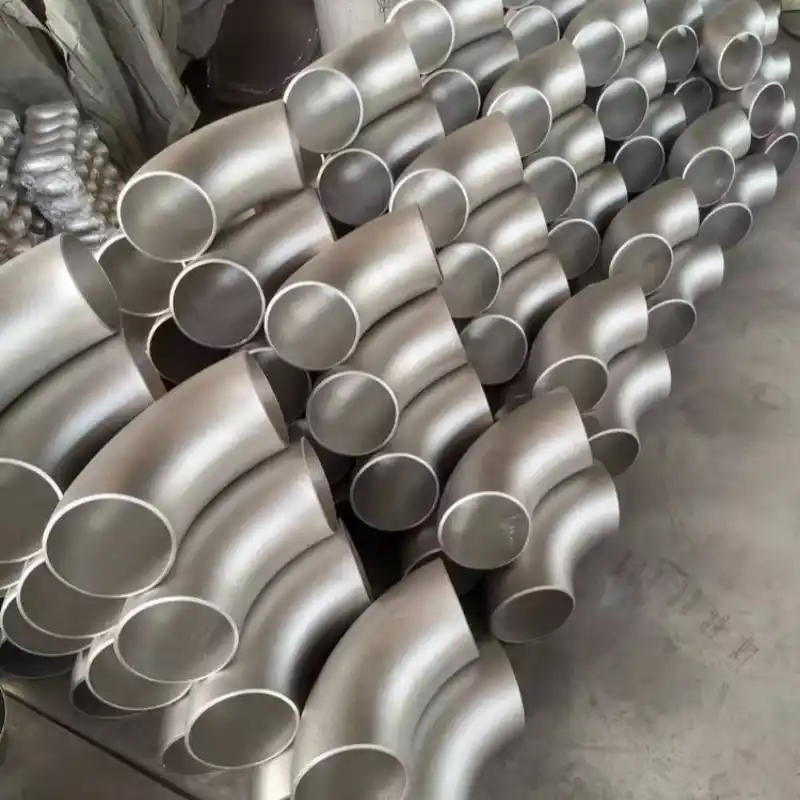
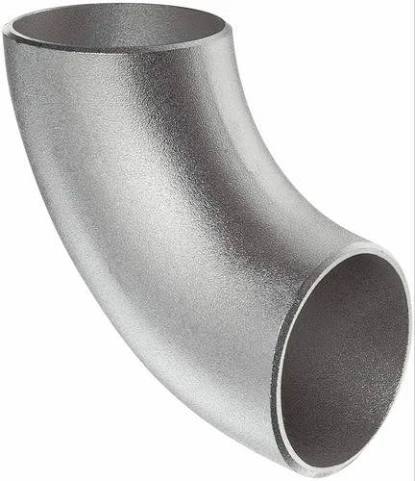
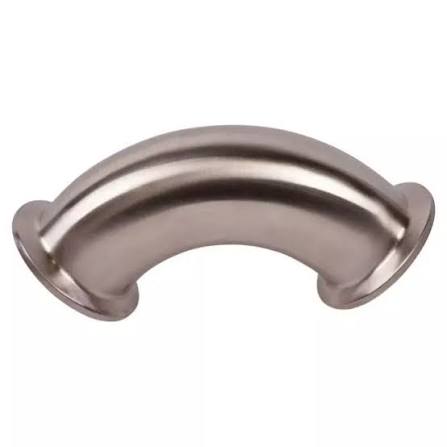
▶️In water supply, drainage, and chemical low-pressure pipeline renovation projects, replacing an existing 90° elbow with a tee is the most common method for adding a branch line. According to the ASME B31.3 Process Piping Code, before the renovation, it is necessary to verify the pipe wall thickness, nominal diameter, and pressure rating to prevent future leakage.
✔️The first step is to depressurize and drain the pipeline. For normal-temperature pipelines, the pressure must be reduced to below 0.05 MPa. For high-temperature carbon steel pipelines, they must be allowed to cool down to ambient temperature to prevent medium splashing and burns during cutting.
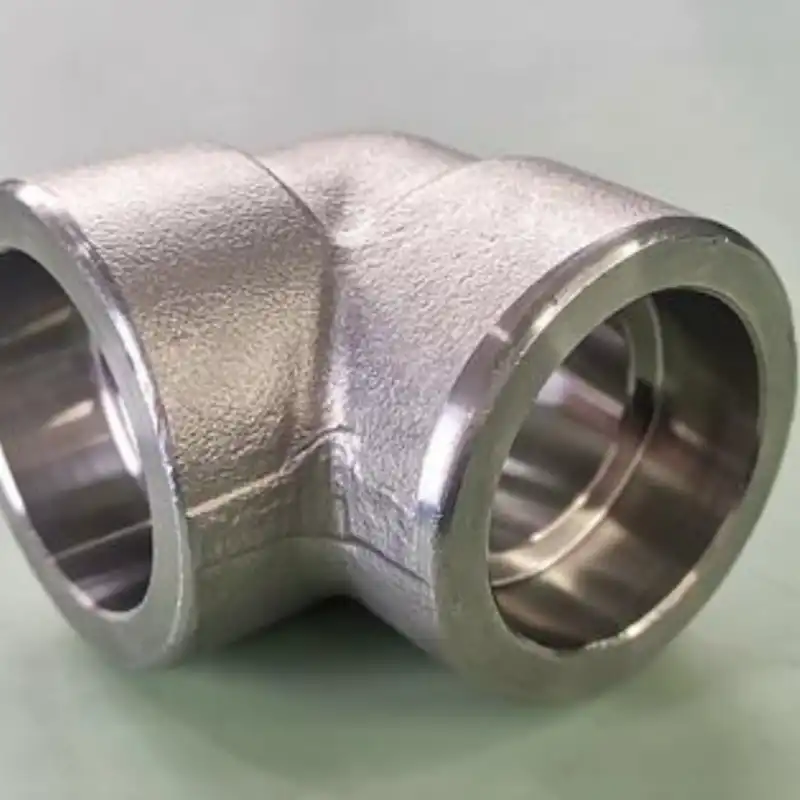
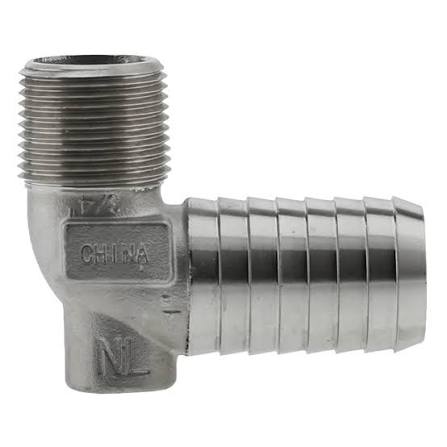
✔️After determining the replacement point, use pipe cutting equipment to leave a 15mm assembly allowance on the straight pipes on both sides of the elbow. This allowance is used for subsequent industrial threaded tee installation for thread engagement and gasket installation. The perpendicularity error of the cutting cross-section should be controlled within ±0.8°, and burrs on the cross-section should be ground smooth to avoid scratching the sealing ring.
✔️After removing the original elbow, select a tee of the same material based on the original pipe’s DN nominal size. For carbon steel pipe fittings, follow the ASTM A234 WPB material standard; for stainless steel tees, choose forged blanks made of 304/316L. For pipeline renovations requiring a pressure greater than 1.6 MPa, priority should be given to fittings with a Class150 pressure rating to complete the pressure-rated branch piping modification.
✔️During assembly, for threaded connections, evenly wrap PTFE tape around the threads, with 8 to 12 turns. For butt-welded tees, the groove should be machined to a 30° standard. After all fittings are fixed, conduct a sectional hydrostatic test at a pressure of 1.5 times the system’s rated working pressure, and maintain the pressure for 30 minutes with no pressure drop to pass.
📝This entire seamless pipe cutting for retrofitting process is a standardized procedure summarized by AIFN from years of on-site pipe fitting service experience, and it is applicable to old pipe renovations in various scenarios such as HVAC and chemical engineering.