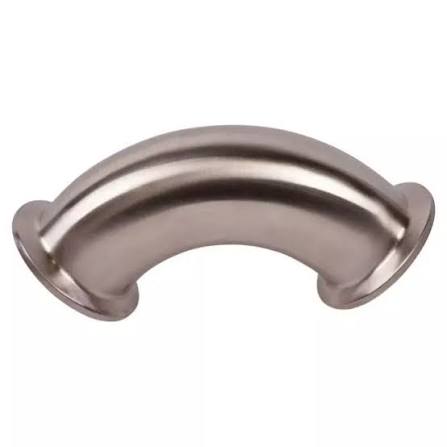
Ductile Pipe Sizes in Pipeline Engineering and Fitting Selection
In pipeline engineering and fitting selection, ductile pipe sizes are technical parameters of concern to engineers. The actual outer diameter, wall thickness, weight per unit length corresponding to different nominal diameters (DN), as well as how these dimensions match with standard fittings (elbows, tees, reducers, etc.), are critical. Whether designing water supply networks, fire protection systems, or industrial transmission pipelines, accurately understanding the dimensional parameters of ductile iron pipes is a prerequisite for ensuring connection sealing, structural strength, and long-term operational reliability.
Ductile Iron Pipe Dimensions Standard System
Ductile iron pipe dimensions globally mainly follow ISO 2531 (latest version ISO 2531:2024), EN 545 (European standard for drinking water pipelines), and ANSI/AWWA C151 (US standard). These standards uniformly specify the nominal diameter (DN), outer diameter (DE), wall thickness (e), and corresponding pressure class (PN or C-class). Below are typical dimensional examples (based on ISO 2531, pressure class PN16, wall thickness class K9):
| Nominal Diameter DN | Outer Diameter (mm) | Wall Thickness (mm) | Unit Mass (kg/m) |
|---|---|---|---|
| 80 | 98 | 6.0 | 13.6 |
| 100 | 118 | 6.0 | 17.8 |
| 150 | 170 | 6.0 | 27.5 |
| 200 | 222 | 6.4 | 42.5 |
| 300 | 326 | 7.2 | 72.8 |
| 400 | 429 | 8.0 | 112.3 |
| 500 | 532 | 8.8 | 166.0 |
| 600 | 635 | 9.6 | 225.0 |
| 800 | 842 | 11.0 | 375.0 |
| 1000 | 1048 | 12.2 | 548.0 |
Note: Different standards have different wall thickness classes (K9, K10, K12, etc.). The smaller the K value, the thicker the wall and the higher the pressure capacity. For example, the wall thickness formula for K9 is e = K × (0.5 + 0.001 × DN) (in mm). For DN200, K9 wall thickness = 9×(0.5+0.2)=6.3mm; the table uses 6.4mm as a common nominal value.
Dimensional Matching of DI Pipes and Fittings
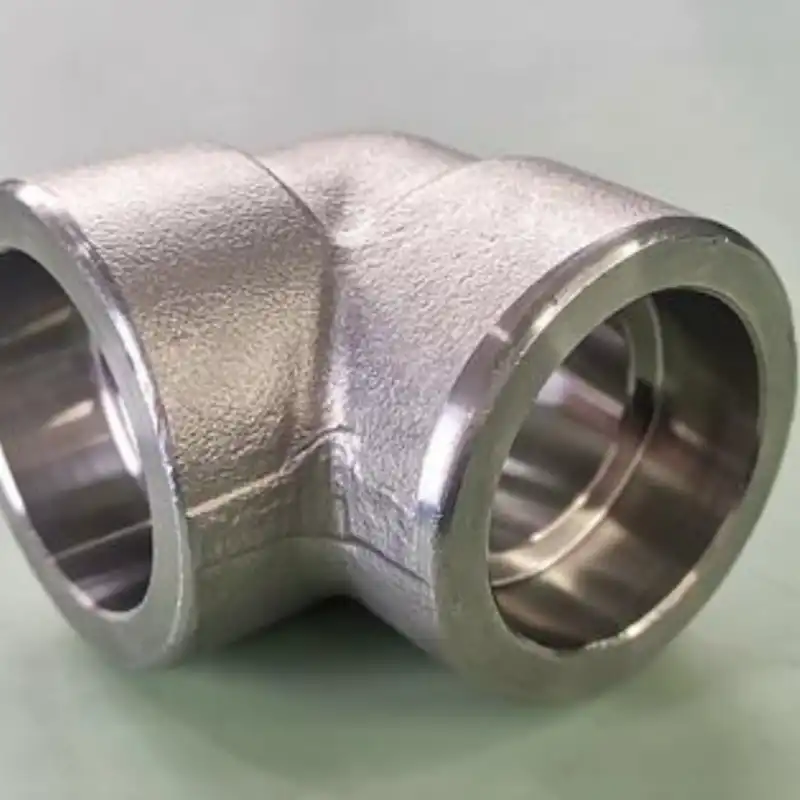
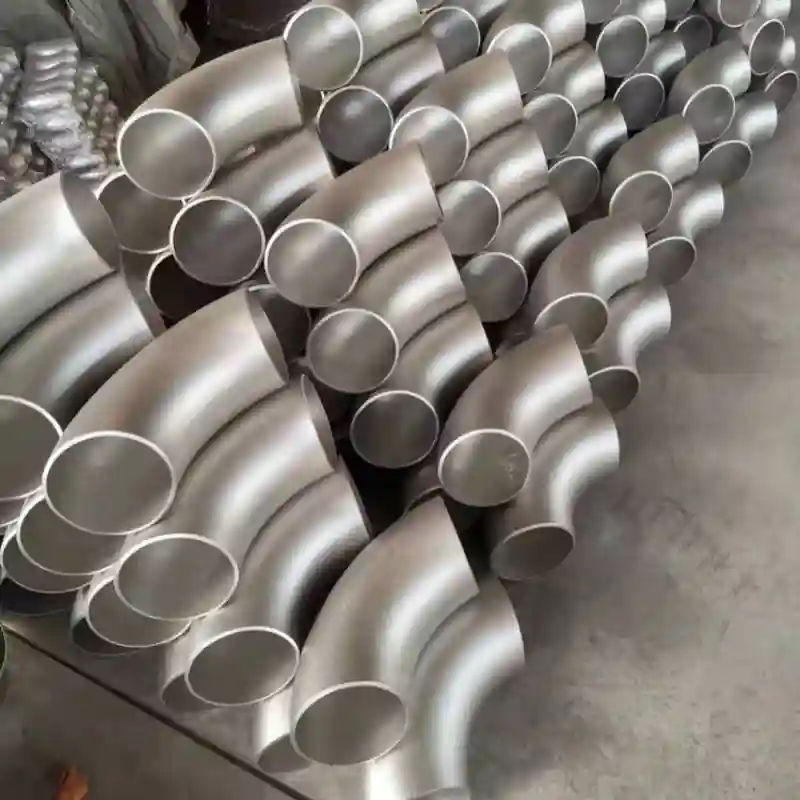
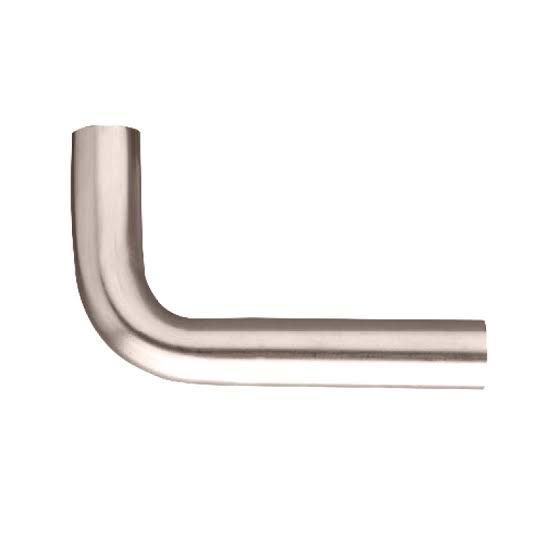
The dimensional design of fittings such as elbows, tees, and reducers must strictly correspond to the actual outer diameter, wall thickness, and joint type of the pipe. Common joint types include: T-type push-in (Tyton), K-type mechanical joint, and flange connection. For elbow fittings (90°, 45°, 22.5°), the following parameters are crucial:
-
Bending radius (R): Standard short-radius elbow R = 1.0×DN; long-radius elbow R = 1.5×DN. For example, a DN300 long-radius 90° elbow has a center-to-end dimension = 1.5×300 = 450mm.
-
Center-to-end distance (CtoE): According to ISO 2531 appendix or EN 545, a typical DN200 90° elbow has a center-to-end distance of 305mm (short radius) or 457mm (long radius).
-
Wall thickness matching: The wall thickness of fittings should not be less than the minimum wall thickness of straight pipes under the same pressure class. For example, in a PN16 system, the wall thickness of a DN150 fitting should not be less than 6.0mm.
When purchasing ductile pipe fittings, you need to verify that the following dimensional parameters are consistent with the main pipe:
-
Whether the nominal diameter (DN) matches.
-
The joint type (push-in / flange / mechanical joint) and its corresponding gasket groove dimensions (e.g., T-type groove depth and width).
-
For elbows, whether the bend angle and bending radius meet the pipeline routing requirements.
Dimensional Selection Recommendations in Engineering Practice
According to the International Water Association (IWA) and the “Ductile Iron Pipe Design Manual” (DIPRA, 2023), when selecting and matching ductile iron pipes and fittings, the following procedure should be followed:
Step 1: Determine pressure class – Select PN10, PN16, PN25, etc., based on the system’s maximum operating pressure (including water hammer effects). PN16 is suitable for most urban water supply (pressure ≤1.6MPa).
Step 2: Match fitting standards – Give priority to fittings that comply with the same standard (e.g., if the pipe adopts ISO 2531, then the fittings should also meet the dimensional and tolerance requirements of ISO 2531).
Step 3: Check wall thickness transition at connections – When the pipe and fitting have different wall thicknesses (e.g., straight pipe uses K9, fitting uses K12), use a transition adapter or ensure a smooth internal diameter transition to avoid turbulence and stress concentration.
Step 4: Dimensional impact of corrosion coating and lining – Cement mortar lining (thickness typically 3~6mm depending on DN) will slightly reduce the flow cross-section, which should be considered when designing flow velocity. External zinc coating + bitumen coating generally adds 0.2~0.5mm thickness, with negligible effect on joint dimensions.
Practical Example: DN400 90° Elbow Selection
An industrial park fire protection water pipeline has a main pipe of DN400 ductile iron pipe (outer diameter 429mm, wall thickness 8.0mm, K9, PN16). A 90° elbow needs to be installed, and the site space limits the bending radius to no more than 600mm.
-
Standard short-radius elbow R = 1.0×DN = 400mm, center-to-end distance approx. 550mm (including socket length).
-
Check the DI elbow dimensions in the fitting inventory: DN400 90° elbow conforming to ISO 2531, wall thickness 8.8mm (slightly higher than straight pipe, safe), joint type T-type push-in, gasket groove width and depth consistent with the straight pipe socket.
-
After installation, pressure testing is required (test pressure 2.4MPa). This fitting has a rated pressure of PN25, meeting the requirement.
This case demonstrates that accurately mastering “ductile pipe sizes” and their dimensional interaction with di pipes and fittings effectively avoids misalignment, leakage, or insufficient strength during on-site assembly.
Conclusion and Professional Recommendations
✔️The dimensional system of ductile iron pipes is highly standardized, but there are subtle differences in outer diameter and wall thickness classes among different standards (ISO, EN, AWWA) – for example, AWWA C151 uses C-class instead of K-class. Therefore, before project design or procurement, it is essential to clearly specify the standard system to be used. For retrofit projects that need to connect to existing pipelines, it is recommended to take actual measurements of the on-site pipes (especially wall thickness and socket depth), as long-term operating pipes may have altered effective dimensions due to corrosion or sediment accumulation.