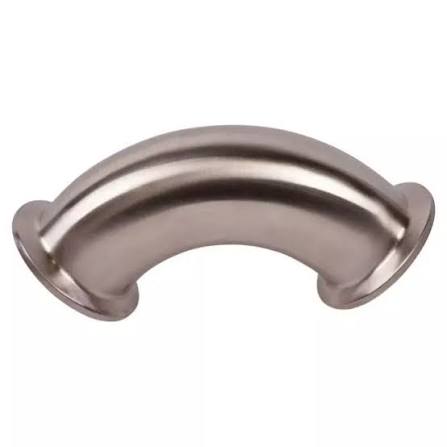
☑️In industrial piping systems, stainless steel adapter fittings are not merely simple connectors; they serve as the core technical hub for resolving “connection contradictions.” When pipelines face different thread standards, diameter changes, directional shifts, or high-pressure surges, incorrect selection often leads to media leakage or even safety incidents.
☑️This article, grounded in international pipe fitting manufacturing standards (such as ASME B16.11 and ASTM A403) and real-world case studies, deconstructs the underlying logic of adapter selection.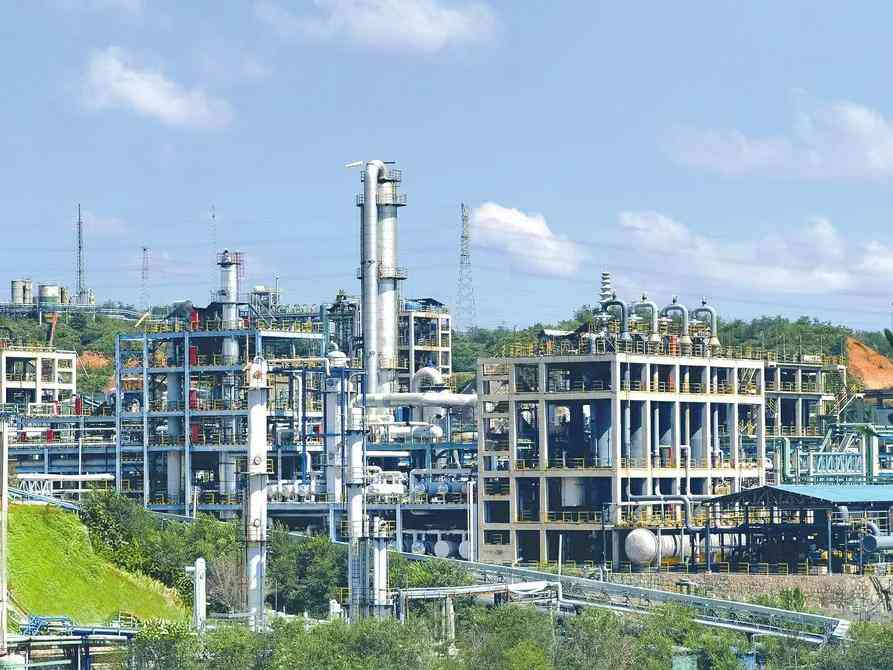
Decoding Stainless Steel NPT Elbow vs. BSP Thread Standards
☑️The primary challenge in selection lies in thread compatibility. The globally prevalent standards are the American NPT (60° tapered pipe thread) and the British BSP (55° parallel/tapered pipe thread).
☑️Their flank angles differ, and mixing them frequently results in thread stripping or seal failure. The industry journal Pipeline & Gas Journal once noted that 30% of instrumentation pipeline leaks originate from misjudgment of thread standards.
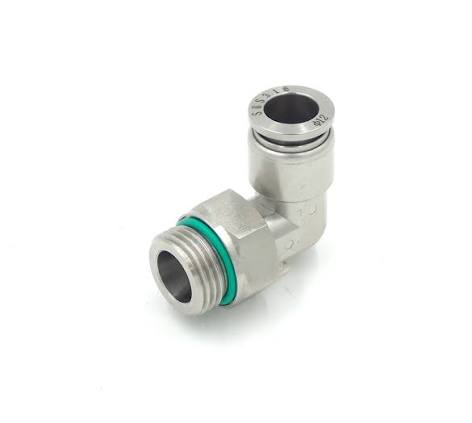
☑️During selection, always confirm the equipment’s interface standard. If the site has an American NPT female thread, the corresponding stainless steel npt elbow must be matched, and it is recommended to apply high-performance PTFE sealing tape or liquid pipe sealant to eliminate spiral leak paths caused by thread clearance.
Transitioning Sizes with Stainless Steel Reducing Male Thread Elbow
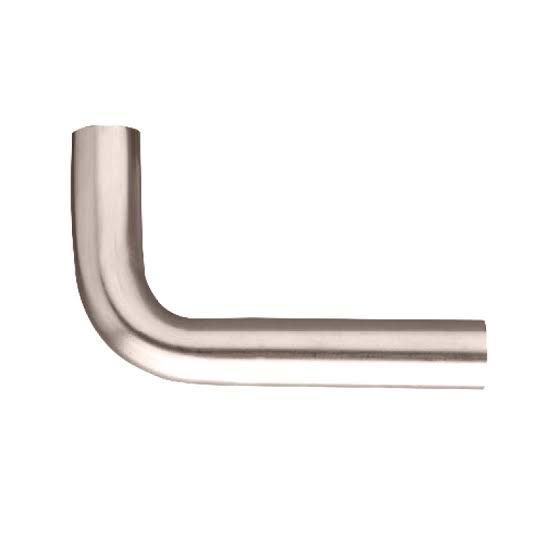
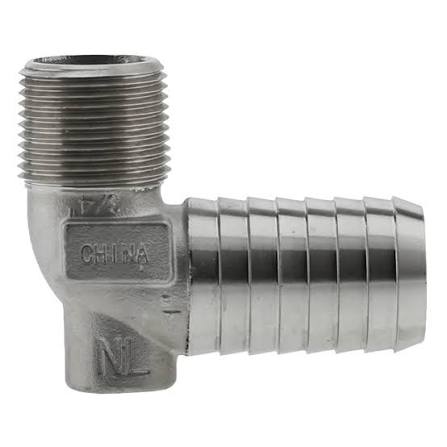
☑️When the main pipeline diameter differs from the terminal equipment interface, standard equal-size elbows cannot fulfill the task. In such cases, a reducing adapter is required. This type of fitting connects the larger main pipe via its male end and the smaller equipment via its female end, simultaneously changing flow direction and completing the diameter reduction.
☑️In selection calculations, the wall thickness rating (e.g., Sch40, Sch80) must be strictly verified. Take the closed cooling water system retrofit at Waigaoqiao No. 3 Power Plant (2×1000 MW ultra-supercritical units) as an example: the plant originally used a separate combination of “reducer + elbow,” but stress corrosion occurred due to excessive welded joints.
☑️Later, they replaced it with a dedicated integrally forged stainless steel reducing male thread elbow. This not only reduced the number of weld joints but also, through wall thickness compensation design, effectively mitigated turbulent erosion wear at the diameter reduction point.
High-Pressure Scenarios: Stainless Steel Socket Weld Elbow
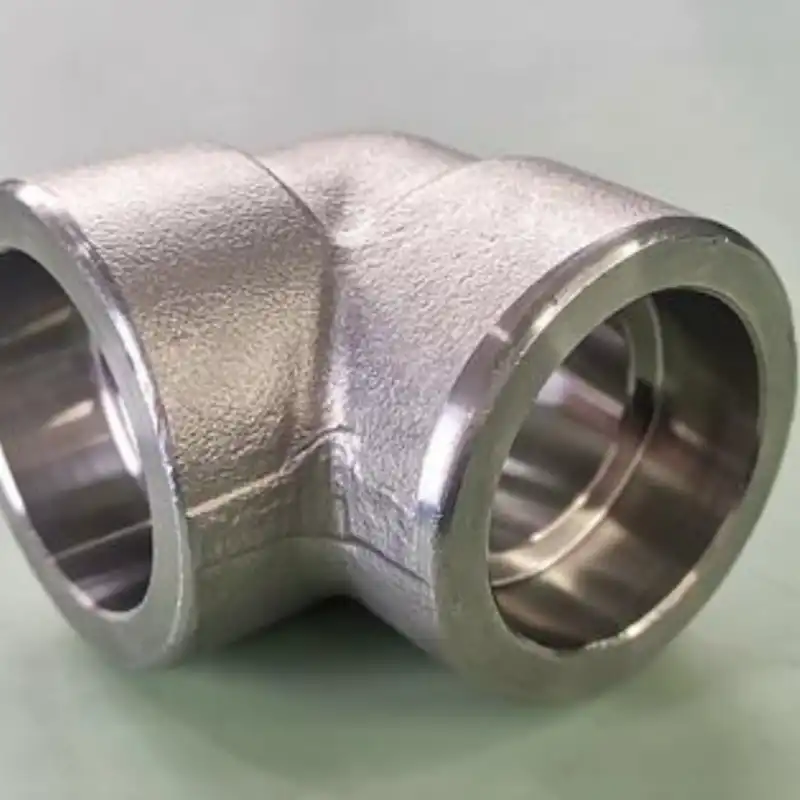
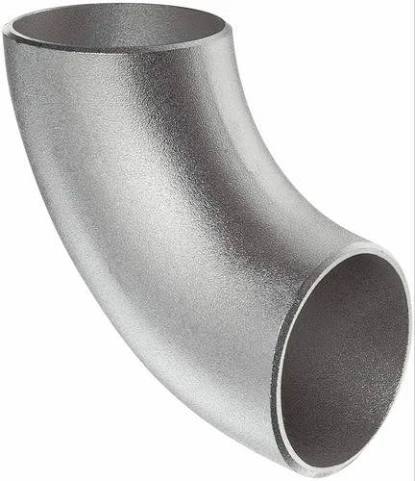
✅For high-temperature, high-pressure conditions with highly permeable media (such as main steam bypass or feedwater recirculation lines), threaded connections carry the risk of loosening from vibration. In such cases, socket weld connections are the optimal solution. These adapters employ a socket structure and achieve permanent joints through fillet welds, with strength ratings that fully match the pipeline’s design pressure.
✅In the same Waigaoqiao No. 3 Power Plant practice, its high-temperature sampling lines frequently suffered from thread galling due to repeated starts and stops. After switching to stainless steel socket weld elbows, the root gap and flexible load-bearing capacity of the fillet welds completely resolved the fatigue fracture issues caused by thermal cycling, and they have since operated smoothly for over five major overhaul cycles.
Integrating Systems with Stainless Steel Pipe Fitting Elbow
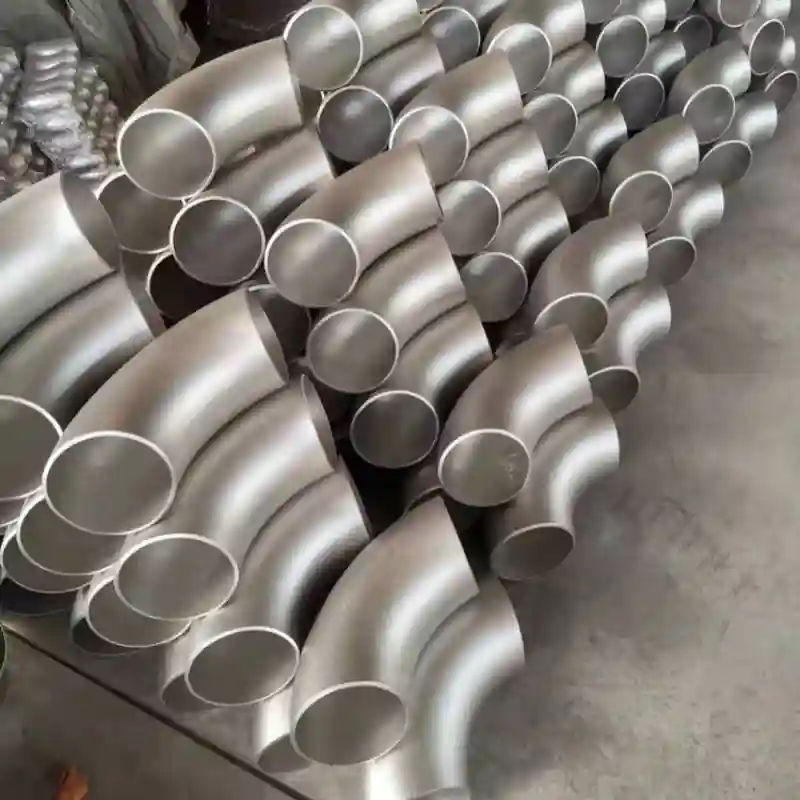
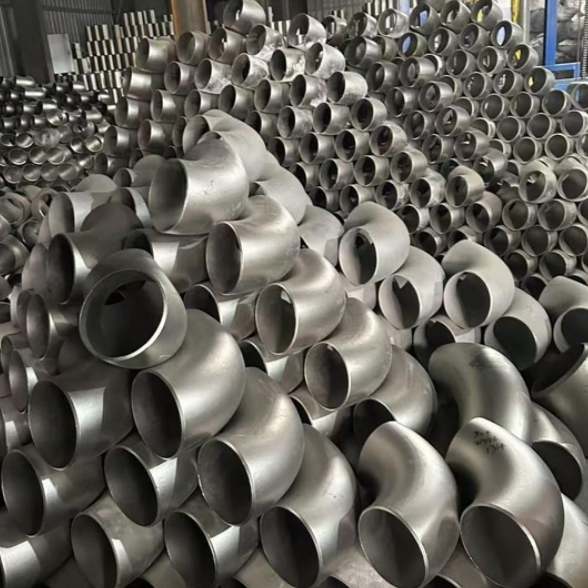
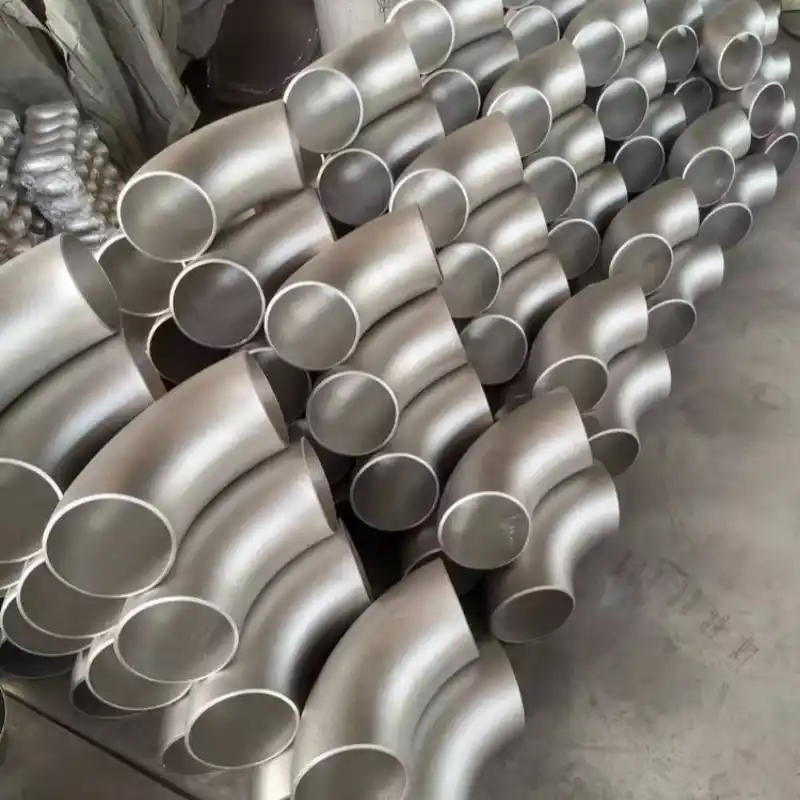
✔️Beyond the functional selections above, the base material is equally critical to success. For general corrosive environments, 304 (S30408) is sufficient; but for severe conditions involving chlorides or acidic/alkaline media, an upgrade to 316L (S31603) is strongly recommended. Professional manufacturers (such as AIFN) typically provide full-process material spectroscopy traceability and strictly comply with ASTM A403 or MSS SP-43 standards, ensuring that every stainless steel pipe fitting elbow meets intergranular corrosion performance requirements.
Conclusion
📌Choosing stainless steel adapters is, in essence, choosing the “adaptive logic” for system safety. From thread identification, dimensional reduction, to welding techniques, every detail impacts the whole-life-cycle stability of the pipeline.
📌Drawing on the mature operational experience of Waigaoqiao No. 3 Power Plant, we advise engineers to prioritize integrally forged structures during selection and to rigorously perform pressure drop verification in accordance with ASME standards. AIFN pipe fittings are committed to providing adapter solutions that suit all operating conditions, making complex connections precise and reliable.