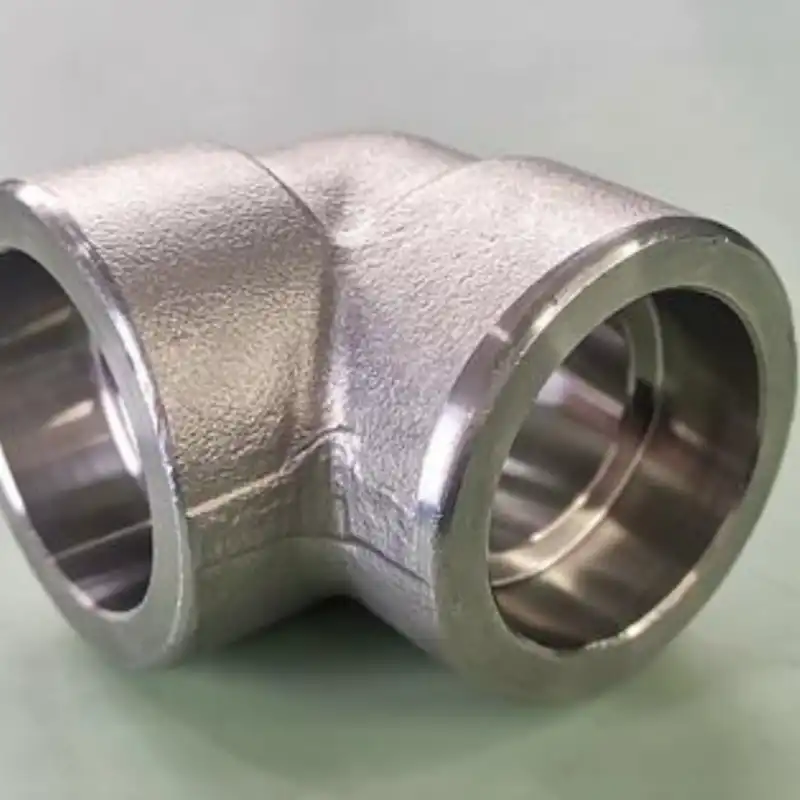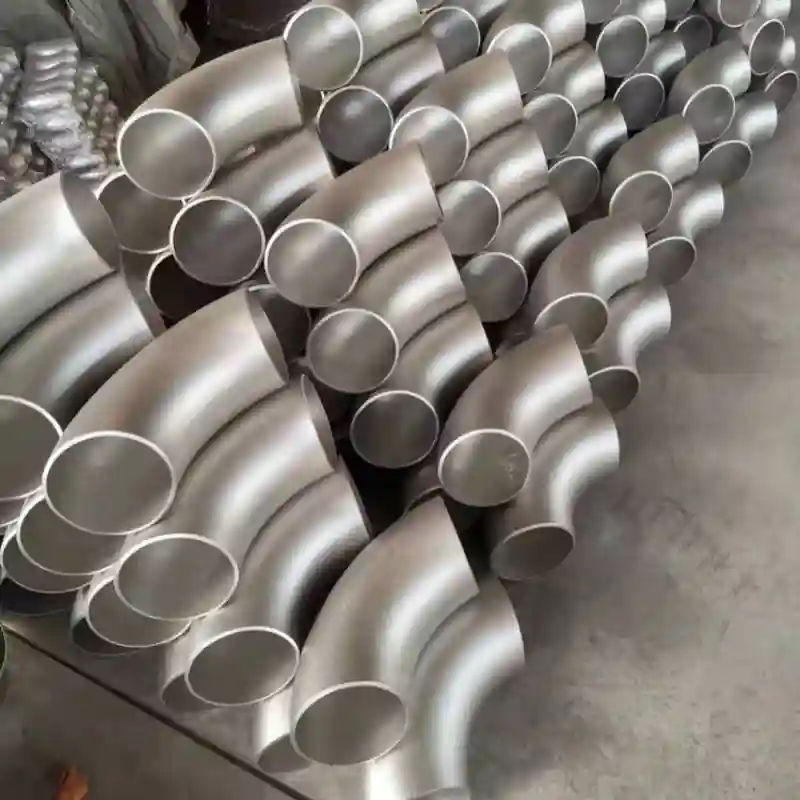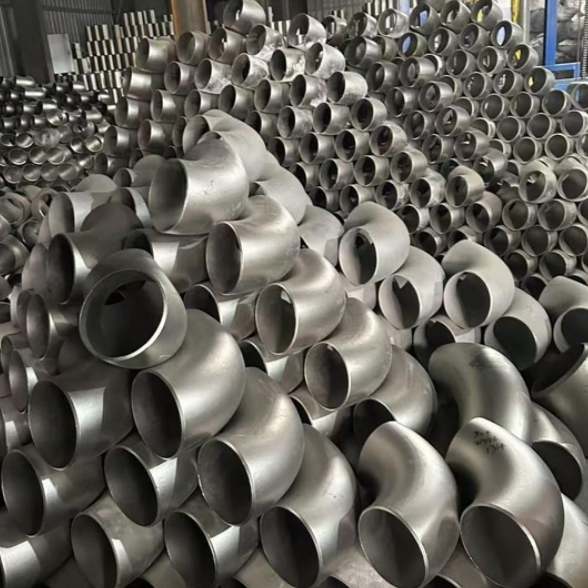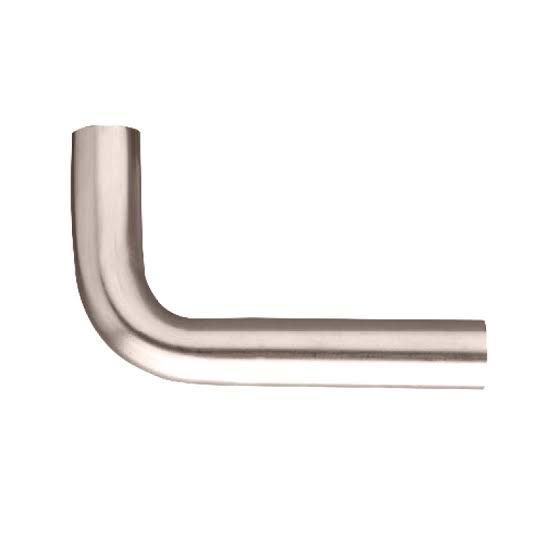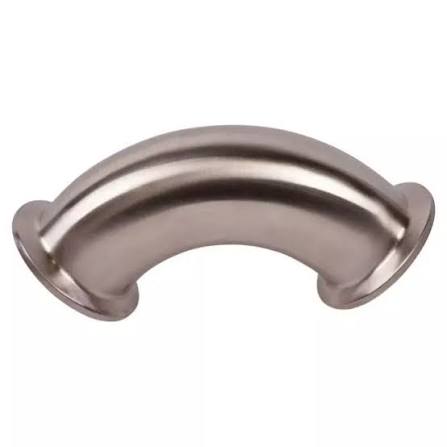
How Do You Measure an Elbow Pipe?
In piping systems, correct measurement of an elbow directly determines installation accuracy and system sealing. Whether you are a maintenance engineer or a procurement specialist, mastering standard measurement methods helps avoid size mismatches. This article explains how to measure pipe elbow length and answers the common question: what size diameter pipe for 3/4″ elbow.
1. Standard Method for Measuring Elbow Length
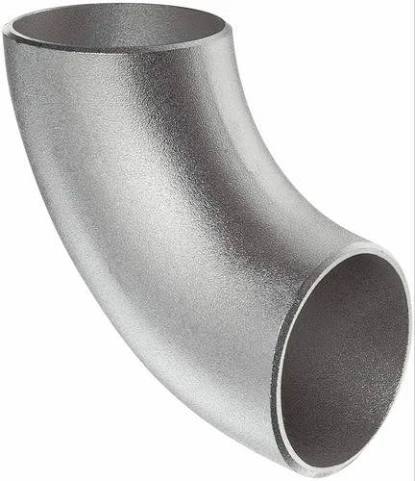
The “length” of an elbow generally refers to the center-to-face distance (CF) , which is an industry standard reference (see ASME B16.9). For long radius (LR) elbows, CF = nominal diameter (inches) × 1.5 × 25.4 (to convert to mm). Example:
-
1″ LR elbow: CF = 1 × 1.5 × 25.4 = 38.1 mm
-
2″ LR elbow: CF = 2 × 1.5 × 25.4 = 76.2 mm
Actual measurement steps:
-
Place the elbow horizontally, and press a square against one flange face (or cut face).
-
Measure vertically from the virtual center point of that face to the center point of the other face.
Pro tip: If the center point is uncertain, measure the back arc and front arc of the elbow, average them, and use geometric formulas to back‑calculate the CF. See Pipe Fitter’s Handbook (5th Ed., p.112) for the specific formula.
For short radius (SR) elbows: CF = nominal diameter (inches) × 25.4. Example: 1″ SR elbow CF = 25.4 mm, often used in tight spaces.
2. How to Match Pipe Diameter for a 3/4″ Elbow?
Users often ask: what size diameter pipe for 3/4″ elbow? According to ASME B36.10, a 3/4″ nominal pipe size (NPS 3/4) has an actual outside diameter (OD) of 26.67 mm. The inside diameter (ID) depends on wall thickness (for Sch 40, wall thickness = 2.87 mm, ID ≈ 20.93 mm). Therefore:
-
You must use pipe with an OD of 26.67 mm (i.e., NPS 3/4 pipe).
-
The elbow’s end ID is designed to match the OD of the same NPS pipe (clearance approx. 0.1–0.3 mm for welding or threaded connections).
-
Do not use a pipe with a close but non‑nominal OD (e.g., 25 mm OD aluminum‑plastic pipe); this will cause leakage or pressure failure.
3. Verification & Quality Tips
When purchasing or accepting elbows, check the marking. For example: “LR 3/4″ Sch 40 BW” means long radius, 3/4 inch, schedule 40 wall thickness, butt weld end. Use a caliper to measure the end ID and verify it matches the pipe OD (allowable tolerance ±0.5 mm). Following these methods ensures compliance with ISO 9001 and ASTM F1508.
Mastering how to measure pipe elbow length and diameter matching rules significantly reduces rework costs. Next time you encounter a 3/4″ elbow, remember to choose a pipe with an OD of 26.67 mm – this is the universal answer in the global pipe industry.