What is a Pipe Nipple? — The “Short Connector” in Piping Systems
✔️ In piping systems, a pipe nipple is a short pipe fitting with external threads on both ends, generally ranging in length from 1 inch (25.4 mm) to 24 inches (610 mm).
✔️ Its primary function is to directly connect two internally threaded fittings such as couplings, valves and elbows, or to extend pipeline length for a short distance. Unlike welded pipe sections, standard pipe nipples are machined with NPT (National Pipe Taper) or BSPT (British Standard Pipe Taper) threads. They can be screwed in manually and achieve self-sealing via thread taper.
Materials & Industrial Specifications
Stainless steel pipe nipples are widely used in chemical, food processing and high-pressure water treatment applications. The most common grades are 304 and 316L stainless steel complying with ASTM A312 standards:
- 304 Stainless Steel: Tensile strength ≥ 515 MPa, operating temperature range from -196°C to 800°C. It is suitable for general corrosive environments including potable water and low-pressure steam systems.
- 316L Stainless Steel: Contains 2% to 3% molybdenum, delivering over 40% higher resistance to chloride pitting corrosion. It is commonly applied in seawater cooling and pharmaceutical purified water systems.
Threads are manufactured in accordance with ASME B1.20.1. The threads per inch decrease from 11.5 (1/4″ NPT) to 8 (2″ NPT), enabling tighter sealing as the nipple is fastened. ✍️Wall thickness is mainly classified as Sch 40 (standard wall) and Sch 80 (extra strong wall). For instance, a 1″ × 4″ stainless steel pipe nipple in Sch 40 features an outer diameter of 33.4 mm, an inner diameter of 26.6 mm and a wall thickness of 3.38 mm, with a static water pressure rating of 1500 psi at room temperature.
Common Types & Installation Guidelines
Pipe nipples are categorized by end thread configurations:
- TBE (Threaded Both Ends): Fully threaded on both ends, designed for connecting two internally threaded fittings.
- TOE (Threaded One End): Threaded on one end, with a plain or beveled end on the other side for welded connections.
During installation, use PTFE tape or thread sealant such as Loctite 567 for sealing. Wrap the sealing material in the opposite direction of thread tightening to prevent it from being squeezed into the flow path. ✍️Never apply torque to the middle section of a pipe nipple. The stress concentration factor at the thread root reaches 3.0, and excessive torque will easily cause cracks and fluid leakage.
Combined Application with Piping Elbows & Fittings
📌Pipe nipples are rarely used alone in actual pipeline layout.
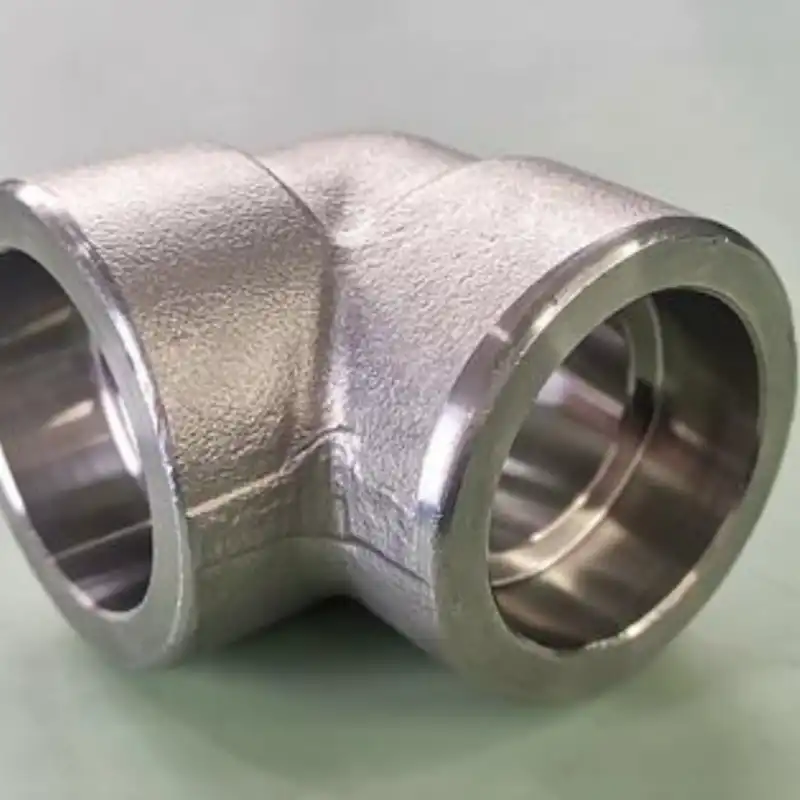
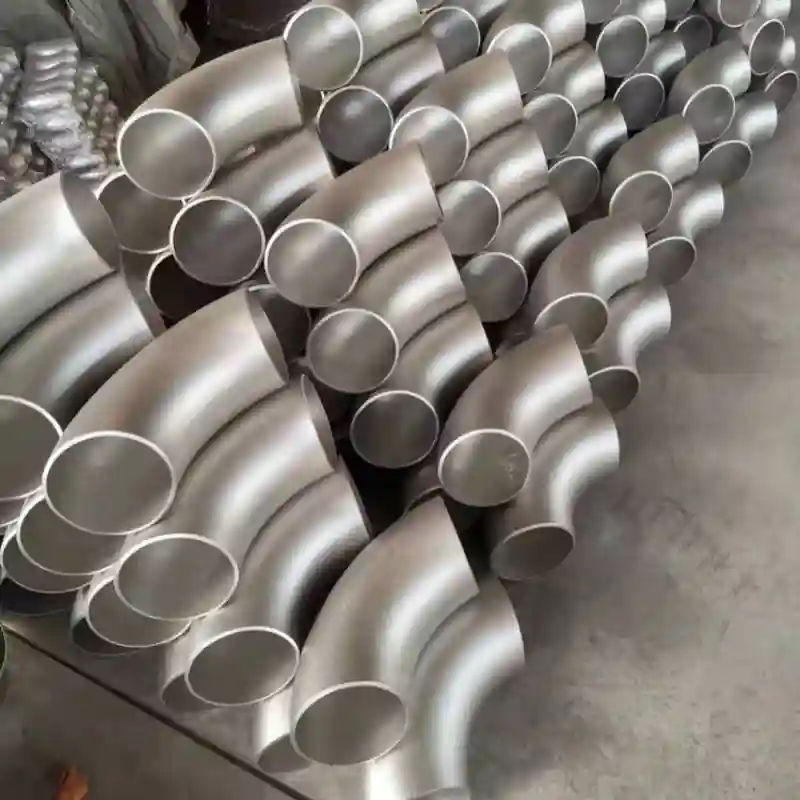
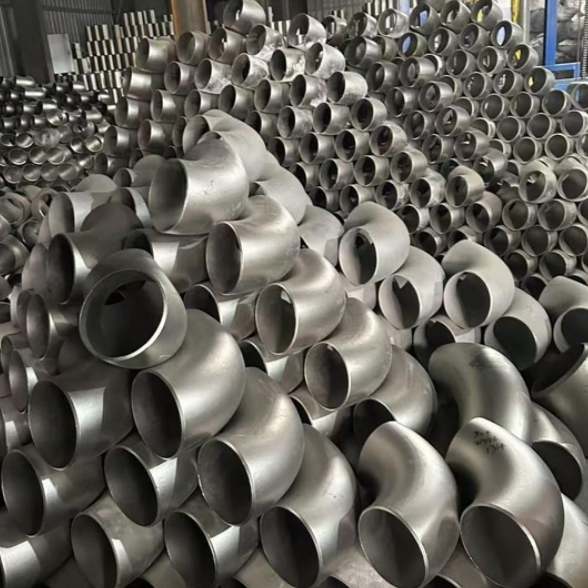
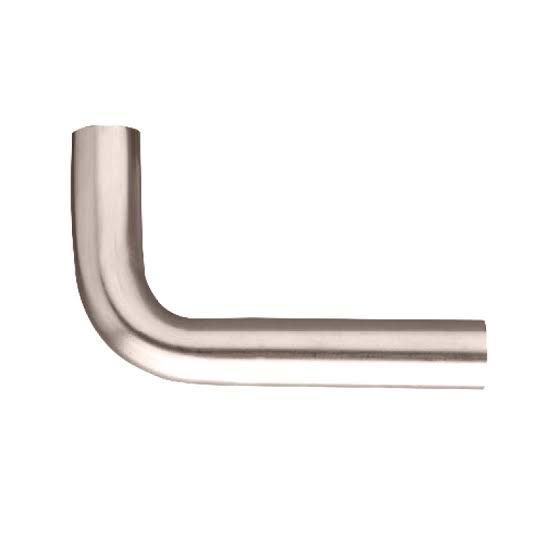
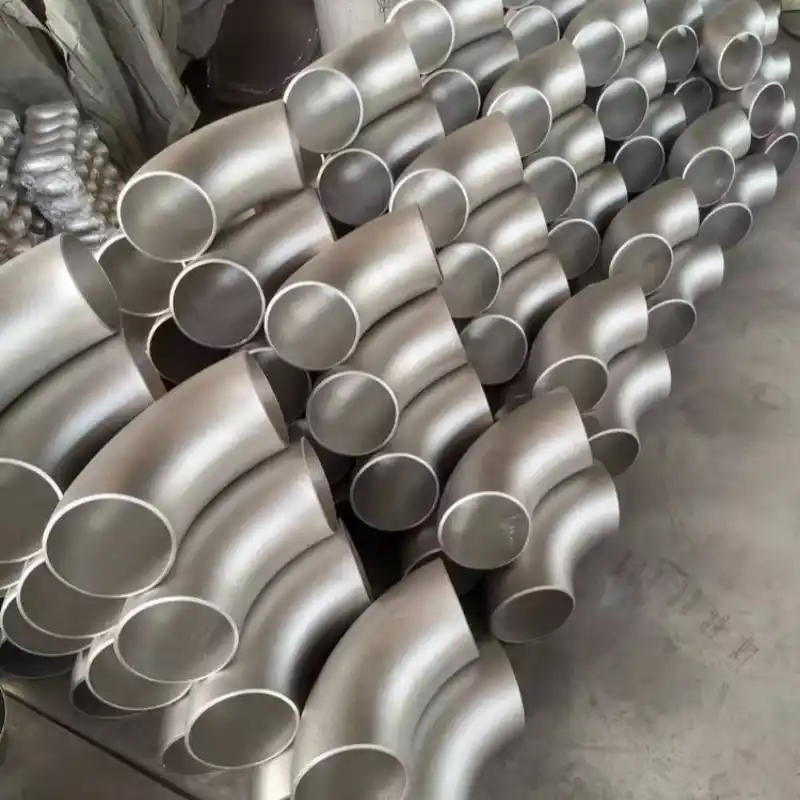
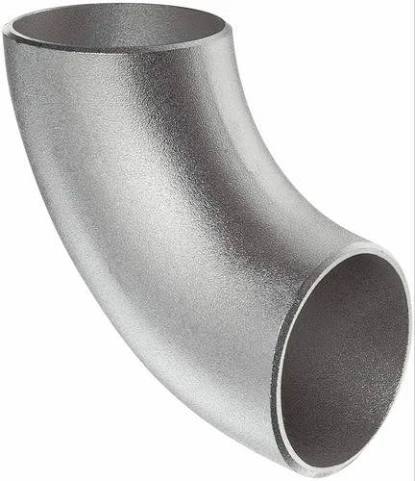
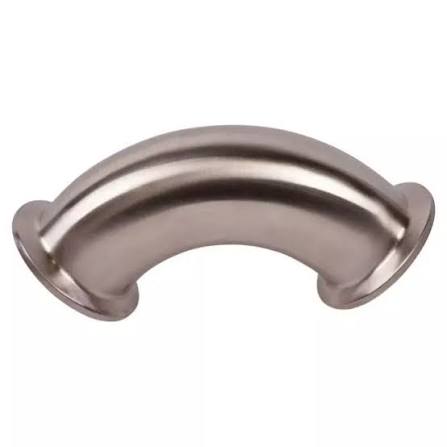
📌For example, when changing flow direction at corners, a 90° stainless steel elbow is connected to straight pipe via a pipe nipple on one end, and linked to valves or equipment with another pipe nipple on the other end. In high-purity semiconductor manufacturing facilities, polished 316L stainless steel elbows paired with 2-inch pipe nipples allow dead-leg free drainage.
📌When designing piping systems, ensure consistent specification matching among pipe nipples, elbows, tees and reducers. This is essential for reliable sealing and reduced fluid resistance.
📌AIFN Metal Technology supplies a full range of stainless steel elbows, tees and various NPT pipe nipples. All products have passed hydrostatic pressure tests at 1.5 times the rated working pressure, helping you build fully leak-proof piping solutions.