Stainless Steel Tube Schedule 40: Core Properties & Fittings and Elbow Matching Guide
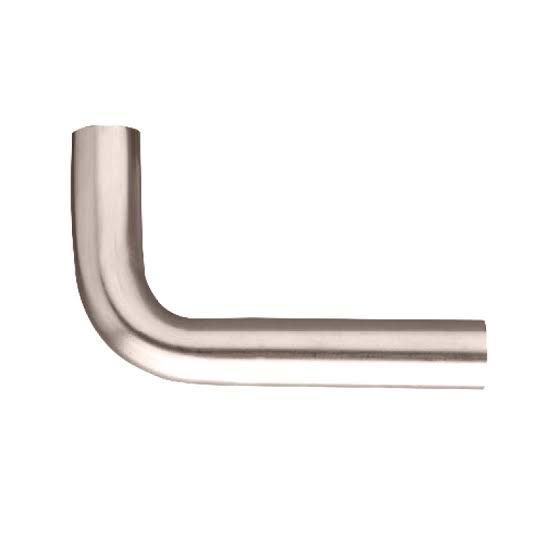
For piping system designers or maintenance engineers, understanding tube dimension standards is the first step to ensuring system safety and avoiding leaks. Stainless steel tube schedule 40 is one of the most common medium-wall stainless steel tube specifications in industrial applications, widely used in chemical, food & beverage, marine, and other scenarios.
I. Exact Parameters of Schedule 40 Stainless Steel Tube
Schedule (abbreviated as SCH) represents the wall thickness series. For stainless steel tubes, SCH 40 has strictly defined dimensions within the NPS (Nominal Pipe Size) range of 1/2″ to 12″. Take typical sizes as examples:
-
NPS 1 (OD 33.4 mm): wall thickness 3.38 mm
-
NPS 2 (OD 60.3 mm): wall thickness 3.91 mm
-
NPS 4 (OD 114.3 mm): wall thickness 6.02 mm
The material is usually 304/304L or 316/316L. For 304 stainless steel, tensile strength ≥515 MPa, yield strength approximately 205 MPa. Calculated according to the ASME B31.3 formula, the maximum allowable working pressure (MAWP) for a NPS 2, SCH 40 304 tube at room temperature is approximately 130 bar (about 1885 psi). Compared to SCH 10S (thin wall) and SCH 80 (thick wall), SCH 40 strikes a good balance between mechanical strength and welding economy, making it particularly suitable for medium-pressure (1.0–5.0 MPa) fluid systems.
II. Matching Rules with Elbows and Fittings
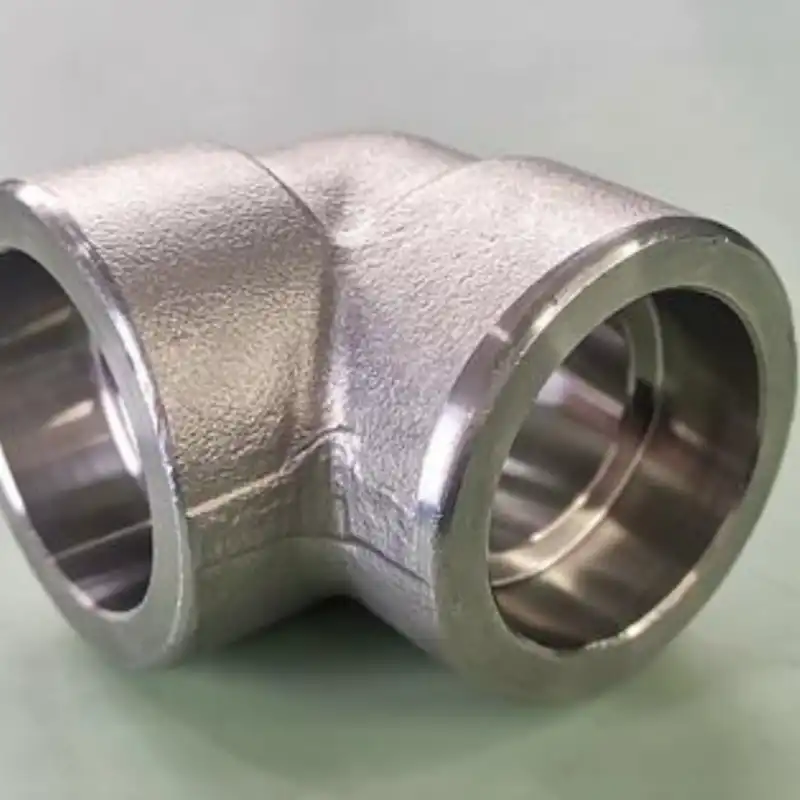
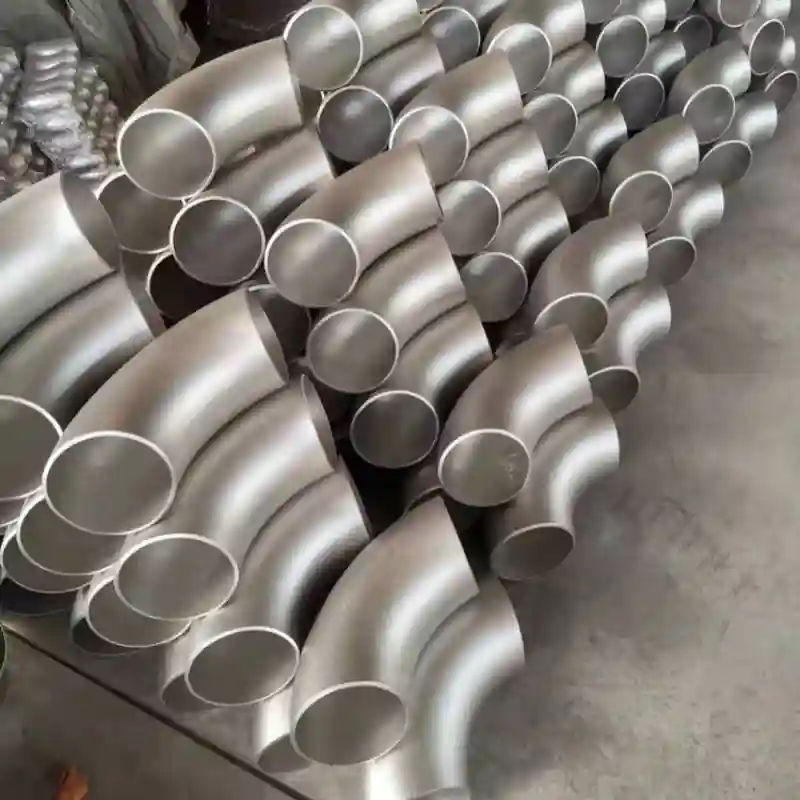
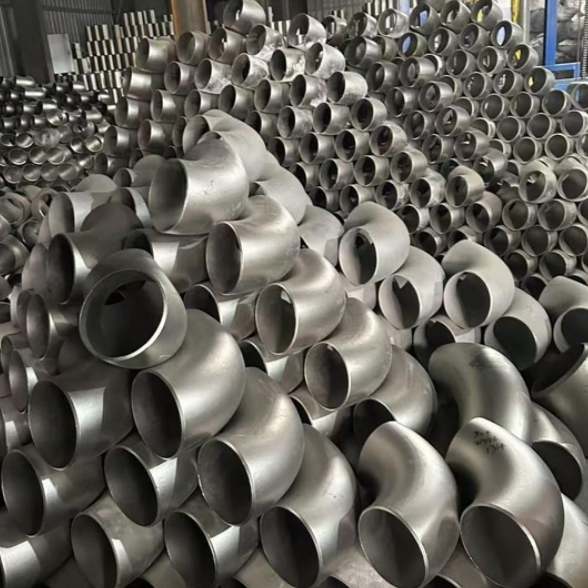
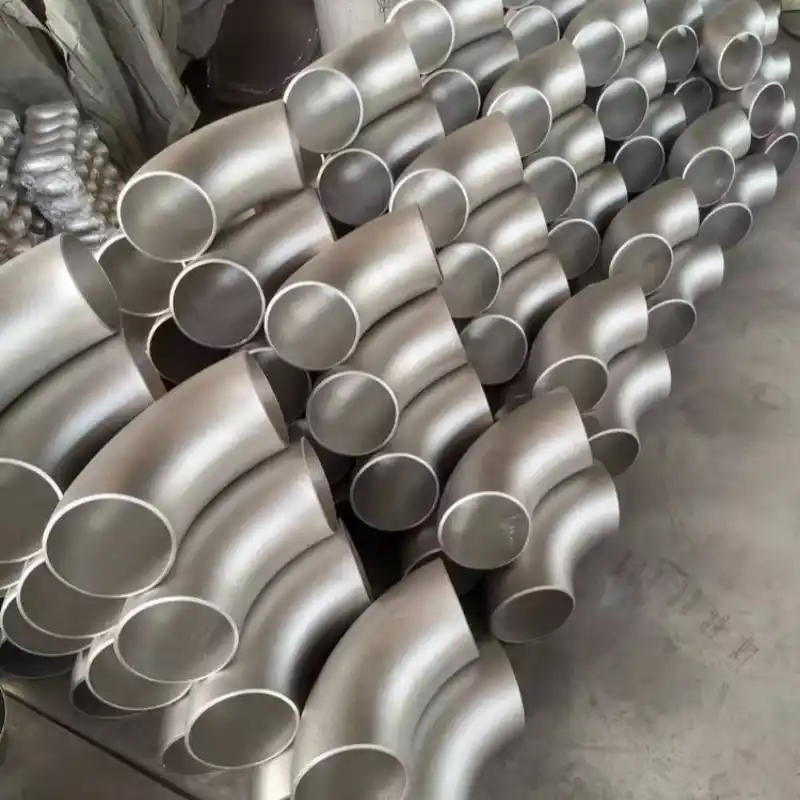
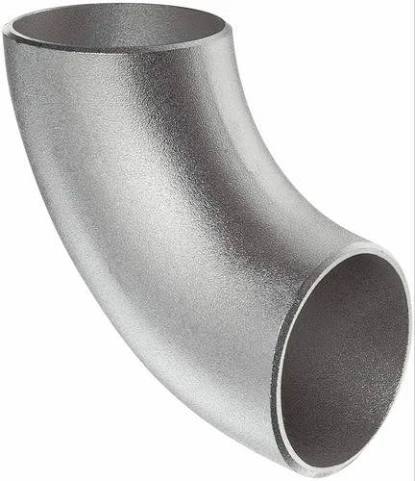
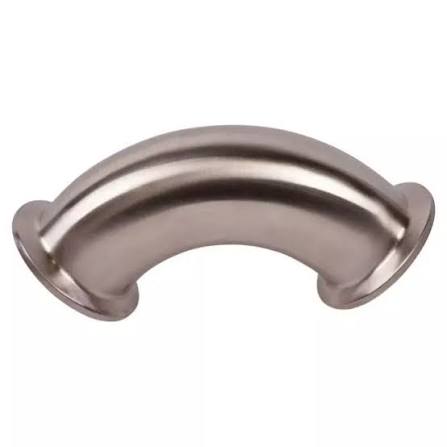
When installing 90° or 45° elbows, tees, or other fittings, the fittings must maintain the same Schedule rating and material as the tube. According to the ASME B16.9 standard, the end dimensions of butt-weld fittings must be strictly consistent with the tube’s OD and wall thickness. For example, a SCH 40 pipe must be paired with a SCH 40 butt-weld elbow; otherwise, the mismatch in edge alignment will exceed allowable limits, leading to welding defects or stress concentration.
Key parameters for elbows are the bend radius:
-
Long radius elbow (LR, 1.5D): Recommended for SCH 40 tubes, lower fluid resistance, erosion rate reduced by about 25%
-
Short radius elbow (SR, 1.0D): Used only in tight spaces, but pressure loss increases
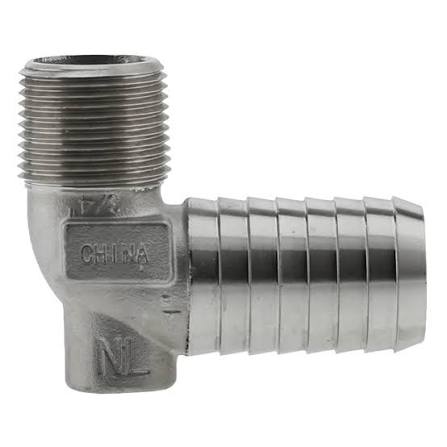
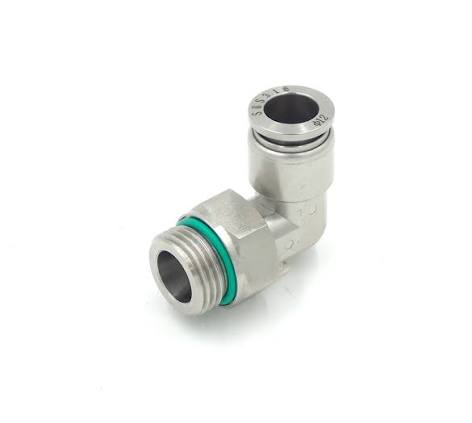
For threaded connections (NPT), they are limited to NPS 2 and smaller, and the pressure capacity is approximately 80% of that of butt-weld connections. For welding processes, TIG welding is recommended for the root pass, with filler metal matching the base material: ER308L for 304 tubes, ER316L for 316 tubes. When wall thickness exceeds 4 mm, multi-pass welding is required, with interpass temperature controlled below 150°C.
III. Engineering Selection Recommendations
When purchasing, always require the supplier to provide an EN 10204 3.1 material certificate and dimensional inspection report. For corrosive environments (e.g., media containing chloride ions), 316L (containing 2–3% molybdenum) should be selected. Practical cases show that correctly matching SCH 40 tubes with corresponding elbows can increase pipeline service life by more than 30% compared to mismatched solutions. In addition, the transition step between the elbow and the tube’s inner diameter should be ≤0.2 mm to avoid turbulent flow corrosion.
As a professional supplier of pipe fittings and accessories, we recommend clearly specifying “Schedule 40” and its referenced standard numbers at the project drawing stage. The data in this article come from authoritative standards. For specific designs, please consult an engineer based on actual operating conditions.