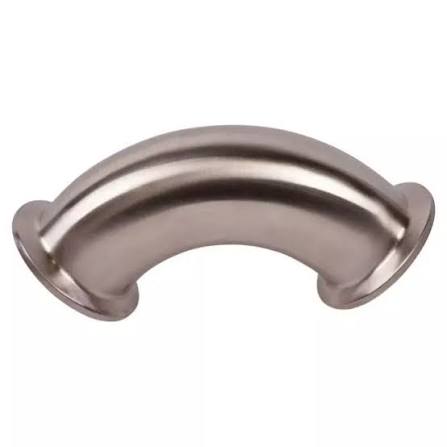
NPT vs BSP Thread: The Thread Difference and Adaptation Guide You Must Master for Stainless Steel Elbow Selection
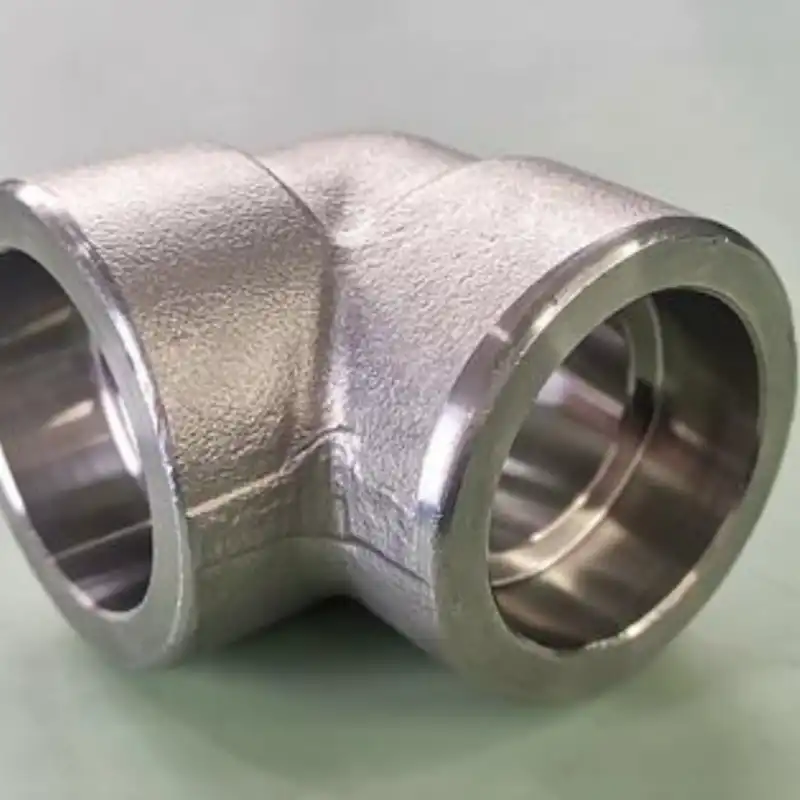
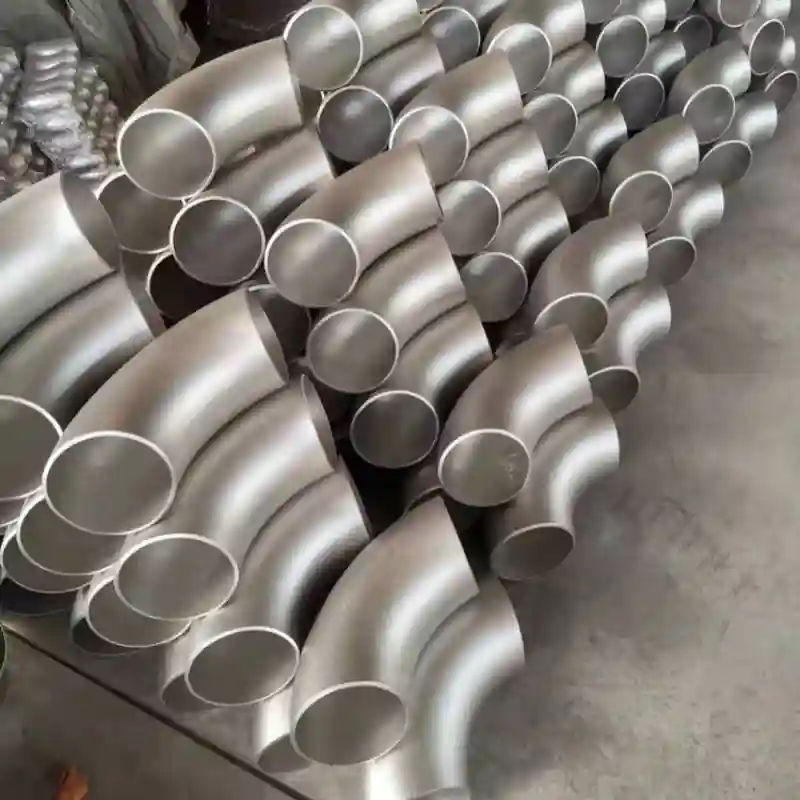
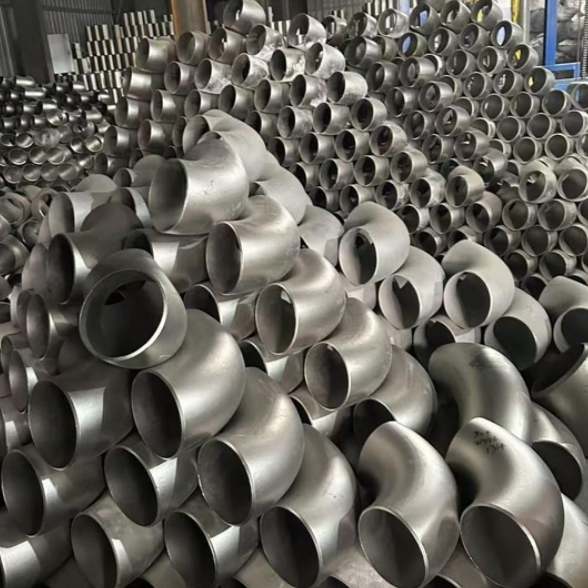
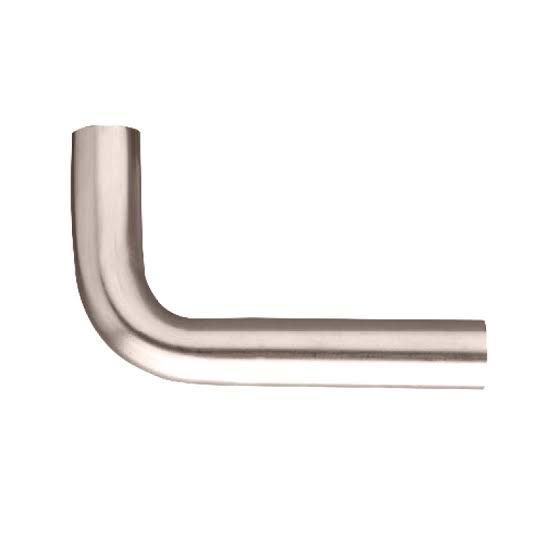
In piping systems, stainless steel elbows (90° or 45°) are used to change the direction of the medium. If the thread standard is chosen incorrectly, minor consequences include leakage, while major ones can lead to rupture of pressure-bearing components.
The two most common thread standards — NPT (National Pipe Taper) and BSP (British Standard Pipe) — look similar but are not interchangeable.
1. Key Parameter Differences
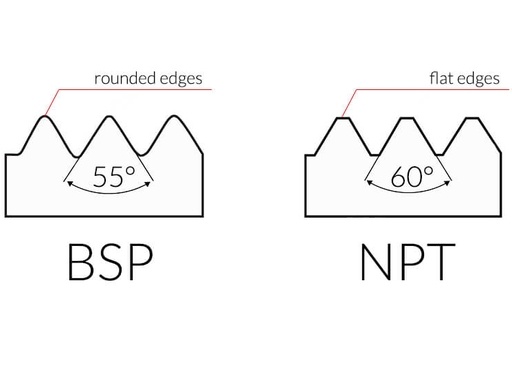
According to ASME B1.20.1 (NPT), ISO 7-1 (BSPT tapered thread) and ISO 228 (BSPP parallel thread):
| Parameter | NPT | BSPT (taper) | BSPP (parallel) |
|---|---|---|---|
| Thread angle | 60° | 55° | 55° |
| Taper | 1:16 | 1:16 | No taper (parallel) |
| Sealing method | Thread interference + PTFE tape | Thread interference + sealant | Relies on gasket or O-ring |
| Common standard | ANSI/ASME B1.20.1 | ISO 7-1 | ISO 228-1 |
Example: 1/2″ NPT has 14 threads per inch, and 1/2″ BSP also has 14 threads per inch (coincidentally the same). However, for 3/4″ NPT is 14 TPI, and 3/4″ BSP is also 14 TPI? Actual check: 3/4″ NPT has 14 TPI, 3/4″ BSP also has 14 TPI — this leads to misjudgment by some users. But the thread angles are different; forcing them together will result in only 1-2 threads in contact, causing thread stripping under pressure.
2. Practical Selection of Stainless Steel Elbows
Common stainless steel materials: ASTM A403 WP304 / WP316L, wall thickness schedules Sch10S to Sch80S. The thread ends of elbows should be clearly marked:
-
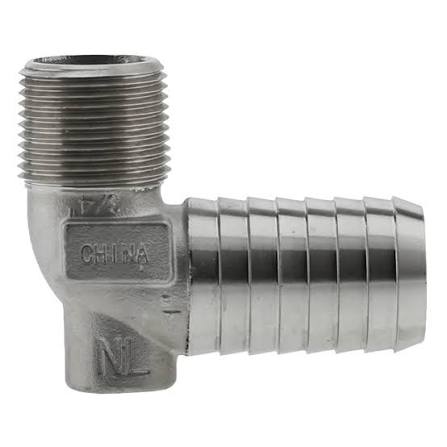
1″ NPT Female Elbow→ Used in North American market, tapered thread self-sealing, maximum pressure up to 3000 psi (Class 3000). -
1″ BSPT Male Elbow→ Used in Europe, Asia, the Middle East, requires matching tapered thread sealant.
If an NPT male thread is mistakenly screwed into a BSPP female elbow: due to the lack of taper and mismatched thread angle, 100% leakage will occur. Even though NPT and BSPT have the same taper (1:16), the 5° difference in thread angle causes the helical paths to misalign, reducing contact area by more than 70% (according to piping failure analysis data).
3. Industry Best Practices
-
Identify the original pipeline thread standard: Use a thread gauge (NPT gauge has flat tooth crests, BSP gauge has rounded tooth crests).
-
Do not rely on PTFE tape as a compensation: When pressure exceeds 200 psi, mixing threads can lead to corrosion fatigue failure within six months.
-
Adaptation solution: Use NPT-to-BSP adapters (same material as the elbow, e.g., 316L) to avoid galvanic corrosion between dissimilar metals.
Conclusion
When selecting stainless steel elbows, please confirm the thread standard first. If your piping system involves mixed equipment from China, the US, and Europe, we recommend providing thread samples or photos to our company (AIFN Pipe Fittings). We offer free thread gauge inspection and selection reports.