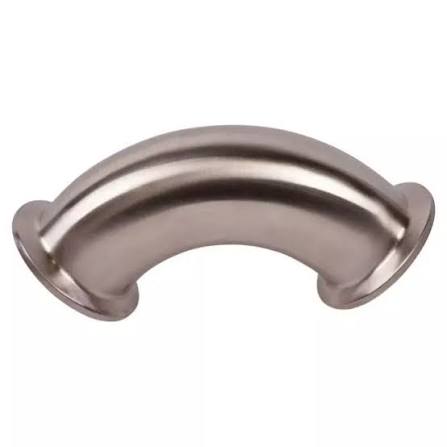
Cost Composition of 90-Degree Long Radius Threaded Elbows: From Material, Standards to Process Details
In industrial piping systems, the 90-degree long radius threaded elbow is a core component for changing flow direction. Its cost is not a single number but is determined by material grade, thread standard, pressure rating, and manufacturing tolerances. Understanding these parameters helps avoid leakage or shortened service life caused by low-cost selection.
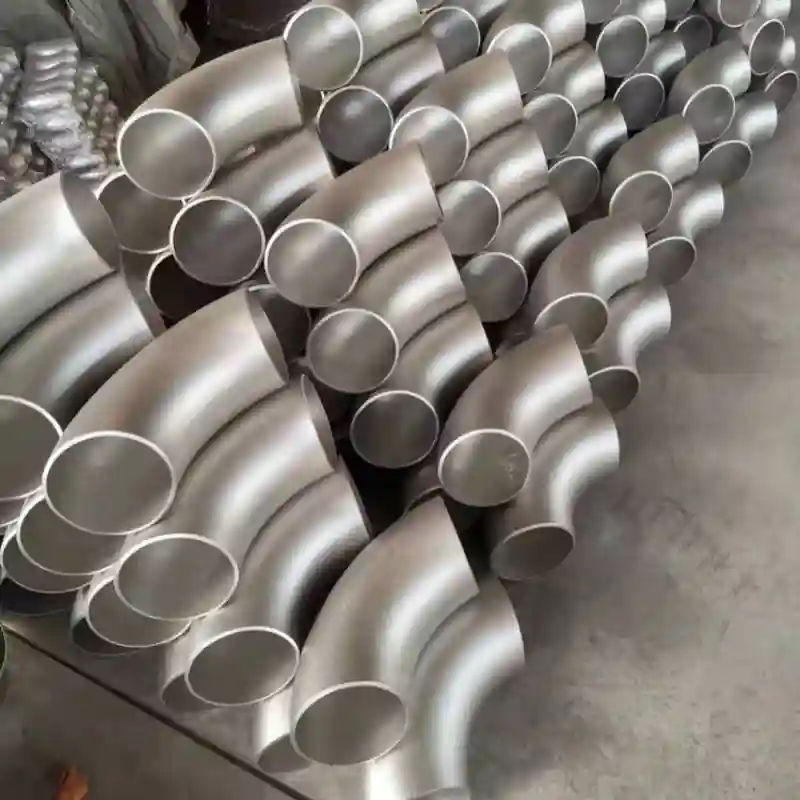
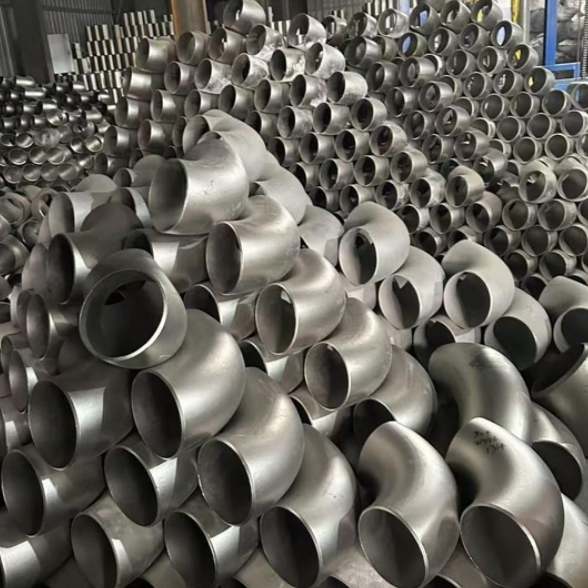
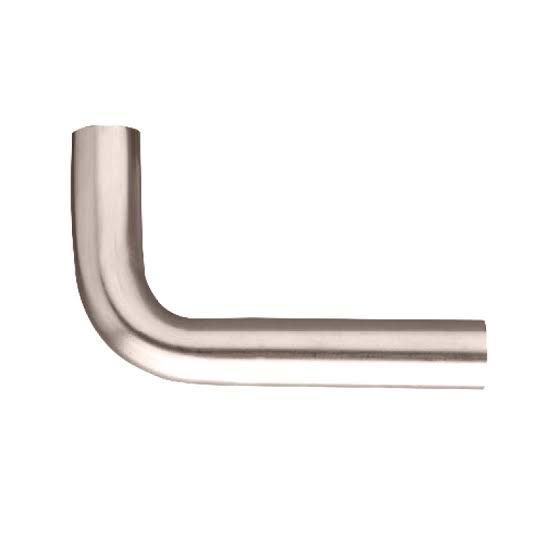
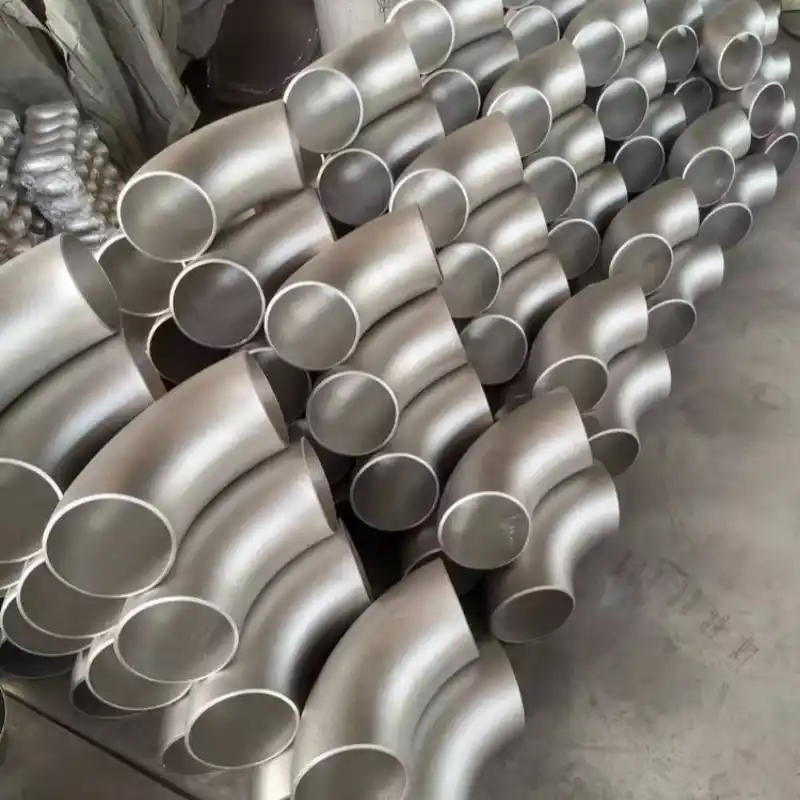
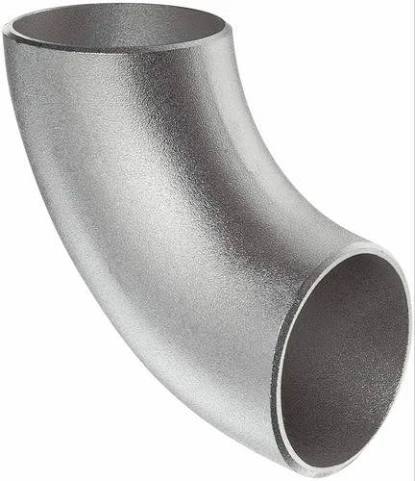
The geometric definition of a Long Radius Pipe Elbow determines the baseline cost: the centerline curvature radius of the elbow is 1.5 times the nominal bore size (1.5D). For example, a DN50 (2-inch) long radius elbow has a bending radius of approximately 76.2mm. Compared to short radius (1.0D), the long radius design reduces fluid turbulence and pressure drop, but requires more pipe blank material and more complex mandrel forming processes, so the manufacturing cost is typically 15%-20% higher.
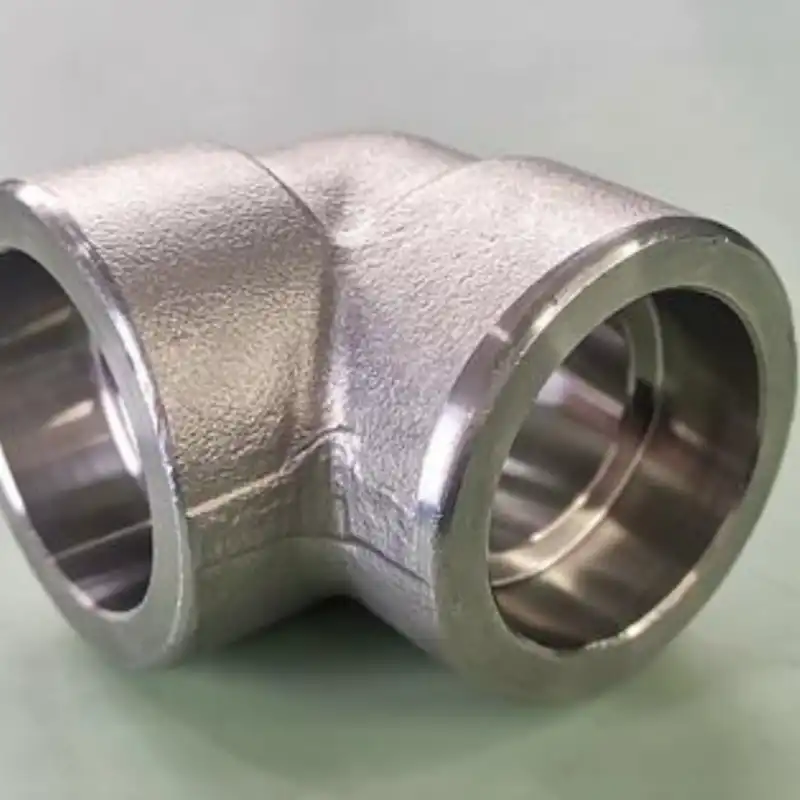
When threaded connections are used, the price of a Long Radius Threaded Elbow is also affected by thread type and precision. Common industry standards like NPT (American National Standard Taper Pipe Thread) and BSPT (British Standard Pipe Taper Thread) differ in flank angle (60° vs 55°) and taper (1:16), and mixing them leads to seal failure. High-quality threaded elbows are machined according to ASME B16.11, requiring thread pitch diameter tolerances controlled within ±0.05mm, and are galvanized or passivated to resist galling.
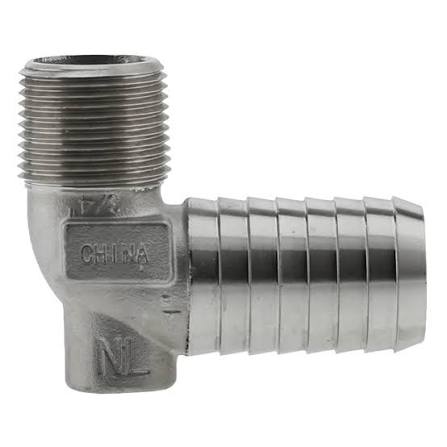
For confined spaces or series piping arrangements, the Threaded Street Elbow offers a compact design with one male thread and one female thread. Its cost is about 10%-15% higher than a standard double-female threaded elbow because the wall thickness on the male end must be specially increased to meet torque strength (typically wall thickness not less than Sch80). Such elbows are common in fire protection or instrumentation air lines, saving the need for an extra male adapter.
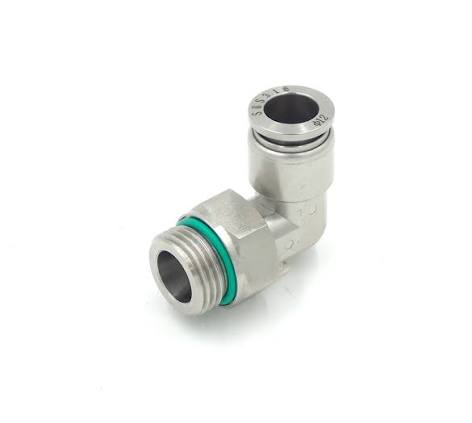
In corrosive media or hygienic applications, the SS Threaded Elbow (stainless steel threaded elbow) becomes the first choice. The material costs of 304 and 316L stainless steel are 3-5 times that of carbon steel, but 316L contains 2%-3% molybdenum, raising its pitting potential above 300mV in chloride environments. In addition, solution treatment (1050°C rapid quenching) and pickling passivation processes add about 10% to processing costs, yet they are necessary steps to ensure intergranular corrosion resistance.
In actual selection, pressure rating must also be considered: a Class 2000 (corresponding to 3000 psi) elbow has significantly greater wall thickness than a Class 150 (300 psi) elbow, and must pass hydrostatic testing and thread gauge inspection. Quotations often neglect additional options such as surface coating (e.g., PTFE anti-seize compound) or non-destructive testing (magnetic particle inspection) — these details can account for 8%-12% of the unit price but are critical for long-term operational reliability.
In summary, evaluating the cost of a 90-degree long radius threaded elbow should integrate multiple parameters including material, thread standard, pressure rating, and surface treatment, rather than just looking at the listed price. Mastering these technical details enables selecting a truly economical and durable solution for the piping system.