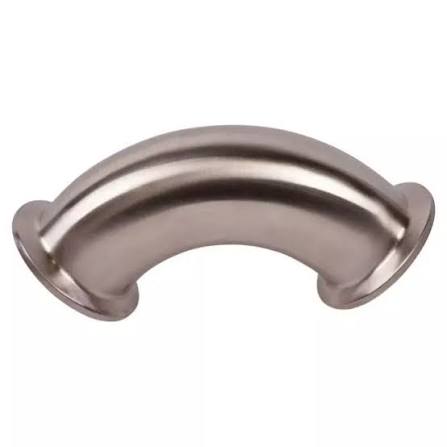
UL Stainless Steel 90 Degree Elbow: Specifications, Manufacturer Selection, and Wholesale Sourcing Guide
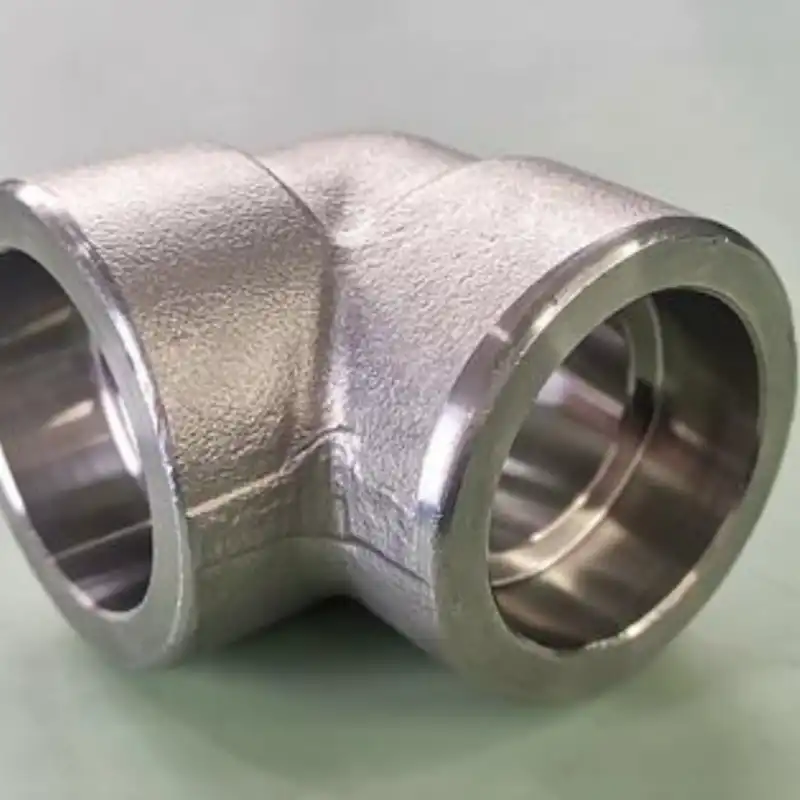
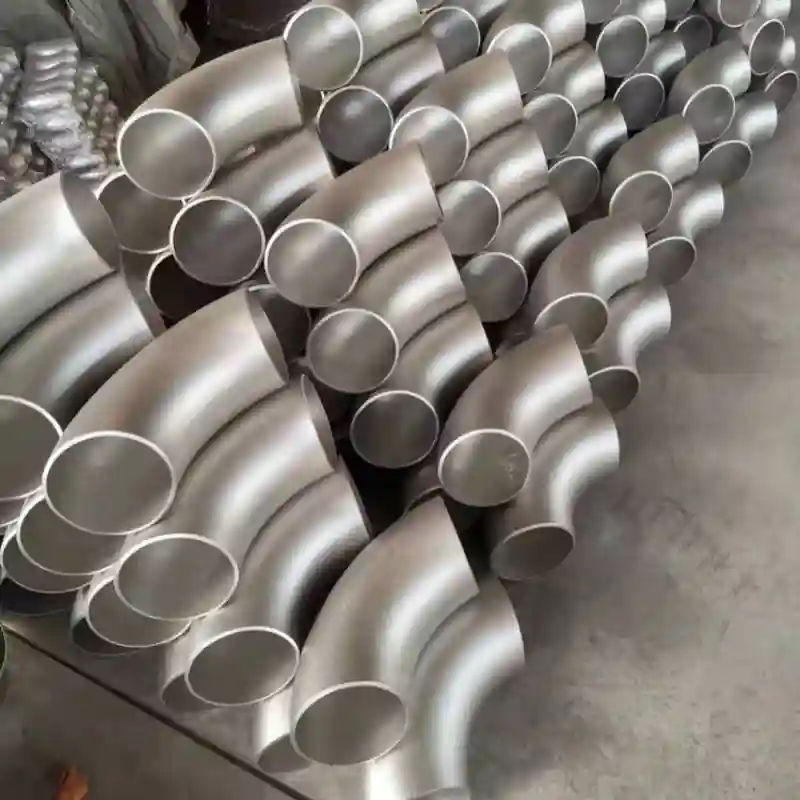
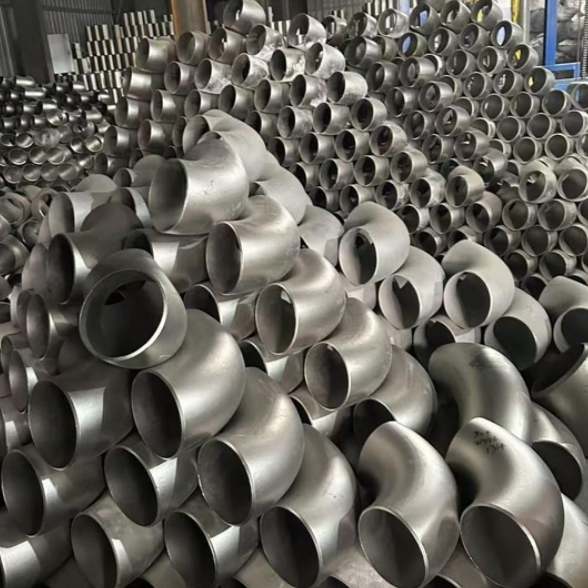
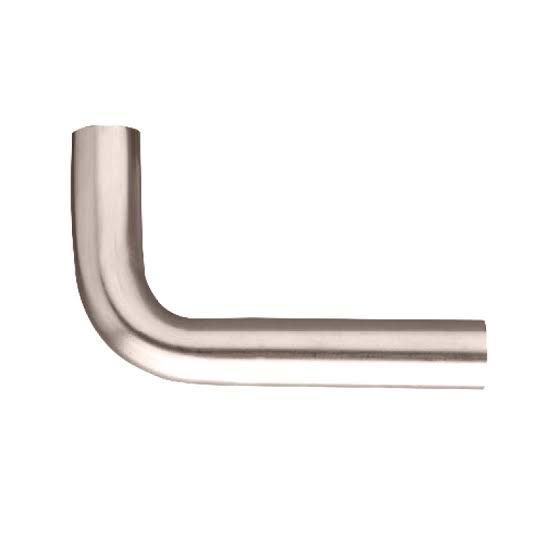
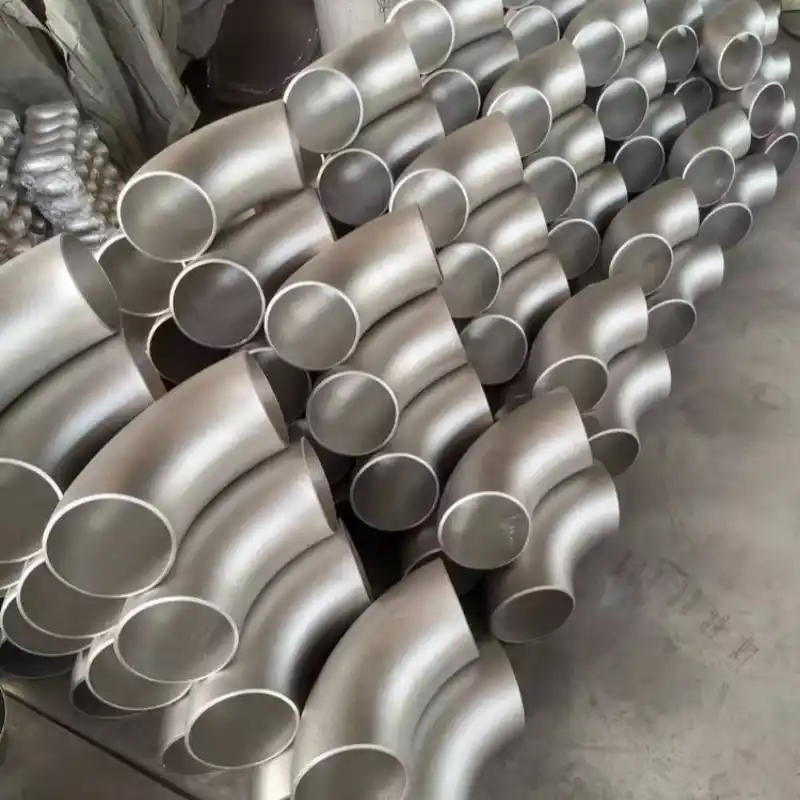
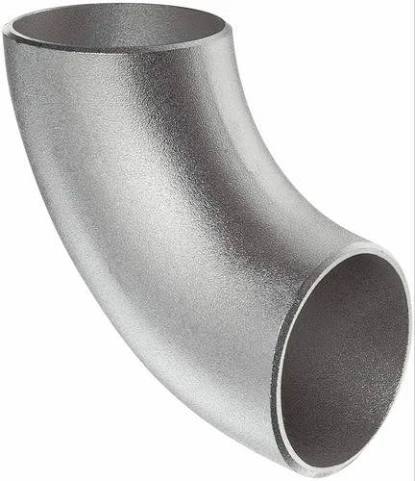
In fire protection pipelines and industrial fluid conveying systems, the 90-degree elbow is the most common directional change component. When the system requires compliance with UL (Underwriters Laboratories) standard, selecting UL certified stainless steel 90 degree elbow becomes a core engineering design consideration.
This article provides an in-depth analysis of the technical details of UL stainless steel 90 degree elbow from the perspectives of material grade, wall thickness schedule, pressure rating, and manufacturing process, and discusses how to select reliable manufacturers and grasp key points for wholesale procurement.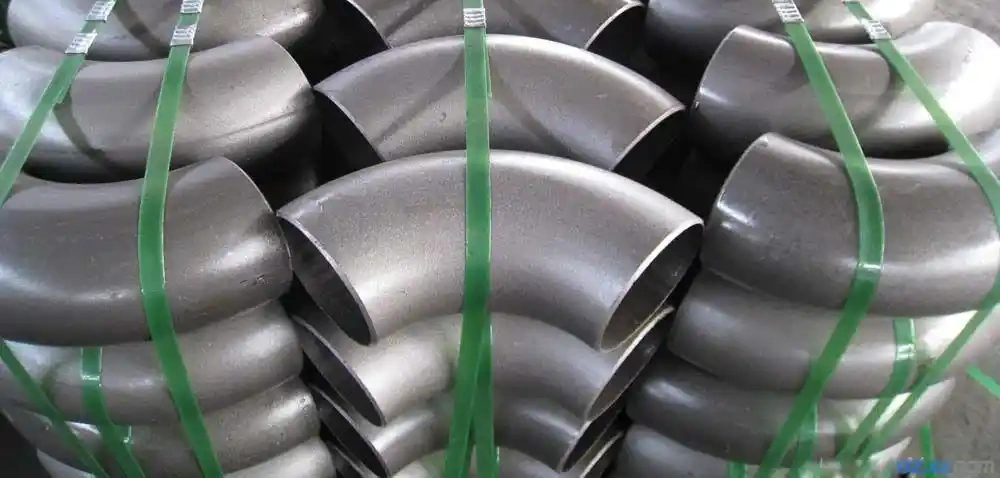
I. Core requirements for UL stainless steel 90 degree elbow
UL certification is mainly for fire sprinkler systems (standard UL 213) and flammable liquid transport pipelines (UL 2085, etc.). For stainless steel 90 degree elbow, UL standard mandates the following technical parameters:
Material grade: Typically requires ASTM A351 CF8M (equivalent to 316 stainless steel) or CF3M (316L), with molybdenum content 2.5-3.0%, pitting resistance equivalent number (PREN) not less than 25.
Wall thickness: Based on ANSI/ASME B16.9, but with additional minimum wall thickness derating factor. For example, for Sch 40S (STD) elbow, UL requires measured wall thickness not less than 87.5% of nominal wall thickness; for Sch 80S (XS), not less than 90%.
Pressure-temperature rating: At ambient temperature (100°F / 38°C), the pressure rating of 316L 90 degree elbow can reach 300 psi (Sch 40S) or 600 psi (Sch 80S). However, UL standard requires a hydrostatic test at 1.5 times rated pressure, holding time not less than 60 seconds, with no leakage or permanent deformation.
Fusion penetration: For welded elbows, the weld root must be fully penetrated. Radiographic examination according to ASME B31.1 or UL 213 appendix, acceptance criteria: no cracks, lack of fusion, or incomplete penetration; allowable porosity diameter ≤0.01 inch and spacing ≥0.25 inch.
In practical applications, design engineers often need to consult the UL certification documentation (such as UL Listing Mark) of the elbow to confirm its applicable media (water, foam, low-pressure steam) and ambient temperature range (typical value -20°F to 150°F; special low-temperature models can reach -150°F).
II. Key manufacturing processes and quality inspection data
High-quality UL stainless steel 90 degree elbow typically uses one of two forming processes:
Cold push process: Suitable for small diameters (DN15-DN100). The seamless steel pipe is hydraulically cold pushed over a mandrel, with wall thinning rate controlled within 12%. The elbow centerline radius R=1.5D (standard long radius) or R=1.0D (short radius). After cold pushing, solution treatment must be performed (heating to 1900°F±25°F then water quenching) to eliminate residual stress and restore intergranular corrosion resistance. Metallographic examination requires austenitic grain size not less than Grade 5, ferrite content controlled at 3%-8%.
Hot bending process: Used for large diameters (DN125-DN600). Uses medium frequency induction bending machine, bending temperature range 1800-2100°F, cooling method water or air. After hot bending, 100% penetrant testing (PT) or magnetic particle testing (MT) is required. The bending stress at critical locations (such as the elbow extrados) must not exceed 85% of the material yield strength.
A set of reference data from UL official test database: For a 2-inch Sch 40S 316L long radius elbow, UL documentation shows minimum burst pressure of 2100 psi (room temperature), and fatigue life exceeding 5000 cycles without cracking under cyclic pressure 0-300 psi. These data can be used as a basis to evaluate whether supplier technical documents are authentic.
III. Key evaluation points for selecting UL stainless steel 90 degree elbow manufacturers
When you search for ul stainless steel 90 degree elbow manufacturers, it is recommended to conduct technical audits from the following four dimensions:
Certification scope: Confirm whether the UL certification held by the manufacturer covers the specific diameter, wall thickness, and material grade. UL certification is divided into two levels: “Listed” and “Recognized”. Fire protection systems must use “UL Listed” products, and each batch should have UL tracking mark (usually laser etched UL mark plus control number).
Dimensional tolerance: According to ASME B16.9, elbow end outside diameter tolerance is ±1.6mm (for sizes below 8 inches), center-to-end (CtoE) dimension tolerance is ±2mm. Top-tier manufacturers control internal diameter ovality within 1.5%, while ordinary manufacturers may reach 3%. Excessive ovality will cause excessive weld mismatch, affecting fluid flow pattern.
Material traceability: Each batch of elbows must be accompanied by a Material Test Report (MTR) showing heat number, chemical composition (C≤0.030%, Mo 2.00-3.00%, etc.), tensile properties (tensile strength ≥70 ksi, yield strength ≥25 ksi), and Charpy V-notch impact value (≥20 ft-lb at -20°F).
Lead time and customization capability: Established manufacturers typically keep standard elbows below 2 inches in stock. For non-standard wall thickness (e.g., reinforced Sch 100S) or special angles (22.5°, 45°), you need to inquire about their tooling capabilities and minimum order quantity.
IV. Wholesale sourcing strategy and cost optimization
For ul wholesale stainless steel 90 degree elbow procurement scenarios, it is recommended to use the following methods to balance quality and cost:
Consolidate order quantities: Based on quarterly or annual usage, sign a framework agreement with the manufacturer. Typical wholesale discount tiers: 5% off for 100-499 pieces, 10% off for 500-999 pieces, and 15-20% negotiable for 1000 pieces or more. Note that independent third-party inspection (such as SGS or TÜV) should be required as a condition for batch release.
Consider bonded warehousing: Some large wholesalers maintain bonded warehouses of UL certified products near U.S. ports such as Houston and Los Angeles, which can reduce logistics lead time by 30-40%. Also inquire whether VMI (Vendor Managed Inventory) service is available, which is extremely beneficial for on-site material allocation on engineering projects.
Technical substitution evaluation: In non-critical fire protection areas (such as drainage branches), UL Recognized 304 stainless steel elbow (lower molybdenum content) may be acceptable, with price typically 12-18% lower than 316L. However, the project engineer must provide written confirmation that the risk is acceptable.
V. Common failure modes and mitigation recommendations
Based on incomplete statistics from global pipeline incident databases (such as EGIG, PHMSA), among UL stainless steel elbow failure cases: 32% originated from excessive negative wall thickness tolerance (i.e., manufacturer reducing wall thickness), 28% from intergranular corrosion in the weld heat-affected zone, and 19% from stress corrosion cracking on the elbow extrados (especially in chloride-containing environments). Therefore, it is recommended to require the supplier to provide the following three critical documents:
Independent ultrasonic thickness measurement report (at least three cross-sections per piece).
Microhardness test for the bent region (HV10 should not exceed 110% of the base metal).
Intergranular corrosion test for 316L material (according to ASTM A262 Practice E, no cracking after bending).
In summary, selecting a UL stainless steel 90 degree elbow is not just purchasing a pipe fitting; it is choosing a fluid solution that has undergone rigorous safety verification. From certification details to manufacturing data, to wholesale logistics optimization, each link requires professional judgment from technical procurement personnel. It is recommended that you include the above parameters as mandatory requirements in your RFQ (Request for Quotation) and cooperate with manufacturers with more than ten years of experience in UL product manufacturing.