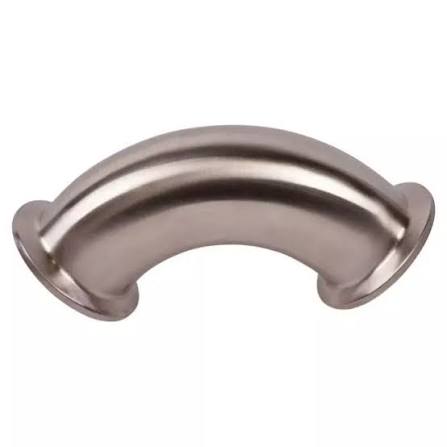
How many types of pipe elbows are there?
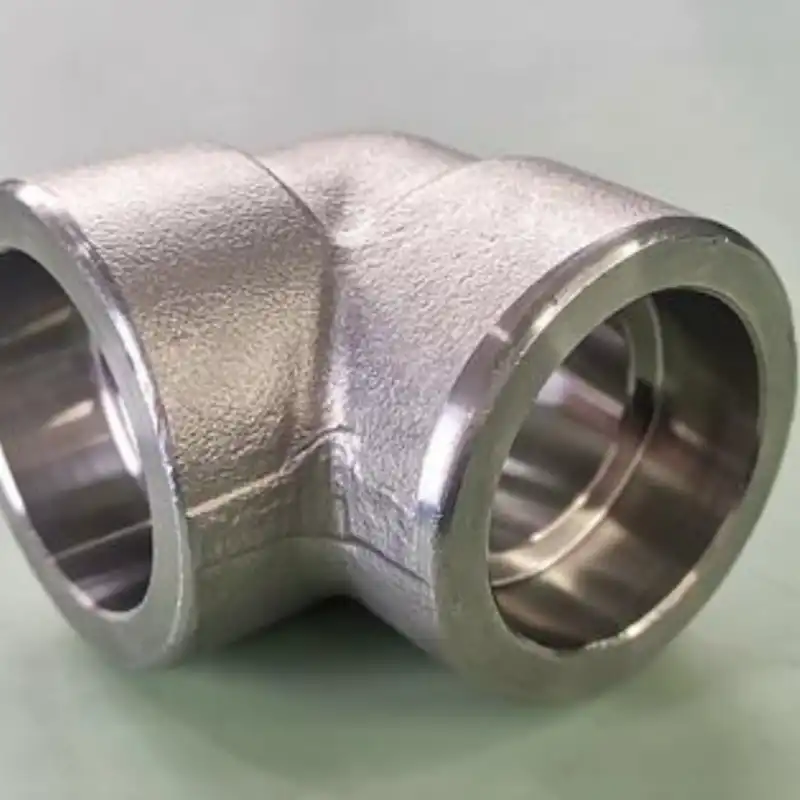
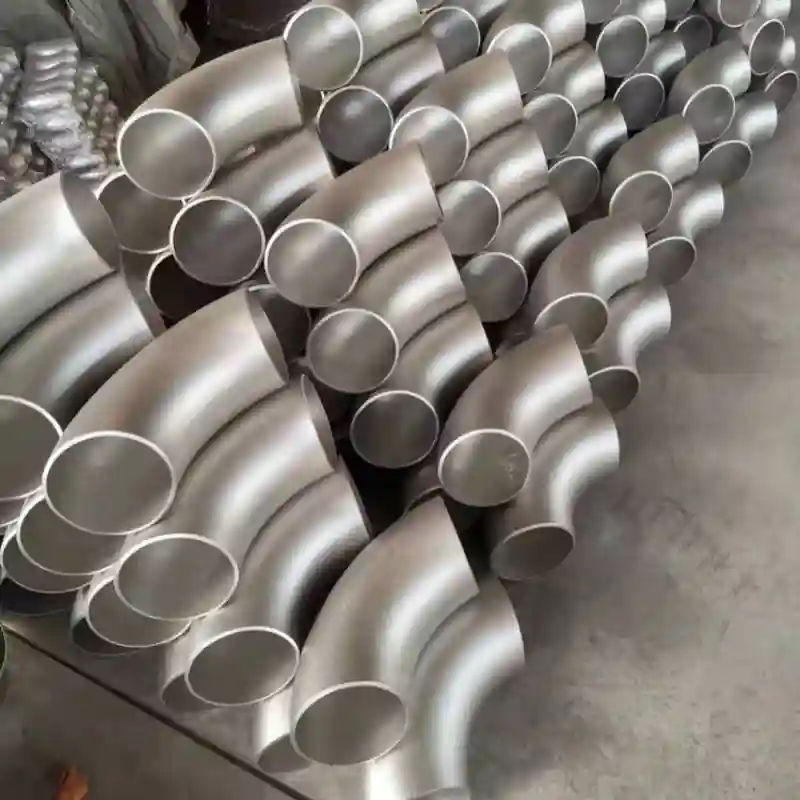
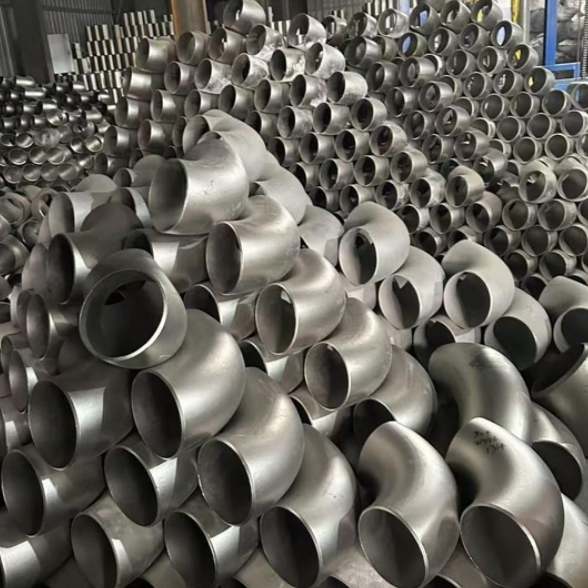
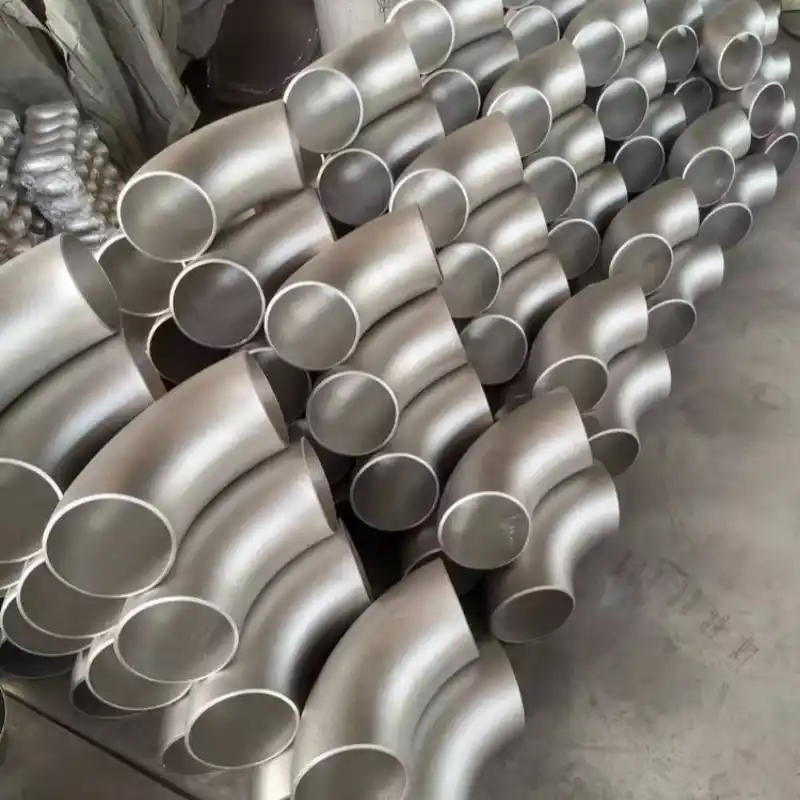
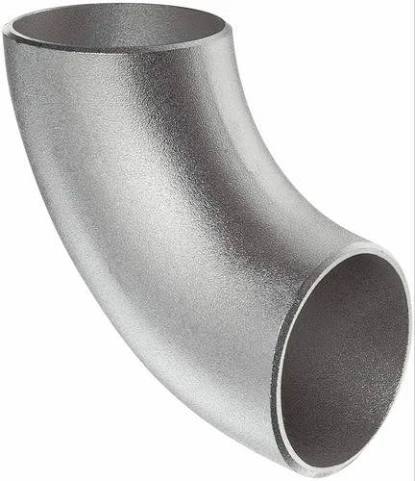
There are far more types of pipe elbows in piping systems than most people imagine. Classified by angle, the most common types include steel 45 degree elbow, steel 90 degree elbow and 180 degree pipe elbow (also known as U-bend).
Among them, 90° elbows account for approximately 65% of the global pipe fitting market (per McElroy Pipe Engineering Yearbook 2023). Besides angle, another classification criterion is bending radius: Long Radius elbow (LR, radius = 1.5 times the nominal diameter) and Short Radius elbow (SR, radius = 1.0 times the nominal diameter).
For instance, LR type elbow steel pipe can effectively reduce fluid impact and pressure loss in high-pressure steam pipelines.
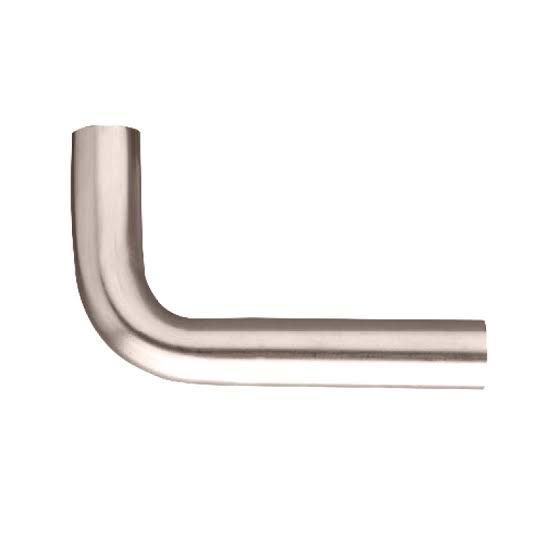
Another practical classification lies in the process difference between pipe bends and elbows. The term steel pipe bends and elbows is often used interchangeably, but strictly speaking: an Elbow is a standardized short-radius pipe fitting with angles and dimensions complying with ASME B16.9 standards; while a Bend is a continuously curved pipe section fabricated by cold bending or hot bending processes, with a customizable bending radius up to 3D, 5D or even 10D.
Data shows that pipe bends above 2D can reduce turbulent loss by 22% compared with 1.5D elbows in the petrochemical industry (Source: International Fluid Engineering 2024).
Special Challenges and Solutions in Food & Pharmaceutical Industries
Problem 1: Microbial Residue on Elbow Inner Wall
In pipelines for dairy products or bioreactors, the weld depressions and surface roughness (Ra ≥ 0.8μm) of standard elbows are prone to protein accumulation, resulting in the formation of bacterial biofilms.
Adopt electropolished 316L stainless steel elbows with inner surface roughness controlled within Ra ≤ 0.4μm (compliant with ASME BPE SF4 standard), and prioritize dead-leg-free zero-cavity tri-clamp connections. For example, after a European vaccine factory replaced with electropolished 90° long radius elbows, the pass rate of Cleaning In Place (CIP) verification rose from 89% to 99.7%.
Problem 2: Insufficient Flow of Cleaning Fluid at Elbows
When adopting 1.0D short radius 180 degree pipe elbow, the flow velocity at the inner side wall is only 40% of that at the pipe center, forming blind cleaning zones.
It is mandatory to use long radius elbows with R≥1.5D in food-grade pipelines and install additional CIP spray balls. For existing installed systems, 3D laser scanning can be applied to assess dead legs, followed by replacement with sanitary steel 45 degree elbow equipped with drain holes (slope 1:100). Statistics indicate this method can lower cleaning fluid residue to below 0.02 ml/cm²