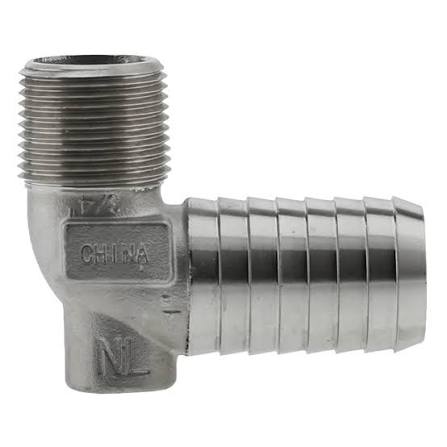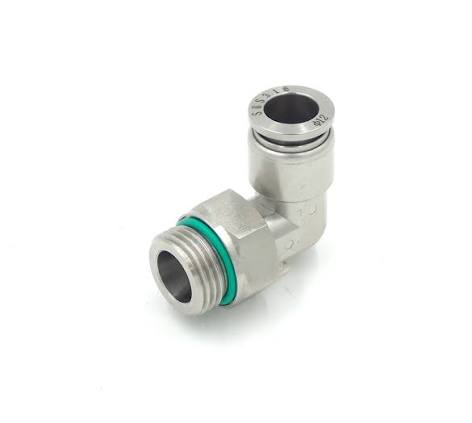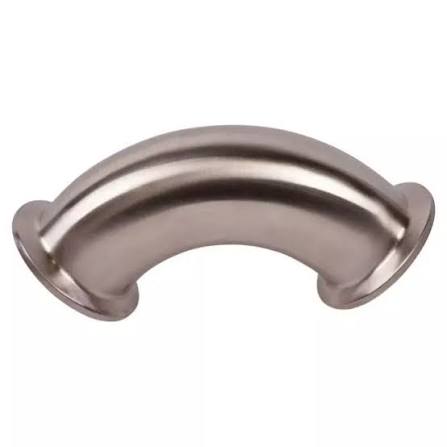
What are elbow pipes used for?

What are elbow pipes used for?

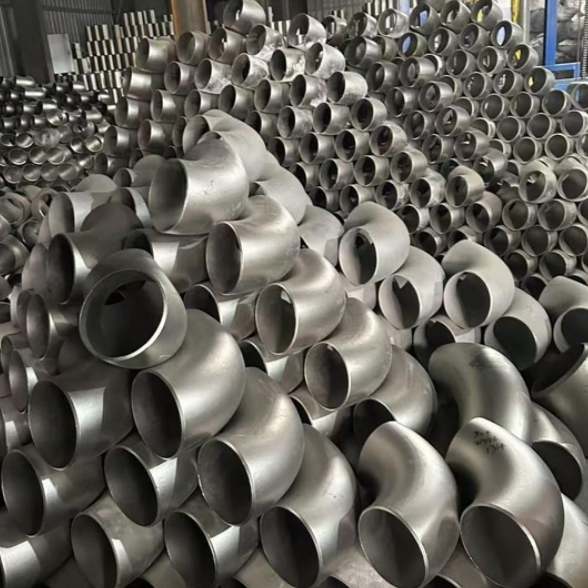
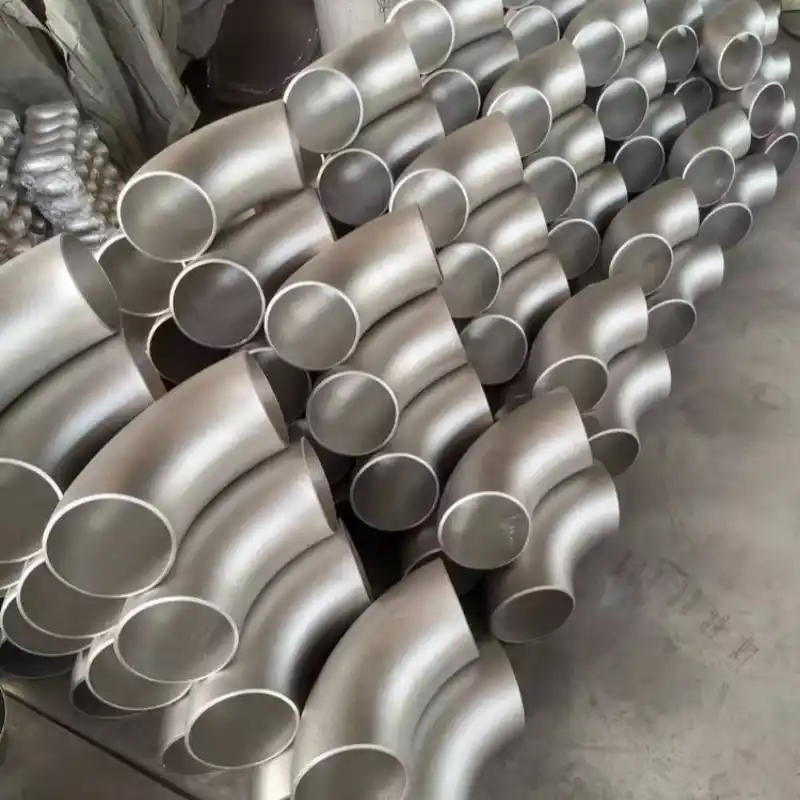
In power plants (including coal-fired, gas-fired, nuclear and concentrated solar power stations), elbow pipe fittings play a vital role in changing medium flow direction, compensating for thermal displacement and reducing stress concentration within the piping system.
Unlike conventional civil pipelines, operating conditions in the power industry are characterized by high pressure (up to 42MPa), high temperature (above 540℃), and highly abrasive media such as pulverized coal and fly ash. Combined with two common operational challenges, this article illustrates the engineering value of specialized elbow types.
Common Issue 1: Excessive support and hanger stress caused by thermal expansion of main steam pipelines

High-temperature steam triggers axial elongation of straight pipe sections. Reliance solely on conventional elbows to absorb displacement tends to generate low-cycle fatigue cracks at weld joints.

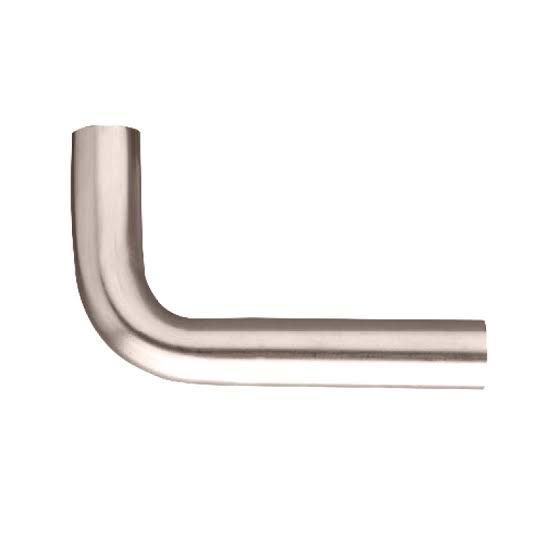
Solution: Adopt s elbow pipe in combination with swivel elbow pipe fittings.

Featuring a double reverse bending structure, the s elbow pipe delivers large deflection compensation. It generally adopts a bending radius of 5 times the pipe diameter (R=5D), which cuts end restraining force by approximately 70% compared with ordinary standard elbows (R=1.5D).

Swivel elbow pipe fittings support 360° azimuth fine adjustment during installation, eliminating additional stress induced by alignment deviation. After application on a 660MW supercritical unit, the thermal stress amplitude dropped from 285MPa to 98MPa, fully complying with ASME B31.1 code requirements.

Common Issue 2: Rapid wear and perforation on the back side of elbows in coal conveying pipelines

When the flow velocity of pulverized coal reaches 25m/s, the outer wall of ordinary elbows may thin to 40% of the original wall thickness within three months.

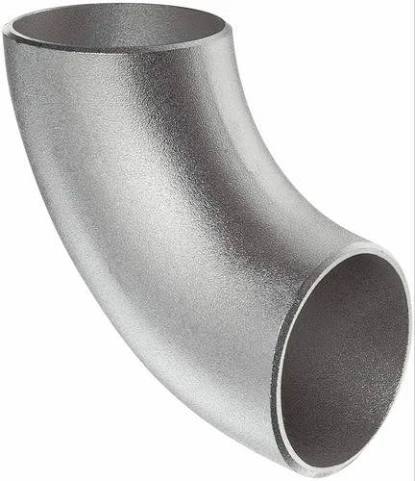
Solution: Select shoe elbow pipe matched with 90 degree elbow pipe fitting.

The shoe elbow pipe is equipped with a reinforced wear-resistant layer on the outer curved surface, such as double-layer Stellite alloy hardfacing with a hardness of HRC55-62 and a maximum thickness of 12mm. Its service life is 5 to 8 times longer than that of ordinary carbon steel elbows. Meanwhile, the 90 degree elbow adopts a long-radius design (R=1.5D, instead of short-radius R=1.0D) to reduce the impact angle of pulverized coal. This optimization reduces the wear rate from 0.25mm per thousand hours to 0.08mm per thousand hours.
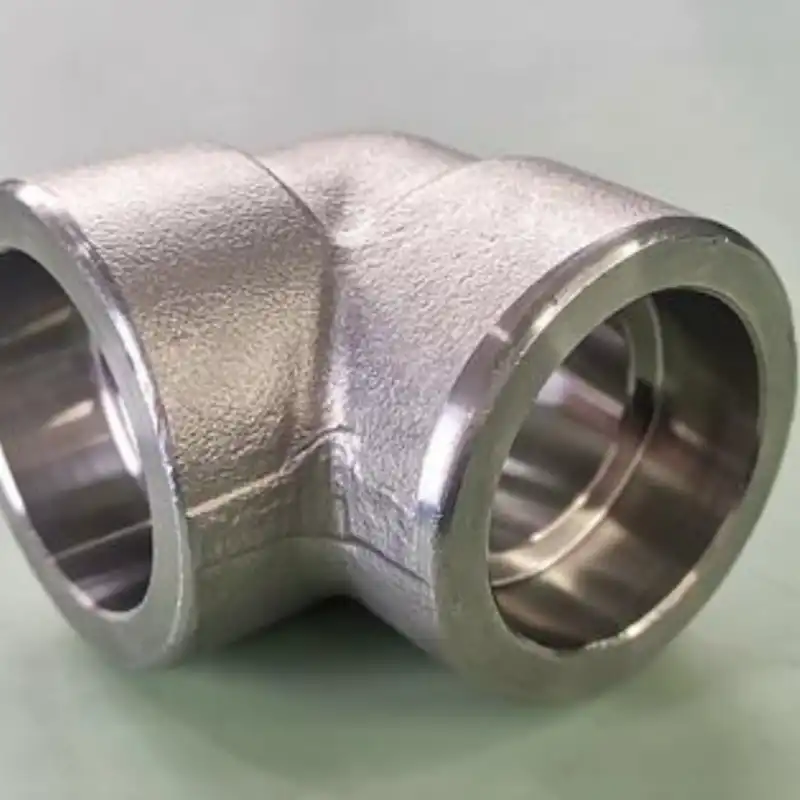
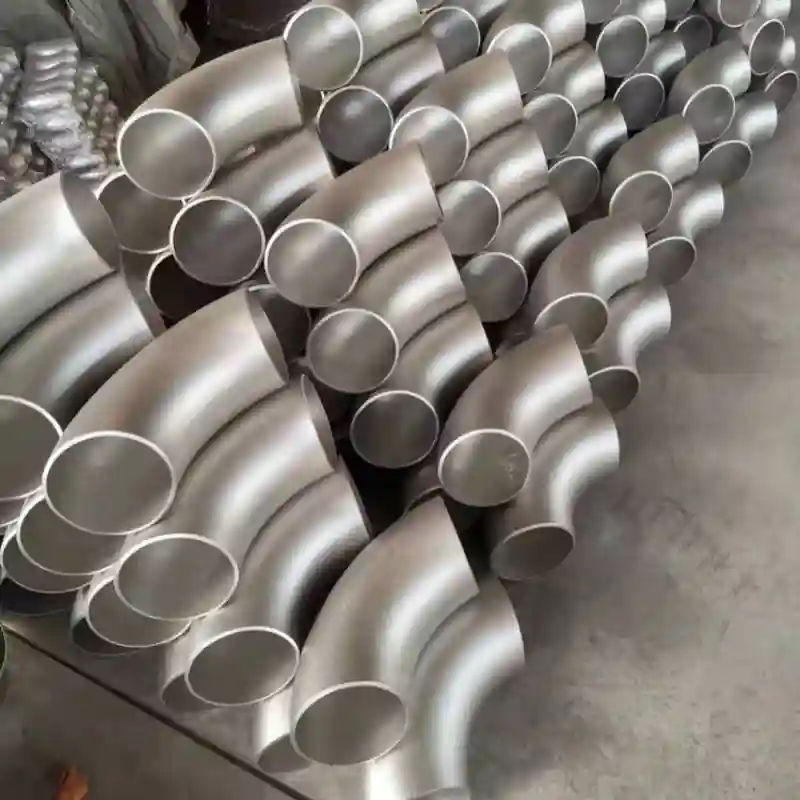
Compared with standard elbow pipe, this matching design balances installation space constraints and long-term service durability.
For power engineering projects, proper selection of S-shaped, shoe-type, swivel and 90° long-radius elbows addresses thermal expansion and abrasion challenges with minimal pressure loss. Parameter verification is recommended in accordance with ASME B16.9 and industrial power plant material specifications such as DL/T 515.

Related Posts

8e4a34c0 d109 4f8b b666 7366a3a5b47a

Explore Our Full Product Range

Best Selling Products