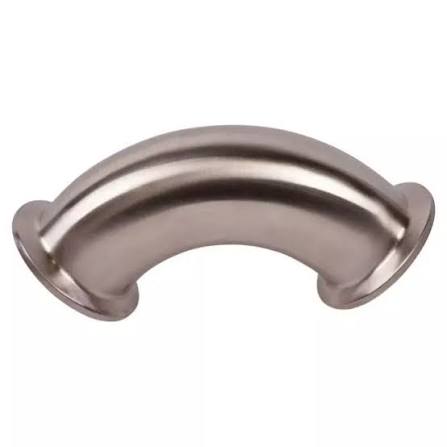
Do bends reduce water pressure?
In the environmental protection and water treatment industry, pressure loss within piping systems directly impacts energy consumption and operational efficiency.
The answer is: elbows do reduce water pressure.
When fluid flows through an elbow, changes in flow direction create local turbulence and frictional resistance, resulting in head loss. However, scientific selection and rational layout can effectively minimize such adverse impacts.
How significant is the pressure loss?
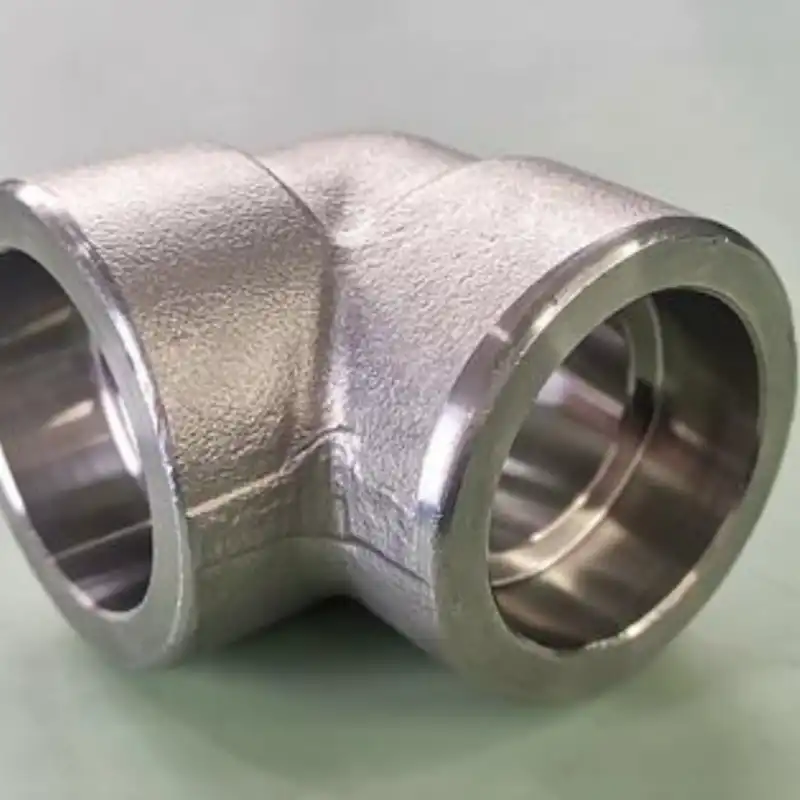
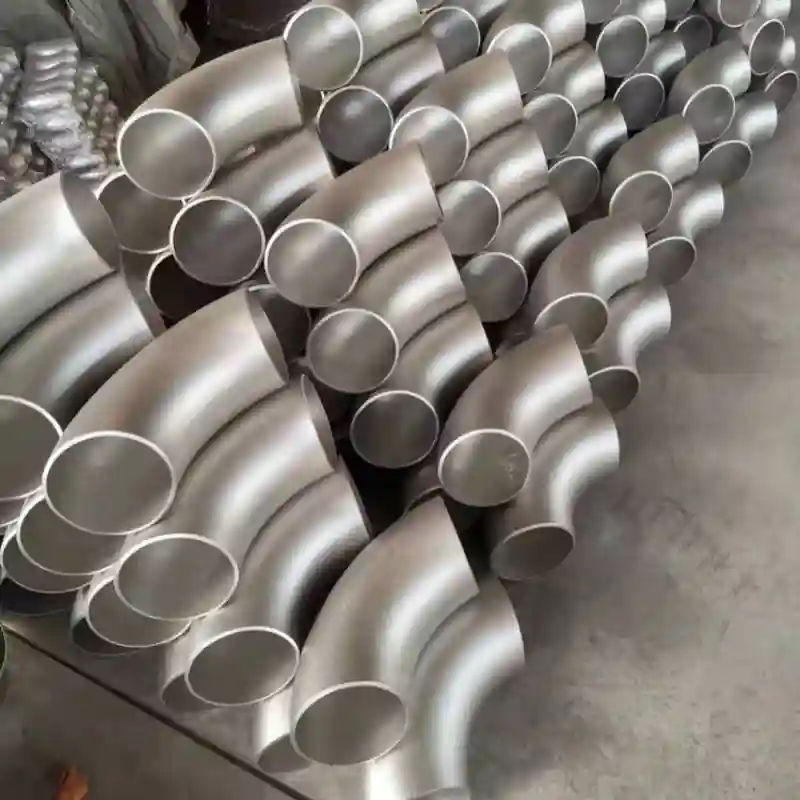
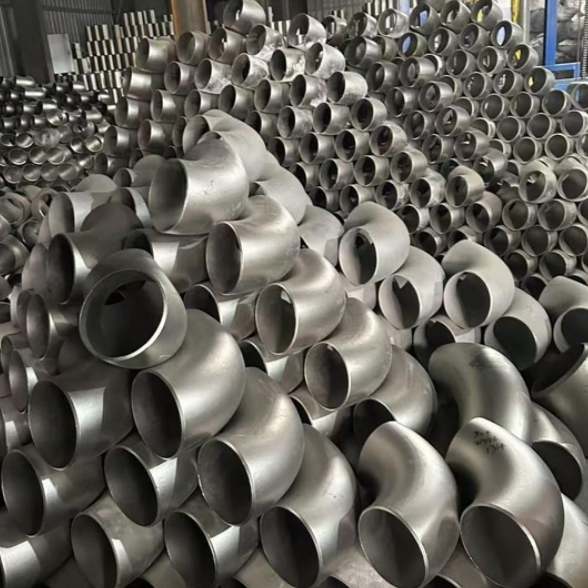
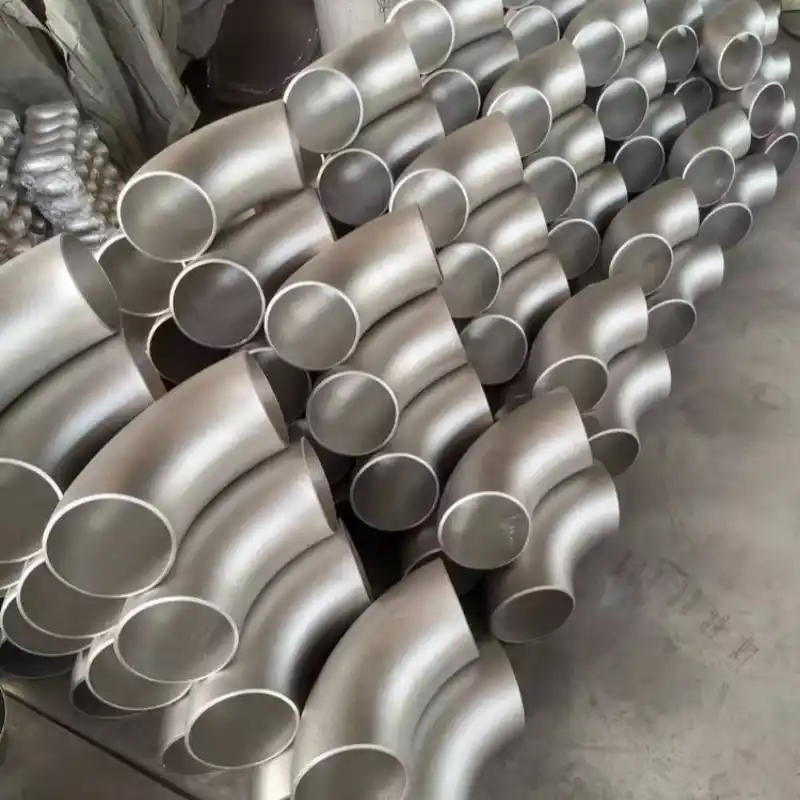
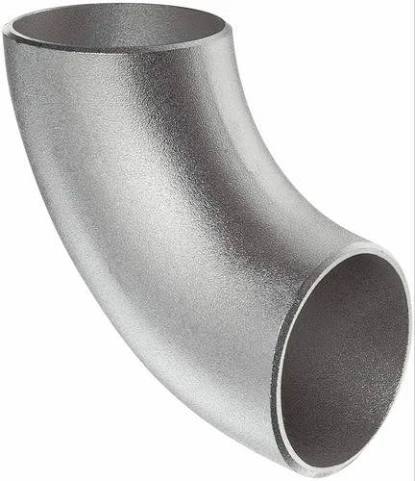
According to empirical fluid mechanics formulas, a standard elbow pipe 90 degrees features an equivalent length approximately 30 times the pipe inner diameter. Taking a DN100 (4-inch) pipeline as an example, the pressure drop generated by a single 90° elbow is equivalent to roughly 3 meters of straight pipe.
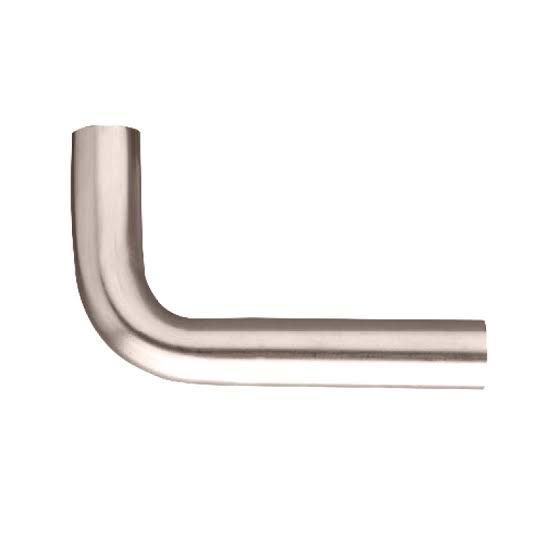
Combining two 90° elbows for a 180° flow reversal doubles the total pressure loss. In contrast, an integrally formed 180 degree pipe bend (bend radius R=1.5D) has an equivalent length of only 45 times the inner diameter (around 4.5 meters of straight pipe) while achieving the same flow deflection. Its pressure loss is approximately 25% lower than that of two combined 90° elbows.
Optimization Solutions for Water Treatment Scenarios
For pump stations, reverse osmosis pretreatment and circulating water systems, the following recommendations apply:
- Long-radius bends: Such as 4 inch 180 degree bend (R=6 inches, 1.5D) with smooth, weld-free inner walls to reduce eddy current formation. Its measured pressure loss coefficient ζ=0.2, compared with ζ=0.9 for conventional 90° elbows.
- Corrosion-resistant materials: In chemical dosing and heat recovery pipelines, 180 degree copper bend delivers long-term low-resistance performance thanks to copper’s ultra-low surface roughness (0.0015mm) and biofilm resistance. It cuts additional friction loss by 8%~12% compared with carbon steel elbows.
Common Challenges and Solutions in Environmental Protection Applications
Problem 1: Excessive elbows raise pump energy consumption and indirectly increase carbon emissions. How to optimize?
Solution: Redesign piping layouts with hydrodynamic principles. Replace sharp-angle piping combinations with long-radius 180° bends and limit the total number of elbows.
For instance, Yangtze River Sewage Treatment Plant replaced 6 pieces of 90° elbows at lift pump outlets with 3 pieces of 4 inch 180 degree bend. On-site testing showed total head loss dropped from 4.2 meters to 2.8 meters, saving 12,000 kWh of electricity annually and cutting CO₂ emissions by about 9.4 tons.
Problem 2: Small-diameter elbows in rainwater harvesting and constructed wetland pipe networks are prone to clogging and difficult to clean.
Solution: Adopt 180 degree copper bend matched with detachable flanges. Copper material restrains algae adhesion, and the large arc design (R≥1.5D) allows pass-through of mop-type cleaning balls.
It is also recommended to install pressure monitoring points downstream of elbows. Physical cleaning is triggered automatically when the pressure differential exceeds 0.3bar, eliminating the need for chemical agents and fully complying with green water treatment standards.
Professional Recommendations
Calculate the Reynolds number and local resistance coefficient for each project. A key reference: one elbow pipe 90 degrees causes pressure loss equal to 0.5 meters of water column at a flow velocity of 0.9 m/s. Prioritize integrally molded, smooth-walled 180° bends with a bend radius no less than 1.5 times the pipe diameter — the optimal standard for balancing installation space and energy efficiency.