What is the difference between a
90° elbow and a 90° pulling elbow?
In electrical conduit wiring projects, both 90° elbows and 90° pulling elbows are used to change the pipeline direction, yet they have completely different functional positioning.
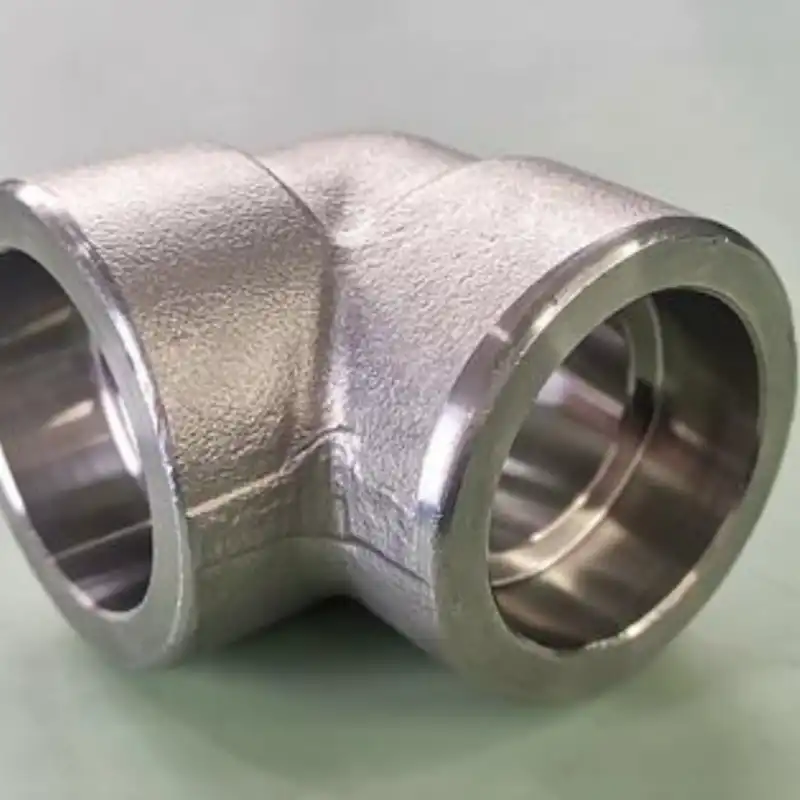
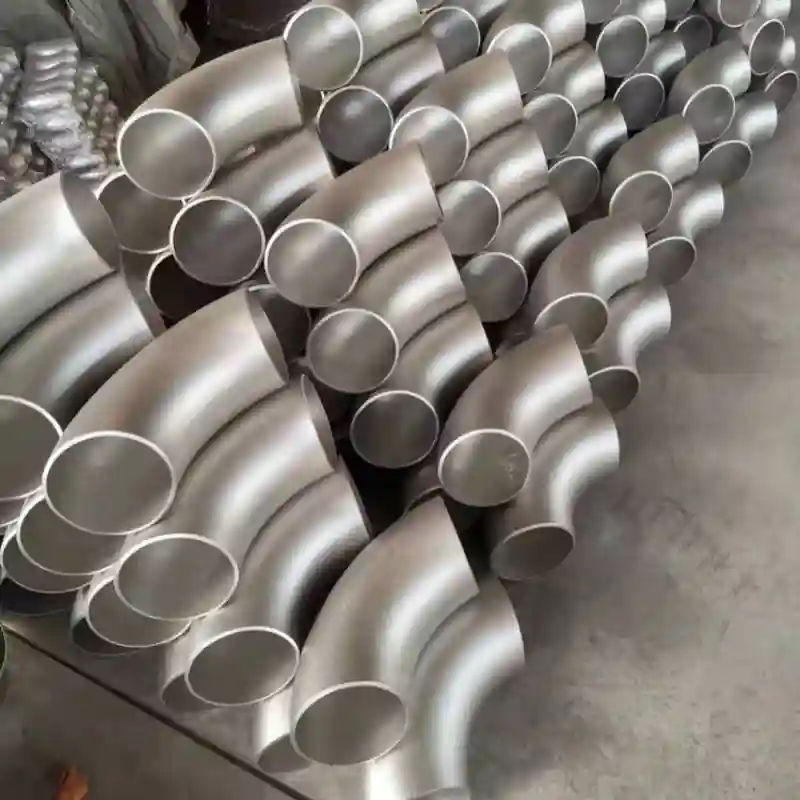
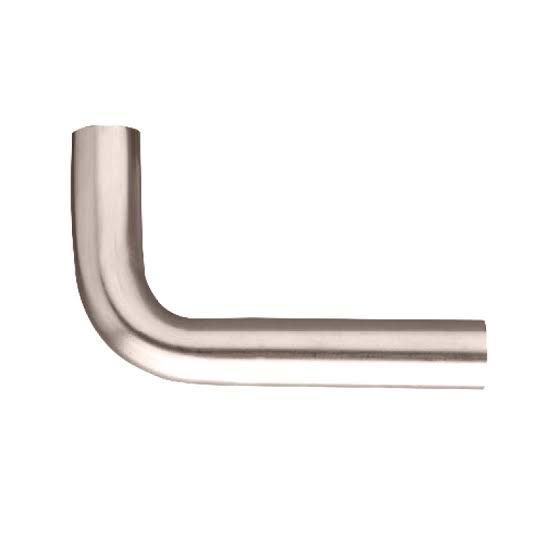
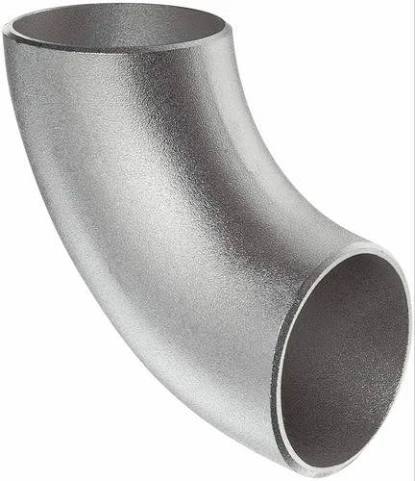
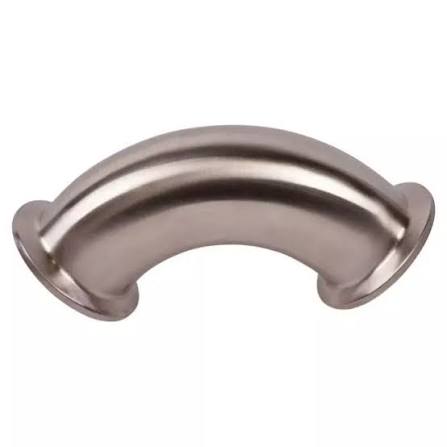
A standard 90° elbow (also known as a sweep elbow) features a smooth and continuous inner wall, generally cold-bent or prefabricated, with a bending radius usually 6 times the conduit diameter, complying with NEC 358.24.
It is suitable for scenarios with low cable density and no intermediate joints. However, if cables get stuck at the bend, no inspection or maintenance can be carried out.
In contrast, a 90° pulling elbow (also referred to as a pull elbow with cover) is designed with a removable access cover on the back. This structure allows installers to operate cables directly at the turning point. According to a 2023 field test published in Electrical Contractor, adopting a pulling elbow can reduce the peak pulling force at bends by approximately 28%~35% and prevent scratch damage to cable insulation.
The removable cover of the elbow with removable cover generally reaches an IP66 sealing rating, making it ideal for outdoor humid and dusty environments.
Frequently Asked Questions (Q&A)
Q1: Is additional sealing required after opening the cover of a 90° pulling elbow?
A: The original factory cover is equipped with an EPDM rubber gasket. If the conduit is cut on-site or the cable outlet direction is adjusted, the flatness of the sealing surface should be rechecked. It is recommended to fasten the cover screws with a torque wrench at a torque of 2~3 N·m to prevent moisture penetration along the threads.
Q2: Can two 90 pulling elbows be installed back-to-back to form a U-bend?
A: This layout is not recommended. Two consecutive guide pulling elbows will cause right-angle twisting of cables twice. When the cumulative friction coefficient exceeds 0.5, cable jamming is highly likely to occur. The alternative solution is to use one oversized standard sweep elbow (bending radius ≥ 12 times the conduit diameter), and install one pulling elbow at both ends of the bend as access openings.
Engineering Practice Recommendations
90° pulling elbows shall be prioritized when the cable fill rate inside the conduit exceeds 40%, or the outer diameter of a single cable is larger than 30% of the conduit inner diameter. Key installation notes: the cover opening must face an easily accessible side, and no burrs are allowed on the inner side of the bending section.
All pulling elbows supplied by AIFN Metal Technology are certified to UL 514B standards. The cover screws have passed a 72-hour salt spray test, ensuring seamless opening and rust resistance for up to 10 years.