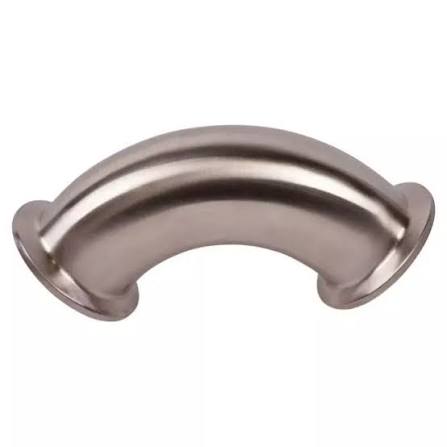

What does a pipe elbow do?
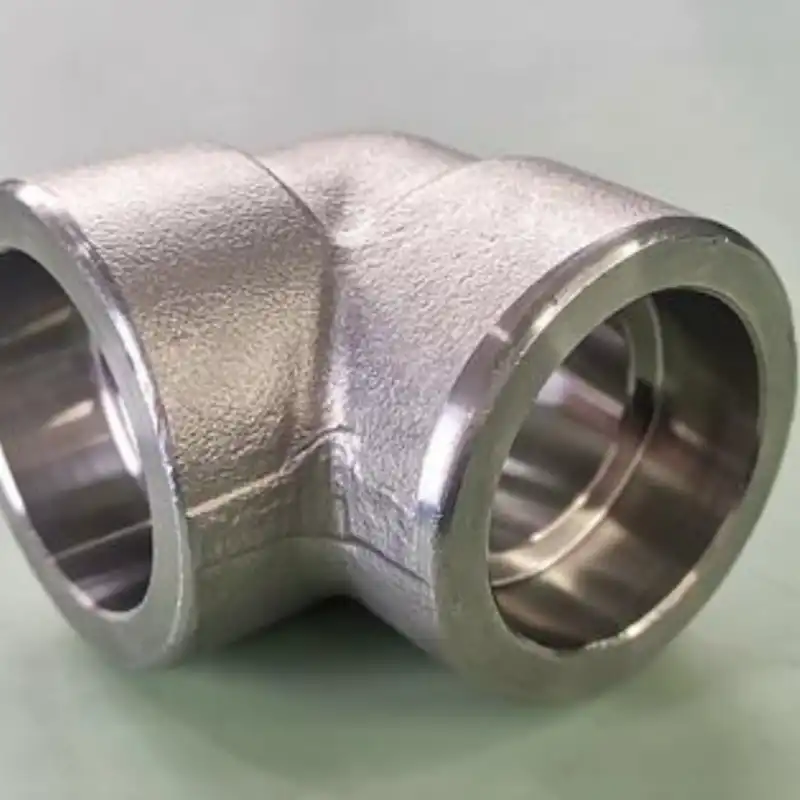
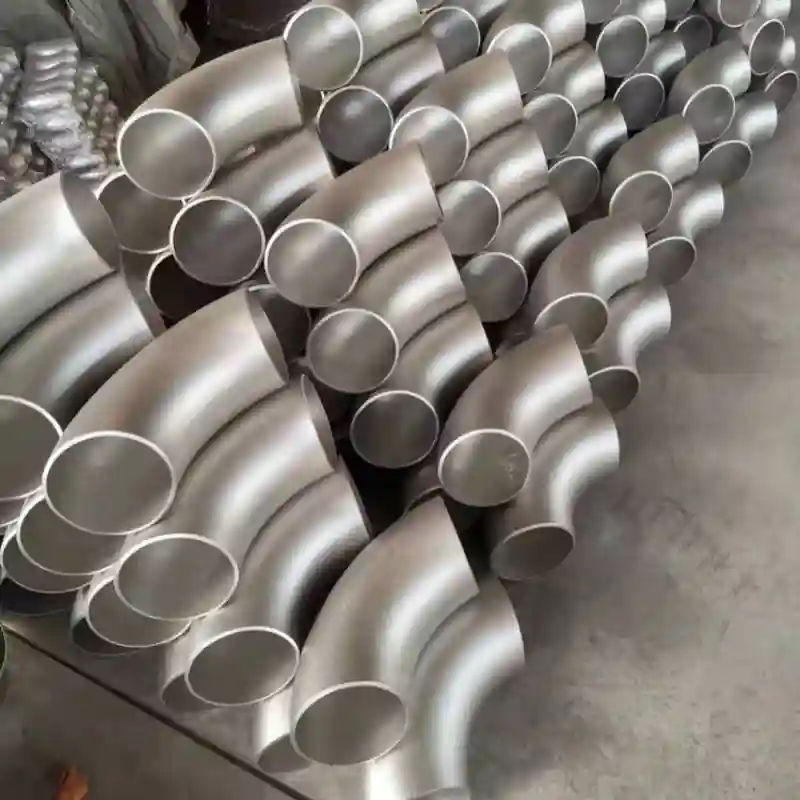
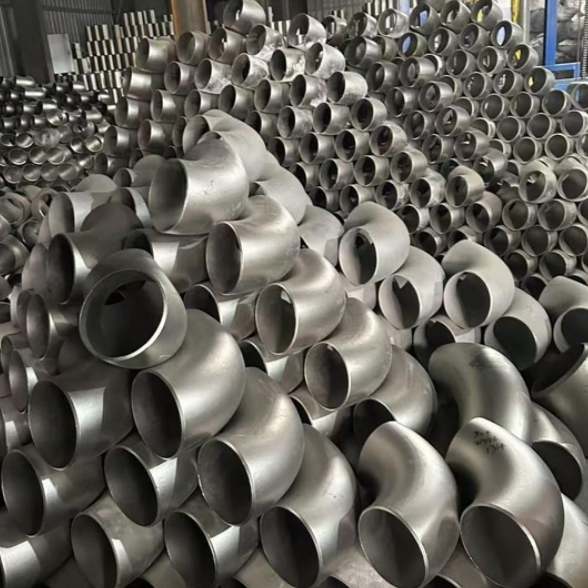
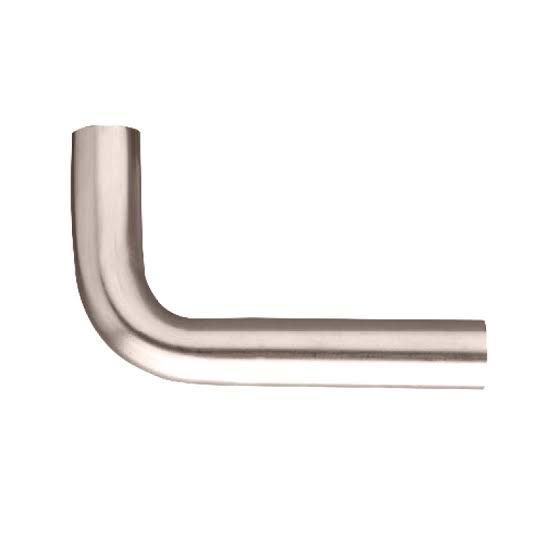
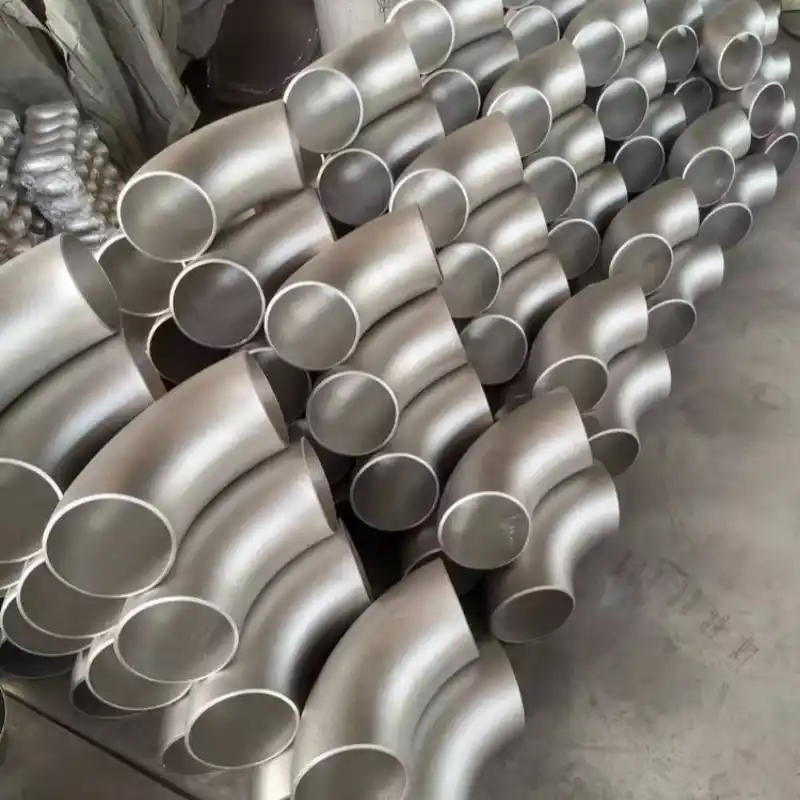
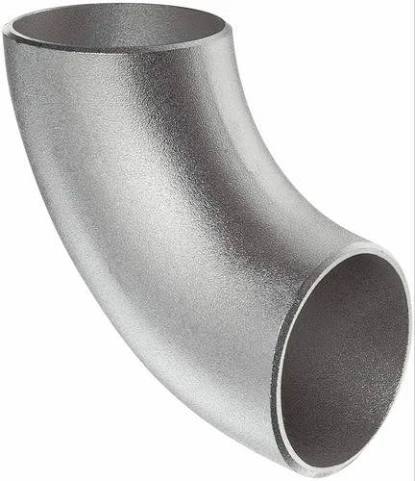
In a piping system, the core function of a pipe elbow is to change the conveying direction of the medium. Common deflection angles include 45°, 90° and 180°, which are widely applied in pipeline systems for petroleum, chemical, water treatment and other industries.
When fluid flows through an elbow, the difference in flow velocity between the inner and outer sides will cause pressure drop and local turbulence.
Experienced engineers give priority to calculating the energy loss coefficient K value caused by pipeline flow direction change. For instance, the K value of a 90° long radius elbow (1.5D bending radius) is approximately 0.3, while that of a short radius elbow (1.0D) rises above 0.5.
Two key factors shall be taken into account when selecting a proper elbow: bending radius and wall thickness grade. The long radius design (R=1.5×Nominal Diameter DN) can reduce the impact angle between fluid and pipe wall, with the measured friction pressure drop about 40% lower than that of short radius elbows.
Meanwhile, for high-pressure working conditions (such as ANSI 600 class), seamless carbon steel A234 WPB material is adopted, and the parameter of pressure drop across elbow shall be verified to prevent erosion and leakage. For slurry pipelines containing solid particles, an additional 2mm sacrificial allowance is recommended for the inner wall thickness.
Another practical application is fine angle adjustment. When the pipeline needs a 22.5° deflection to bypass obstacles, precision cast elbows with pipe elbow bend angle tolerance within ±1° can be used to reduce extra welding joints.
Field data shows that eliminating each welding joint can reduce leakage risk by about 60%. Therefore, for sanitary-grade pipelines conveying high-purity fluid, 3D or 5D large radius elbows are preferred, combined with internal mirror polishing (Ra≤0.4μm). This design realizes flow direction change and avoids medium residue.
How to judge excessive wear of pipe elbows?
What are the emergency solutions if the elbow wall is locally thinned without perforation?
① Inspection method: Regularly measure the outer arc top of elbows (the most severely scoured area) with an ultrasonic thickness gauge. It is a warning sign if the wall thickness reduction exceeds 25% of the original wall thickness (taking a DN100 Sch40 elbow as an example, the thickness drops from 6.02mm to 4.5mm).
② Graded repair: When the thinning range is between 25% and 40%, hardfacing with wear-resistant alloy (such as Stellite 6, hardfacing thickness: 3mm) is applicable, and 100% liquid penetrant inspection shall be conducted on welding beads.
③ Permanent replacement standard: Directly replace the elbow with one of the same material grade and radius if the thinning degree exceeds 40% or the pitting corrosion depth is ≥1.2mm. Besides, the heat treatment state (normalizing and tempering) of the new elbow shall match the original pipeline to avoid cracking caused by dissimilar steel welding.