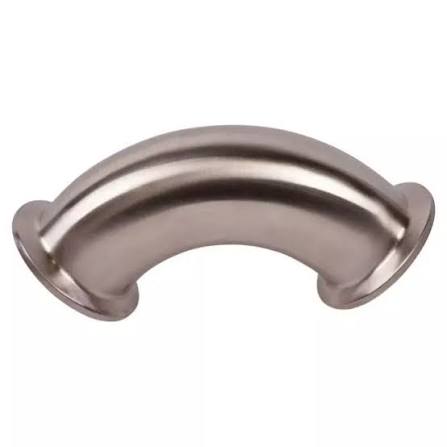
Engineering Key Points for Thin-Wall Pipe Systems: 24 Gauge 10″ Stainless Steel Pipe and 90 Degree Elbows
✔️In low-pressure fluid transport, food-grade pipelines, or light structural supports, the combination of 24 gauge (nominal thickness ~0.024 in / 0.61 mm) 10-inch stainless steel pipe and 90 degree elbows is gaining increasing attention.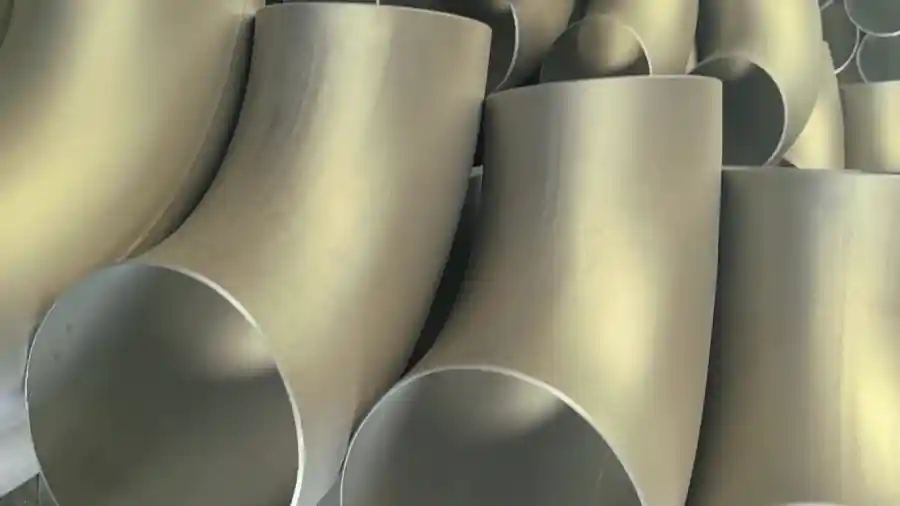
1. Material Specifications and Applicable Standards
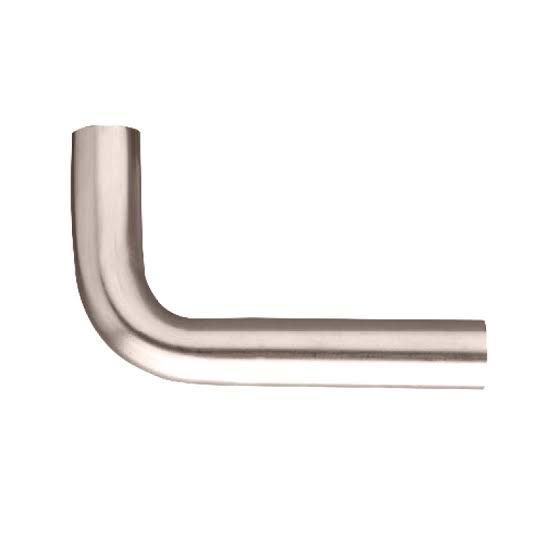
✅24 gauge 10″ stainless steel pipe: Outside diameter 273mm (10-inch NPS), wall thickness approx. 0.61mm. Common materials are 304/304L or 316L, conforming to ASTM A312/A778 standards. While thin-wall pipe reduces weight and cost, its pressure-bearing capacity is limited (maximum allowable working pressure at room temperature typically below 150 psi), making it suitable for ventilation, drainage, or low-corrosivity media applications.
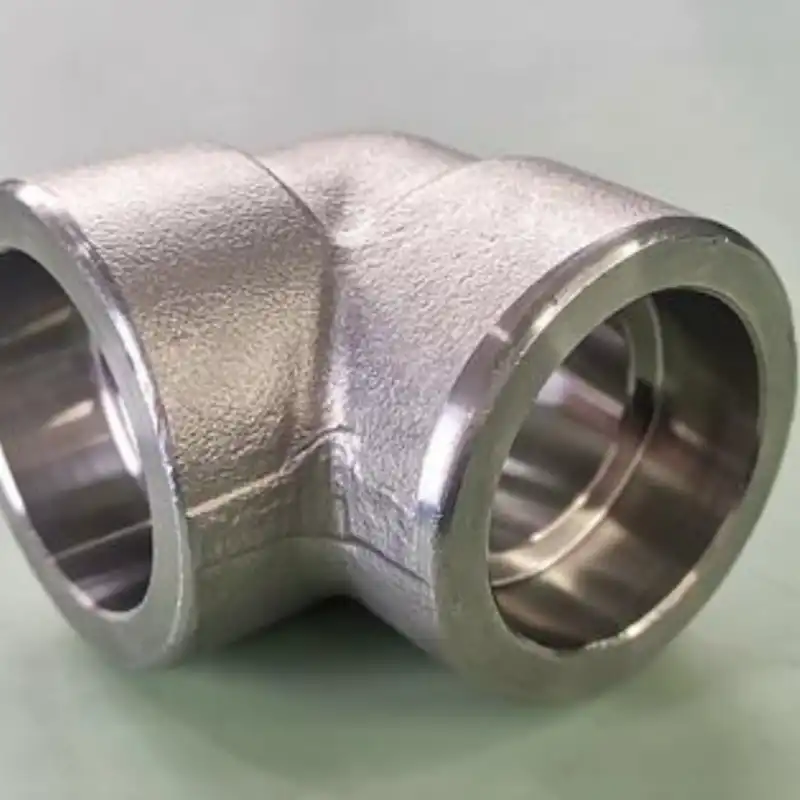
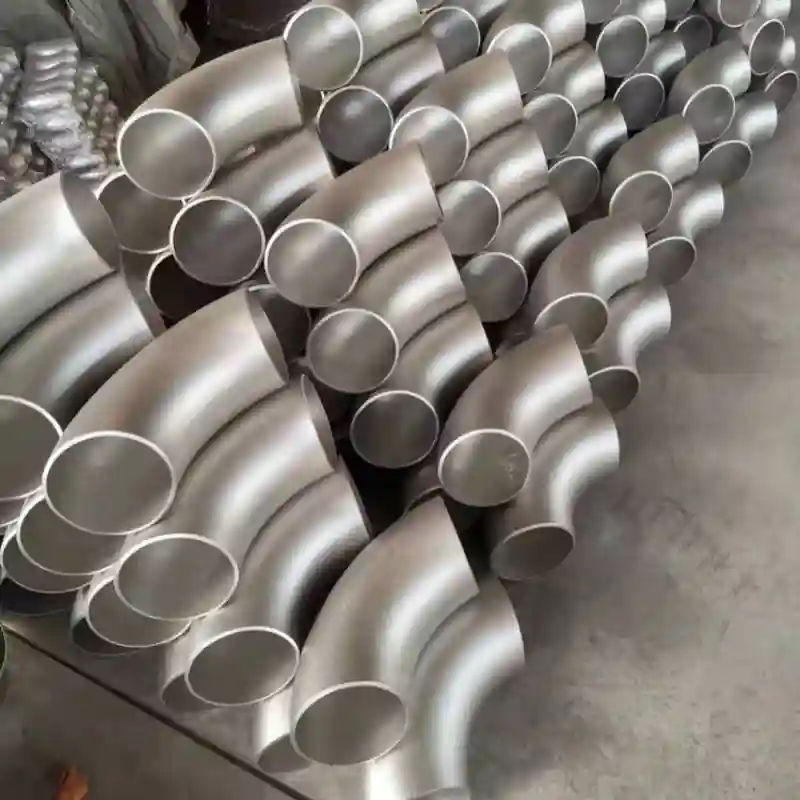
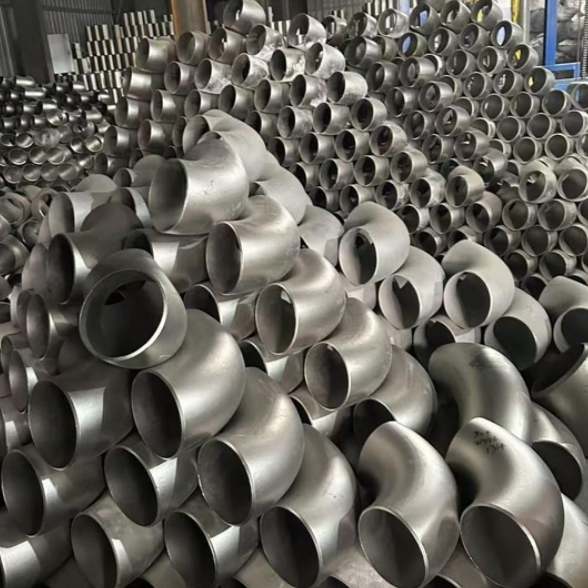
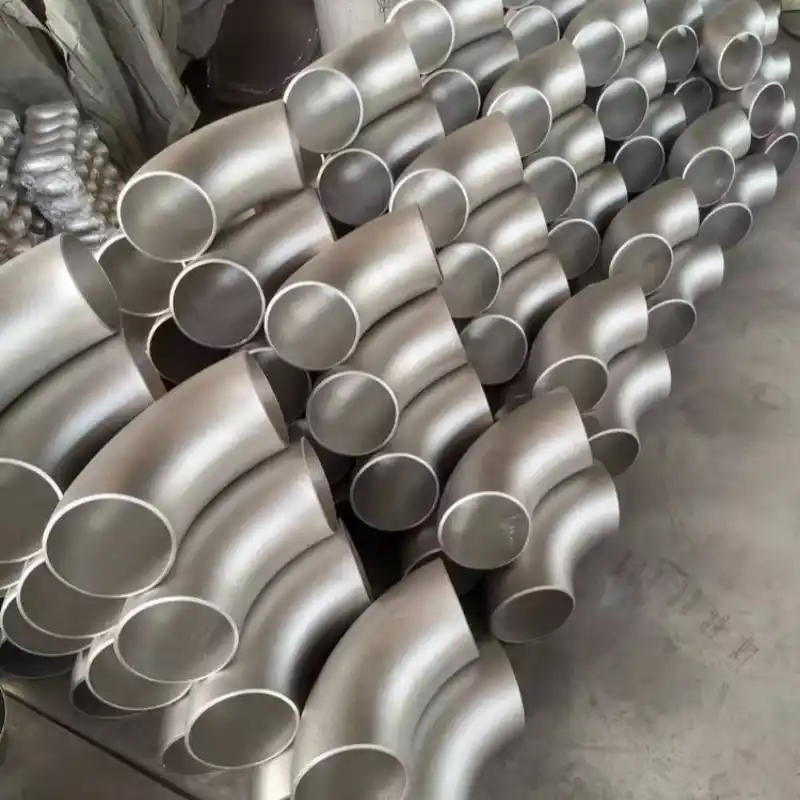
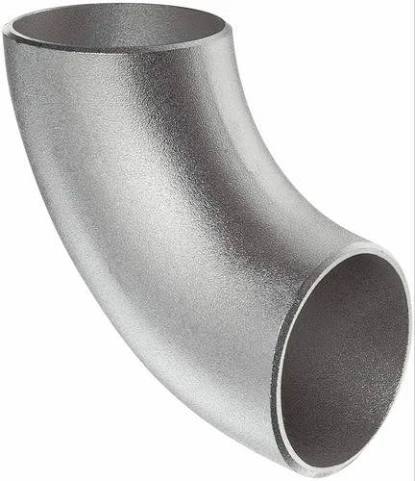
✅90 degree elbow: A 90° long radius elbow (bending radius R = 1.5D = 15 inches) is recommended to reduce fluid turbulence and pressure drop. The elbow material should match the pipe (e.g., ASTM A403 WP304), and the wall thickness must be compatible with the thin-wall stainless steel conduit characteristics to avoid weld hot cracking due to thickness mismatch.
2. Core Process Details – Welding and Assembly of Thin-Wall Pipe with Elbow
✅Welding thin-wall pipe is the greatest challenge. GTAW (Gas Tungsten Arc Welding) process is adopted, with ER308L filler metal (diameter 1.6mm) and welding current controlled between 40–60A, with heat input ≤10 kJ/in. To prevent burn-through, a pre-prepared groove (V-groove 30°, root face 0.5mm) is recommended for 10-inch NPS pipe fabrication. Tack welding shall be done with 4 points evenly distributed around the circumference, followed by symmetrical sectional welding, with interpass temperature cooled below 150°C.
✅Furthermore, due to the low rigidity of thin-wall pipe, a three-roller alignment fixture shall be used when centering the elbow and pipe, and the misalignment shall not exceed 0.3mm. After completion, 100% visual inspection (VT) and, as required, penetrant testing (PT) shall be performed to ensure no porosity or lack of fusion.
3. Performance Verification and Application Recommendations
✅The elbow-pipe system assembled with the above process can achieve no leakage at 0.8 MPa in a hydrostatic test at 25°C (based on ASME B16.9 standard). Typical suitable applications include chemical plant off-gas collection lines, brewery CIP return lines, and gravity discharge systems for low-concentration acid/alkali waste liquids. If used under vacuum conditions (absolute pressure <0.5 bar), stiffening rings should be added to prevent pipe wall buckling.
✅By strictly controlling material standards, thin-wall-specific welding procedures, and elbow bend radius, the combination of 24 gauge 10″ stainless steel pipe and 90 degree elbows can achieve a reliable, lightweight, and cost-optimized piping solution.
📌For engineers new to such thin-wall systems, it is recommended to first fabricate a mock-up specimen and perform destructive metallographic examination to verify process stability.