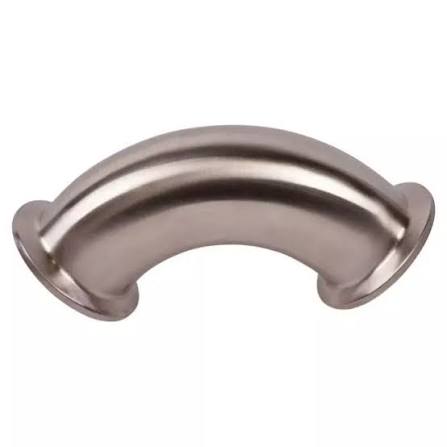
What are the advantages of using a 90 degree elbow?
A 90 degree elbow is the most commonly used component for changing fluid direction in piping systems.
A reasonable selection of elbow types can not only reduce energy consumption but also extend the service life of the system.
The core advantages are analyzed below from the perspectives of fluid dynamics, material technology and precision manufacturing.
1. Reduce pressure loss and improve energy efficiency
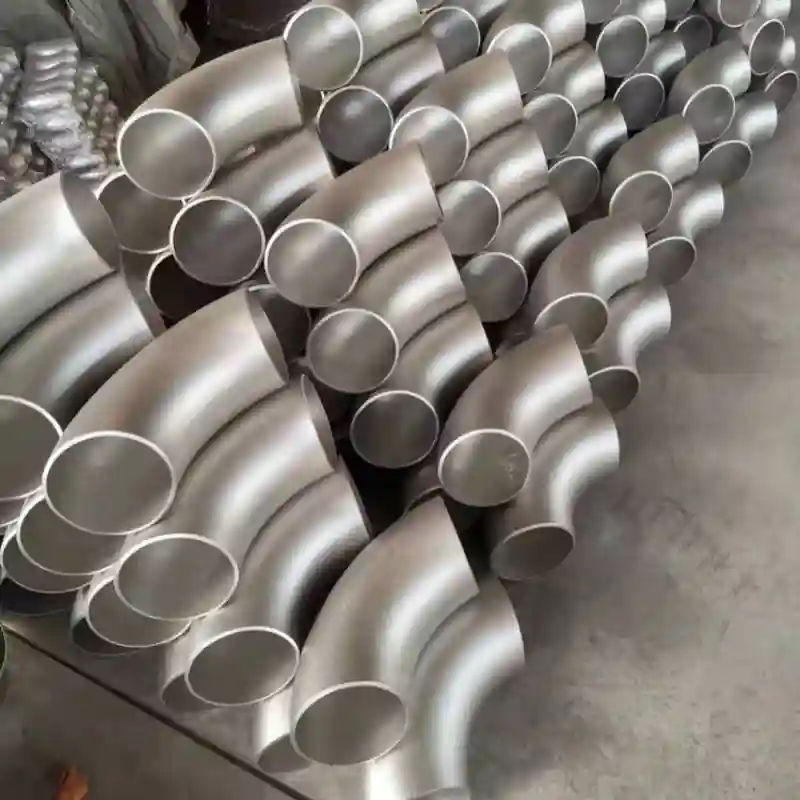
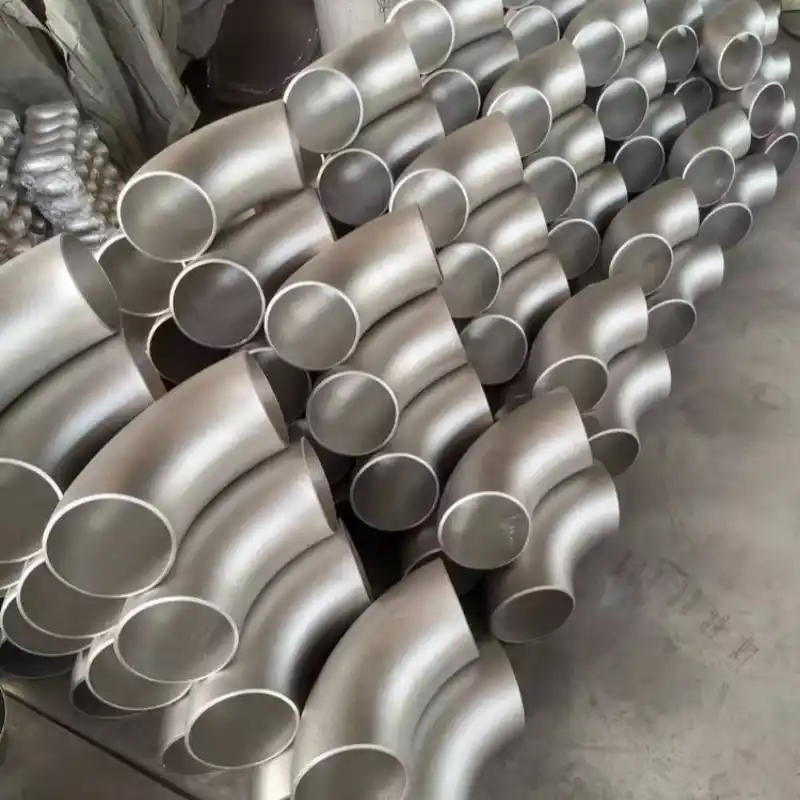
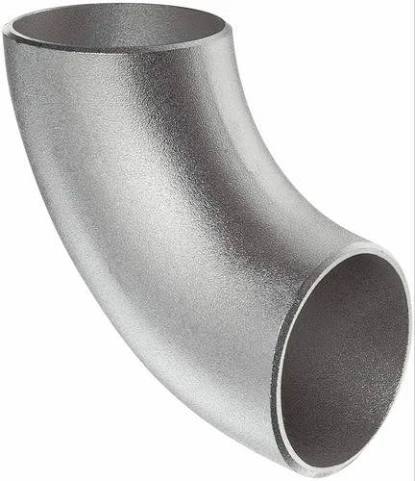
Compared with short-radius elbows, the ell 90° lr (long radius 90 degree elbow, radius = 1.5 times the nominal diameter) features a gentler internal flow guidance. Experimental data shows that at the same flow velocity of 2 m/s, the long-radius design reduces the local resistance coefficient (K value) from 1.2 to 0.8, cutting pressure loss by approximately 30%. This feature is particularly critical for high-cleanliness fluid circulation systems, such as ultrapure water transportation in the electronics industry.
2. Adapt to complex connection requirements
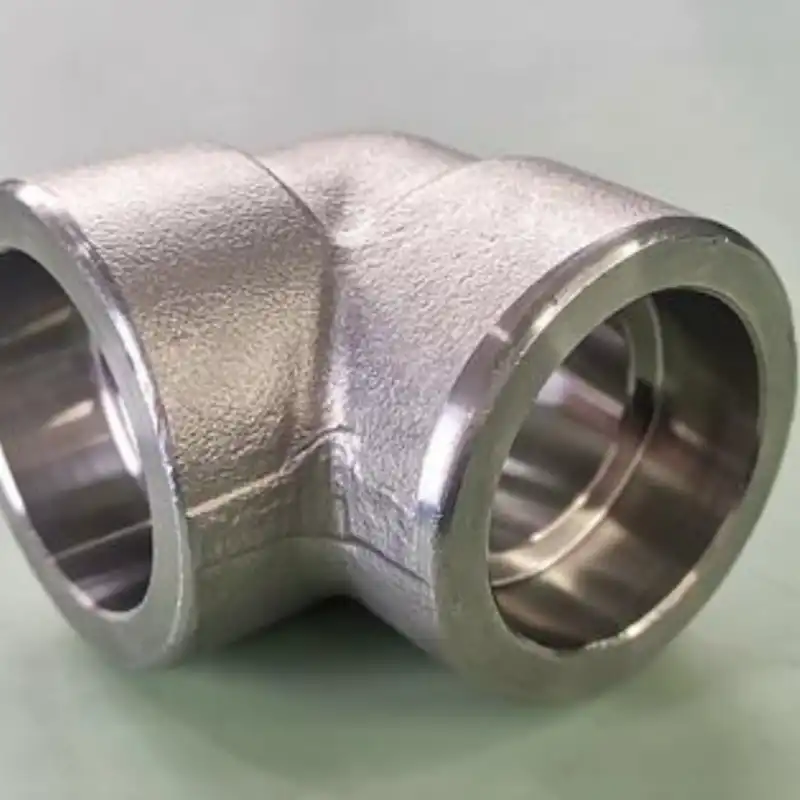
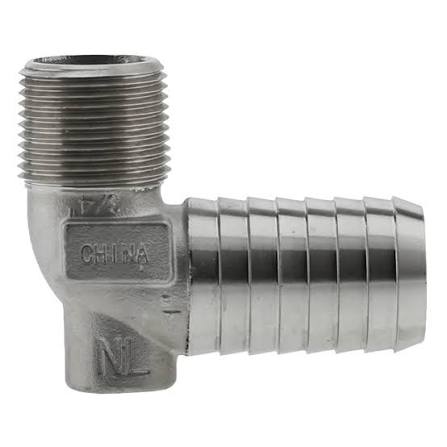
The female 90 degree elbow is directly connected to the pipeline via threads without welding, making it suitable for narrow spaces or scenarios where open flame operation is prohibited. It boasts convenient on-site assembly and disassembly as well as low maintenance costs. Note that the tightness of threaded connections relies on PTFE tape or thread sealant, and the working pressure is recommended not to exceed 1.6 MPa.
3. Stability for long-distance transportation
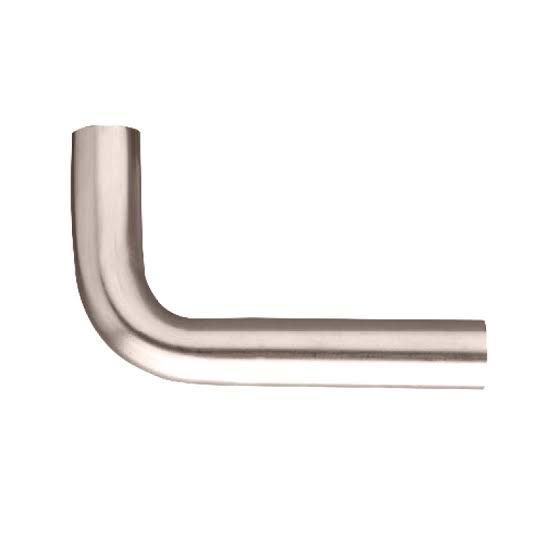
The long 90 degree elbow (extended type elbow, curvature radius ≥ 2D) further extends the flow direction changing path. In large cooling water systems of petrochemical plants or semiconductor factory utilities, this type of elbow can reduce turbulence intensity by more than 40%, avoid pipeline vibration caused by fluid impact, and protect precision valves and instruments.
4. Corrosion resistance and cleanliness guarantee
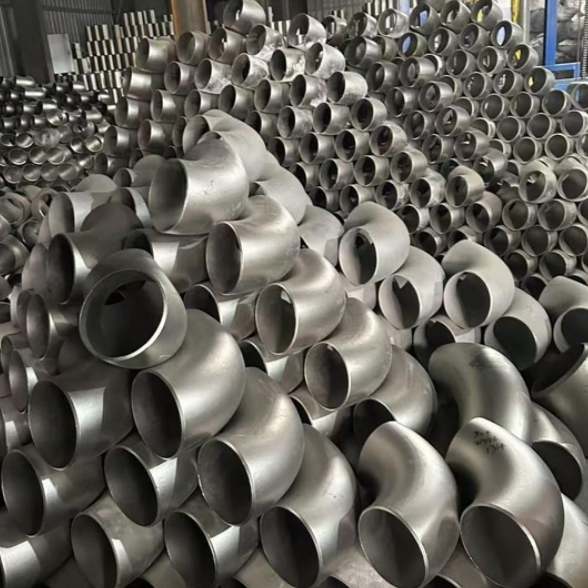
The ss 90 degree elbow (stainless steel elbow, commonly available in 304/316L grade) delivers excellent oxidation resistance and chemical corrosion resistance. For pipelines transporting etching solutions and cleaning agents in electronic manufacturing, the 316L stainless steel elbow (containing 2-3% molybdenum) can prevent chloride ion pitting corrosion. Meanwhile, the inner wall after electrolytic polishing achieves a roughness of Ra≤0.4μm, greatly lowering the risk of particle adhesion.
Extended Q&A: Common Issues in Precision Manufacturing & Electronics
Q1: Why does the 90 degree elbow become a thermal resistance bottleneck in high-density server liquid cooling systems?
If the ell 90° lr between the liquid cooling plate and manifold adopts the traditional casting process, micro steps (height difference 0.1-0.3mm) exist on the inner wall, which easily generate eddy currents and cause local overheating. It is recommended to adopt 5-axis CNC integral forming processing to make the transition fillet radius of the elbow inner contour ≥5mm, and optimize the flow channel with Computational Fluid Dynamics (CFD). Actual tests show that the optimized design reduces pressure drop by 25% and lowers the hot spot temperature by 4-6℃.
Q2: How to avoid microbubble generation from 90 degree elbows in ultrapure water pipelines of semiconductor wafer cleaning equipment?
Microbubbles usually originate from tiny pits or rough protrusions on the inner wall of elbows. Adopt ss 90 degree elbow (316L EP grade) with dual treatments: ① Precision mechanical polishing to Ra≤0.2μm; ② Electrochemical passivation to form a dense oxide film. In addition, the elbow shall undergo ultrasonic cleaning (40kHz, 20 minutes) and nitrogen purging before installation. In a practical case, after a 12-inch wafer fab adopted this solution, the particle count (≥0.05μm) dropped from 85 pcs/mL to less than 3 pcs/mL, fully complying with the SEMI F57 standard.
Summary
Whether it is long radius, female thread, extended type or
ss 90 degree elbow, its core advantages lie in optimizing fluid pattern and improving system reliability. In the field of precision electronic manufacturing, combined with high-precision surface treatment and simulation verification, the engineering value of elbows can be further exerted. For model selection, please refer to ASME B16.9 and SEMI standards, and customize solutions according to actual medium, pressure and temperature conditions.