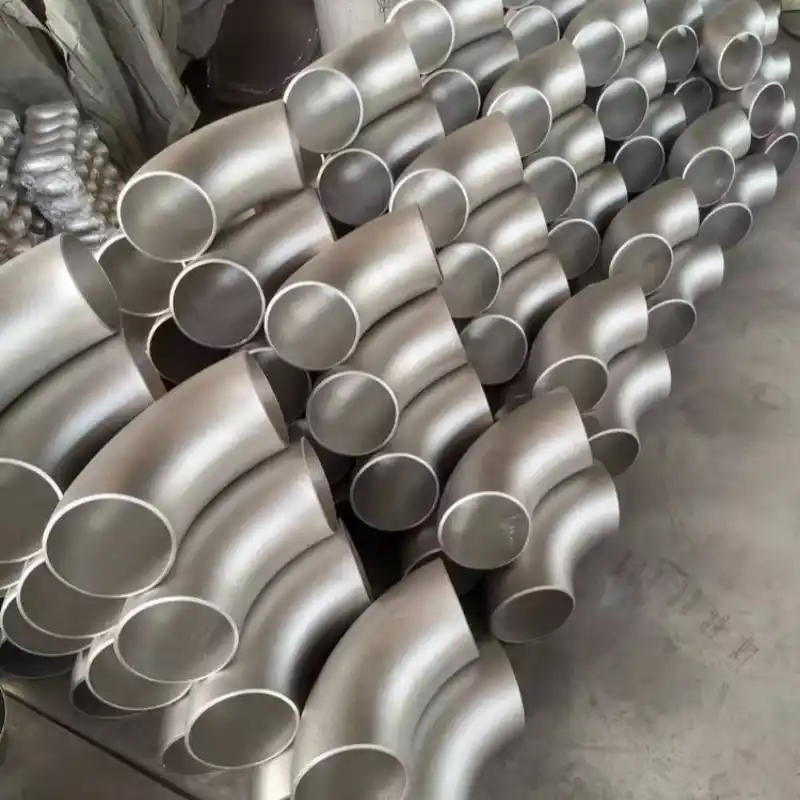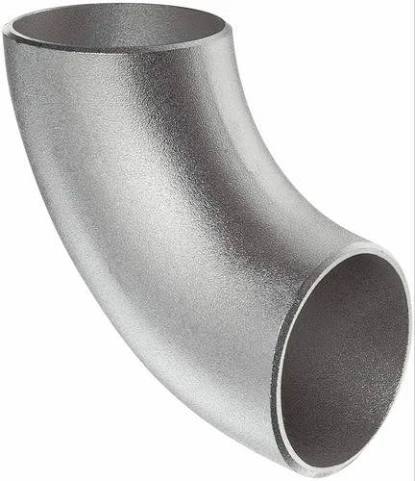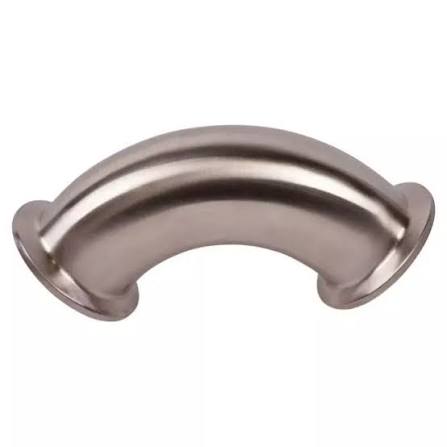
In pipeline engineering, the selection of weld elbows directly affects system safety, service life, and maintenance costs. This article starts from service conditions and material matching to help you establish a scientific selection logic.
Defining service conditions: the starting point of selection
The first step in selection is not to browse product catalogs, but to answer three questions: What is the medium? How high is the pressure? What is the temperature?
-
Medium properties: Is it steam, oil and gas, chemicals, or seawater containing chloride ions? The medium determines the corrosion risk level.
-
Working pressure: High pressure (e.g., Class 600 and above) imposes much higher requirements on wall thickness, manufacturing processes, and non‑destructive testing than medium‑ or low‑pressure conditions.
-
Working temperature: High temperature (e.g., above 500°C) accelerates material creep and oxidation, while low temperature (e.g., below –40°C) requires attention to impact toughness.
✅These parameters determine whether the elbow needs to meet special requirements such as high‑temperature creep strength, resistance to intergranular corrosion, or pitting resistance. For example, in wet hydrogen sulfide environments, the hardness of the elbow must be strictly controlled below HB 200 to avoid sulfide stress cracking.
✅After determining the service conditions, specific dimensions can be referenced from the stainless steel weld elbow dimensions specification table to ensure that the wall thickness and bend radius match the pipeline design pressure.
Material selection: service conditions determine the grade
Material is the bridge connecting service conditions and product performance. Different stainless steel grades differ significantly in corrosion resistance and high‑temperature strength; choosing the wrong grade is a major cause of pipeline failure.
| Stainless Steel Grade | Key Characteristics | Typical Applicable Conditions |
|---|---|---|
| 304 / 304L | General corrosion resistance, good workability | Ambient water, steam, mild corrosive media |
| 316 / 316L | Molybdenum (Mo) addition, resists pitting and crevice corrosion | Chloride‑containing environments, marine climates, chemical media |
| 321H | Titanium (Ti) addition, resists intergranular corrosion, excellent high‑temperature strength | High‑temperature oil and gas, boiler superheaters, refinery heater tubes |
| 310H | High chromium and nickel content, excellent oxidation resistance and high‑temperature creep strength | Extreme high temperatures (above 600°C), heat‑treatment equipment |
In conventional corrosive conditions, asme sa312 304 stainless steel elbow is an economical and reliable choice. When the chloride ion content in the medium is high, upgrading to 316l stainless steel elbow company‘s 316/316L products is recommended, as their molybdenum content effectively resists pitting.
Material selection practices for high‑temperature conditions
✔️ For high‑temperature pipelines, the selection logic should shift from “corrosion resistance” to “heat strength.” The 321h stainless steel elbow supplier‘s 321H elbows offer excellent creep resistance in the 450°C–750°C range, and its titanium stabilization effectively prevents intergranular corrosion in the welding heat‑affected zone.
✔️ At even higher temperatures (e.g., above 650°C), in furnace tubes or catalytic cracking units, the 310h stainless steel elbow supplier‘s 310H elbows are an industry‑recognized choice – their 25% chromium and 20% nickel content provide outstanding oxidation resistance and high‑temperature rupture strength.
Application case: Shanghai Jinshan Petrochemical
✔️ Take our pipeline revamp project at the delayed coking unit of Shanghai Jinshan Petrochemical as an example. The pipeline medium was high‑temperature sulfur‑bearing oil and gas, with an operating temperature of 540°C, pressure rating of Class 600, and a certain amount of hydrogen sulfide in the medium.
✔️ The client initially considered using 304H material, but after a comprehensive assessment of the service conditions (including sulfur content and temperature fluctuation range), we recommended upgrading to 321H stainless steel butt‑welding elbows, strictly controlling wall thickness and ovality per ASME B16.9 standards.
✔️ After replacement, the elbow sections showed no significant wall thinning after two consecutive overhaul cycles (about 6 years) of continuous operation, as verified by ultrasonic thickness measurement. No intergranular corrosion cracking was found in the welds or heat‑affected zones, confirming the soundness of the material selection.
Conclusion: two dimensions determine success
Selecting weld elbows essentially means using service conditions to “screen” materials, and then using standard dimensions to “lock in” the product:
-
Define the service conditions first, then select the material – do not skip medium analysis and thermal calculations.
-
There is no “best” material, only the “most suitable” – 304 may not necessarily be cheaper, and 310H may not be wasteful; the key lies in whether it matches the conditions.
📌When making your selection, re‑examine your procurement list from these two dimensions. The right choice will save you invisible maintenance costs every day of pipeline operation.