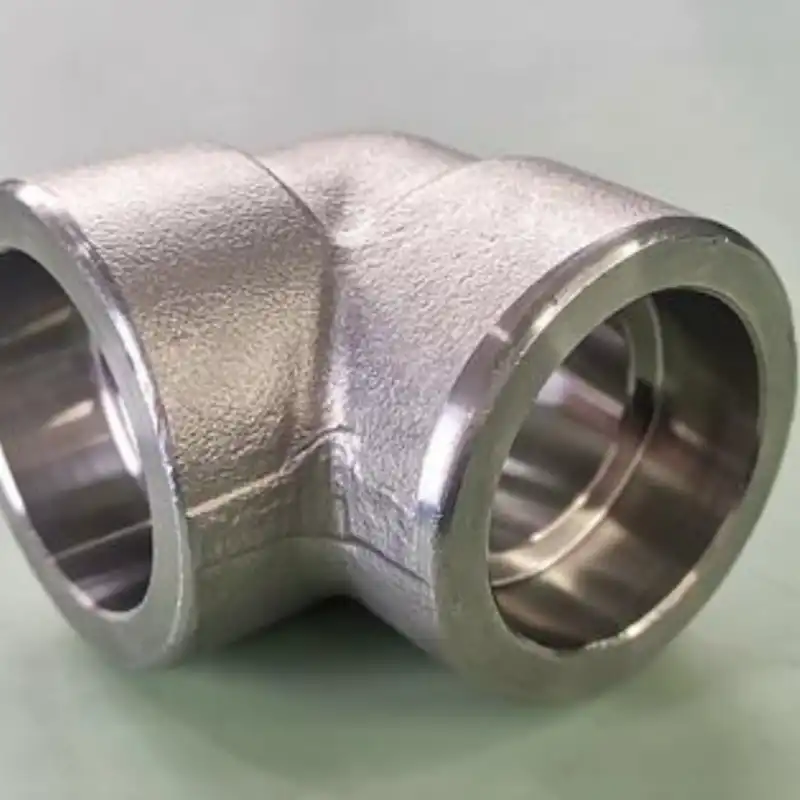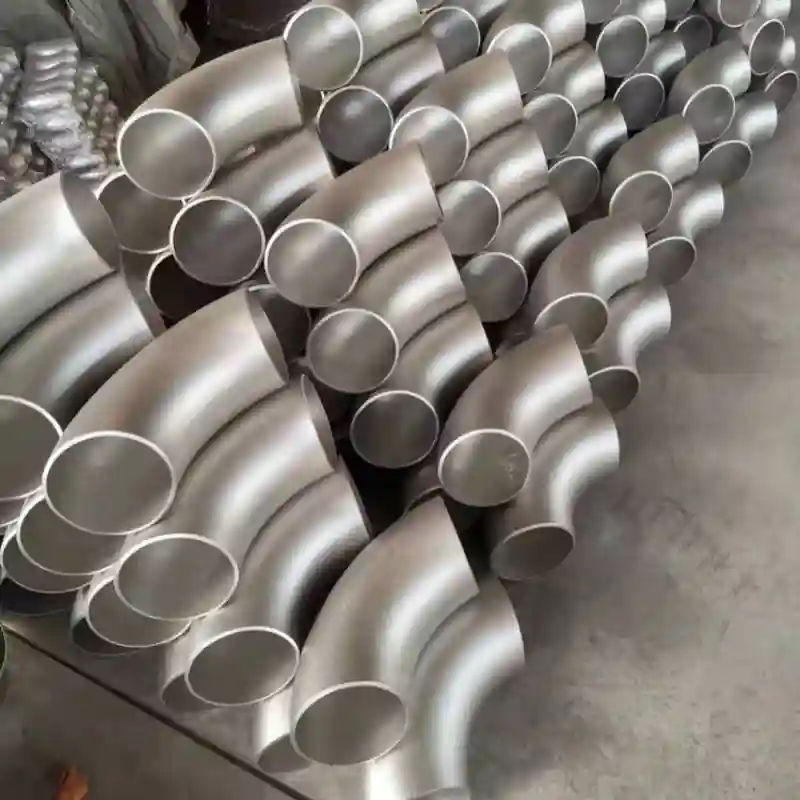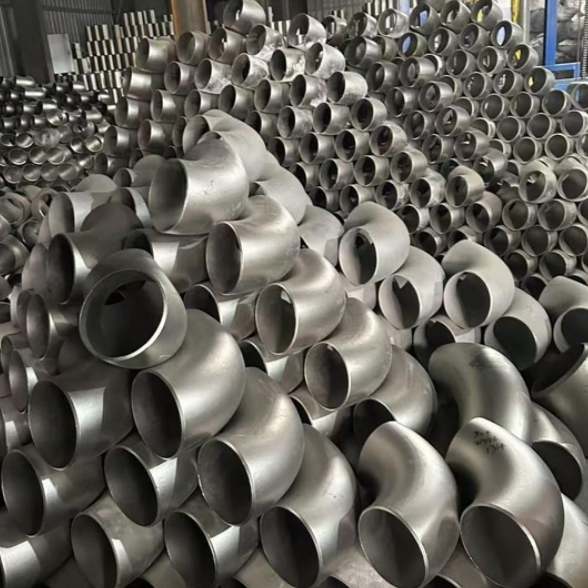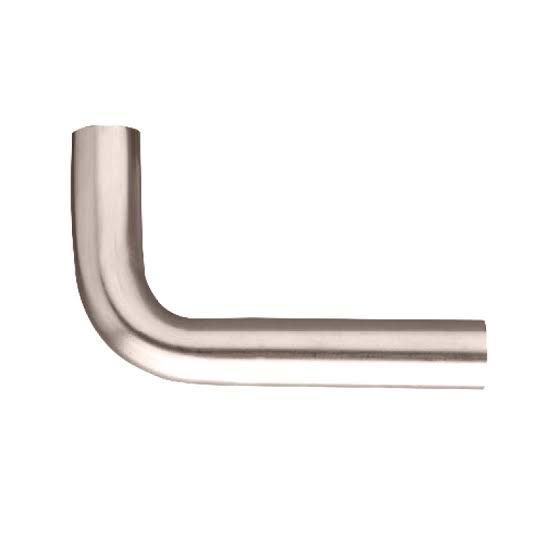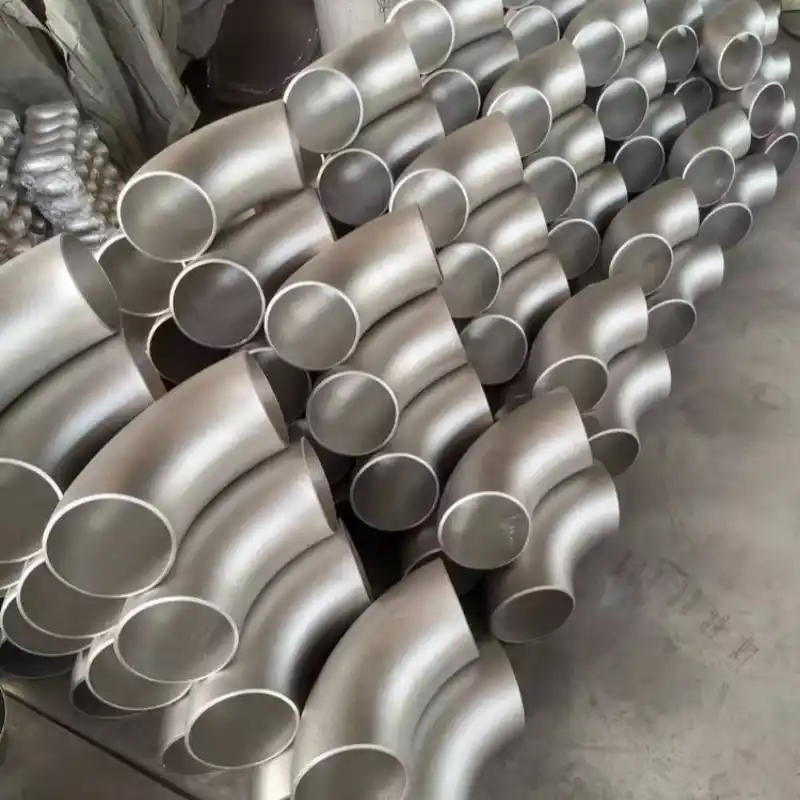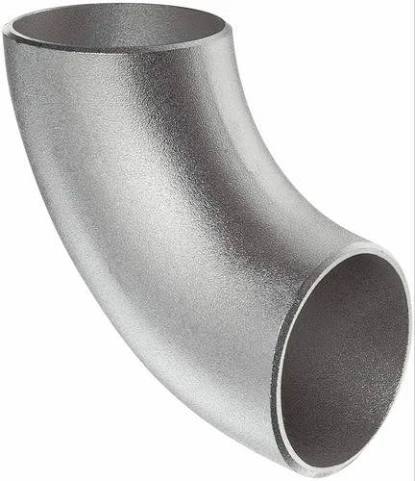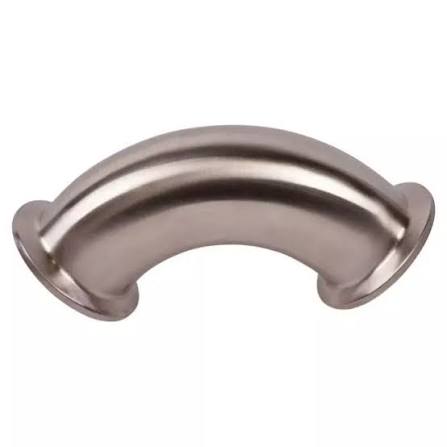
In the design and maintenance of piping systems, the 90 degree steel pipe elbow is a core component that bears pressure and changes the direction of the medium. Improper selection can not only increase system pressure drop but also cause leaks or even safety accidents.
▶️As a pipe fitting manufacturer with years of export experience, AIFN believes that professional selection should be approached from the following three technical dimensions.
I. Clarify Standards and Materials: Foundation Determines Performance
☑️First, the design code applicable to the project must be confirmed. The most commonly used standard is ASME B16.9, which covers dimensions, tolerances, and wall thickness requirements for pipe fittings. Material selection should be determined according to the conveyed medium.
☑️For example, for high-temperature steam or corrosive environments, it is recommended to use asme sa312 304 stainless steel elbow. This material complies with the strict smelting standards of the American Society of Mechanical Engineers (ASME), ensuring oxidation resistance and resistance to intergranular corrosion stability at elevated temperatures.
II. Radius and Manufacturing Process: The Trade-off Between Space and Flow Resistance
☑️This is the most easily overlooked professional detail in selection. Depending on the installation space constraints, you need to distinguish between stainless steel 90 degree long radius elbow (R=1.5D) and short radius elbow (R=1.0D). The long radius elbow provides a smoother fluid passage, significantly reducing erosion and flow resistance caused by medium scouring, making it the first choice for high-pressure conditions.
☑️In addition, the manufacturing process is equally critical. For high-pressure, high-temperature pipelines where casting defects are not permissible, the stainless steel seamless elbow 90° (seamless elbow) must be selected. The seamless process eliminates the risk of stress corrosion cracking associated with weld seams, while welded elbows (Weld Elbow) are more suitable for large-diameter pipelines that are cost-sensitive and operate at lower pressures.
III. Precision and Tolerances: Hidden Factors Affecting Installation Efficiency
Many on-site installation problems stem from excessive dimensional deviations of elbows. The stainless steel 90 degree elbow dimensions (outer diameter, center-to-end distance, wall thickness) provided by professional manufacturers must be strictly controlled within standard tolerance ranges. Even minor angular deviations can be magnified in long-distance pipeline connections, leading to difficulties in welding fit-up.
IV. Application Case
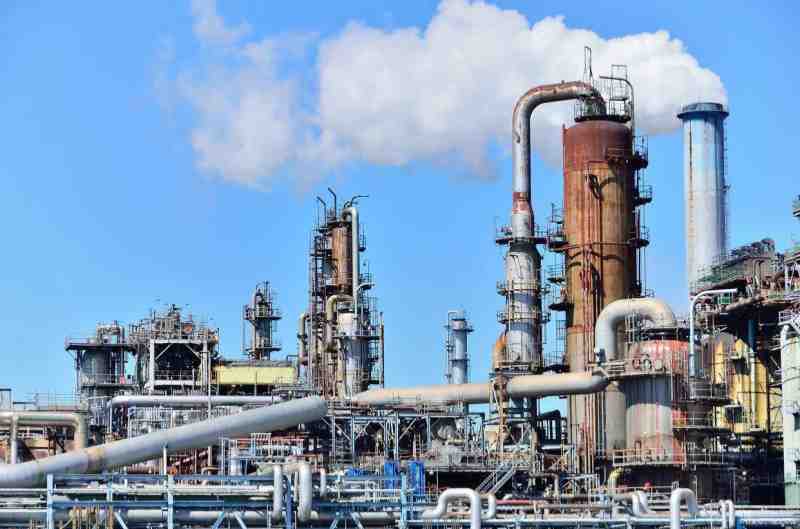
✅Theory needs to be tested by practice. In the heavy oil catalytic cracking unit renovation project at Sinopec Jiujiang Refinery (Phase II), the on-site pipeline temperature reached as high as 650°C, and the medium contained sulfides.
✅The ordinary elbows initially selected experienced severe erosion thinning after only three months of operation.
✅Subsequently, the plant’s technical team replaced them with stainless steel 90 degree long radius elbow supplied by AIFN, using asme sa312 304 stainless steel elbow material.
✅By increasing the wall thickness and adopting the long radius design, the service life of the elbows was successfully extended to more than three years, effectively ensuring the long-term safe operation of the refining unit. This case fully demonstrates the importance of rigorous selection based on actual working conditions.
Summary
📌As a purchaser or engineer, when selecting a 90 degree steel pipe elbow, be sure to request complete material mill test certificates from the supplier, and confirm the applicable standard, radius multiple, and manufacturing process.
📌The value of a high-quality high-pressure elbow lies not only in its initial low price, but more importantly in the comprehensive benefits of safe operation for decades to come.