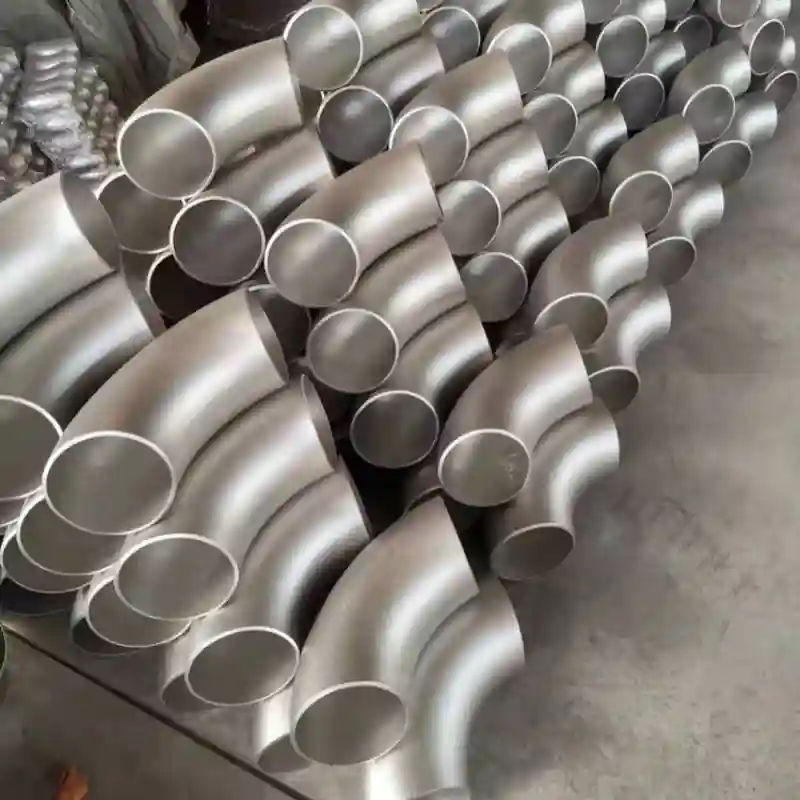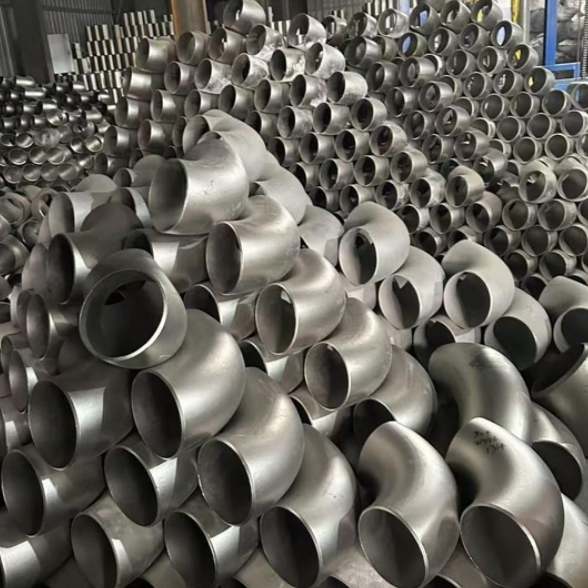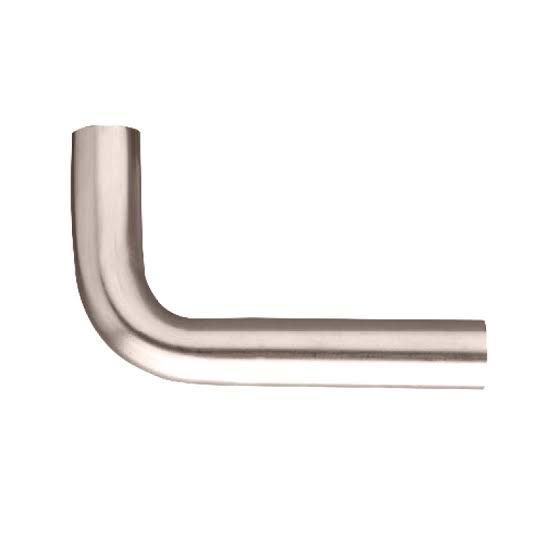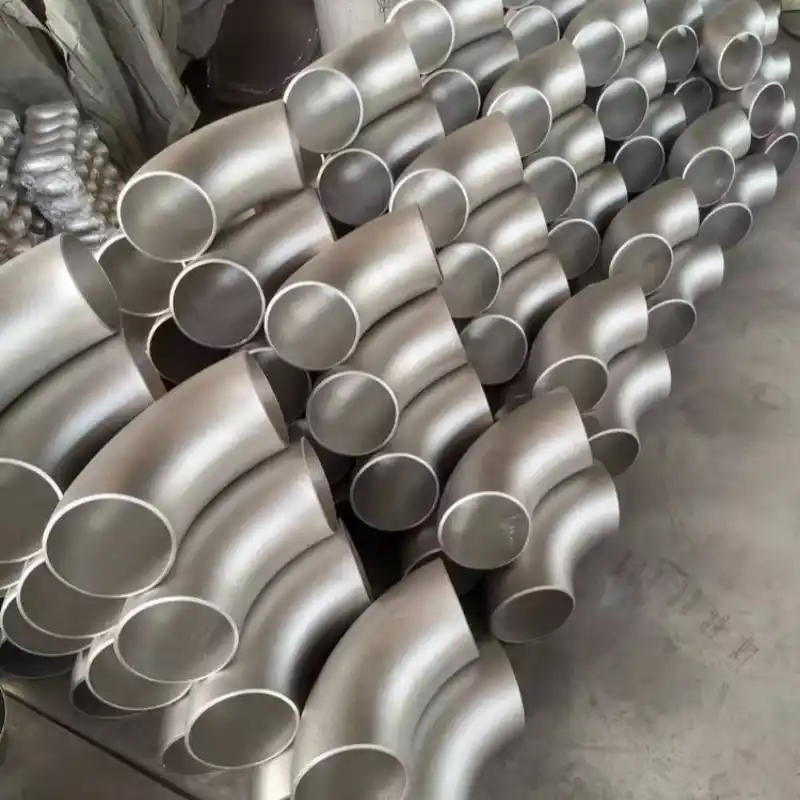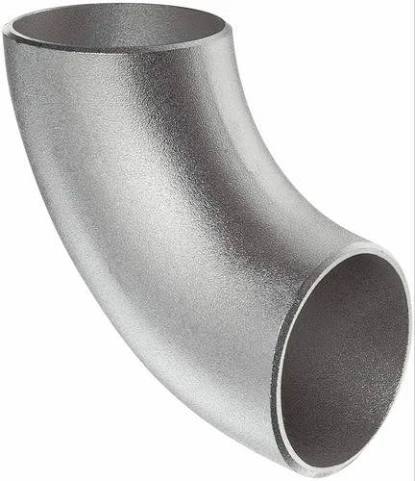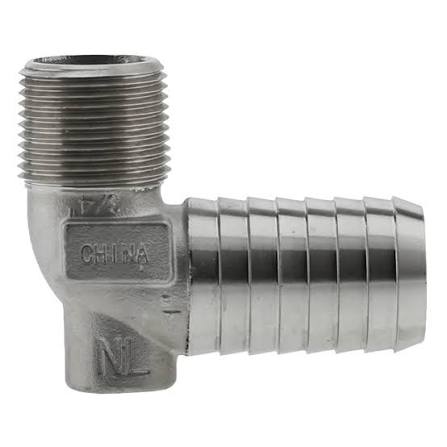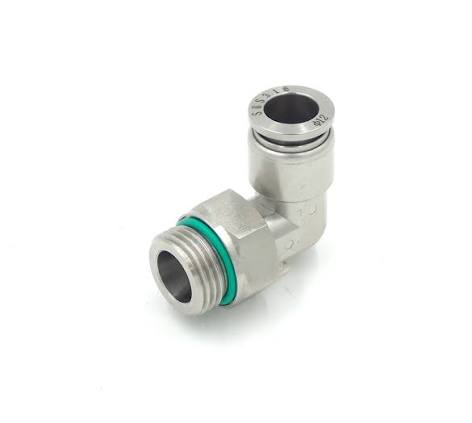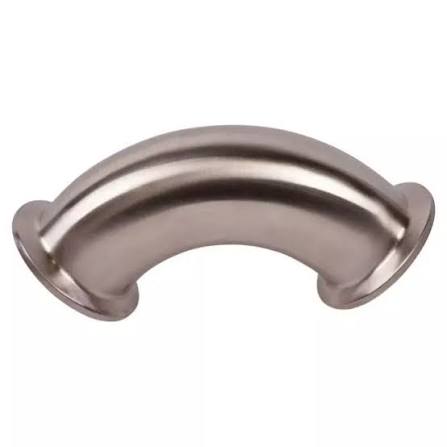
In piping systems, the stainless steel socket weld elbow is a critical component for connecting pipelines and changing the flow direction of media. It is especially widely used in high-pressure, high-temperature, or vibration-prone conditions, such as in petrochemical, boiler systems, and instrument tubing.
For purchasers, clearly defining the technical specifications is a core prerequisite for ensuring project safety and smooth procurement.
Four Core Elements of Technical Selection
To accurately procure a stainless steel socket weld elbow, you need to clarify the following four key parameters with your supplier:
-
Size and Angle: Specify the nominal pipe size (NPS), typically ranging from 1/8 inch to 4 inches. The standard rotation angles for elbows are mainly 45° and 90°, to be selected according to the piping layout.
-
Pressure Class: This is the core of safety. Socket-weld fittings most commonly follow the ASME B16.11 standard, with pressure classes of Class 3000, 6000, or even 9000. The higher the number, the thicker the wall thickness and the higher the pressure-bearing capacity. For example, for the common 3/4-inch size, 316 stainless socket weld elbow 3000 is a standard specification for many chemical projects.
-
Material Grade: Select based on the corrosiveness of the medium. The most common grades are 304/304L and 316/316L stainless steel. Among them, the astm 304 ss socket weld forged steel elbow is widely used in general industrial environments due to its good overall performance and cost advantages; while 316L contains molybdenum, offering superior corrosion resistance in chloride-containing environments.
-
Manufacturing Standard: Ensure that the product complies with international specifications such as ASME B16.11 or MSS SP-79 – this is the foundation for guaranteeing fitting interchangeability and performance.
Connection Method Comparison: Socket Weld vs. Threaded Connection
A common confusion in procurement is choosing between socket weld and threaded (NPT/BSP) connections.
-
Socket Weld Connection: The pipe is inserted into the socket of the fitting, and then fillet-welded along the joint. This structure provides a longer leakage path, and its fatigue strength and impact resistance are superior to threaded connections, making it the preferred choice for high-pressure, leak-free applications.
-
Core Difference: Threaded connections rely on tapered thread engagement for sealing – they are easier to install but prone to loosening under vibration, and the wall thickness is reduced by thread cutting, resulting in lower pressure capacity. In contrast, socket weld connections are permanent fusion joints, offering greater structural integrity and higher reliability. For critical applications, engineers typically prioritize the ss socket weld elbow to ensure long-term system stability.
AIFN’s Quality Commitment and Convenient Procurement
When selecting a supplier, authoritative credentials are crucial. Each batch of stainless steel socket weld elbow from AIFN Fittings comes with ISO9001 quality management system certification and provides material test certificates (MTC) compliant with EN 10204/3.1, ensuring full traceability of chemical composition and mechanical properties.
In addition, we understand the flexibility requirements for order quantities in engineering projects. At AIFN, the minimum order quantity (MOQ) is only 10 pieces, which greatly facilitates small-to-medium repair projects or trial orders.
Frequently Asked Questions from Purchasers (FAQ)
Q1: How do I choose between Class 3000 and Class 6000 socket weld elbows based on system pressure?
A: The choice depends on the design temperature and pressure. Generally, Class 3000 is applicable for pressure systems up to 600LB under the ASME B16.5 standard, while Class 6000 corresponds to high-pressure conditions of 900LB–1500LB. For specific selection, refer to the ASME B31.3 Process Piping Code for stress verification.
Q2: What is the essential difference in application scenarios between socket weld elbows and butt-weld elbows?
A: Socket weld (SW) is primarily used for small-bore high-pressure piping with nominal diameters up to DN 50 (2 inches) and below; while butt-weld (BW) is used for large-bore pipelines. The stainless steel socket weld elbow does not require beveling, and welding preparation is simple, making it suitable for small-diameter, confined-space operations.