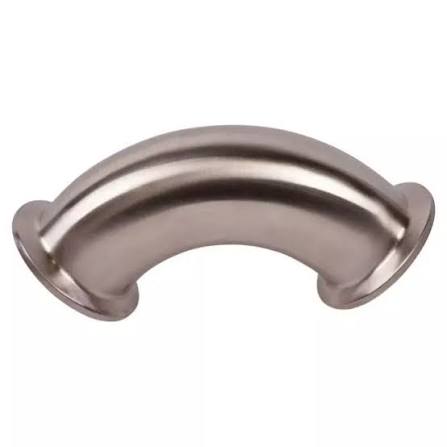
The Value and Selection of Steel Elbow Pipe
In industrial piping systems, the Steel elbow pipe serves as a fundamental pressure-bearing component that functions as the “steering hub.” Whether in the high-temperature steam lines of onshore refineries or the hydraulic circuits of deep-sea engineering, the reliability of the elbow directly determines the safety lifecycle of the entire transport system.
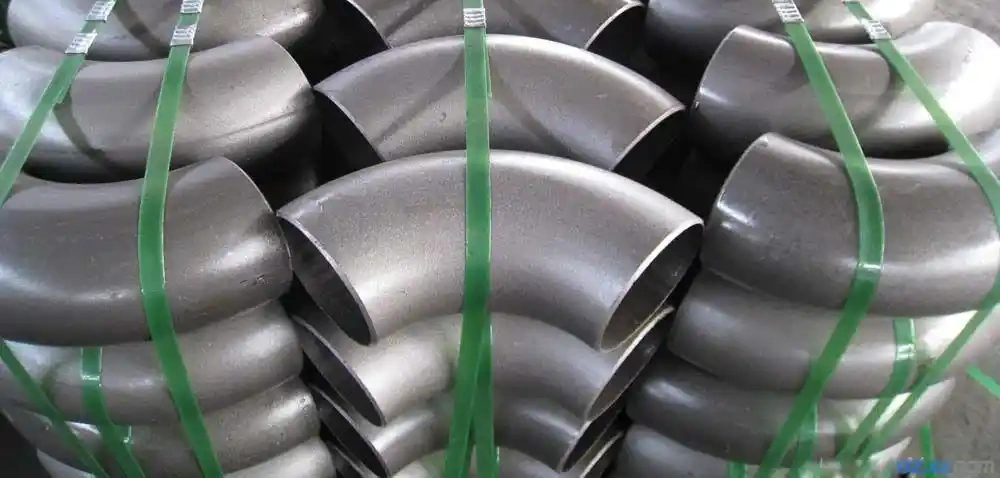
I. Clarifying Steel Pipe Elbow Types Is the Cornerstone of Professional Selection
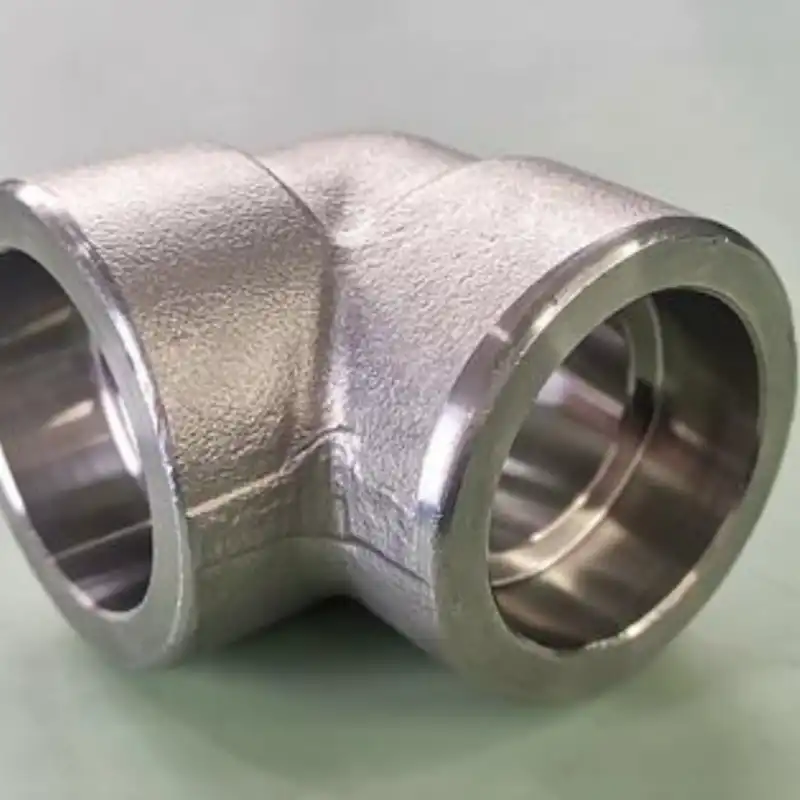
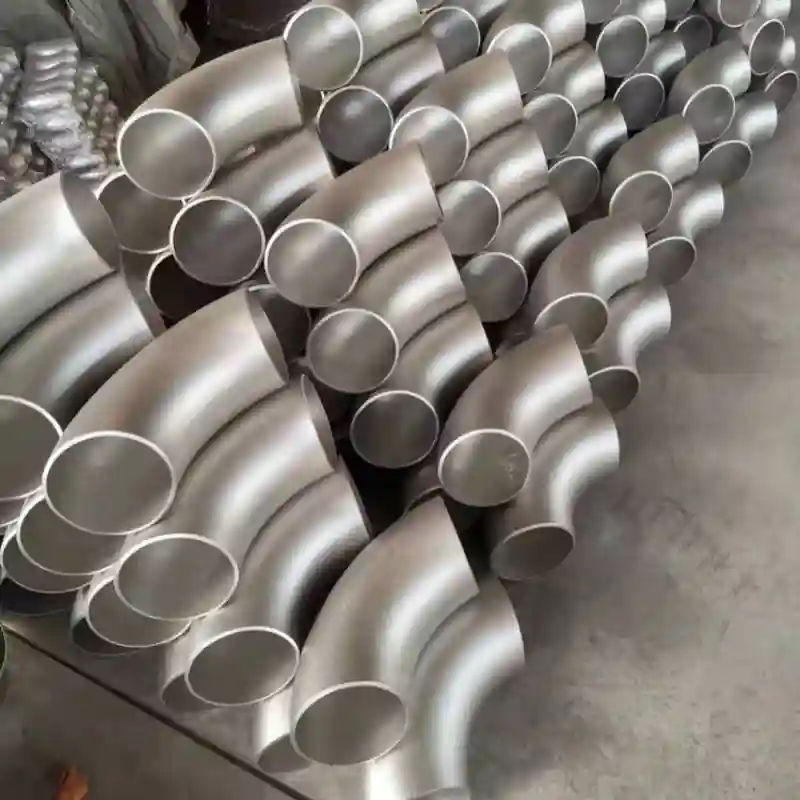
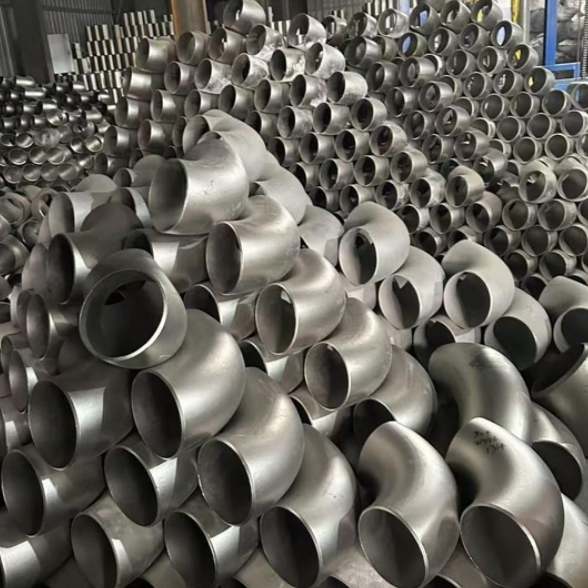
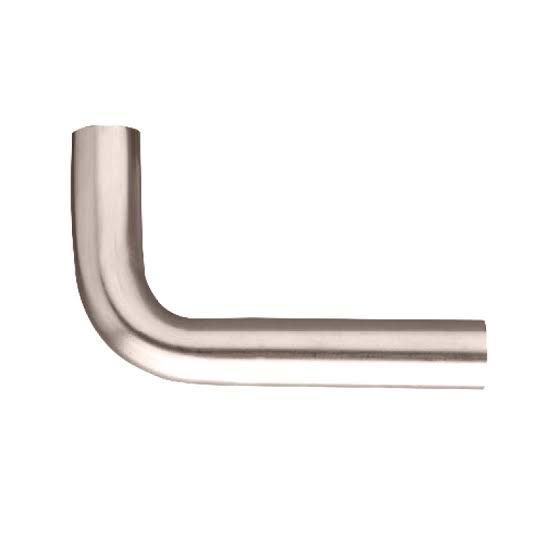
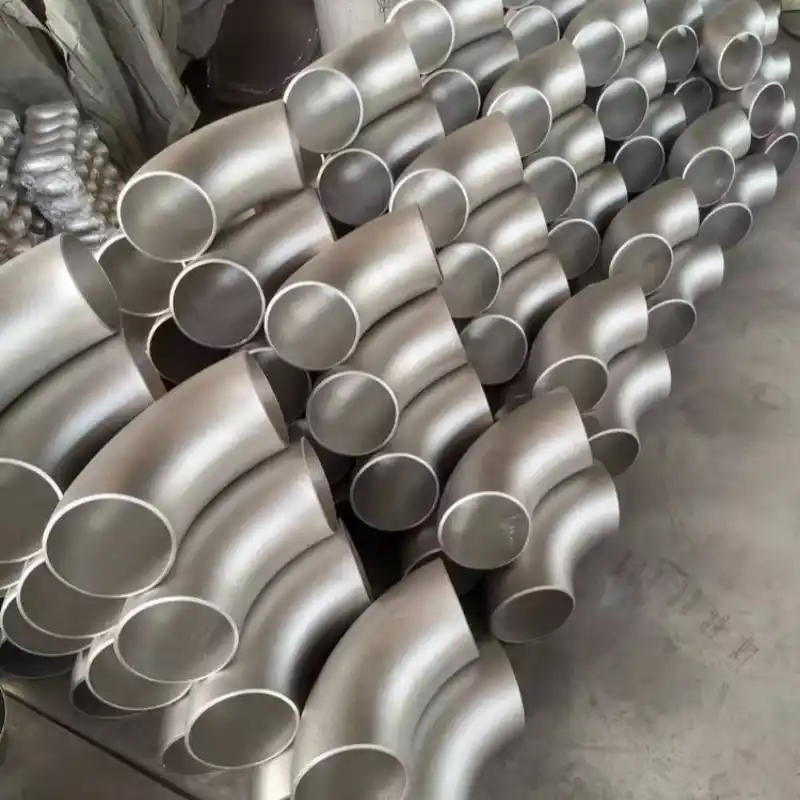
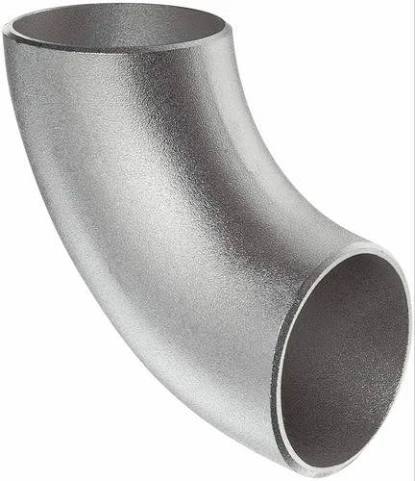
✔️ Based on the radius of curvature, engineering practice primarily distinguishes between Long Radius Steel Pipe Elbow (LR, R=1.5D) and Short Radius (SR, R=1.0D). LR elbows dominate in petrochemical and precision HVAC applications due to their lower fluid resistance and reduced erosion wear. By connection method, they are divided into Butt-weld and Socket-weld types—the former being suitable for high‑pressure, high‑temperature main lines, while the latter is commonly used for branch lines with smaller nominal diameters.
II. Practice of 90 Degree Steel Pipe Elbow Fittings in Key Industries
✔️ Every change in pipeline direction introduces pressure drop and vortex formation. 90 Degree Steel Pipe Elbow Fittings are the most frequently used category on site. In marine engineering and shipbuilding, where piping layouts are extremely compact, these elbows enable three‑dimensional media transport within cramped engine rooms. Particularly in firefighting systems and ballast water treatment systems, the impact toughness requirements for these elbows are exceptionally stringent.
III. Classic Case: Steel elbow pipe in the “Icon of the Seas” Engineering Benchmark
✅When it comes to reliability and extreme‑condition validation, the world’s largest luxury cruise ship—the Icon of the Seas—is a notable example. This mega‑vessel features a piping network totaling over tens of kilometers in its engine room and propulsion systems. Its core cooling system and fuel supply lines extensively employ high‑grade Steel elbow pipe.
✅Faced with severe marine salt‑spray corrosion, continuous vibration, and high‑pressure surges, these elbows—thanks to precise Steel Pipe Elbow Dimensions control and uniform wall thickness transitions—successfully ensured zero‑leakage operation during transoceanic voyages. This case sufficiently demonstrates that elbows complying with international standards are the safety foundation of large‑scale complex projects.
IV. Focus on Routine Projects: Applicability of Schedule 40 Steel Pipe Elbow
✔️ For the vast majority of medium‑ and low‑pressure civil construction and municipal heating projects, the Schedule 40 Steel Pipe Elbow is the most globally common wall thickness grade. It offers an excellent balance of weldability and cost‑effectiveness.
When verifying Steel Pipe Elbow Dimensions, purchasers must pay close attention to whether the end outside diameter (OD) and wall thickness (WT) match ASME B16.9 or EN 10253 standards—this is a prerequisite for ensuring stress‑free fit‑up on site.
Conclusion
📌From onshore petrochemical plants to mega‑ships like the Icon of the Seas, the Steel elbow pipe remains the most rigid element within the industrial vascular system. Professional purchasers must look beyond price‑only considerations and gain a deep understanding of Steel Pipe Elbow Types and dimensional tolerances, in order to identify truly long‑life, low‑maintenance quality fittings across the global supply chain.