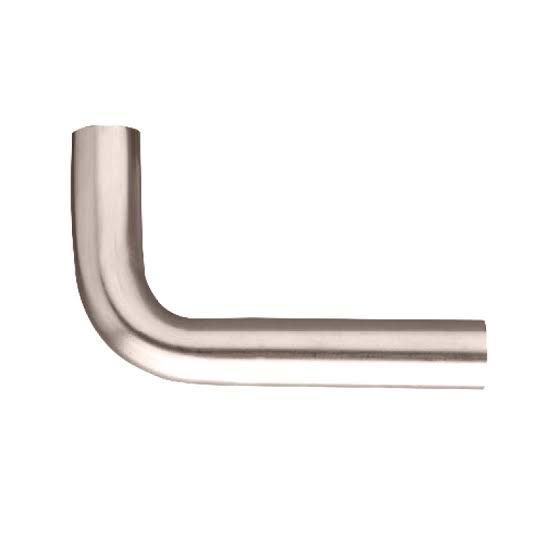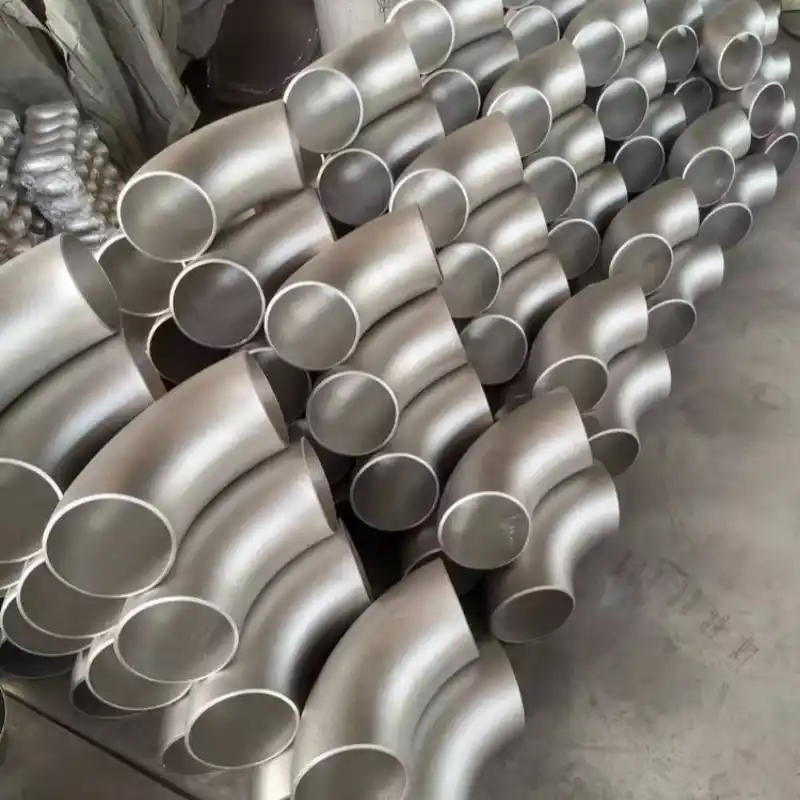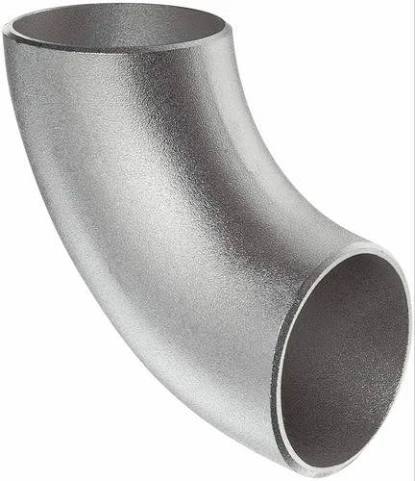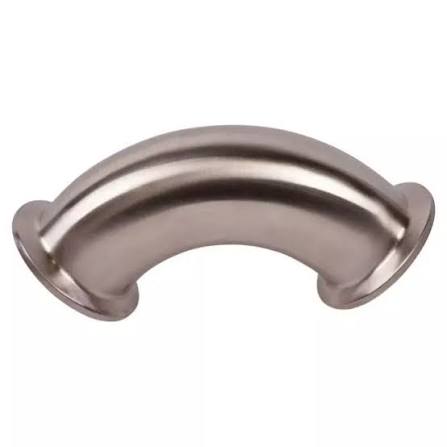
In industrial piping and civil water supply and drainage systems, the steel 90 degree elbow is one of the most fundamental and critical pipe fittings. It serves multiple functions: changing the flow direction of the medium, reducing pipeline stress, and saving installation space.
➡️However, choosing the wrong elbow can, at best, increase pressure drop, and at worst, cause leaks or even safety accidents. So, how can engineering procurement personnel and designers scientifically select a steel 90-degree elbow? This article, referencing international pipe fitting standards and real application cases, breaks down the key selection points.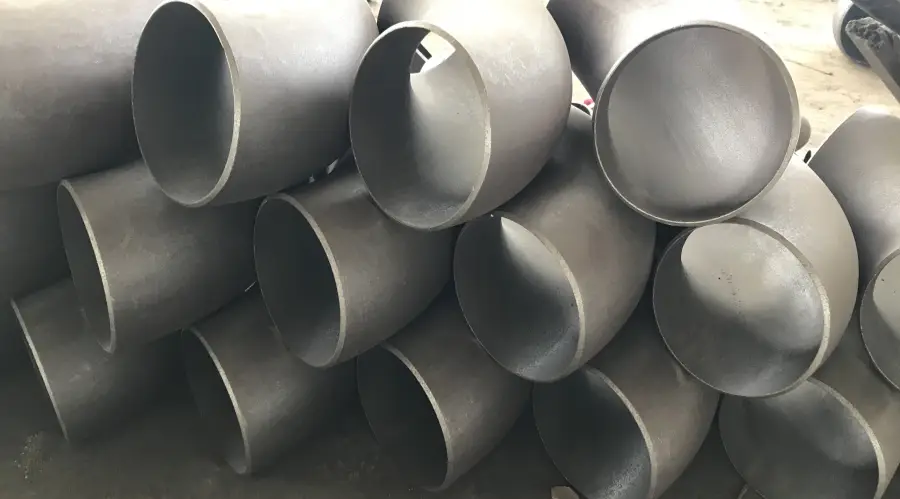
1. Define the Operating Conditions: Pressure, Temperature, and Medium
➡️The first step in selection is always to clarify the system’s working pressure, operating temperature, and conveyed medium. For high-temperature steam or corrosive chemical media, carbon steel materials (e.g., ASTM A234 WPB) with corrosion-resistant coatings are typically used; for drinking water or food-grade applications, stainless steel materials are preferred. If the system pressure exceeds 2.5MPa, a schedule 40 steel pipe 90 degree elbow or higher wall thickness grades (e.g., Sch 80, Sch 160) should be selected to ensure pressure safety.
2. Master the Core Dimensional Standards: carbon steel 90 degree elbow dimensions
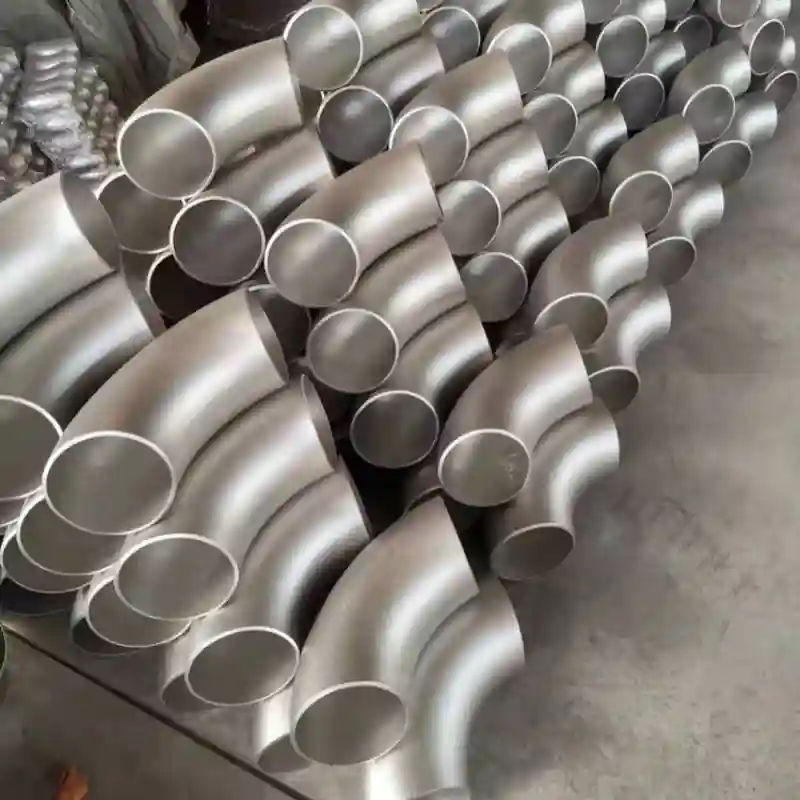
☑️The internationally accepted dimensional standards for elbows are ASME B16.9 (for butt-welding) and ASME B16.11 (for socket-welding/threaded). During selection, three key parameters must be confirmed: nominal diameter (DN or NPS), wall thickness (Schedule), and bending radius (long radius LR or short radius SR).
☑️Long radius elbows (R=1.5D) have lower pressure drop and better wear resistance, making them the first choice for most conditions; short radius elbows (R=1.0D) are used where space is constrained. For example, in petrochemical plants, the precise matching of carbon steel 90 degree elbow dimensions directly affects pipeline stress calculations and support/hanger layout – it must never be estimated by experience.
3. Connection Method Determines Installation Efficiency: 90 degree steel pipe elbow fittings
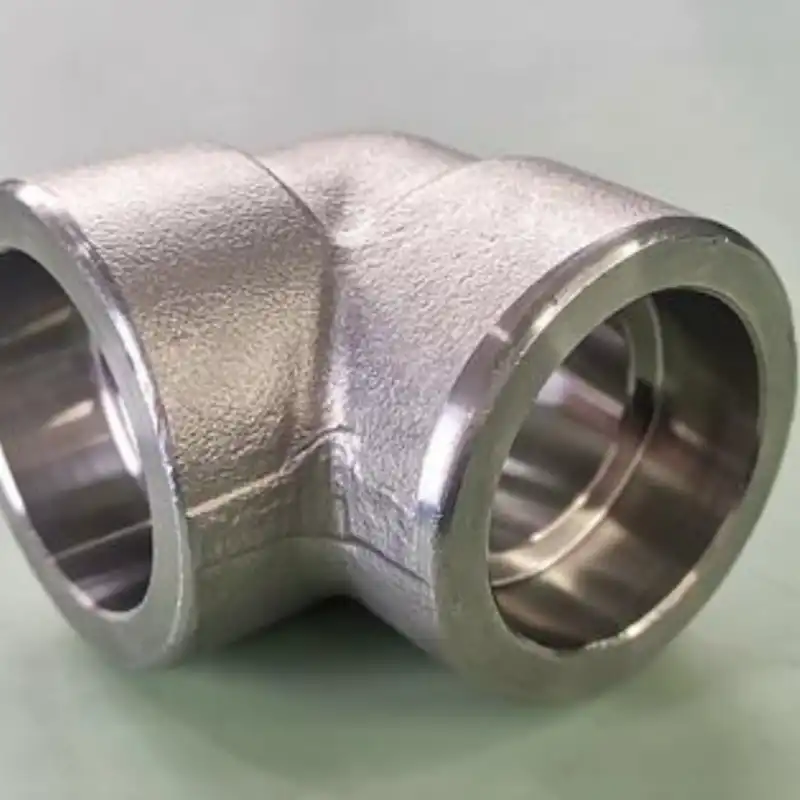
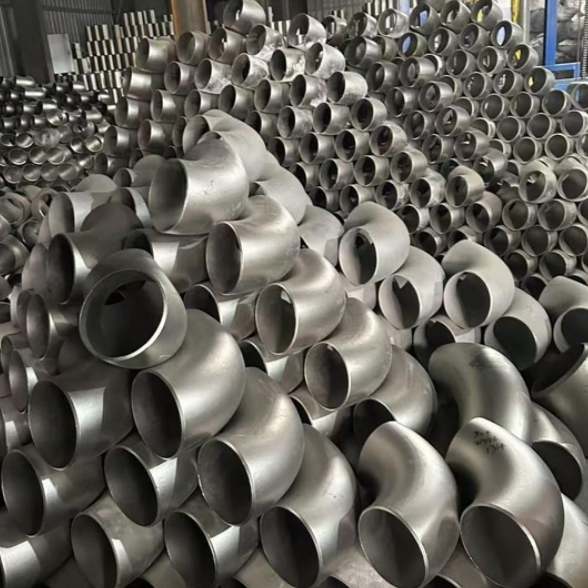
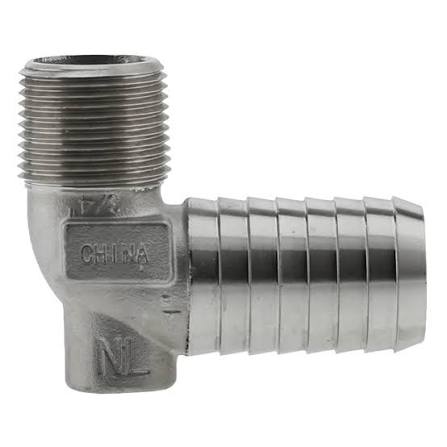
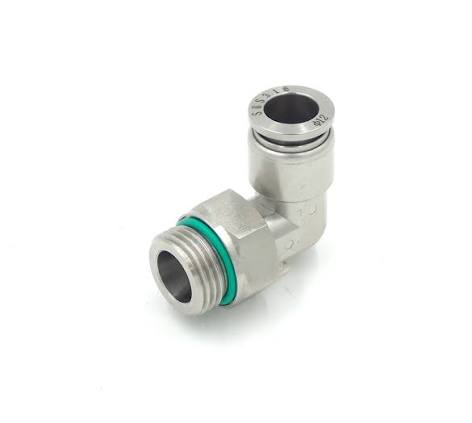
☑️Steel 90-degree elbows can be classified by connection type into butt-welding (BW), socket-welding (SW), threaded (THD), and grooved types. Butt-welding elbows offer the highest strength and are suitable for high-temperature, high-pressure main pipelines; threaded elbows are mostly used for small-bore (≤2 inch) instrument lines or fire protection branches.
☑️When selecting 90 degree steel pipe elbow fittings, considerations also include on-site welding procedure qualifications, non-destructive testing requirements, and subsequent maintenance convenience. A common mistake is neglecting the bevel form at both ends of the elbow – butt-welding elbows must have bevels conforming to ASME B31.3 standards; otherwise, weld quality cannot be guaranteed.
4. Application Case: Water Supply Retrofit Project in Pujiang Dongxu Residential Community, Shanghai
✅Theory must be linked to practice. In the old water supply network retrofit project of the Pujiang Dongxu residential community in Shanghai, the design team initially planned to use ordinary welded elbows. However, considering the densely buried underground pipelines, limited turning radii, and relatively large supply pressure fluctuations (0.6–0.8 MPa), they ultimately selected a steel 90 degree elbow (DN150, Sch 40, long-radius butt-welding type, made of Q235B hot-dip galvanized steel).
✅This elbow was installed at the corners of three main water supply branches in the community, successfully controlling the pipeline pressure drop within 0.02 MPa. After three consecutive years of operation, no corrosion or joint leakage issues have occurred. This case fully demonstrates that systematic selection based on operating conditions, dimensional standards, and connection processes is far more reliable than simply choosing the lowest-priced option.
5. Practical Recommendations for Procurement and Acceptance
📍Finally, procurement personnel should require suppliers to provide material test certificates (MTC), heat treatment reports, and dimensional inspection records. For a steel pipe elbow 90 degree, special attention should be paid to ovality (should not exceed 1% of the outside diameter) and wall thickness reduction (the minimum wall thickness at the extrados must not be less than 87.5% of the design wall thickness). It is recommended to use 3D laser scanning for batch sampling inspection to ensure consistency with the design drawings.
Conclusion
📌Correctly selecting a steel 90 degree elbow is not simply “buying an elbow” – it is a systematic decision that integrates pressure, temperature, dimensions, standards, and connection technology. We hope this article helps you make safer, more economical, and longer-lasting choices in your future projects.