Why can’t I find high-quality 304 stainless steel pipe fittings nearby?
▶️When we need to locally procure stainless steel pipe fittings, is it common to find incomplete stock sizes, or suppliers unable to provide detailed material certificates?
▶️Many engineers searching for “stainless steel fittings near me” often find themselves caught between price and quality. To solve this problem, we must first step beyond geographic limitations and instead start from technical specifications and certification standards, redefining what a “reliable supplier” truly means.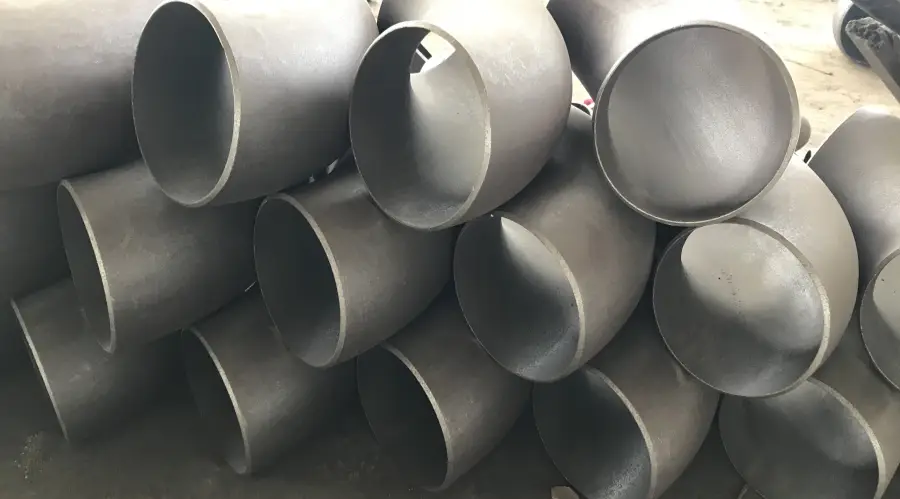
Understanding the core specifications of stainless steel pipe fittings (stainless steel pipe fittings specifications)
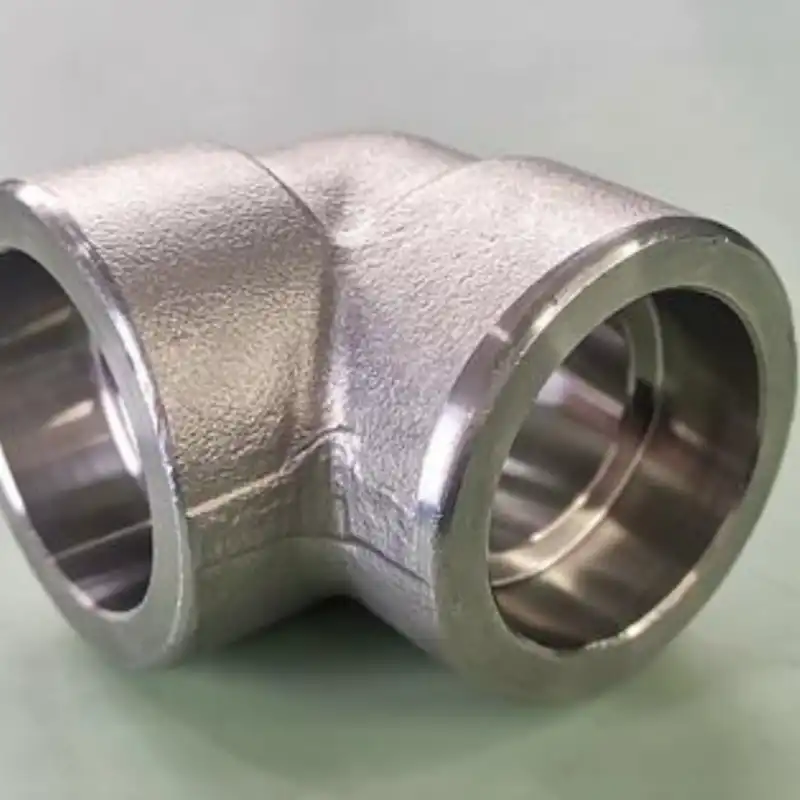
✔️Before looking for a supplier, we must clearly define the required stainless steel pipe fittings specifications. This is not simply “I need an elbow” – it involves wall thickness (Schedule), end connection types (e.g., threaded, socket-weld, or butt-weld), and pressure ratings (e.g., Class 150 or 3000#).
✔️For example, an elbow used in a high-pressure steam system must comply with manufacturing standards such as ASME B16.9 or B16.11, and the material must be clearly specified as 304 or 316L. If the supplier cannot provide complete dimensional tolerance and chemical composition reports, no matter how close they are, they should not be considered.
Selection of fitting types: more than just elbows (types of stainless steel pipe fittings)
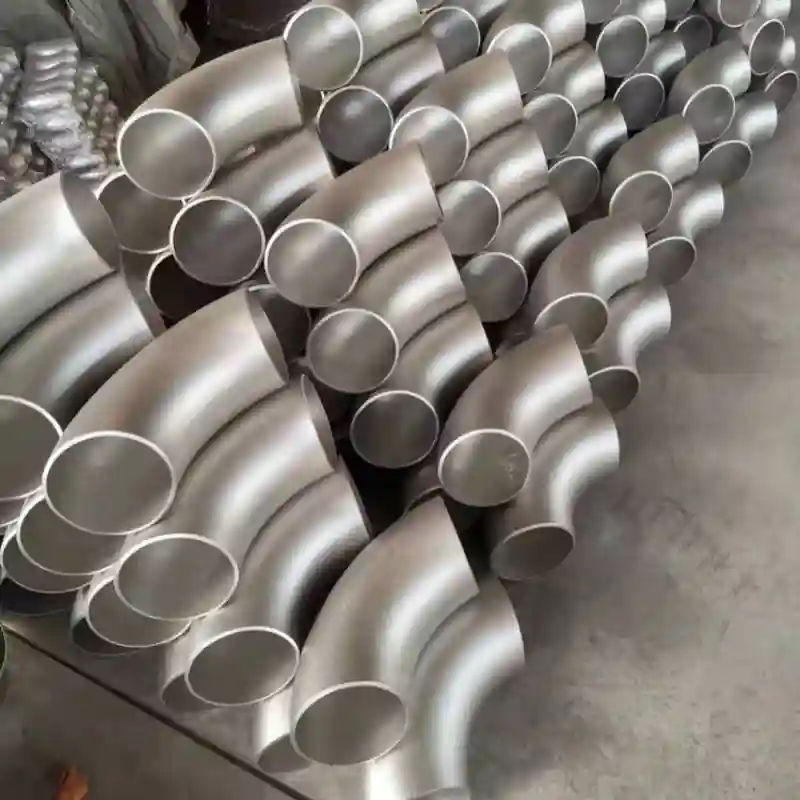
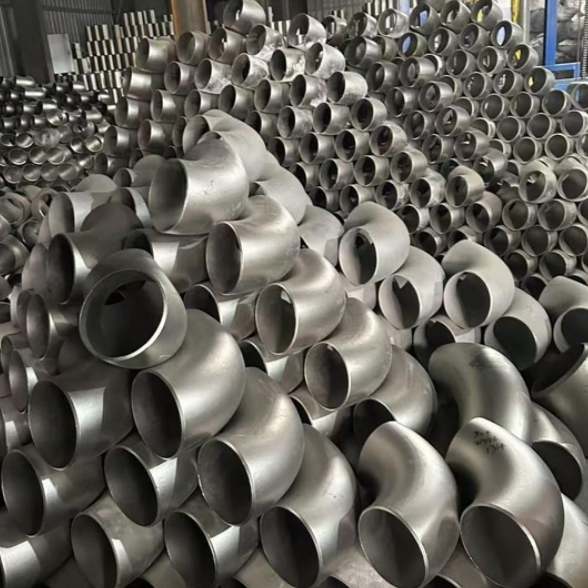
✔️An efficient piping system relies on various types of stainless steel pipe fittings. Besides the common 90-degree elbows and 45-degree elbows, we also need to consider tees, reducers, caps, and unions. Professional purchasers pay attention to whether the fitting’s “applicable standard” is ANSI/ASME (American) or DIN (German), as this directly determines whether the fittings will perfectly match the existing pipeline.
✔️When we search for stainless steel pipe fittings near me, we often get vague results. The professional approach is to list the specific fitting type清单 based on system design drawings and request quotes accordingly.
Installation techniques determine system life (how to install stainless steel pipe fittings)
✅Many leakage problems stem not from fitting quality but from incorrect installation. Understanding how to install stainless steel pipe fittings is key to ensuring system safety. For threaded connections, proper sealing tape or compound must be used, and torque must be controlled to avoid cracking the ports; for welded fittings, interpass temperature and welding heat input must be managed to prevent “intergranular corrosion” (commonly known as “sensitization”).
✅It is advisable for users to prioritize suppliers that offer installation technical guidance or after-sales support when selecting a supplier – this is often a distinguishing mark between “booth-type” distributors and legitimate manufacturers.
Dimensional matching: a detail not to be overlooked (stainless steel pipe fittings dimensions)
✅Whether replacing old parts or building a new project, verifying stainless steel pipe fittings dimensions is the most fundamental step. Dimensions here refer not only to nominal diameter (DN or NPS) but also to center-to-face distance (for elbows), length (for reducers), and effective thread length.
✅A common mistake is confusing “outer diameter” with “inner diameter,” resulting in fittings that fail inspection by the supervising engineer. When consulting suppliers, providing accurate dimensional drawings (e.g., CAD sketches) can greatly improve communication efficiency and avoid subsequent returns or exchanges.
Strategic procurement: where to obtain quality fittings (where to buy stainless steel pipe fittings)
✅Back to the initial question: where to buy stainless steel pipe fittings? The ideal strategy is not limited to “near me” but rather to establish a combined procurement model of “local warehousing + source factory.”
✅We can leverage local suppliers’ quick-response advantage for emergency restocking, but for bulk orders or special-material fittings, we should directly engage with source manufacturers that hold ISO9001 and PED certifications.
✅Such factories are usually located in industrial parks, equipped with comprehensive heat-treatment facilities and spectrometric testers, ensuring full traceability for every batch of fittings.