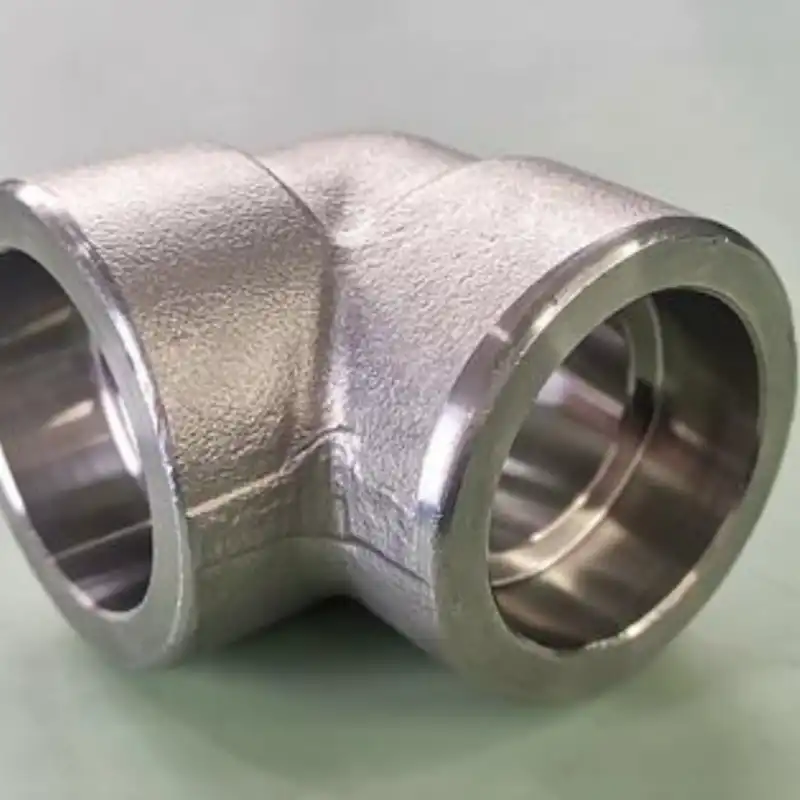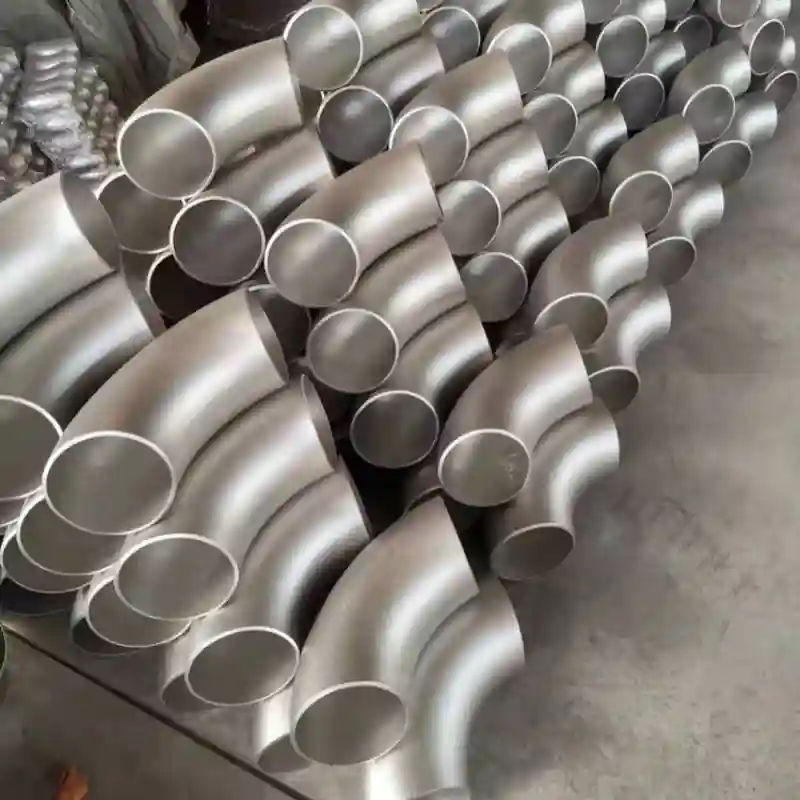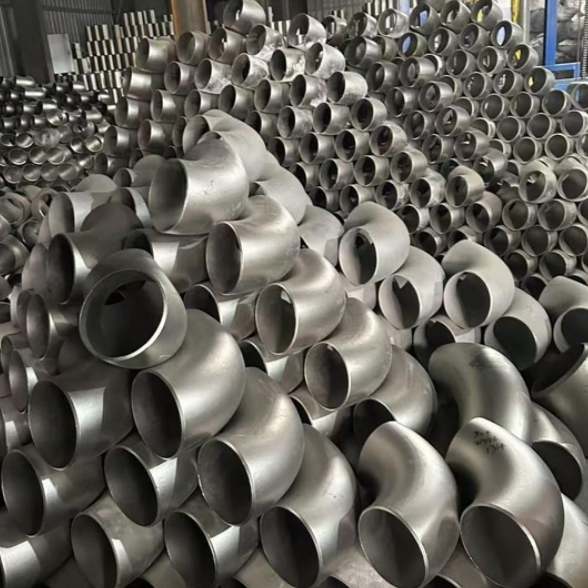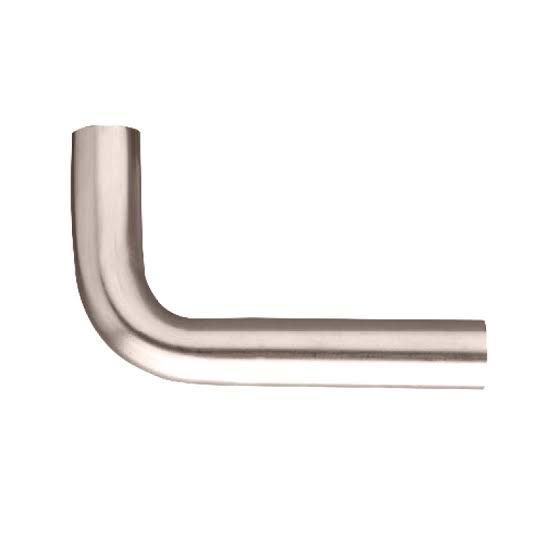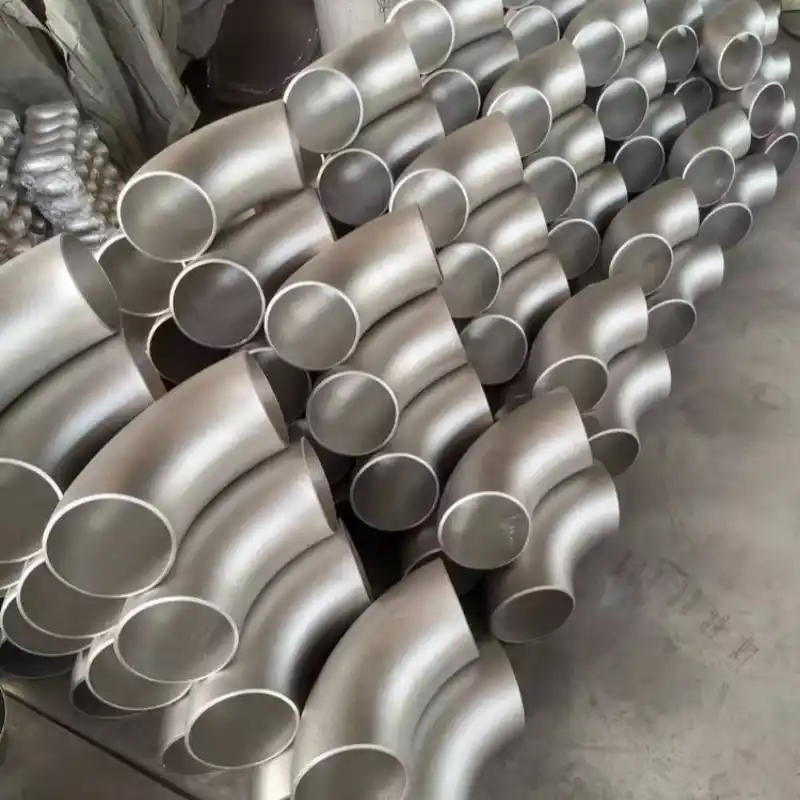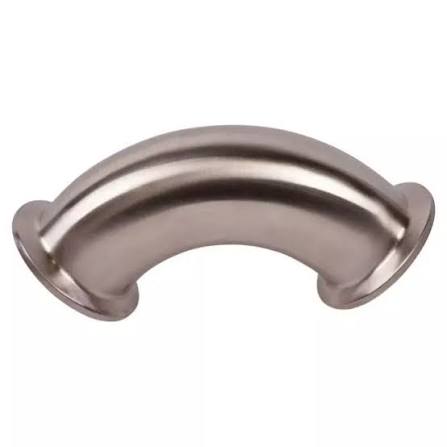
In the food, pharmaceutical, and biotechnology industries, the cleanliness of piping systems directly determines product quality. The sanitary elbow is an indispensable directional‑change component in these high‑requirement lines. Its role goes far beyond simply “turning a corner”—it must ensure that fluid passing through the elbow leaves no residue, causes no contamination, and is easy to clean and sterilize.
1. Stainless Steel Sanitary Short Elbows – Typical Scenarios
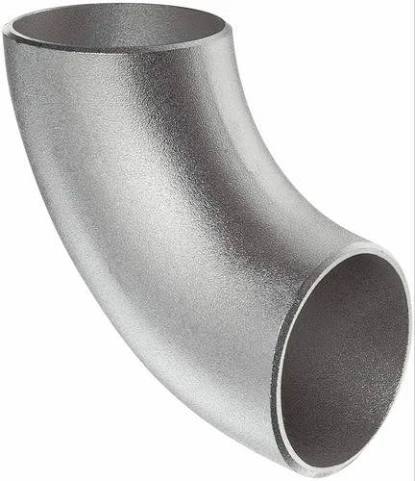
✔️Short‑radius sanitary elbows are typically used inside compact equipment, such as fillers, homogenizers, and fermenter inlet/outlet connections. Their center radius is approximately 1× the pipe diameter, offering a sharp turn but saving installation space.
✔️In the dairy industry, these elbows are often used for conveying pasteurized milk after heat treatment. Because the flow velocity is relatively high, the short‑radius design does not significantly increase resistance. Meanwhile, the 316L stainless steel material and internal surface smoothness below 0.4 μm (Ra ≤ 0.4 µm) effectively prevent protein and fat adhesion.
✔️For example, at Nanchang Sunshine Dairy Plant, during a piping renovation of the fresh milk pretreatment line, the plant adopted 1.5‑inch and 2‑inch short‑radius sanitary elbows in batches to connect the plate heat exchanger and the buffer tank.
✔️After two years of use, CIP (Clean‑in‑Place) validation showed that biofilm residue at the elbow locations was reduced by approximately 92 % compared to the previous old‑style threaded elbows, significantly extending the continuous production cycle.
2. Stainless Steel Sanitary Weld Long Sweep Elbows – Why Long‑Radius Is the Mainstream Choice
✅Long‑radius elbows (radius ≈ 1.5× pipe diameter) are the preferred choice for most sanitary piping systems. Their smoother turn results in lower pressure drop, making them especially suitable for higher‑viscosity or particle‑containing fluids (e.g., fruit juices, dairy beverages, cell culture media). After welded installation, the inner surface is smooth and gapless, fully complying with ASME BPE and 3‑A sanitary standards.
✅These elbows are typically joined by orbital automatic welding, producing smooth weld seams that are easy to inspect with borescopes. For pharmaceutical WFI (Water for Injection) piping, long‑radius elbows are almost mandatory, as any dead leg can become a breeding ground for endotoxins.
3. Stainless Steel Tri‑Clamp 90° Elbow – The Convenience of Quick‑Connect Clamp Fittings
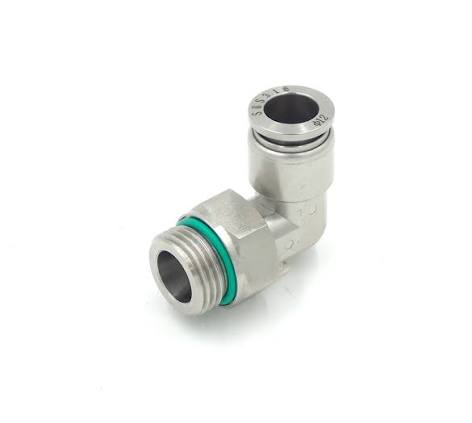
✅If you need frequent disassembly for cleaning or product changeovers, the tri‑clamp‑connected 90° elbow is the most practical choice. It relies on gasket sealing and quick‑clamp locking, requiring no welding and offering flexible installation. In food, dairy, and craft breweries, these elbows are widely used for temporary lines, sampling branches, and filtration system bypasses.
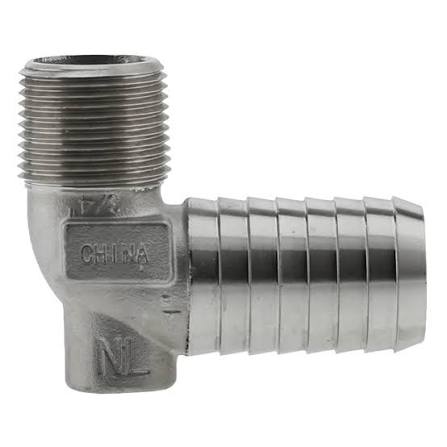
✅Sunshine Dairy Plant also uses clamp‑type sanitary elbows on its CIP return lines, making it easy to dismantle and inspect gaskets and clean internals daily, effectively eliminating dead‑leg accumulation. Currently, major suppliers offer combination units with ½‑inch FNPT threads or direct weld ends.
How to Choose a Reliable Supplier?
When sourcing sanitary elbow products, most buyers want to quickly confirm stock sizes (e.g., 1″, 1.5″, 2″, 3″), material certificates (3.1 or 3.2 B), surface roughness reports, and delivery lead times. A quality supplier should provide:
-
Full material traceability (EN 10204 3.1 certificate)
-
Inner surface electropolished or mechanically polished (Ra ≤ 0.4 µm)
-
Gasket options compliant with FDA and USP Class VI
-
Support for non‑standard custom angles (e.g., 45°, 60°, 180° elbows)
Beyond price, you should also ask about the weld bevel type (butt‑weld or socket‑weld), wall thickness schedule (e.g., Sch 5S, Sch 10S), and whether passivation treatment has been performed. These details determine the elbow’s long‑term corrosion resistance and cleaning efficiency.
Summary
✅Whether you are an engineer in a dairy plant, pharmaceutical factory, or beverage workshop, clarifying the three key selection factors for a sanitary elbow—radius type (short/long), connection method (welded/clamp), and surface finish—will allow you to precisely match your process requirements.
✅Real‑world cases (such as Nanchang Sunshine Dairy Plant) have proven that proper selection of sanitary elbows can significantly improve product quality and overall equipment effectiveness.
📌If you are looking for specific specifications or free samples, consider contacting manufacturers with ISO 9001 and 3‑A certifications—they can provide detailed technical data sheets and installation guidance.