What Exactly Is Schedule 10 Stainless Steel Pipe Used For?
In the design of food/pharmaceutical systems, HVAC, and marine piping, Schedule 10 stainless steel pipe (SCH 10S) appears with remarkable frequency. However, many purchasers hold a misconception—regarding it merely as a “thin-wall pipe.”
In reality, from the perspective of fittings manufacturers, choosing SCH 10S is essentially a comprehensive trade‑off involving fluid efficiency, corrosion resistance, and welding heat input control.
I. Unpacking the combination of “Schedule 10” and “stainless steel”
Per ASTM A312/A778, SCH 10 falls under the “light‑wall” series, while stainless steel (e.g., TP304/316L) endows it with excellent resistance to chloride ions and acid/alkali corrosion.
The combination of these two defines a clear application boundary: it is specifically intended for medium‑to‑low pressure (typically design pressure ≤150 psi, approx. 1.0 MPa) systems that require high media cleanliness. Notably, its weight per unit length is only 50%~60% of that of the same‑bore Sch 40S pipe, directly reducing structural load on pipe racks.
II. Wall thickness is not fixed but increases with nominal size
Contrary to common belief, the wall thickness (mm) of SCH 10 increases with NPS (nominal pipe size). For example, at NPS 2 inches the wall thickness is 2.77mm, while at NPS 8 inches it rises to 3.76mm. This graded design balances hoop stress under low pressure for larger diameters.
Because of this physical characteristic, its internal diameter is larger than that of Sch 40S, significantly increasing the flow cross‑sectional area—which has direct engineering and economic value in reducing pumping power consumption for HVAC chilled water systems.
III. Core application scenarios – based on industry journal reviews
Drawing on the International Pipeline & Gas Journal and the ASME B31.3 Process Piping Code, the three major arenas for this pipe are:
-
Food & beverage and pharmaceutical industries (CIP cleaning systems): SCH 10 pipe in 316L offers high internal surface smoothness, and the thin wall facilitates rapid heating/cooling cycles, meeting sanitary sterile requirements.
-
Marine engineering and ships (freshwater/fire‑fighting systems): Its superior resistance to seawater pitting corrosion makes it a replacement for traditional galvanized carbon steel, significantly extending dry‑dock intervals.
-
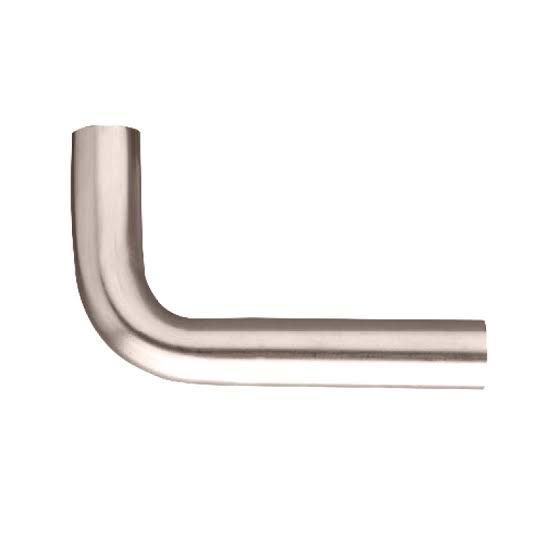
Automotive and high‑performance exhaust manifolds: Leveraging its light‑wall weight reduction and the high‑temperature oxidation resistance of 304 material, it effectively reduces exhaust backpressure.
IV. Unique process requirements for fittings (AIFN professional tip)
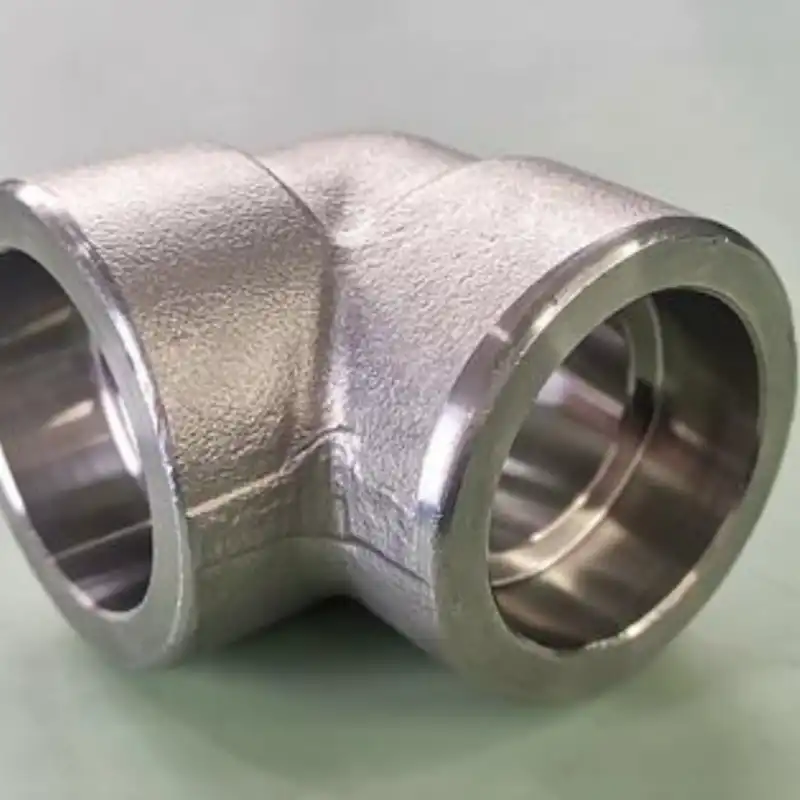
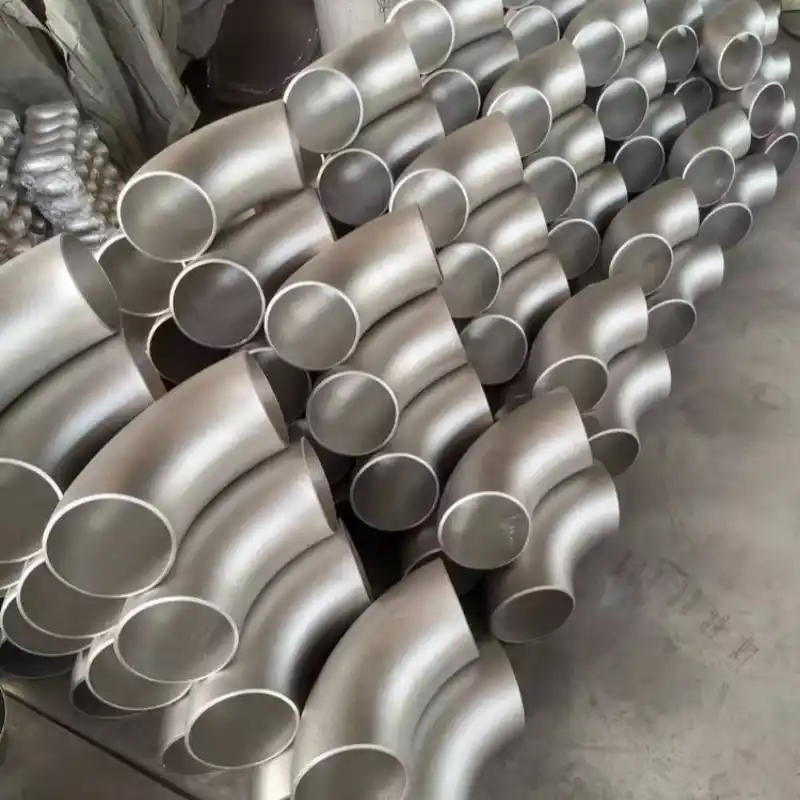
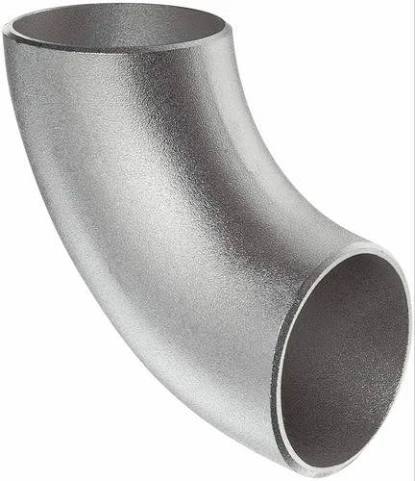
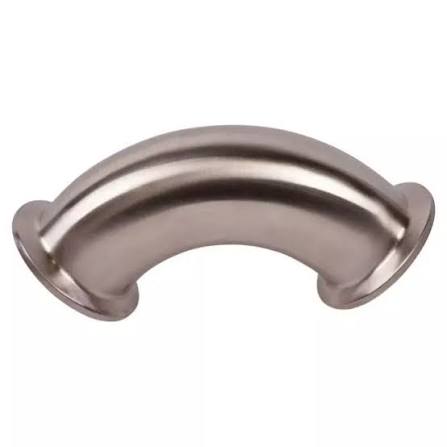
As base material for elbows, tees, and other fittings, SCH 10 stainless steel pipe imposes strict wall‑thickness tolerance requirements on matching fittings. Because the base wall is thin, on‑site welding heat input becomes highly sensitive.
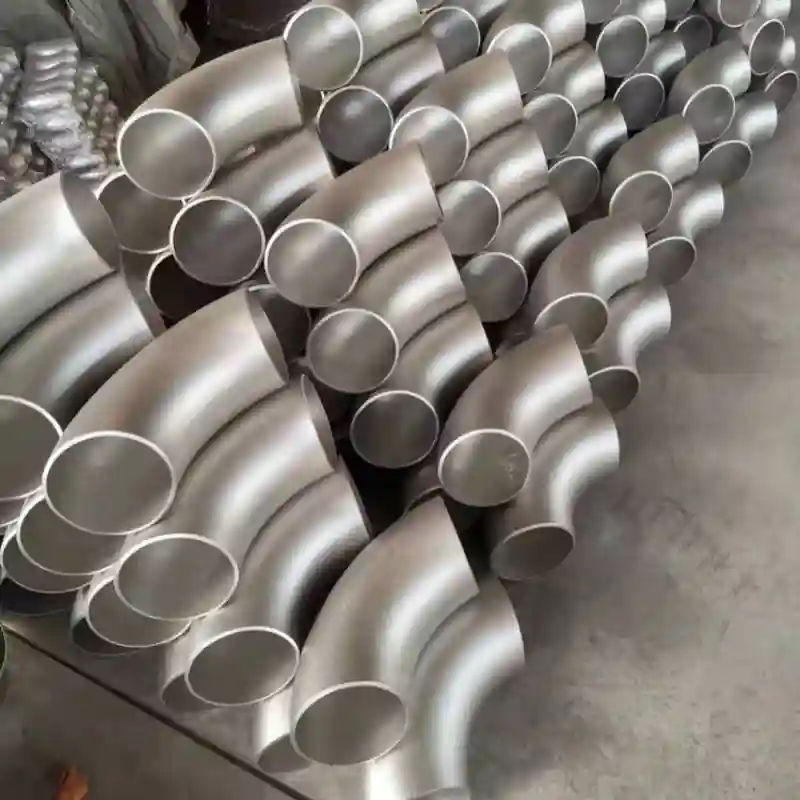
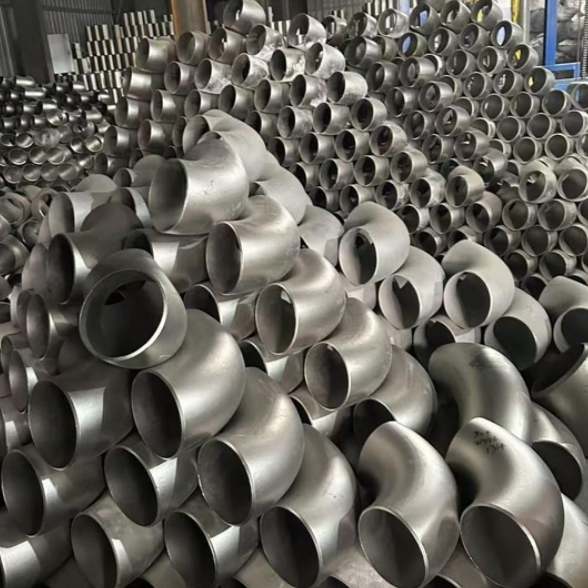
When manufacturing matching elbows in the same series, AIFN strictly follows ASME B16.9 and, in view of the thin‑wall property, appropriately increases the bevel angle.
V. Selection conclusion
In summary, if your project operates below 1.6 MPa and the core requirements are corrosion resistance, weight reduction, and increased flow capacity, Schedule 10 stainless steel pipe offers a golden solution that balances safety margin with procurement cost‑effectiveness. When purchasing matching elbows, be sure to specify the exact wall‑thickness series (SCH 10S) to your supplier—not just the outer diameter—to ensure precise bevel dimensions.
For non‑standard angle elbows or reducing tee sizing calculations, please feel free to contact the AIFN Technical Engineering Department.