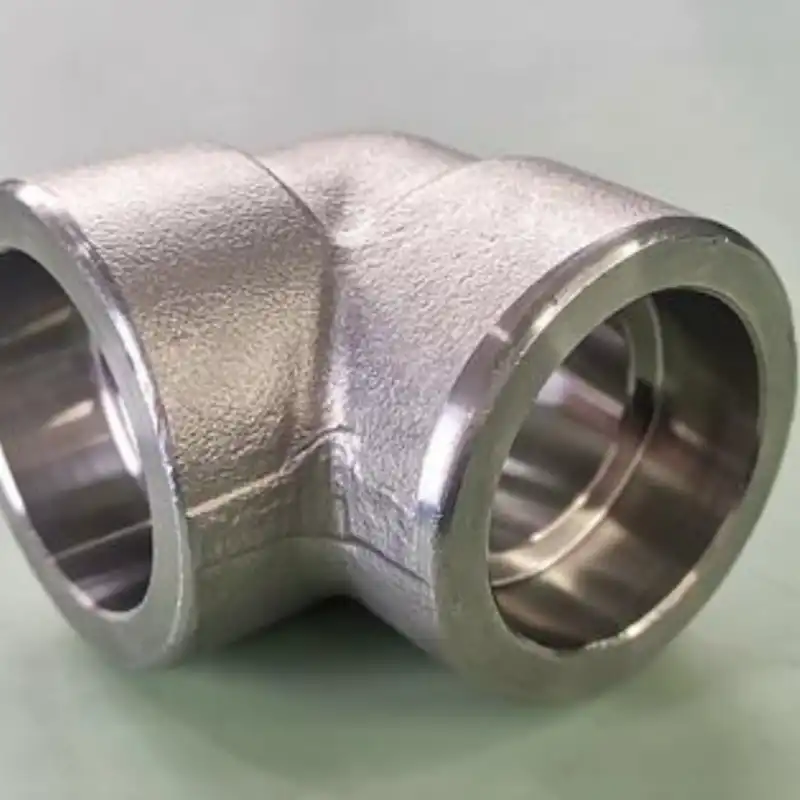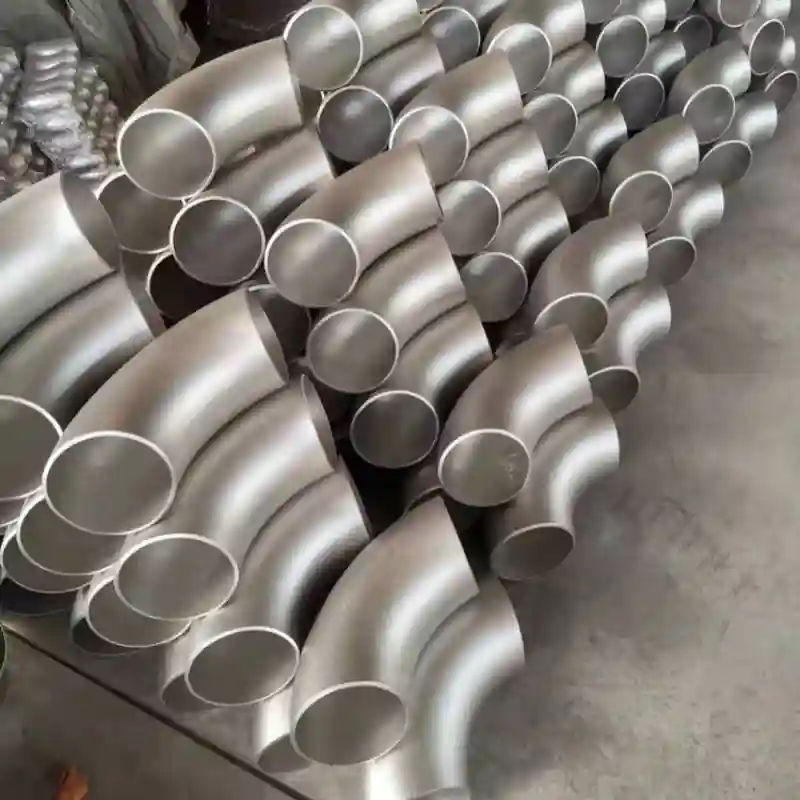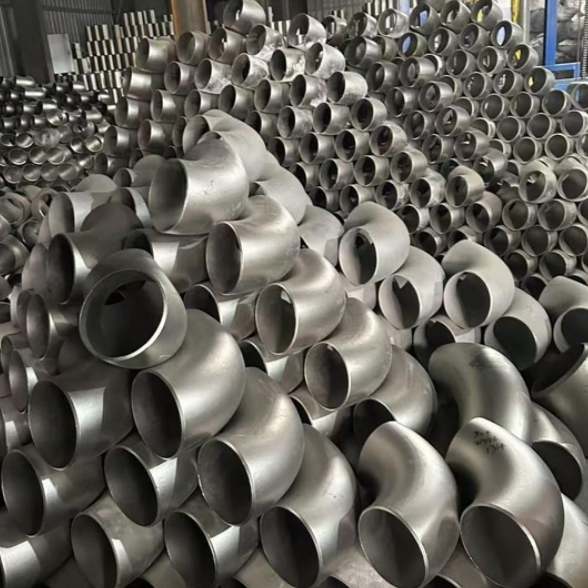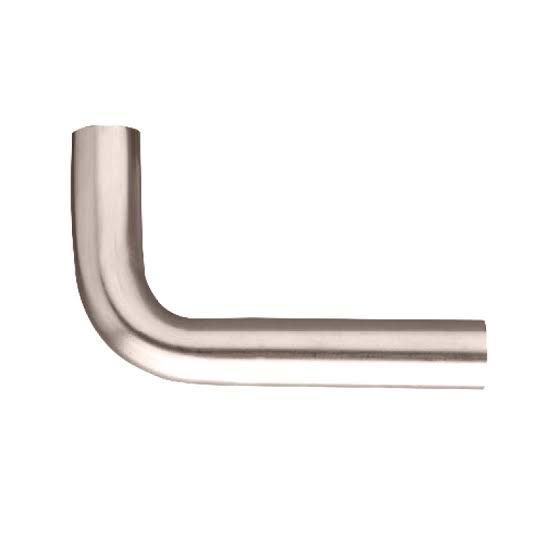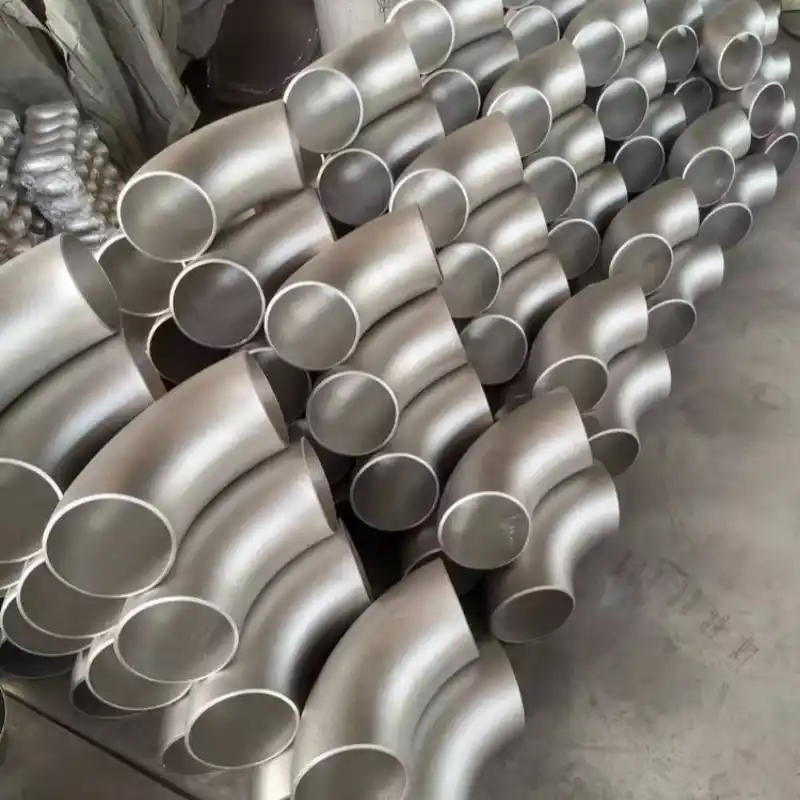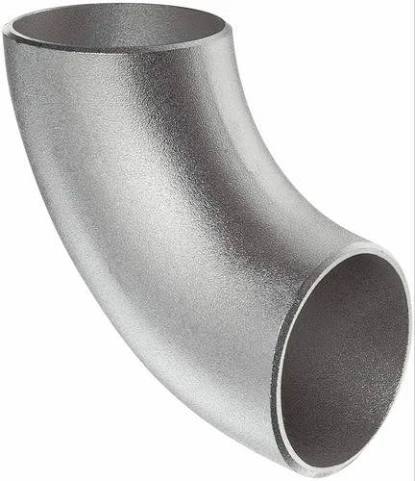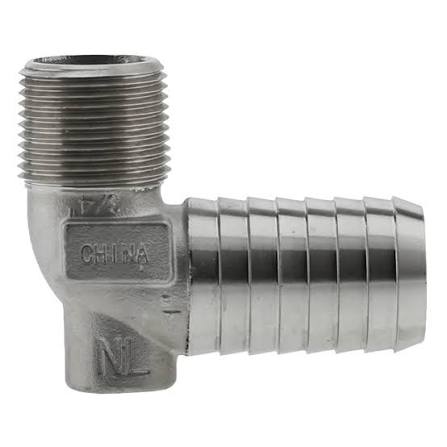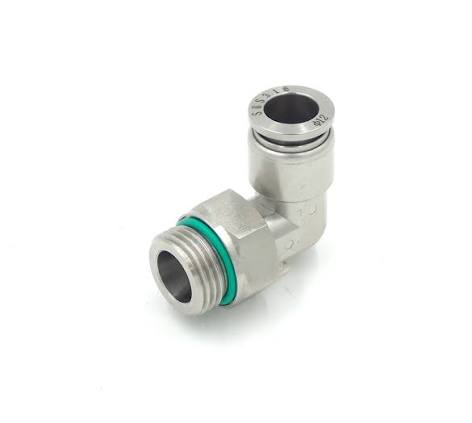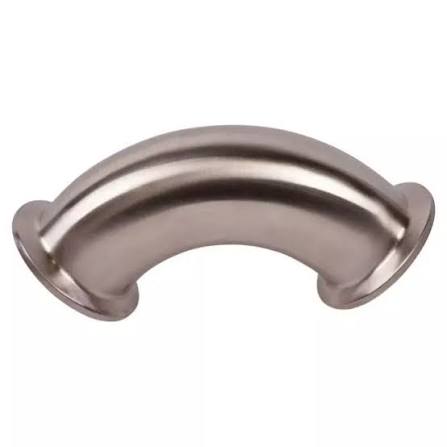
In industrial piping design, selecting the correct connection method directly impacts system safety, maintenance efficiency, and total cost of ownership. Although stainless steel elbows (such as welded elbows or threaded elbows) are the classic solution for pipe turning, there are specific scenarios where stainless steel hose fittings demonstrate irreplaceable advantages.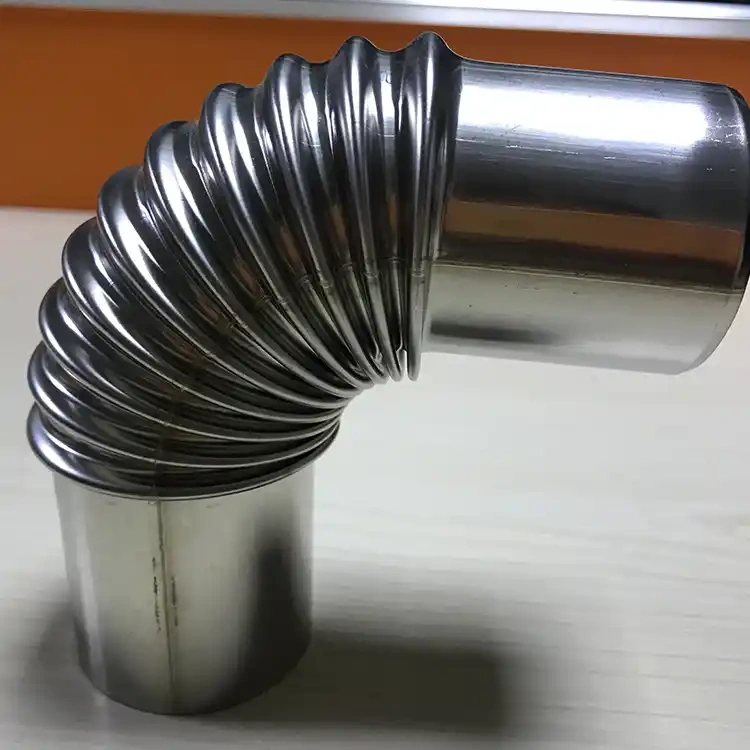
1. Vibration and Flexible Connection Scenarios
✔️When a piping system is subject to continuous mechanical vibration or thermal expansion/contraction (e.g., pump suction/discharge, compressor lines), rigid welded stainless steel elbows are prone to stress fatigue.
✔️In such cases, using a stainless steel hose barb elbow or an assembly with flexible hoses effectively absorbs vibration and prevents weld cracking. This design is common in petrochemical and HVAC systems and is an industry‑recognized vibration‑damping solution.
2. Quick Installation and Maintenance Requirements
➡️At workstations that require frequent disassembly for cleaning or component replacement (e.g., sanitary lines in food/pharmaceutical industries, water treatment equipment), using stainless steel hose fittings (such as stainless steel pex elbow or quick‑connect fittings) can significantly shorten downtime.
➡️Compared with welded stainless steel elbows, hose fittings require no hot work and can be assembled/disassembled with just a wrench, greatly improving maintenance flexibility.
➡️For example, the double elbow stainless steel washing machine hoses design is specifically optimized for high‑frequency disassembly scenarios such as commercial laundries.
3. Confined Spaces and Misalignment Compensation
⬅️ When pipe connections have slight axial offsets or parallel misalignments, rigid stainless steel elbows cannot compensate for installation errors. In contrast, selecting a stainless steel barbed elbow combined with reinforced hose allows a certain degree of angular deflection and length adjustment, solving the alignment difficulties of hard piping. This is particularly critical in ship piping and engine‑surrounding lines.
4. Pressure Rating and Material Matching
✅It must be emphasized that hose fittings are not suitable for all scenarios. For high‑pressure steam or ultra‑high‑temperature media, stainless steel elbows (e.g., grades 310H or 347H) remain the only choice.
✅However, for water, low‑pressure oils, or compressed air, hose‑fitting types like the stainless steel water elbow provide sufficient pressure resistance (e.g., up to 3000 psi) while reducing costs. Engineers should verify the working pressure and temperature ranges of the fittings in accordance with ASME B31.3 standards.
5. Comprehensive Cost‑Benefit Considerations
✅Although the material cost of a single stainless steel hose fitting may be higher than that of a threaded elbow of the same size, when installation labor, non‑destructive testing (NDT) expenses, and future modification convenience are factored in, the hose‑fitting solution is often more economical over the full lifecycle. In particular, the widespread use of stainless steel pex elbow in residential and commercial buildings is precisely due to its significant advantage of “fast installation and labor savings.”
Conclusion
📍Stainless steel elbows and stainless steel hose fittings are not substitutes for each other but complementary choices. The core decision criteria are: whether vibration exists, whether frequent disassembly is required, and whether installation misalignment is present.
📌It is recommended that during the project design phase, the operating parameters be discussed with the AIFN technical team to obtain the optimal piping connection selection solution.