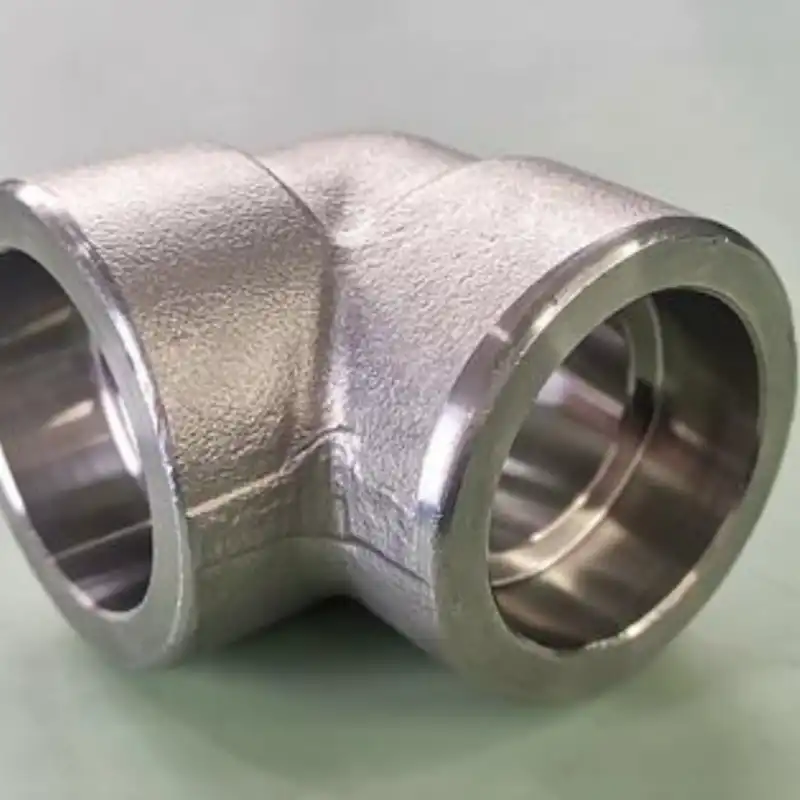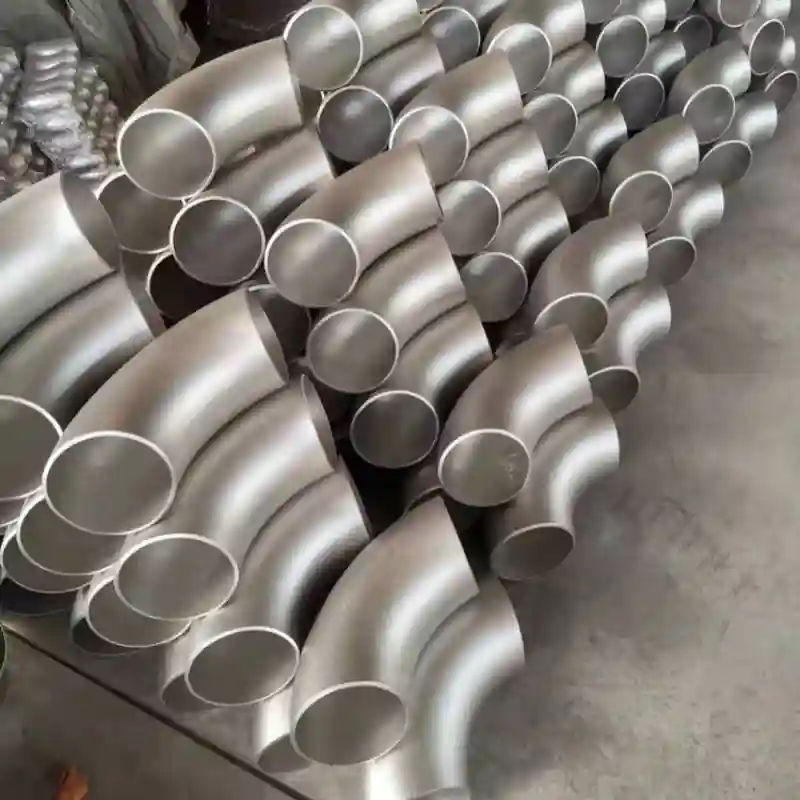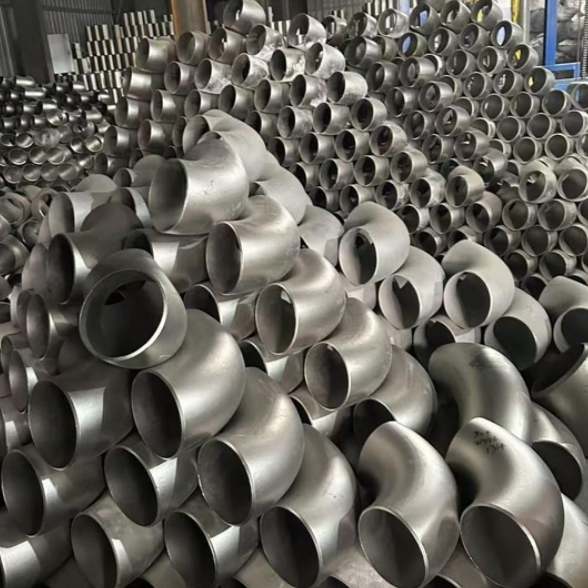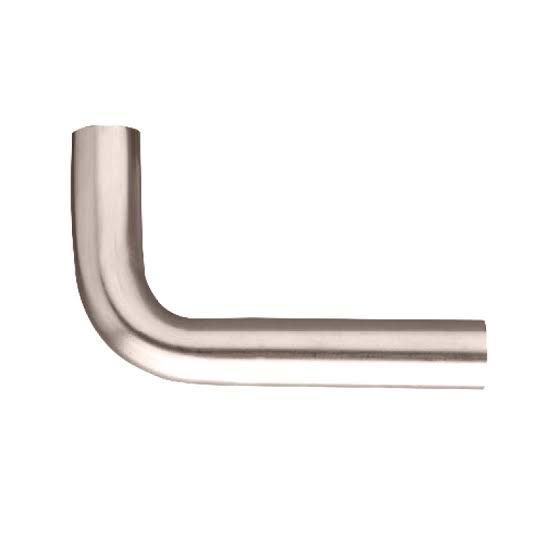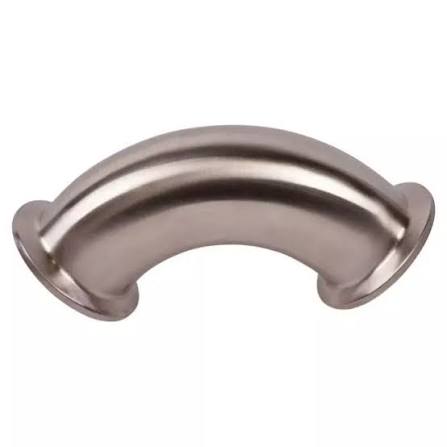
Why is the stainless steel exhaust elbow indispensable to the petrochemical industry?
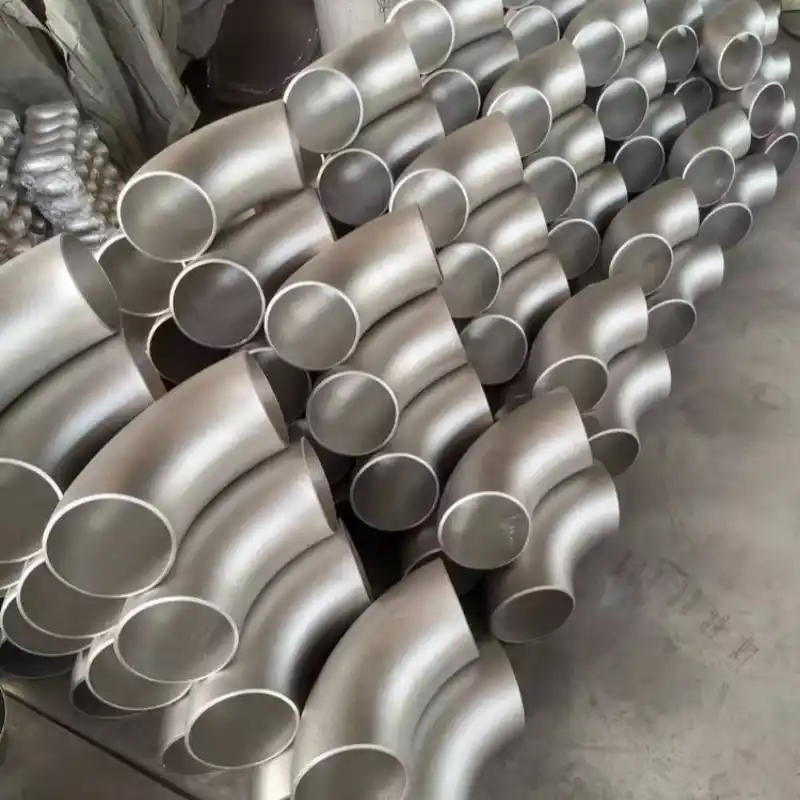
✅In petrochemical production processes, the piping system is often referred to as the plant’s “blood vessels,” and the stainless steel exhaust elbow is the key node within these vessels that changes flow direction and channels high-temperature, high-pressure media.
✅For refineries, chemical plants, or natural gas processing facilities, choosing the wrong elbow not only reduces production efficiency but can also lead to catastrophic leakage accidents. So, what is the core value of this elbow in the petrochemical field?
Corrosion resistance barrier under severe service conditions
✅Petrochemical media typically contain high concentrations of sulfides, chlorides, and organic acids. Conventional carbon steel elbows undergo uniform corrosion or stress corrosion cracking in a very short time under such environments.
✅In contrast, the austenitic stainless steels (e.g., TP310S, TP316L) emphasized by suppliers of 310s stainless steel elbow, owing to their high chromium (Cr) and nickel (Ni) content, can form a dense passive film on the inner pipe wall. This “protective armor” enables the elbow to perform exceptionally well in resisting high-temperature naphthenic acid corrosion and wet hydrogen sulfide damage, making it particularly suitable for overhead pipeline systems in atmospheric and vacuum distillation units.
Structural integrity in high-temperature and high-pressure scenarios
✔️In petrochemical power stations or catalytic cracking units, exhaust elbows often need to withstand regeneration flue gas temperatures exceeding 600°C. At this point, creep strength and thermal fatigue resistance of the material become the primary considerations. Heavy-wall elbows manufactured to welding elbow 304 stainless steel 4″ dimensions standards, combined with butt-welding connection techniques, effectively avoid weld seam tearing caused by uneven thermal expansion.
✔️To ensure zero leakage under extreme conditions, we strictly control wall thickness reduction and ovality during manufacturing, ensuring compliance with ASME B16.9 and ASTM A403 standards, thereby maintaining structural stability of the piping system under alternating loads.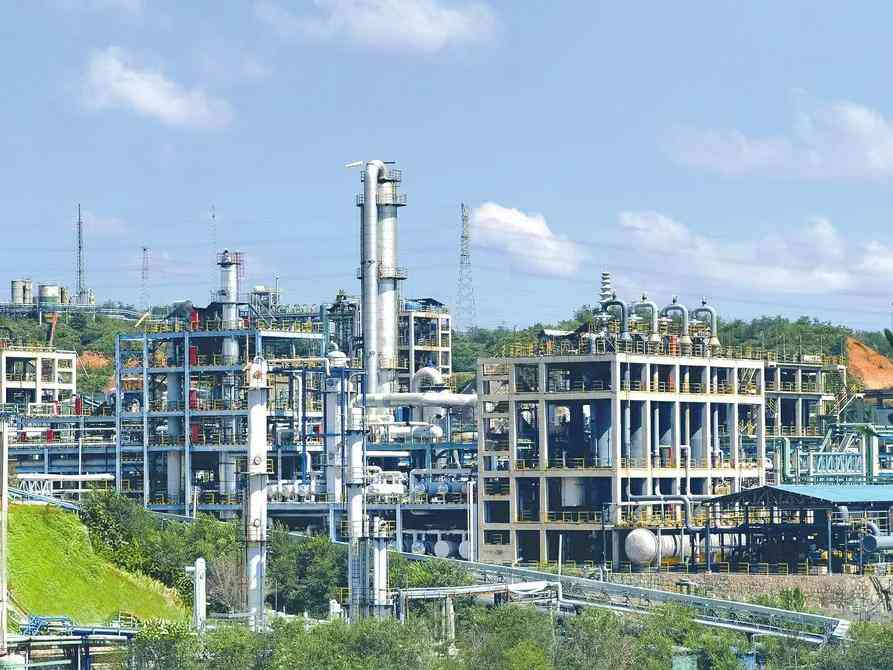
Installation specifications and connection reliability
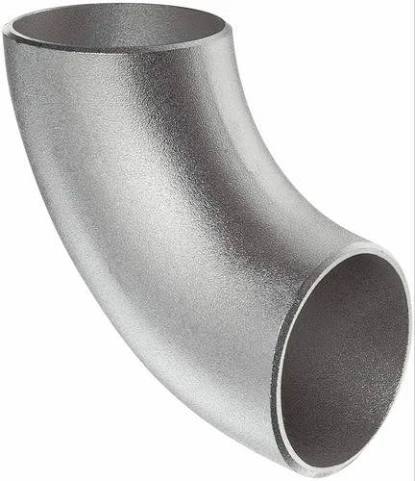
☑️During on-site installation in petrochemical projects, the orientation and support design of the 90 degree stainless steel exhaust elbow directly affect the stress distribution of the piping system.
☑️Experienced engineers prefer to use long radius elbows to reduce fluid turbulence and pressure drop, while utilizing the butt-weld structure of the stainless steel buttweld elbow to replace threaded connections, fundamentally eliminating potential leak points.
☑️In addition, for compressor unit inlet/outlet pipelines subject to high-frequency vibration, heavy-duty elbows with wall thickness ratings of Sch 80S or even Sch 160S are recommended to enhance fatigue fracture resistance in the weld zone.
Procurement and selection recommendations
▶️When faced with a wide variety of stainless steel elbows on the market, purchasers must clearly distinguish the applicable scenarios for cast elbows versus forged elbows. For projects involving hydrogen environments or extremely low temperatures, it is imperative to verify third-party impact test reports and ferrite content measurement results.
▶️While the 3 inch 90 degree exhaust elbow stainless steel is a standard stocked size for quick delivery, it is still necessary to confirm its heat treatment condition—whether solution annealing has been thoroughly performed, as this directly determines the elbow’s resistance to intergranular corrosion.
▶️Only by controlling the entire chain—from design and material selection, through manufacturing and inspection, to installation and maintenance—can the safety potential of stainless steel exhaust elbows be maximized, providing a solid guarantee for long-term stable operation of petrochemical enterprises. If you have any questions regarding elbow selection for specific service conditions, please feel free to contact the AIFN technical team for customized solutions.