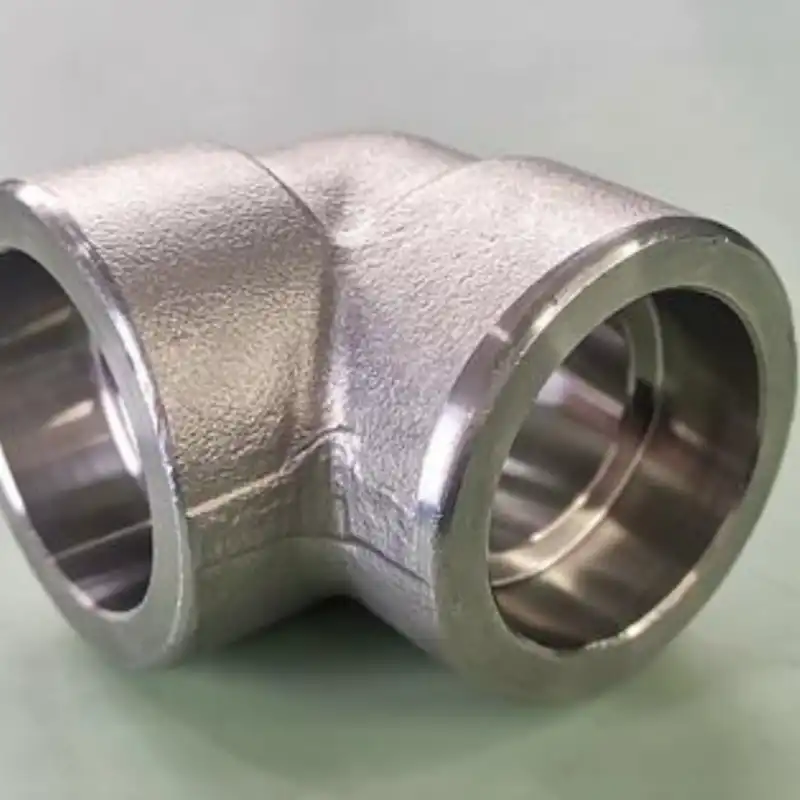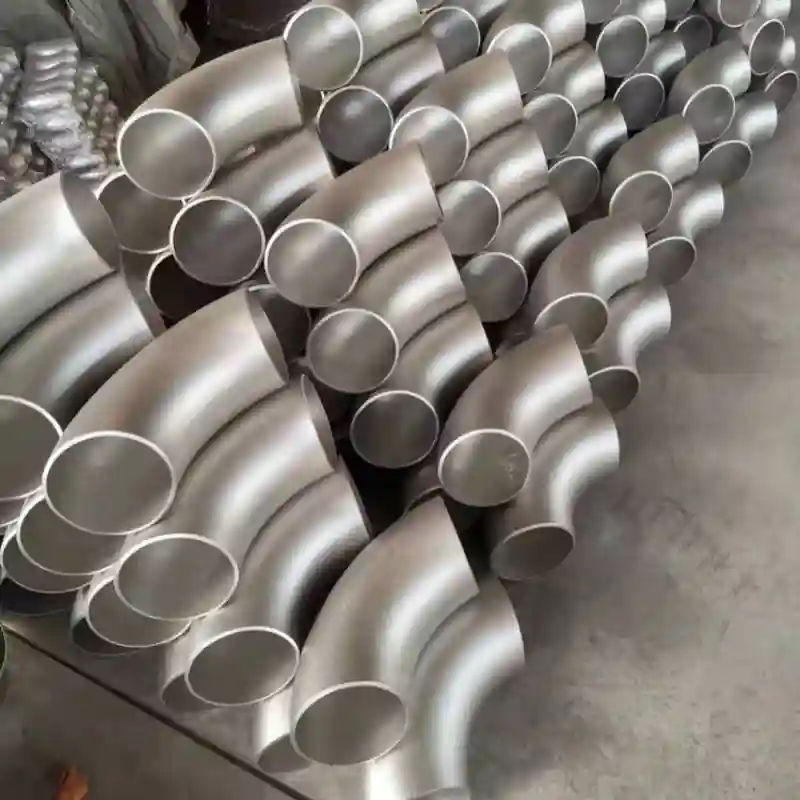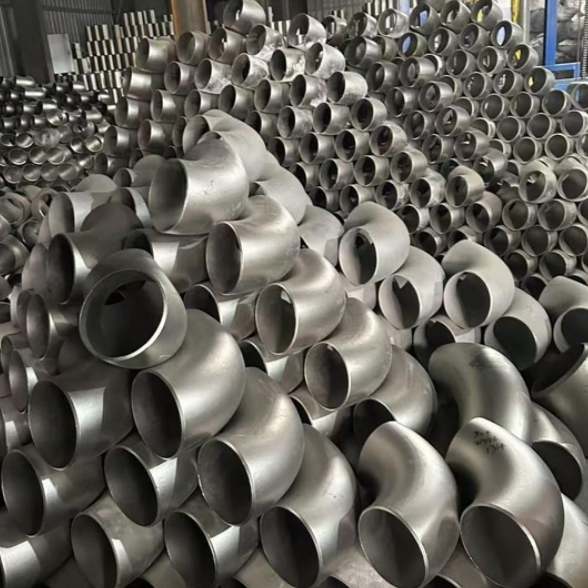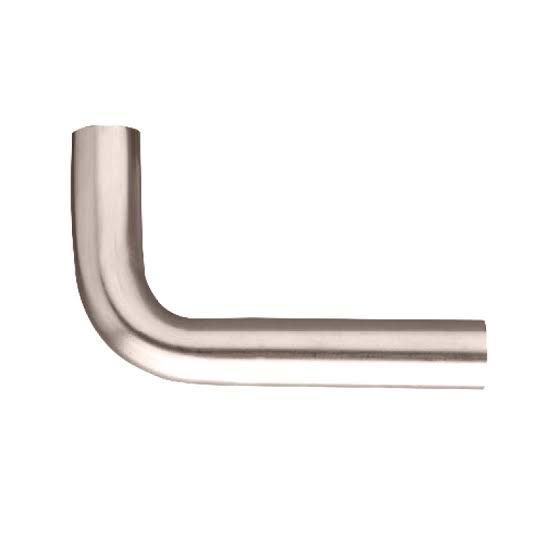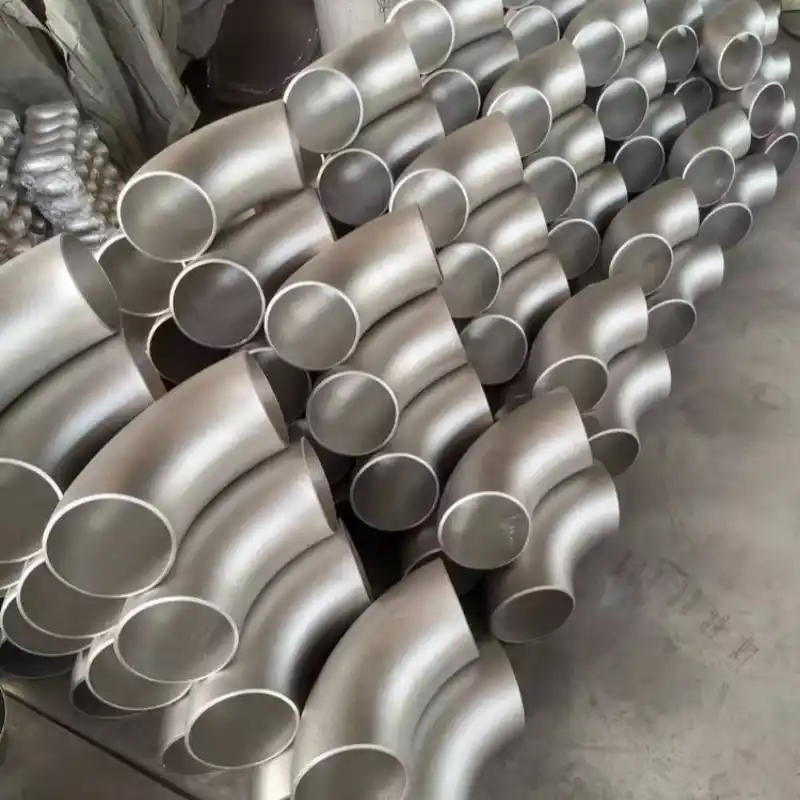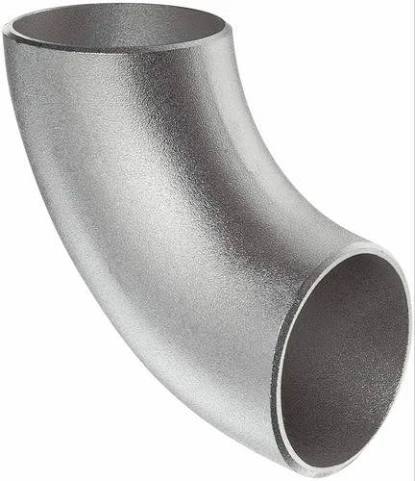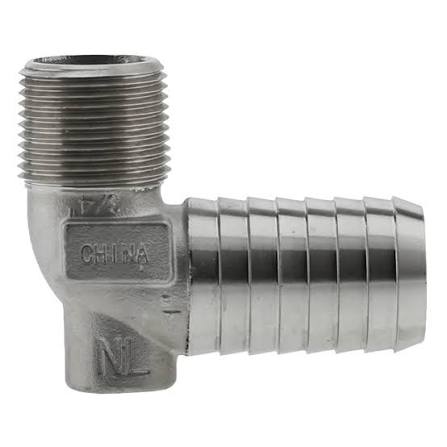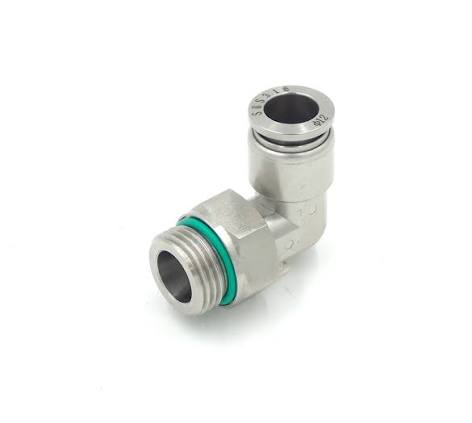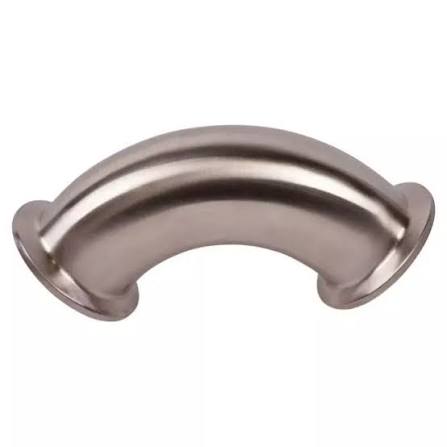
In pipeline systems, the elbow joint pipe is a core component for changing the direction of fluid flow. According to the ANSI/ASME B16.9 standard, common elbows are available in 45° and 90° types, suitable for nominal pipe sizes (NPS) ranging from 1/2 inch to 48 inches.
✅Materials are often carbon steel, stainless steel, or brass, with threaded ends machined to NPT (American National Standard Taper Pipe Thread) or BSPT standards to ensure leak‑tightness under high pressure.
✅For example, the center‑to‑face dimension of a 90° long‑radius elbow is 1.5 times the nominal diameter (1.5D), a geometric parameter that directly affects system pressure drop.
✅However, during equipment maintenance or pipeline retrofits, operators often need to perform pipe elbow disassembly. Due to long‑term operation, threaded connections may become seized because of rust, scale, or over‑tightening. The following steps describe how to safely remove a threaded elbow while achieving thread damage prevention.
Step 1: Identify thread direction and prepare tools
✔️Most pipe fittings use right‑hand threads (clockwise to tighten). Prepare two pipe wrenches – one to secure the main pipe, the other to grip the elbow.
Step 2: Deal with seized conditions
✔️If stuck elbow joint extraction is required, never force it with a violent pull. First, spray a penetrating lubricant (e.g., WD‑40) and wait 10–15 minutes. Then lightly tap the side of the elbow (avoiding the threaded area) with a hammer; the vibration helps break the rust layer.
Step 3: Apply force properly and protect threads
✔️Place the pipe wrench vertically on the flat section of the elbow to avoid tilting that could damage the threads. Increase the lever arm evenly (using a cheater bar if needed). Stop as soon as the thread feels loose. After removal, clean the thread surface with a wire brush and check for burrs or deformation. Minor damage can be repaired with a triangular file; if the thread is severely worn, replace the fitting.
Step 4: Precautions for re‑installation
✔️Each time you reconnect, wrap Teflon tape or apply pipe thread sealant, and tighten strictly according to torque specifications. For high‑pressure or corrosive media, it is recommended to additionally use an anti‑seize compound on the threads – this is a professional thread lubricant application technique.
📝The technical parameters in this article reference ASME B16.9, ASME B18.2.2, and API RP 5A5 standards, and apply to general industrial pipeline maintenance scenarios.