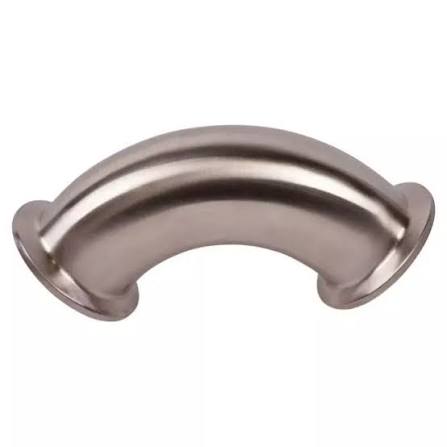
How to Connect an Elbow to a Semi-Rigid Transition Pipe: Professional Operation Guide
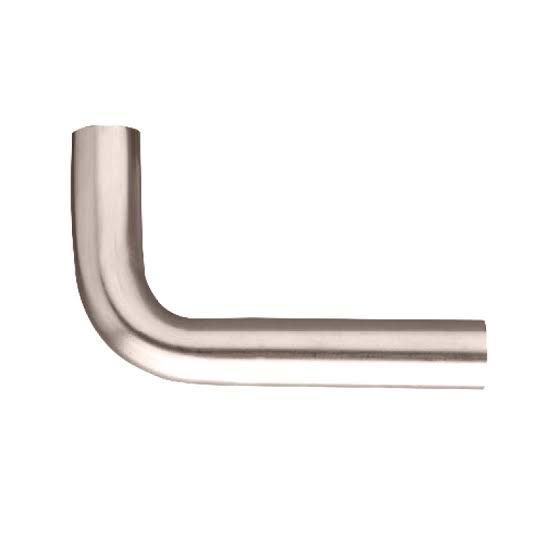
In HVAC, gas, or industrial fluid transportation systems, correctly connecting an elbow to a semi-rigid transition pipe is a critical step to ensure system sealing and change of direction. Semi-rigid pipes typically refer to PEX-AL-PEX (aluminum-plastic composite pipe) or thin-walled stainless steel corrugated pipe with outer diameters of 16mm, 20mm, or 25mm, and wall thickness generally between 1.5–2.0mm.
Step 1: Prepare the Semi-Rigid Transition Pipe
Use a pipe cutter to cut the pipe at a 90° angle, avoiding ovality (ovality should be controlled within 1% of the pipe’s outer diameter). Then, use a deburring tool to remove burrs from the inner and outer walls; otherwise, the sealing component may be scratched. This preparation step is essential for achieving a leak-free elbow fitting technique.
Step 2: Select the Appropriate Connection Method
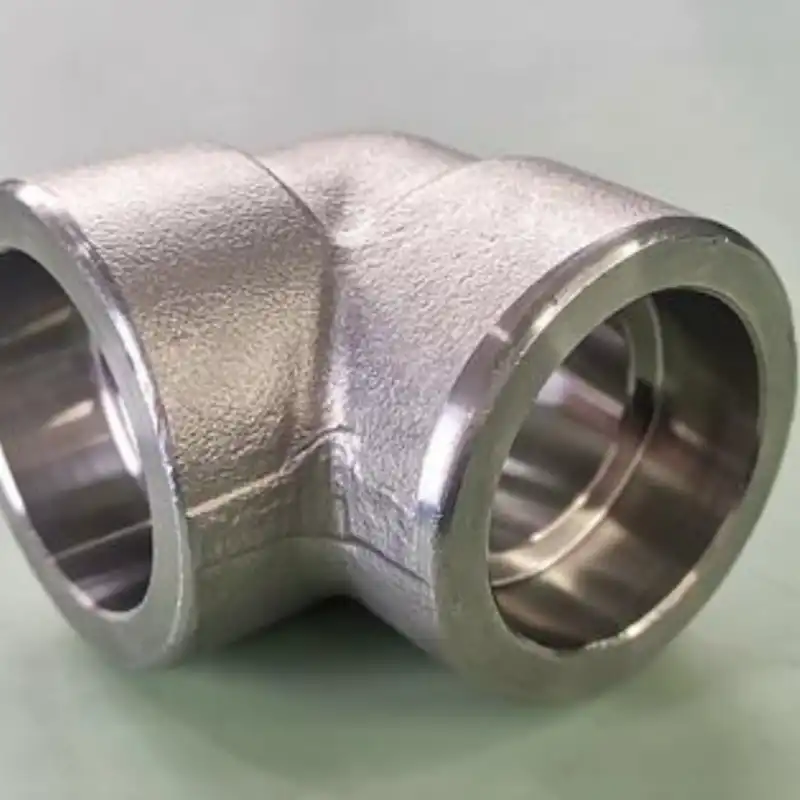
For semi-rigid pipes, the most reliable method is press-fit connection. Fully insert the elbow socket into the pipe end, ensuring the pipe end contacts the inner shoulder of the socket. If using threaded connection, wrap PTFE tape clockwise 3–5 turns around the male thread of the elbow (or apply anaerobic sealant evenly). Follow the hints in the semi rigid pipe to elbow connection guide: the insertion depth should match the pipe diameter (e.g., for DN20 pipe, the insertion depth should be at least 24mm).
Step 3: Tightening and Sealing
-
Press-fit: Use a dedicated press tool aligned with the jaws to complete the crimping in one action. After crimping, check the crimping profile with a hexagonal gauge to ensure it is complete.
-
Threaded: Hand-tighten until there is no wobble, then use a torque wrench to tighten according to the standard torque value (e.g., for 1/2-inch pipe, recommended torque is 20–30 N·m; overtightening may cause pipe end cracking).
Step 4: Leak Testing
After completing the connection, slowly introduce air or inert gas at 0.8–1.0 times the working pressure. Apply leak detection solution or soapy water to the joint. If no bubbles appear, it indicates that the correct transition pipe coupling methods have been used and the seal is effective.
By following the above methods, you can reliably complete the connection between an elbow and a semi-rigid transition pipe. AIFN fittings provide pre‑formed elbows that are 100% leak‑tested (test pressure 1.5 MPa, held for 60 seconds), effectively reducing on‑site installation risks. For special working conditions, please consult a professional engineer.