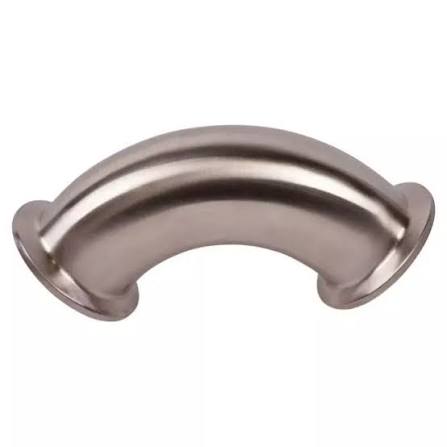
Four Core Factors Affecting the Cost of 90° Long Radius Elbows
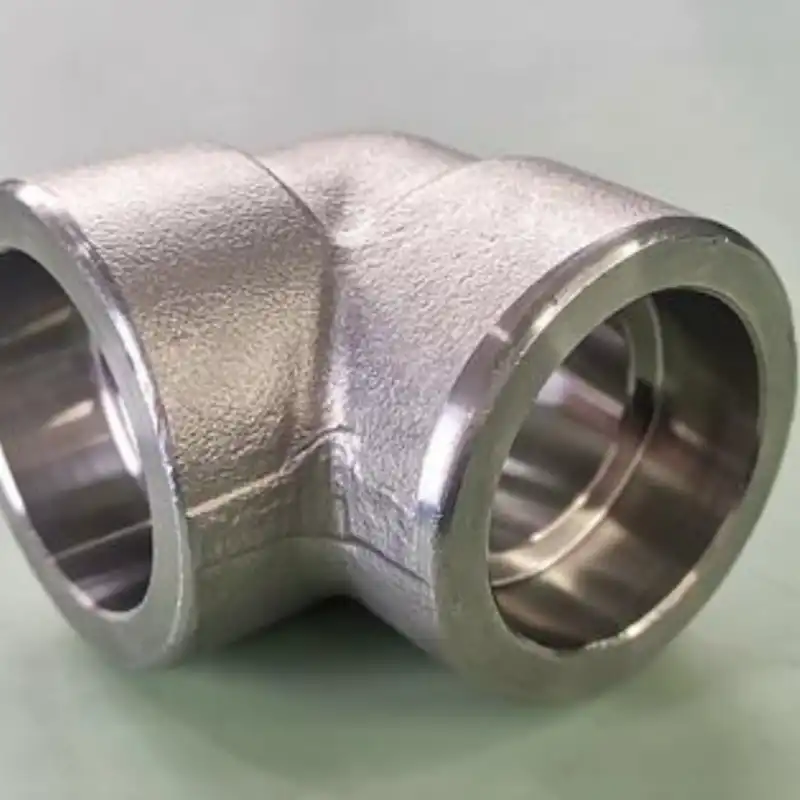
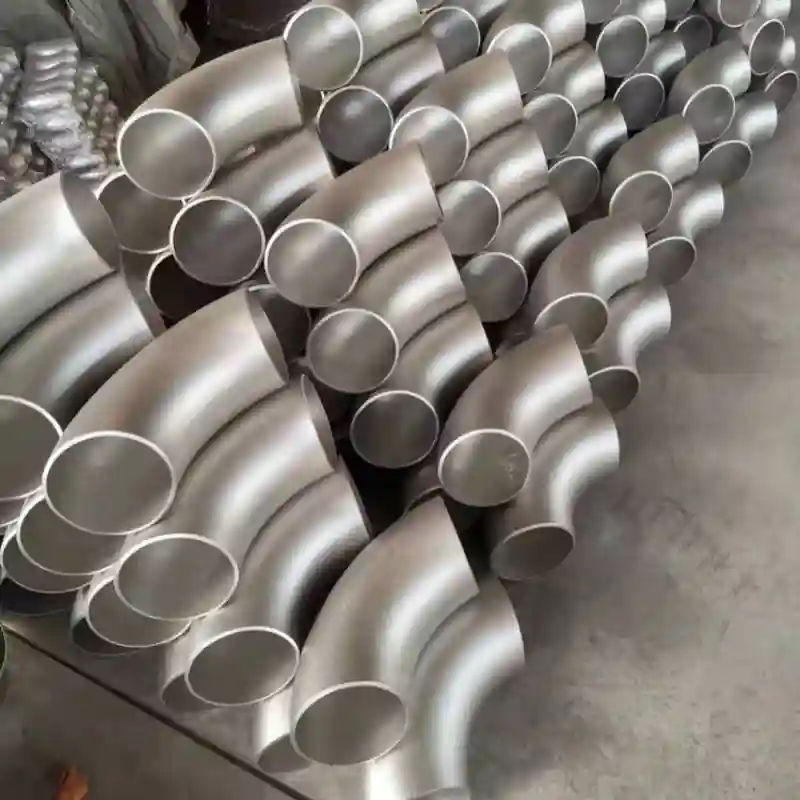
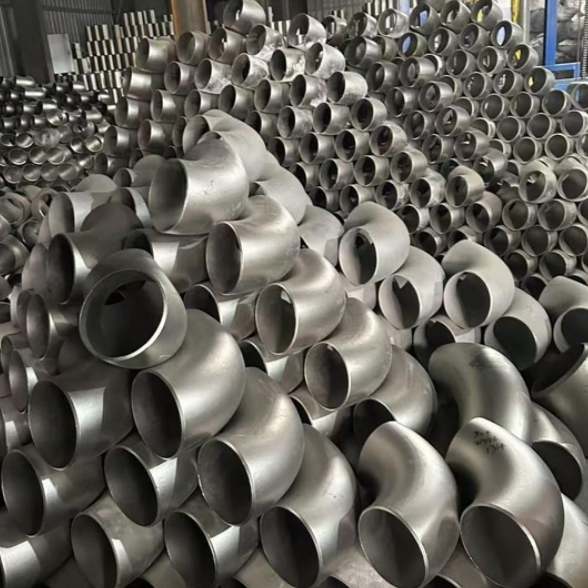
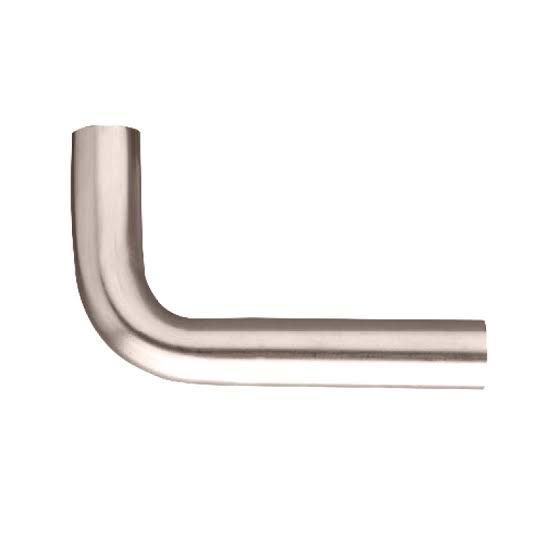
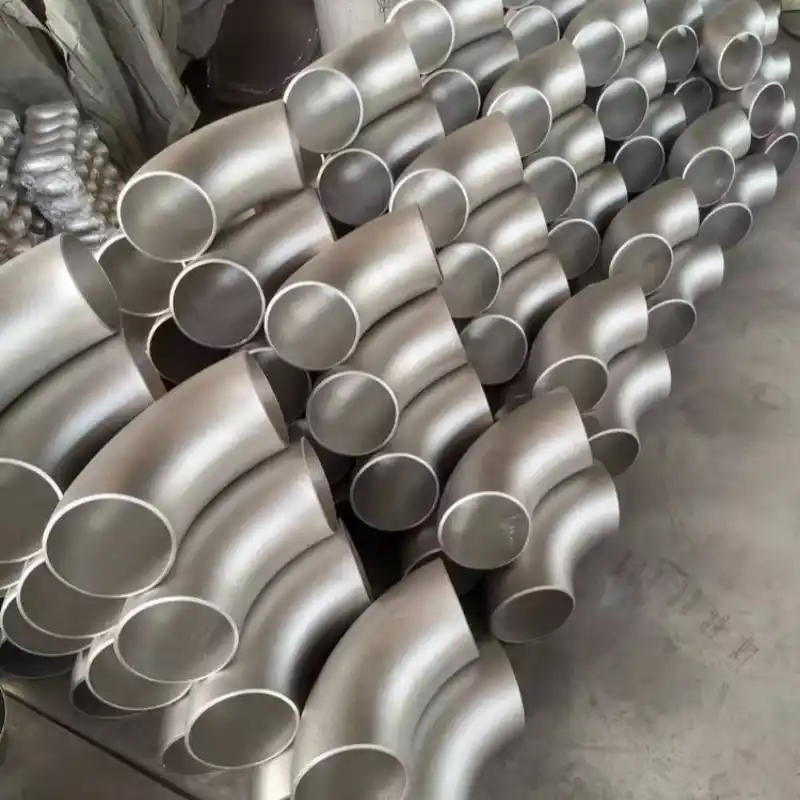
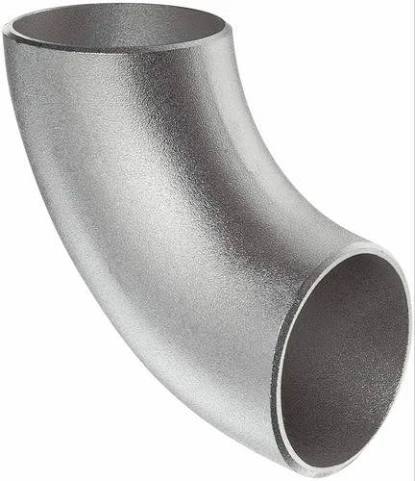
In piping systems, the 90° long radius elbow (Long Radius Elbow, or LR Elbow) is the most common directional change component. Its bending radius is typically 1.5 times the nominal diameter (e.g., a 6-inch pipe corresponds to a bending radius of 9 inches). Compared to short radius elbows, the long radius design significantly reduces fluid turbulence and pressure loss, making it widely used in applications demanding high flow efficiency, such as petroleum, chemical, and power industries.
Understanding the cost structure of 90° long radius elbows not only helps optimize project budgets but also avoids operational and maintenance risks caused by incorrect selection. The following analysis covers four professional dimensions:
1. Material Grade and Corrosion Allowance
Raw material cost accounts for 50%–70% of the total elbow cost. Carbon steel (e.g., ASTM A234 WPB) is suitable for non-corrosive high-temperature environments and has a relatively low unit price; stainless steel (304/316L) or duplex steel (2205), due to alloying elements like nickel and molybdenum, typically costs 2–4 times that of carbon steel. For a 6-inch 90° LR elbow, if the medium contains chloride ions, selecting 316L with an additional 2.0mm corrosion allowance will increase material cost by approximately 180% compared to a conventional carbon steel solution.
2. Wall Thickness Schedule and Weight
Wall thickness directly determines the pressure-bearing capacity and weight of the elbow. According to ASME B16.9, common wall thickness schedules include Sch40, Sch80, Sch160, etc. The theoretical weight of a 6″ long radius 90° elbow (Sch40, material WPB) is approximately 12.5kg; whereas a Sch160 specification, due to increased wall thickness (from 6.0mm to 11.0mm), weighs 24.2kg, doubling the hot working man-hours and inspection costs. Always verify the wall thickness corresponding to the design pressure to avoid “over-design” or “under-safety.”
3. Manufacturing Process: Seamless vs. Welded
For 90° deg LR elbows with DN ≤ 400 (16 inches), the seamless cold push process ensures complete metal flow lines, but large-diameter seamless tube blanks are costly. When sizes exceed 6 inches, many suppliers adopt a process of plate forming followed by welding (i.e., “welded elbows”), which is 30%–40% lower in cost than seamless. However, attention must be paid to 100% radiographic testing (RT) of the weld and stress-relief heat treatment. If reliability in high-frequency vibration environments is required, choosing a seamless long radius elbow 90 degree is more prudent.
4. Standards and Additional Services
Beyond basic dimensional tolerances (ASME B16.9 specifies an end outside diameter tolerance of ±1.6mm), some projects require material test reports (MTR), normalizing treatment, pickling and passivation, etc. These value-added services can increase the unit price by 15%–25%. For example, performing solution annealing (for austenitic stainless steel) on a 6-inch 90° lr elbow adds approximately ¥80 per piece in heat treatment cost.
Professional Advice
In actual procurement, it is recommended to clarify three points:
① the corrosion allowance value specified in the piping class;
② whether third-party inspection (e.g., TÜV or BV) is required;
③ whether the bending radius tolerance of the elbow is controlled within ±1.5mm (tighter than standard requirements can reduce field fit-up and cutting/welding work).
By carefully comparing material, wall thickness, process, and certification, you can not only grasp the true cost distribution but also lay a foundation for long-term safe operation.