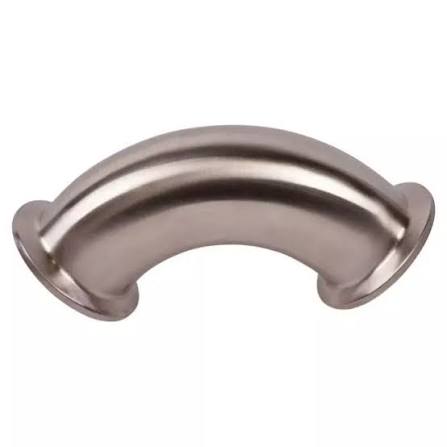
Detailed Dimensions of 12-Inch Stainless Short Radius 90-Degree Elbow
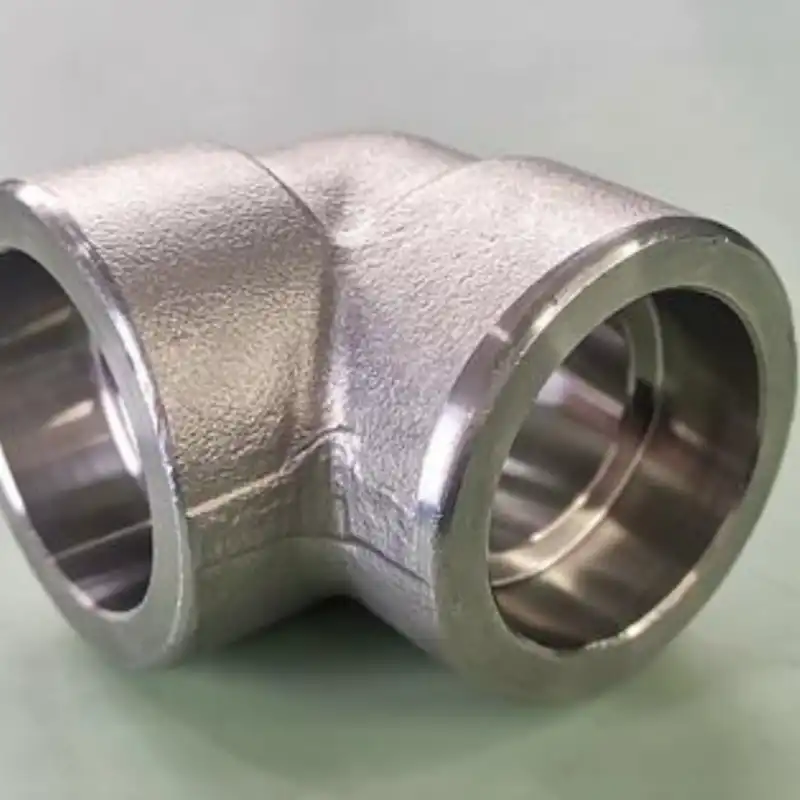
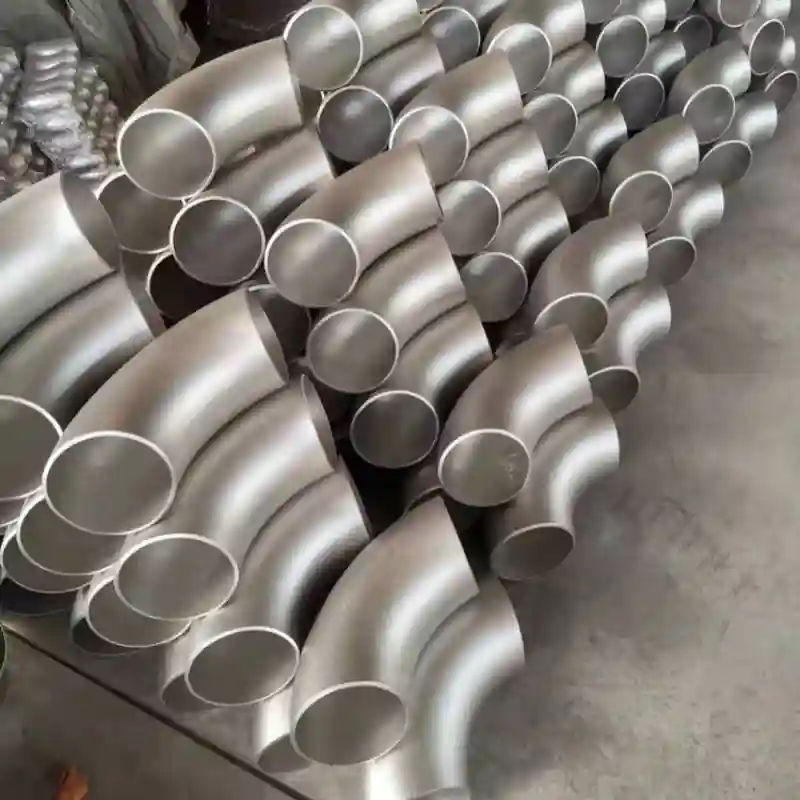
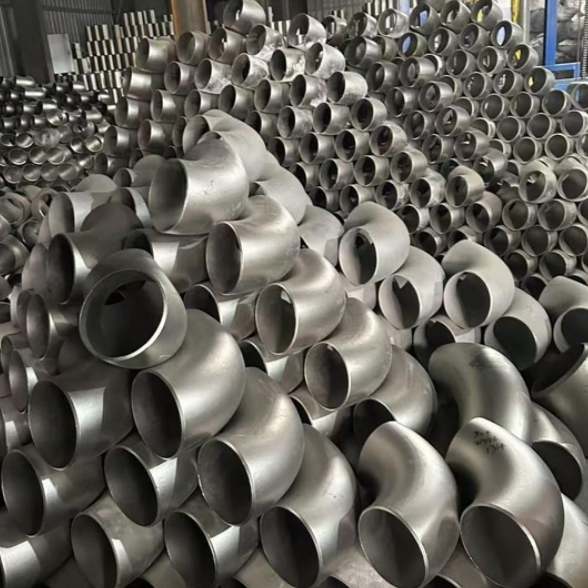
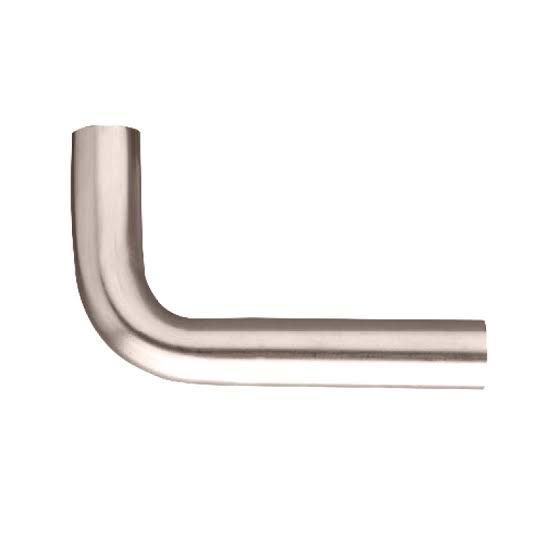
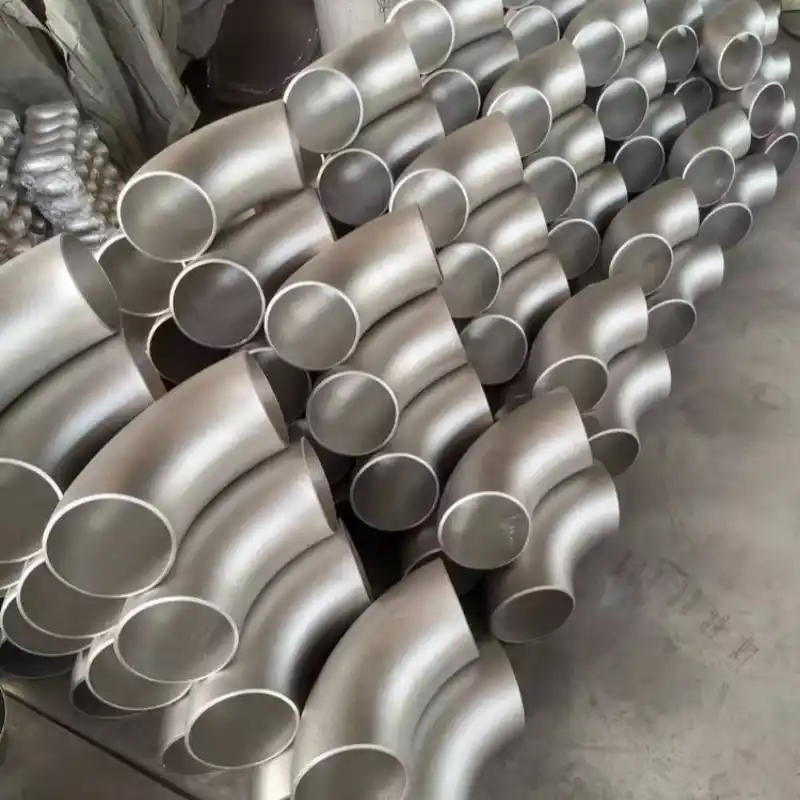
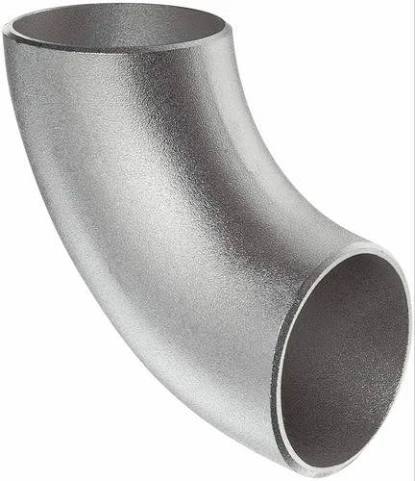
In industrial piping systems, the 90-degree elbow is one of the most commonly used fittings. For applications with limited space, short radius (SR) elbows become the preferred choice due to their compact design. This article takes the 12″ stainless short radius 90 degree elbow dimensions as the core, referencing the ASME B16.9 standard, and analyzes its key dimensional parameters in detail. It also compares elbow data for 10-inch and 8-inch sizes to help engineers make accurate selections.
Difference Between Short Radius and Long Radius
The bending radius (R) of a short radius elbow equals the nominal diameter (DN), i.e., R = 1D; while for a long radius elbow, R = 1.5D. For a 12-inch elbow, the center-to-end distance of the short radius is exactly 12 inches (304.8 mm). This compact structure allows the pipe to change direction while occupying less space, but it slightly increases fluid turbulence and pressure drop.
Core Dimensions of 12-Inch Stainless Short Radius 90-Degree Elbow
According to ASME B16.9-2018, the key dimensions of a 12″ (DN300) stainless steel short radius 90-degree elbow are as follows:
| Parameter | Metric (mm) | Imperial (inch) |
|---|---|---|
| Nominal Pipe Size (NPS) | 300 | 12 |
| Center-to-End Distance (A) | 304.8 | 12 |
| Outside Diameter (OD) | 323.8 | 12.75 |
| End Wall Thickness (Sch 40S) | 6.35 | 0.25 |
| End Wall Thickness (Sch 80S) | 8.38 | 0.33 |
| Approximate Weight (Sch 40S) | 26.5 kg | 58.4 lbs |
*Note: Wall thickness varies with schedule (Sch 10S / 40S / 80S). The table above shows common specifications.*
This elbow is manufactured from ASTM A403 WP304 or WP316 stainless steel. For corrosive media, using molybdenum-containing 316L material can significantly improve pitting resistance. For example, in projects handling seawater or acidic fluids, an 8″ 316 stainless steel 90 degree elbow is a typical choice; its molybdenum content (2-3%) effectively resists chloride ion attack.
Comparison with Other Common Sizes: 10-Inch and 8-Inch
To facilitate understanding, we compare the 12-inch data with smaller diameter elbows. In the table below, the 10″ stainless steel 90 degree elbow (10 inch, DN250) and 8 inch stainless steel 90 degree elbow (8 inch, DN200) are both designed with short radius 1D, and the data also comply with ASME B16.9.
| Nominal Pipe Size | Center-to-End (mm) | Outside Diameter (mm) | Sch 40S Wall Thickness (mm) | Sch 80S Wall Thickness (mm) |
|---|---|---|---|---|
| 8″ | 203.2 | 219.1 | 5.16 | 7.04 |
| 10″ | 254.0 | 273.0 | 5.54 | 7.80 |
| 12″ | 304.8 | 323.8 | 6.35 | 8.38 |
As seen from the table, the bending radius (center-to-end distance) increases linearly with the nominal size. In practical piping, an 8″ 316 stainless steel 90 degree elbow is often used in pharmaceutical or food-grade pipelines because it is easy to polish and resistant to high temperatures. For conventional water treatment or oil & gas transport, an 8 inch stainless steel 90 degree elbow (304 material) meets the requirements at a lower cost.
In-Depth Impact of Material and Manufacturing Process
Short radius elbows are typically manufactured by cold push or hot forming. For 12-inch and larger diameters, to ensure uniform wall thickness, medium-frequency induction heating push forming is often used. According to the ASME B31.3 process piping code, the wall thickness reduction on the outer side of the elbow shall not exceed 12.5%. Taking a 12″ Sch 40S (initial wall thickness 6.35 mm) as an example, the minimum wall thickness on the outer side after forming should not be less than 5.56 mm; otherwise, the starting pipe wall thickness must be increased.
The corrosion resistance of stainless steel is closely related to its surface condition. For example, if a 10″ stainless steel 90 degree elbow is used in a chloride-containing environment (such as a coastal cooling water system), it is recommended to use 316L (low carbon) with solution treatment to avoid intergranular corrosion. For an 8″ 316 stainless steel 90 degree elbow in high-temperature (>60°C) seawater, the allowable chloride concentration is generally no more than 1000 ppm.
Engineering Application Considerations
Applicable scenarios for short radius elbows:
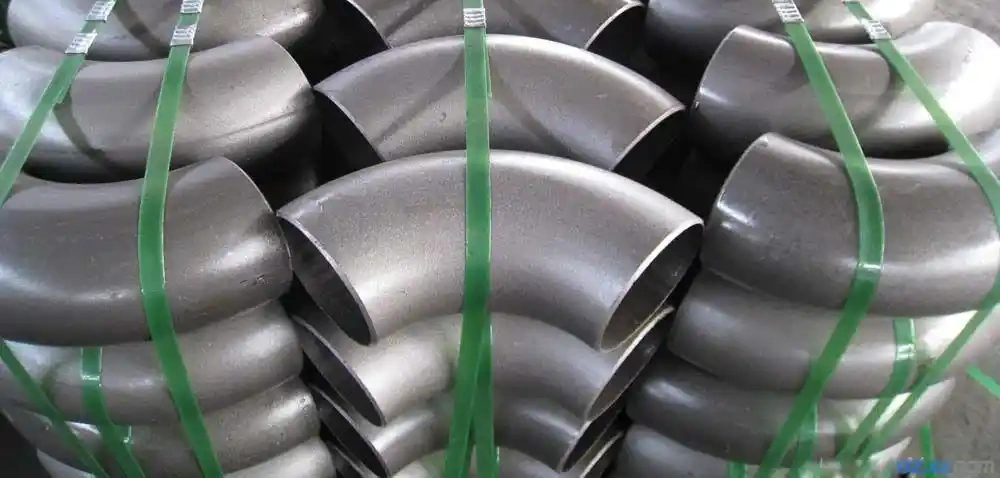
Prioritize their use in compact equipment layouts such as skid-mounted units, compressor piping, or marine pipelines. If the flow velocity is high (>5 m/s), it is advisable to use a long radius elbow to reduce erosion risk.
Dimensional tolerances:
According to ASME B16.9, the permissible deviation for the center-to-end dimension of a 12-inch elbow is ±3 mm. The end outside diameter tolerance is +2.4 mm / -1.6 mm. Acceptance must be checked using go/no-go gauges.
Key ordering parameters:
In addition to diameter and radius type, specify:
-
Material grade (e.g., ASTM A403 WP316L)
-
Wall thickness schedule (Sch 40S / 80S)
-
End type (BW butt weld, or with flange)
-
Surface treatment (pickling and passivation or mechanical polishing)
Conclusion
Accurately grasping the dimensions and tolerances of the 12″ stainless short radius 90 degree elbow dimensions is the foundation for reliable pipeline stress analysis and on-site installation. Meanwhile, by comparing data with 10-inch, 8-inch and other sizes, engineers can flexibly select based on flow rate, corrosion allowance, and space constraints.
For further information on elbow strength calculation or special-angle fittings, please continue to follow the AIFN technical blog. We provide a full range of stainless steel pipe fitting solutions from 2 inches to 48 inches.