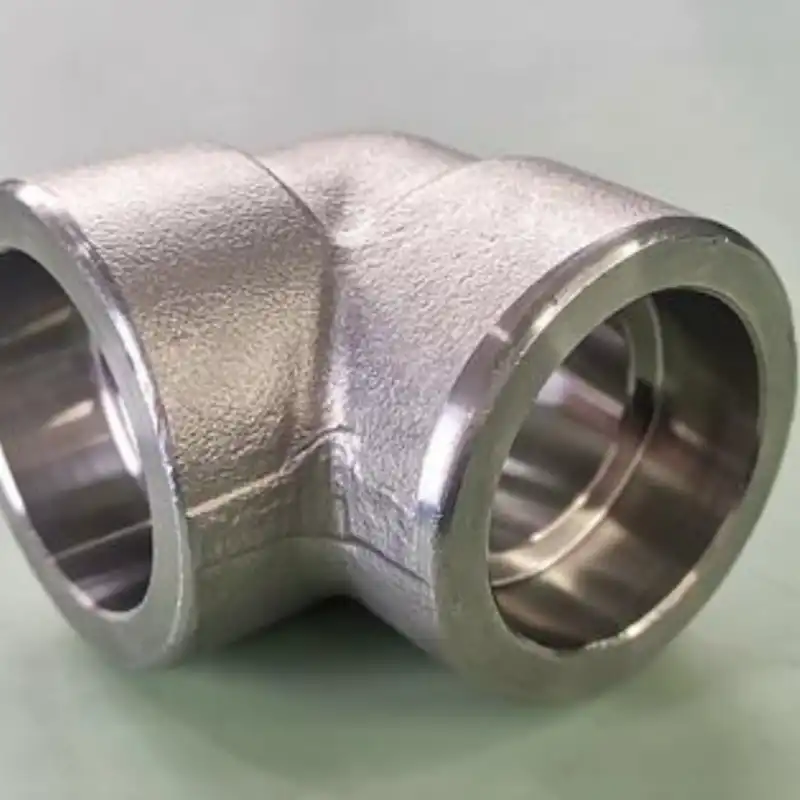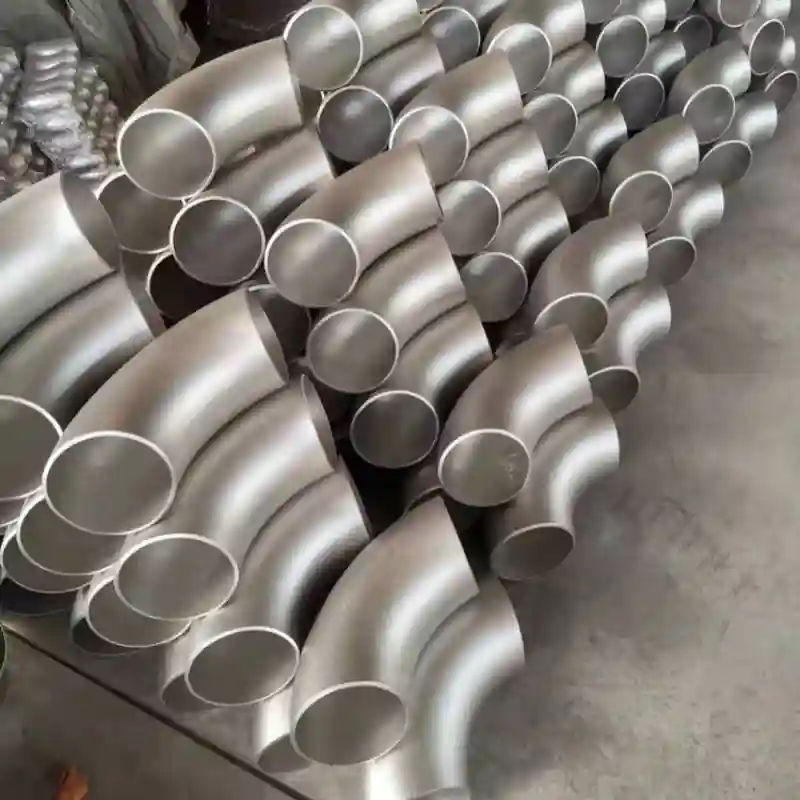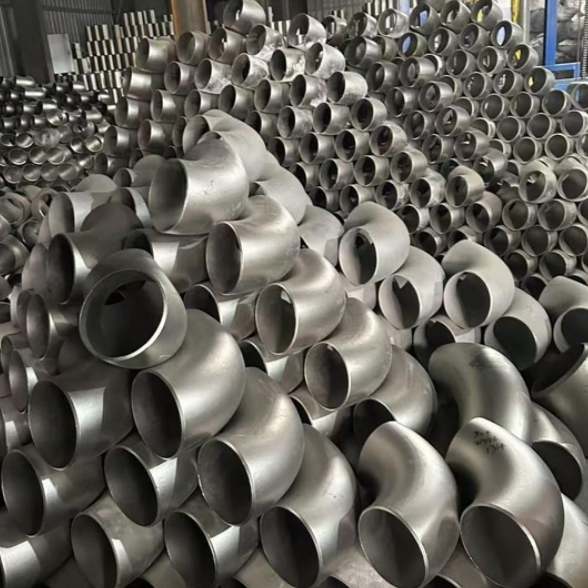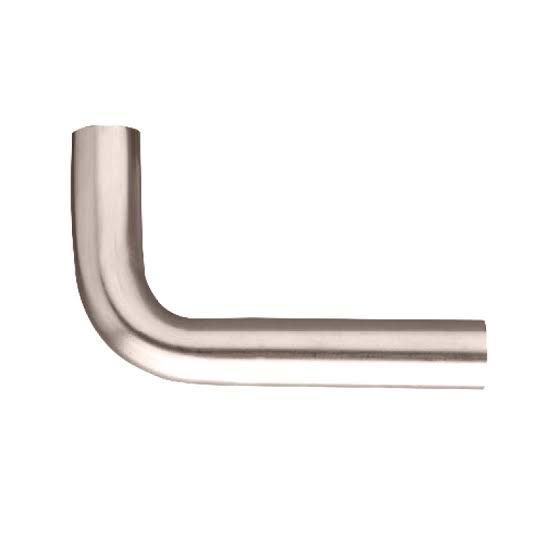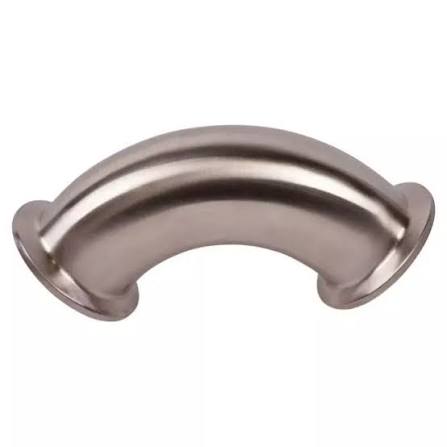
Why is the 90 degree stainless steel elbow a core component of piping systems?
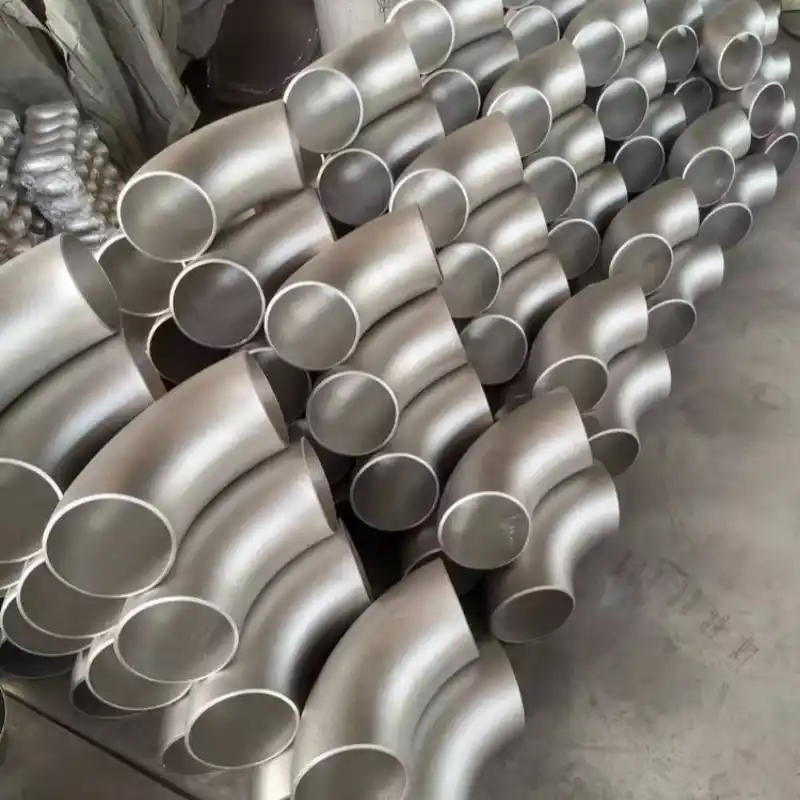
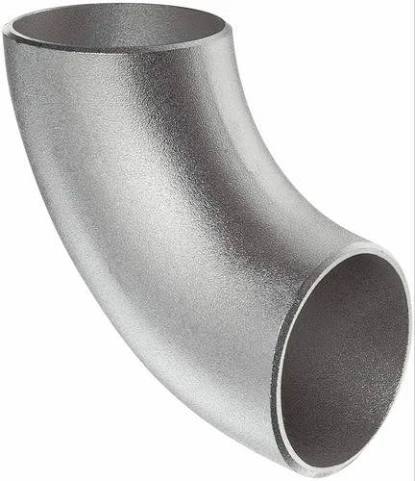
In industrial pipelines, exhaust systems, and fluid transport networks, the 90 degree stainless steel elbow plays a critical role in changing the direction of media flow. For bulk purchasers, wholesale 90 degree stainless elbow not only reduces project costs but also ensures long term stable operation of the system through unified quality standards.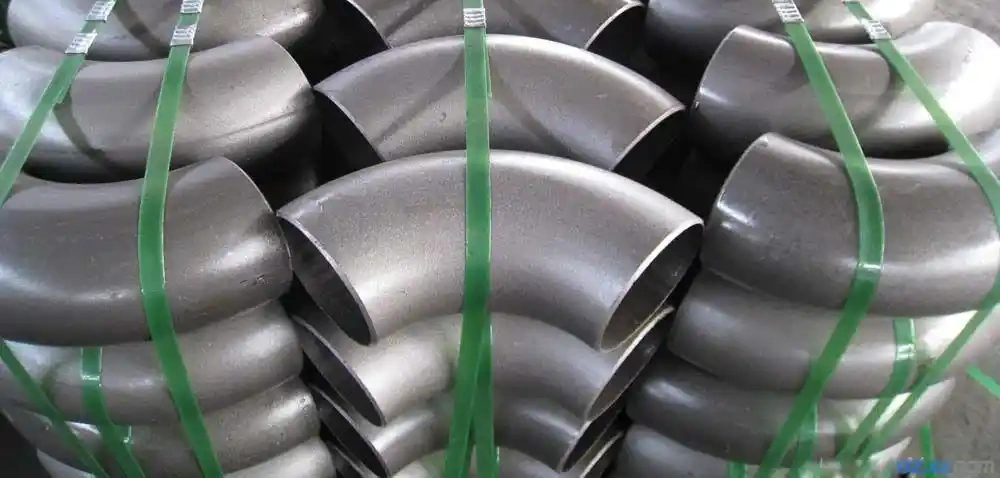
Material & Standards: The underlying parameters determining performance
The performance of stainless steel elbows depends first on the alloy grade. Common materials include 304/304L (oxidation resistant, suitable for general corrosive environments) and 316/316L (with molybdenum, resistant to chloride ions and acid/alkali corrosion).
For wholesale 3 inch 90 degree exhaust elbow stainless steel, when used in exhaust systems, it must withstand high temperatures (e.g., diesel engine exhaust temperatures can reach 500–650°C) and thermal shocks. In this case, 321 stainless steel or 304L with stabilization treatment is recommended to reduce the risk of intergranular corrosion.
Regarding manufacturing standards, international references include ASME B16.9 (industrial pipe fittings) and EN 10253-2 (stainless steel pipe fittings). For a 3 inch (DN80) elbow, the standard requires:
-
Bend radius: long radius (1.5D = 114.3 mm), short radius (1.0D = 76.2 mm)
-
Wall thickness tolerance: not exceeding ±12.5% of nominal wall thickness (per ASME B16.9)
-
Ovality: at the elbow ends, the difference between maximum and minimum outer diameter shall not exceed 2.5% of the nominal outer diameter
In actual production, we adopt cold push forming or hot bending processes, followed by solution treatment (1050°C rapid water quenching) to restore the austenitic structure and ensure corrosion resistance. Each batch of fittings undergoes radiographic testing (RT) or penetrant testing (PT), with inspection levels meeting the secondary requirements of ASME B31.3 for ordinary fluid pipelines.
Special design of the 3 inch exhaust elbow
For exhaust applications such as engines and turbochargers, wholesale 3 inch 90 degree exhaust elbow stainless steel requires additional attention:
-
Inner surface roughness: controlled at Ra ≤ 3.2 μm to reduce back pressure and improve exhaust efficiency. Studies show that reducing inner roughness from 6.3 μm to 3.2 μm can reduce flow loss by approximately 8% to 12%.
-
Wall thickness compensation: since the outer arc side of the elbow thins during forming, the standard requires that the minimum wall thickness is not less than 87.5% of the original pipe wall thickness. Through die compensation and thickened billets, we ensure that the thinnest part of the elbow still meets the design pressure (e.g., for Sch40 wall thickness 5.49 mm, the actual minimum is ≥4.8 mm).
-
Thermal fatigue resistance: under cyclic conditions from 20°C to 650°C, the expected fatigue life of the fitting is verified by finite element analysis (FEA), generally reaching more than 10,000 cycles.
Certification and quality credibility: The significance of the CE mark
The EU market mandatorily requires pressure bearing fittings to comply with the Pressure Equipment Directive (PED 2014/68/EU). Our wholesale stainless steel 90 degree elbow ce certified products meet the following requirements:
-
Material traceability: each fitting comes with an EN 10204 3.1 certificate indicating the heat number, chemical composition, and mechanical properties.
-
Type testing: passes hydrostatic test (test pressure 1.5 times the design pressure, holding time ≥10 seconds) and low temperature impact test (KV2 ≥ 27J at -20°C).
-
Risk assessment documentation: provides a Declaration of Conformity for fittings of hazard category I or II according to PED Annex I.
In addition, we also offer ISO 9001:2015 quality management system certification, and optional NORSOK M-650 special material certification for oil and gas applications. These certificates not only prove product compliance but also provide wholesale customers with complete technical documentation for customs clearance and project audits.
Techno-economic factors behind wholesale price
Many purchasers focus on wholesale price stainless steel 90 degree elbow, but low prices often hide quality risks. Reasonable variables affecting price include:
-
Material cost: 316L stainless steel prices are typically 30% to 50% higher than 304 (based on the current nickel price on the London Metal Exchange).
-
Manufacturing tolerance class: the processing time for the ordinary grade of ASME B16.9 versus the precision grade (e.g., BPE standard for pharmaceutical pipelines) differs by a factor of 2 to 3.
-
Surface treatment: mechanical polishing (Ra ≤ 0.8 μm) costs 15% to 25% more than pickling and passivation, but is suitable for food and semiconductor industries.
-
Certification and testing: CE + 100% RT testing adds about 20% cost compared to in-house inspection only, but significantly reduces on-site leakage risk.
As an experienced supplier, we recommend that wholesale customers adopt a Total Cost of Ownership (TCO) model: a single 3 inch 90 degree stainless steel elbow that leaks due to quality issues can cause downtime losses exceeding $5,000 (including labor, media leakage, and environmental fines). Therefore, choosing a product with reasonable wholesale price stainless steel 90 degree elbow and complete certification is the optimal solution for long-term benefits.
Application cases and field data
-
Petrochemical plant: in a high-temperature, high-pressure steam line (pressure 4.0 MPa, temperature 400°C), using 316L stainless steel elbows (long radius, Sch160), after 8 years of continuous operation, the wall thickness reduction was only 0.2 mm, far below the 1.5 mm limit allowed by ASME B31.3.
-
Commercial vehicle exhaust system: a heavy truck brand used wholesale 3 inch 90 degree exhaust elbow stainless steel (material 441 ferritic stainless steel). After 2,000 hours of salt spray test and 1.5 million thermal vibration cycles, no cracks or leakage occurred.
-
Food processing plant: in a CIP cleaning pipeline, 304L elbows with internal polishing to Ra 0.4 μm achieved 100% bacterial test pass rate and passed the 3A Sanitary Standard certification.
How to choose a reliable wholesale supplier?
Based on years of industry experience, we have distilled three key screening criteria:
-
Request material certificates: ask for third-party test reports (e.g., SGS, TÜV) to verify chemical composition and mechanical properties.
-
Check geometrical tolerances: use a vernier caliper to measure the outer diameter, wall thickness, and center-to-end distance at both ends of the elbow; the error should be less than half of the standard requirement.
-
Simulate operating conditions: for exhaust systems, request thermal cycle curves and non-destructive testing radiographs.
AIFN Pipe Fittings Company maintains a stock of over 200 tons of various stainless steel fittings, including 90-degree elbows, equal tees, reducers, etc. We support small-batch sample validation and provide complete technical documentation for CE, ISO, and PED. Whether for 3-inch exhaust elbows or general pipeline elbows, we can deliver products that meet ASME/EN standards at a transparent wholesale price.
Conclusion
Mastering the technical details of wholesale 90 degree stainless elbow – from material grades, manufacturing tolerances, to CE certification requirements – is key to optimizing the reliability and procurement cost of piping systems. With the data and standards provided in this article, you now have the ability to professionally evaluate suppliers.
For further technical drawings, quotations, or sample testing, please feel free to contact the AIFN team directly.