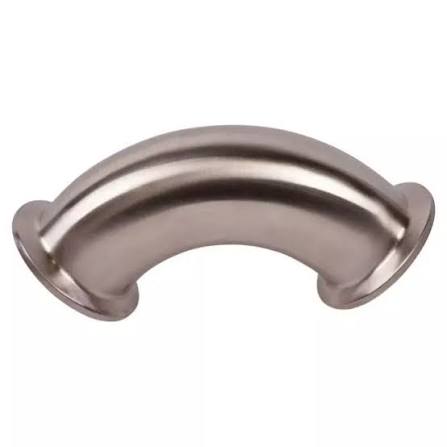
What is a 5D Elbow?
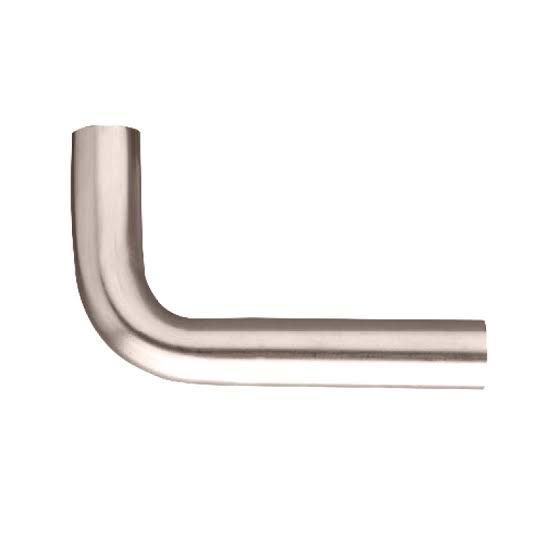
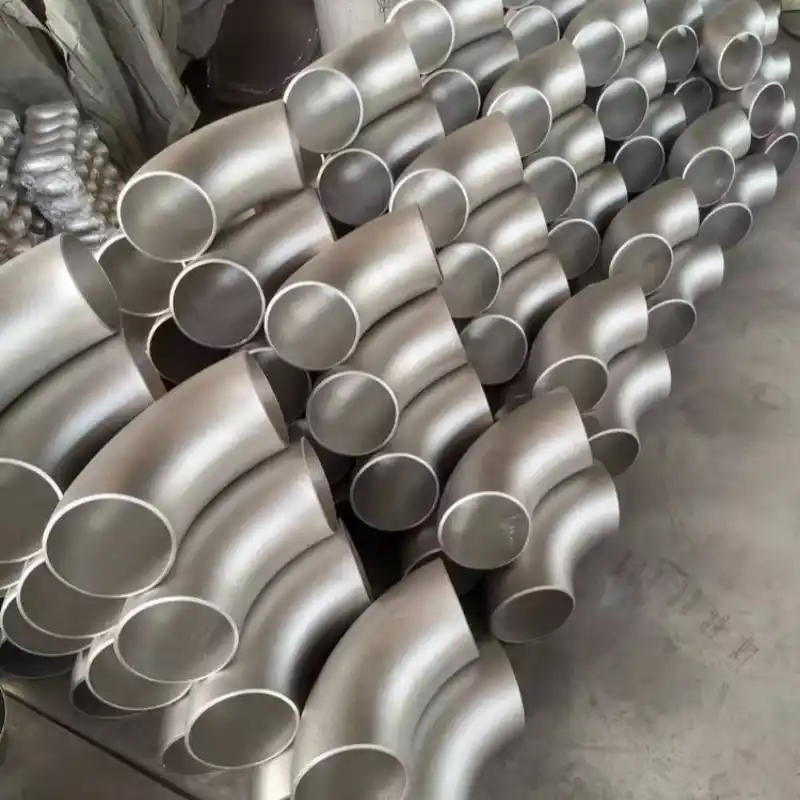
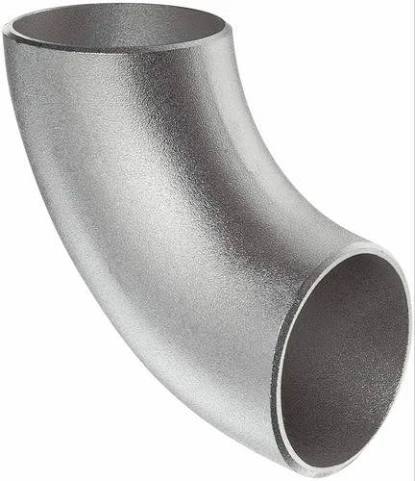
In piping systems, the bending radius of an elbow directly determines fluid resistance, wear degree, and the passability of Pipeline Inspection Gauges (PIG). A 5D elbow is a long-radius elbow whose bending radius is 5 times the outer diameter of the pipe, expressed as R = 5D (R stands for curvature radius, D for pipe outer diameter or nominal diameter). Compared with the common 1.5D elbow, the 5D elbow features a gentler arc, which can effectively reduce pressure loss and the impact of medium on the pipe wall.
Key Parameters and Dimension Calculation
Take a pipe with nominal diameter DN100 (outer diameter approx. 114.3mm) as an example:
Bending radius R=5×114.3mm=571.5mm
Angle specifications: commonly available in 45°, 90°, 180°
Wall thickness schedule: manufactured in accordance with ASME B16.9 or ASME B16.49 standards, with common grades including Sch40, Sch80, etc.
Compared with 1.5D elbow (R=1.5D, R≈171.45mm for the same caliber), the curvature radius of 5D elbow is more than three times larger, enabling a smoother change of fluid flow direction.
Application Scenarios
- PIG launching and receiving system: The 5D elbow ensures smooth passage of PIG (polyurethane or foam PIG) without blocking. Industry codes generally require the bending radius of elbows in pigging pipelines to be no less than 3D~5D.
- Conveyance of high-abrasion media: such as slurry, fly ash, and catalyst. According to data from Hydraulic Transport of Solids, when the elbow radius increases from 1.5D to 5D, the maximum erosion rate of the elbow inner wall can be reduced by approximately 60%~70%.
- High-viscosity or low-flow-rate fluid: For crude oil, heavy oil and other media, the adoption of 5D elbow cuts down local pressure drop and lowers pumping energy consumption.
Manufacturing Process & Materials
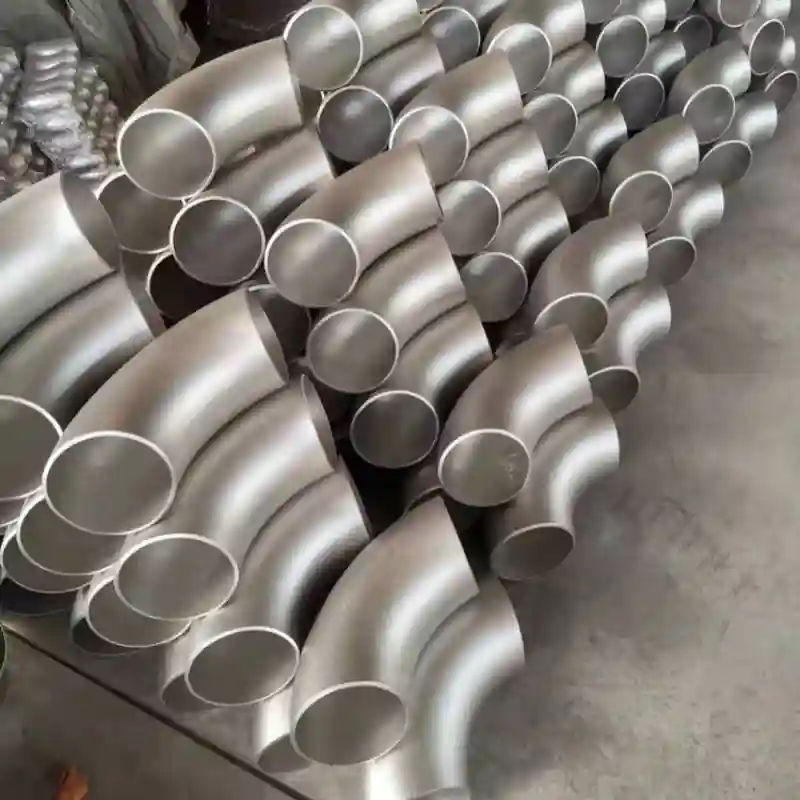
5D elbows are mostly formed by cold bending (medium-frequency induction bending) or hot pushing technology, and can also be processed from straight pipes by pipe bending machines. Common materials include:
- Carbon steel (ASTM A234 WPB)
- Stainless steel (ASTM A403 WP316/304)
- Low-temperature alloy steel (ASTM A420 WPL6)
Summary
Selecting a 5D elbow is an optimal balance for pipeline service life, transmission efficiency and maintenance cost on the premise of sufficient installation space. If your system involves pigging operation or abrasive fluid transportation, upgrading from 1.5D elbow to 5D elbow can greatly reduce unplanned shutdowns and pipe fitting replacement frequency.