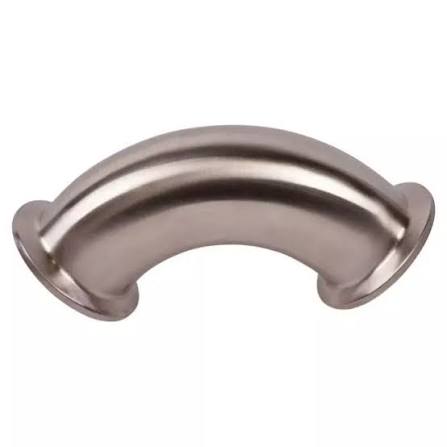
Is elbow the same as bend?
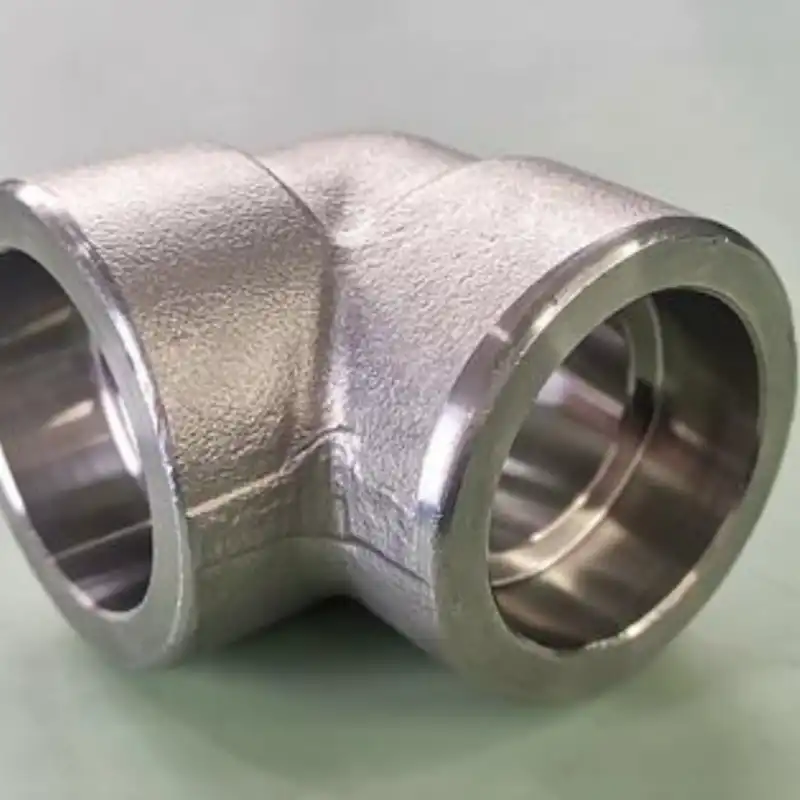
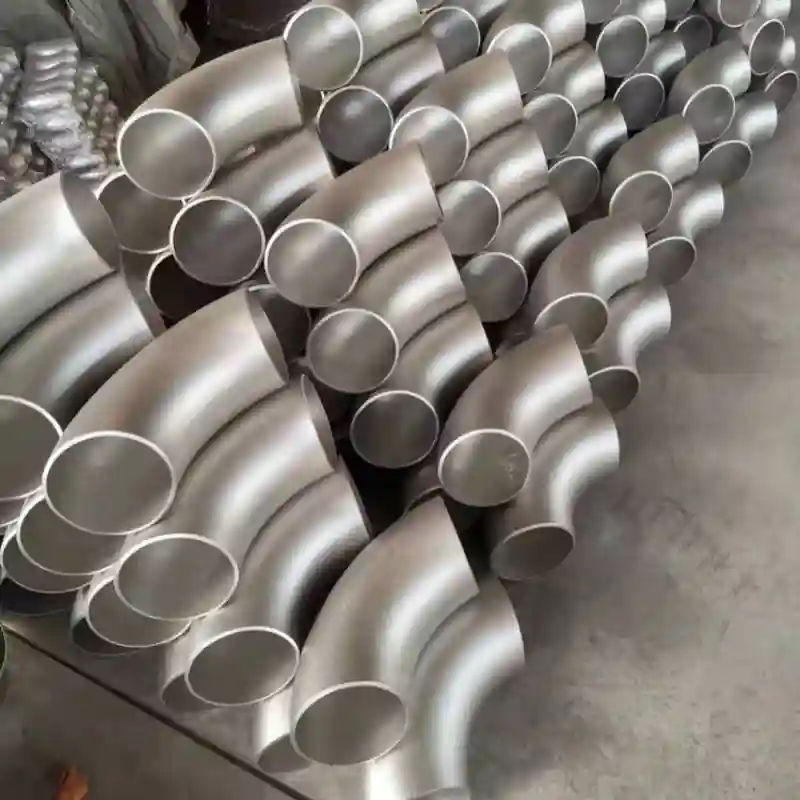
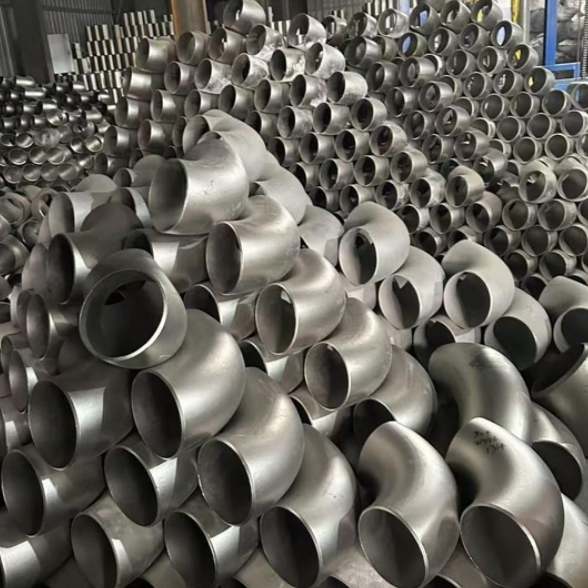
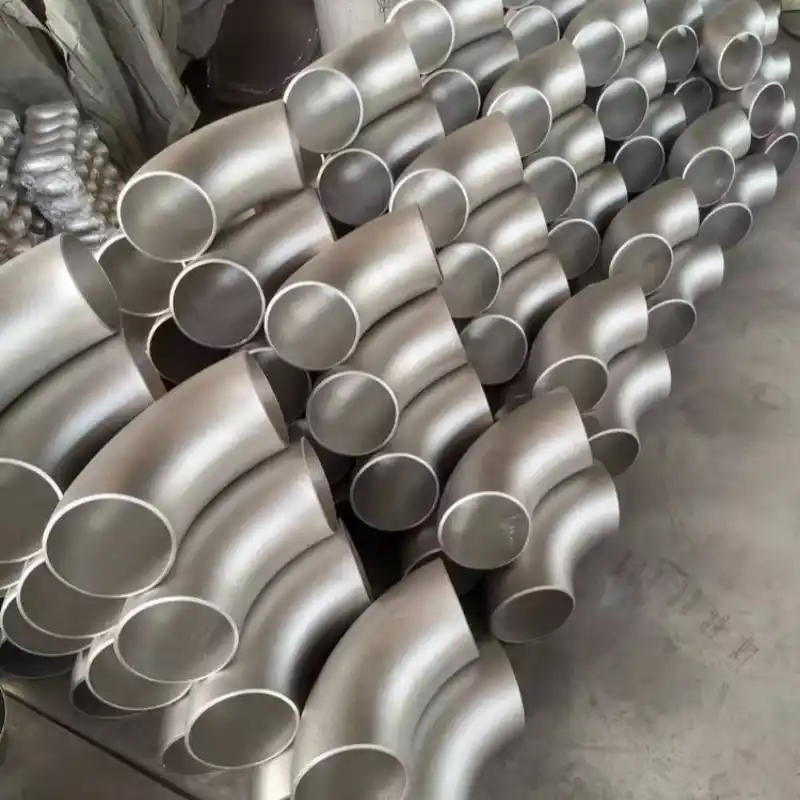
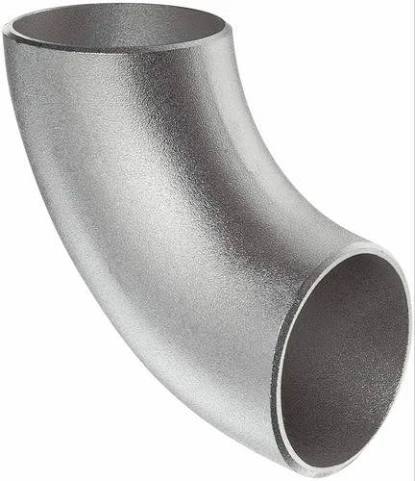
In petroleum and chemical pipeline systems, elbow and bend are often confused, yet they are not identical. An elbow generally refers to a prefabricated pipe fitting with a standard angle, such as the common elbow pipe 90 degrees, with a bending radius typically 1.5 times the pipe diameter (1.5D). It is suitable for scenarios with limited space and moderate pressure.
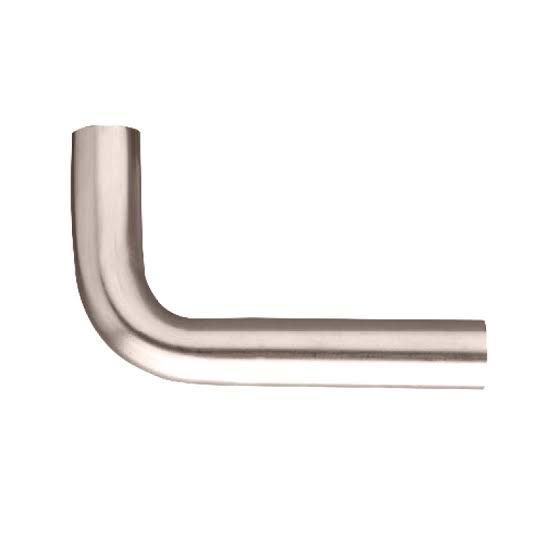
In contrast, a bend is mostly field-bent or custom-shaped with a non-standard arc, and its bending radius is usually larger than 1.5D. For instance, 90 degree bend stainless steel tube can be produced with 3D or 5D radii, which effectively reduces fluid turbulence and pressure drop.
Common Problems and Solutions
Problem 1: How to prevent erosion failure at elbows in high-pressure petroleum pipelines?
Solution: Prioritize large-radius bends to replace standard elbows. Replacing 1.5D steel elbows for pipe with 3D or 5D bends can mitigate particle impact during fluid diversion.
Meanwhile, it is recommended to apply hardfacing wear-resistant layers (such as WC-Co alloy) on the inner wall, and control the flow rate to comply with the corrosion rate recommended by API RP 14E (generally ≤ 0.1 mm/year).
Problem 2: Stress cracking of bends caused by high-temperature (>400℃) acidic media in chemical plants
Solution: Adopt austenitic stainless steel containing stabilizing elements (e.g., TP347H) to manufacture steel pipe bends and elbows. For small-bore components like 4 inch stainless bends, solution treatment (rapid water cooling at 1050℃) and intergranular corrosion testing (ASTM A262 Method E) are highly recommended.
In addition, a straight pipe section of at least 5 times the pipe diameter shall be reserved between every two elbows during installation to relieve welding residual stress.
Conclusion
Grasping the differences between elbows and bends in arc design, manufacturing processes and application scenarios, and adopting targeted material and structural optimization to address risks including erosion and high-temperature cracking, are essential to ensure the long-term safe operation of petrochemical pipelines. When selecting proper 4 inch stainless bends or standard angle fittings, compliance with ASME B16.9 or B16.49 specifications must be strictly followed.