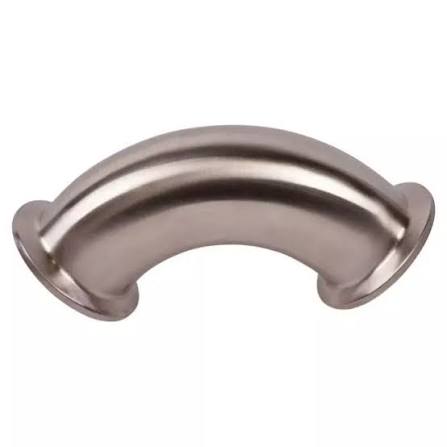
Is a 90 or 45 degree elbow better for drain?
In the drainage systems of precision manufacturing and the electronics industry, the angle selection of elbows directly impacts fluid dynamic stability and particulate contamination risks. The question of which is better, a 90° or 45° elbow, has no absolute answer and instead depends on specific process requirements.
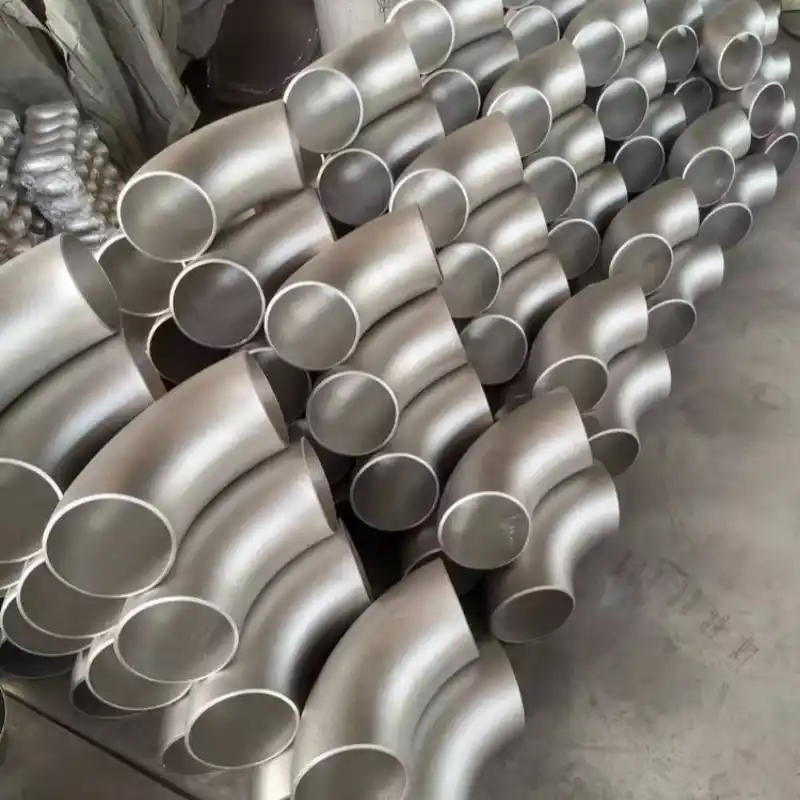
For high-purity water treatment or chemical discharge pipelines, 45° elbows are generally preferred. Taking the common 45 degree radius as an example, its centerline bending radius (typically 1.5D) features a gentler curve than standard 90° elbows, with a pressure drop coefficient (ζ) ranging from approximately 0.2 to 0.3, compared to 0.5 to 0.7 for 90° elbows. This means that at the same flow velocity, 45° elbows reduce turbulence and eddy current zones, lowering the likelihood of particulate retention on pipe walls — a critical advantage for drainage systems in semiconductor cleanrooms.
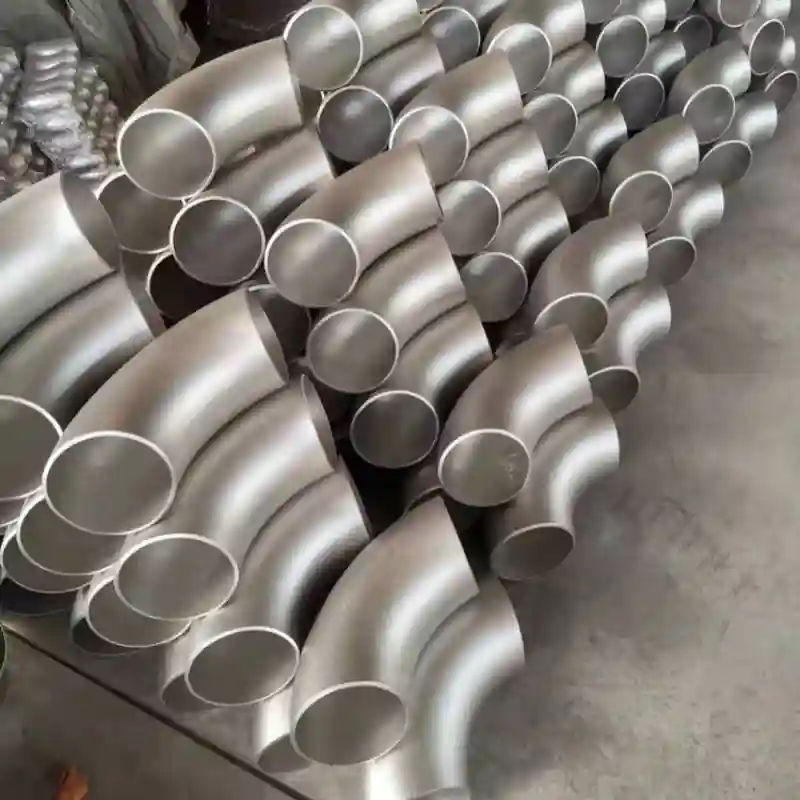
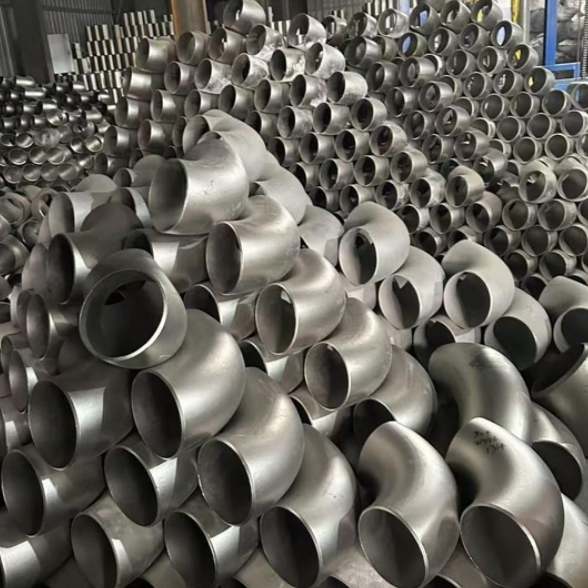
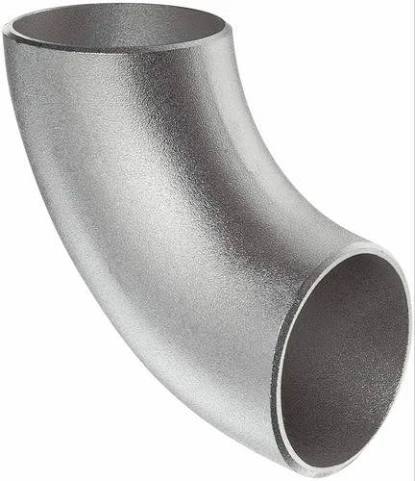
Nevertheless, 90° elbows still hold practical value in space-constrained scenarios requiring rapid vertical direction changes. For instance, 90° elbow long radius (R=1.5D to 2D) has a smaller internal flow separation area than short-radius elbows. When paired with electrochemical polishing (Ra≤0.4μm), it can meet ISO Class 4 cleanliness standards.
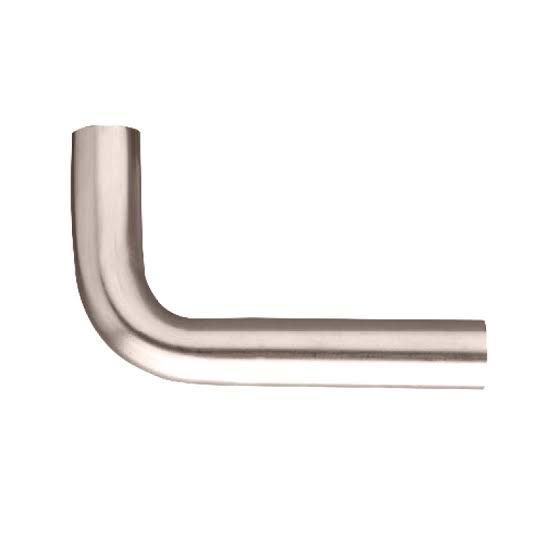
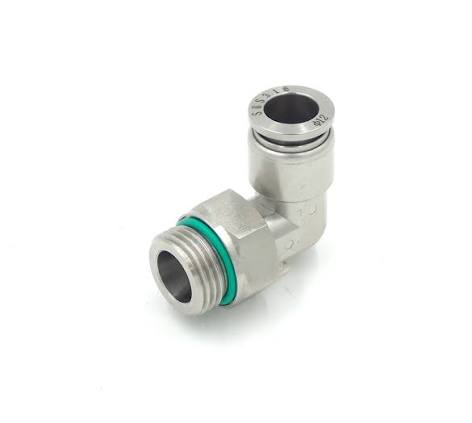
In addition, the 90 degree adjustable elbow enables fine angle adjustment to facilitate on-site installation compensation, though it should be noted that adjustable structures may raise the risk of crevice corrosion.
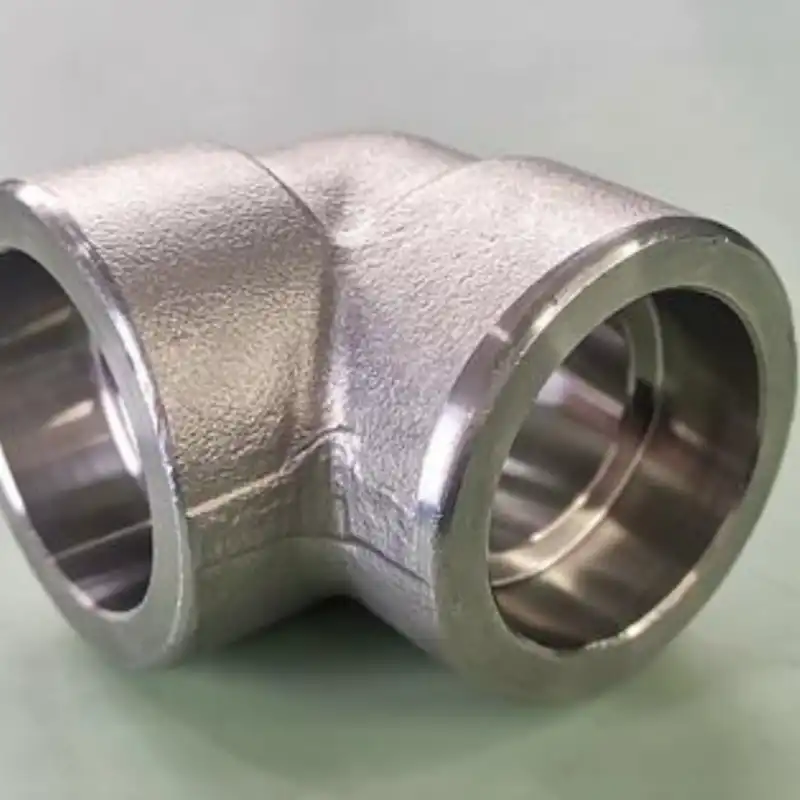
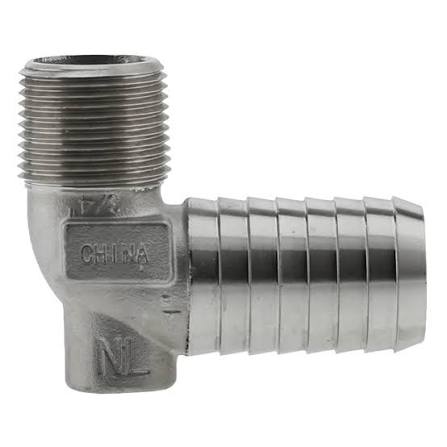
In threaded connection scenarios, the 45 degree threaded elbow supports quick assembly and disassembly for low-pressure drainage pipelines, while 45 elbow fitting is widely used in compact layouts with stainless steel or PVDF materials. Multiple consecutive 90° elbows should be avoided in pipelines conveying viscous fluids or solid-laden wastewater, as this will cause a sharp rise in back pressure.
FAQ 1: How to prevent particle retention at elbow sections in precision drainage systems?
Solution: Adopt a dual 45° layout (combining two 45° elbows to replace a single 90° elbow) and maintain an inner surface roughness of Ra≤0.2μm. In accordance with the SEMI F57 standard, a long-radius design is recommended for elbows with a nominal diameter of 50mm or larger.
FAQ 2: What special material requirements apply to elbows for electronic-grade drainage?
Solution: Prioritize high-purity PVDF or EPDM-lined stainless steel elbows. Core performance indicators include an ion dissolution rate of less than 0.05µg/cm² and ozone resistance of no less than 5ppm. For 90° elbow long radius products, the bending radius tolerance must be controlled within ±0.5mm.
In summary, 45° elbows deliver superior performance in drainage efficiency and cleanliness, while properly processed long-radius 90° elbows are fully capable of serving most electronic-grade applications. Elbow selection shall be determined with reference to flow parameters and cleanliness level simulation results.