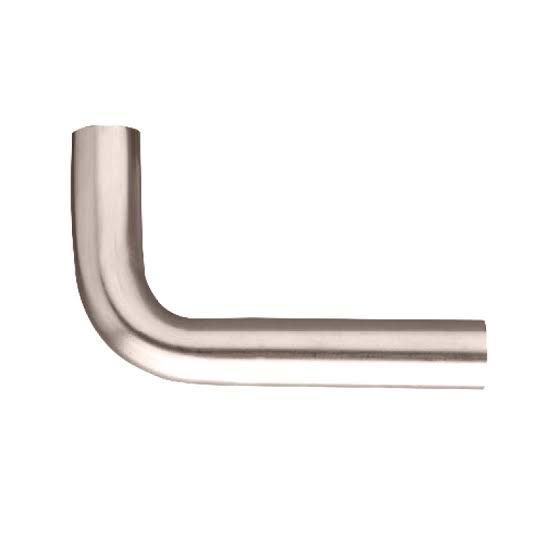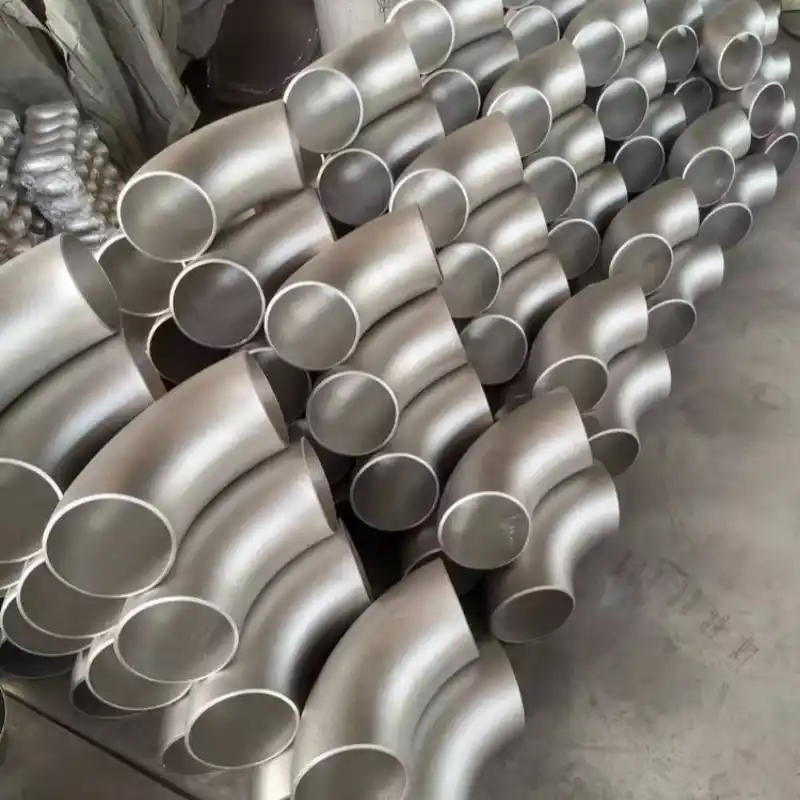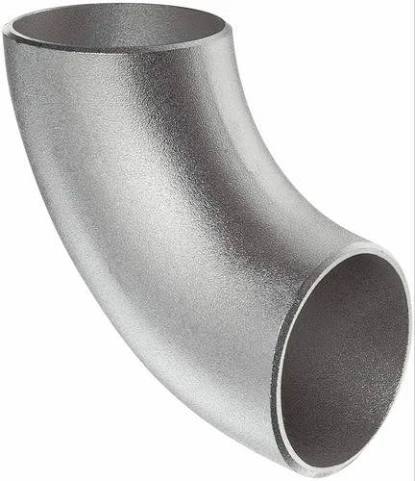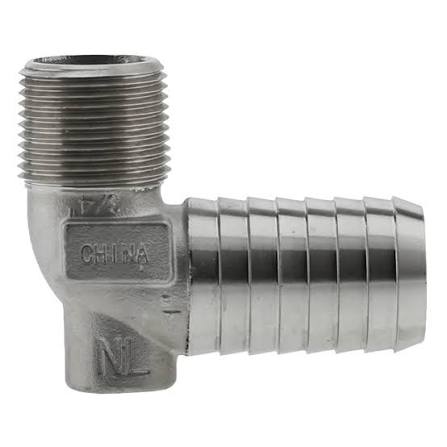
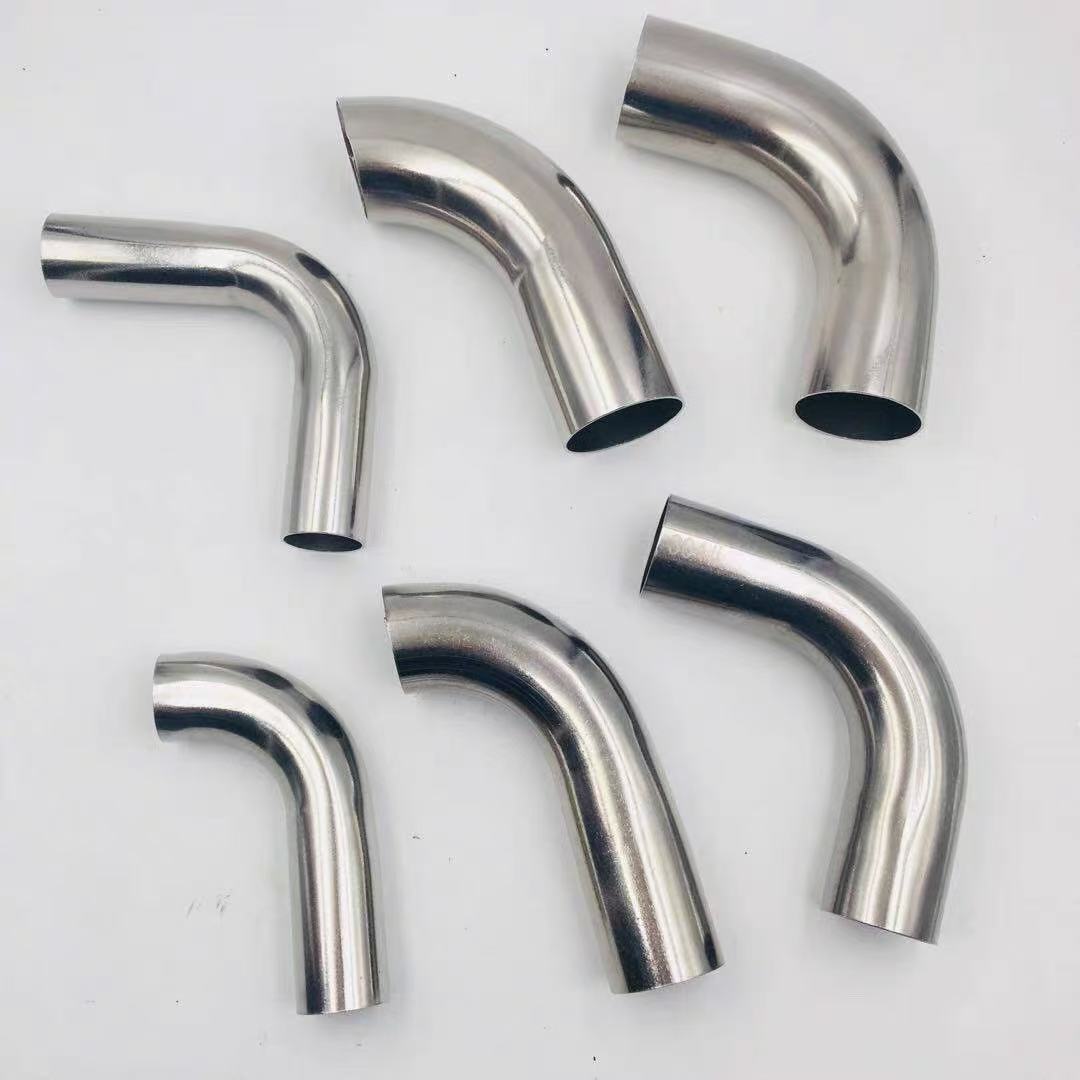
Stainless Steel 90 Degree Elbow 1/2″ for Tight Spaces
Reliable 1/2″ stainless 90° elbow for sterile lines. Corrosion-proof, compact, for brewery & pharma use. Order now.
Description
The Core Hub of Precision Fluid Systems – A Comprehensive Analysis of 1/2″ Stainless Steel 90 Degree Elbow
In piping systems with extremely high cleanliness requirements—such as instrumentation, biopharmaceuticals, and craft brewing—the 1/2″ stainless steel 90 degree elbow is not merely a physical component for redirecting media flow; it is also a “gatekeeper” that ensures system safety and process purity.
Compared to large-bore industrial elbows, this 1/2-inch miniature specification imposes even more stringent demands on metallurgical processes and thread precision when dealing with high-pressure steam and corrosive chemical solvents.
1. Core Technical Parameters and Manufacturing Standards of 1/2″ stainless steel 90 degree elbow
To achieve zero-leakage operation in confined spaces, the manufacturing of this elbow must strictly comply with international codes. Purchasers should focus on verifying material certificates and dimensional tolerances. The key performance indicators for this product are as follows:
| Parameter Item | Specification |
|---|---|
| Nominal Pipe Size (NPS) | 1/2 inch (DN15) |
| Angle | 90 degrees (Long Radius standard type) |
| Execution Standard | ASME B16.9 / MSS SP-43 |
| Common Material | ASTM A403 WP316L (low-carbon stainless steel, resistant to intergranular corrosion) |
| Wall Thickness Schedule | Sch 10S (lightweight) / Sch 40S (standard pressure-bearing) |
| Connection Type | NPT tapered pipe thread / BSPT British thread / Socket Weld (SW) |
| Surface Finish | Pickling & Passivation |
2. Sealing Logic and Installation Key Points for 1/2″ npt 90 degree elbow stainless steel
✅For purchasers, distinguishing thread types is the first hurdle in selection. 1/2″ npt 90 degree elbow stainless steel refers to the model using the American National Standard tapered pipe thread (NPT). This thread relies on deformation between the male and female threads to create a seal.
✅When installing a 1/2-inch NPT elbow, due to the small diameter, applied torque can easily cause deformation or cracking of the fitting. The industry-recommended practice is to use PTFE tape or pipe sealant and tighten with a torque wrench to the standard torque (typically 15–20 ft-lbs). Do not overtighten, as this may damage the passive film on the stainless steel, leading to subsequent pitting corrosion.
3. Exclusive Advantages of 1/2 inch stainless steel 90 degree elbow in the Craft Brewing Sector
Why do craft brewing equipment manufacturers prefer to specify the 1/2 inch stainless steel 90 degree elbow? This is closely tied to its process characteristics:
-
Superior resistance to chloride ion corrosion: The acidic cleaning agents used in brewing (CIP cleaning, typically containing nitric acid and hydrofluoric acid) and hot wort (pH 5.0–5.6) are corrosive to ordinary 304 material. The 316L stainless steel elbow, with its added molybdenum (Mo), effectively resists stress corrosion cracking caused by halides (such as chlorides in wort).
-
Hygienic internal surface finish: A qualified 1/2-inch stainless steel elbow should have an internal roughness (Ra) controlled at ≤ 0.8 μm. This smooth surface prevents the adhesion and growth of microorganisms (e.g., wild yeast and lactic acid bacteria), ensuring absolute batch-to-batch flavor stability.
-
Low resistance in compact layouts: In the secondary steam recovery piping between the mash tun and the brew kettle, space is extremely limited. The long-radius (LR, R=1.5D) 1/2-inch elbow not only reduces pressure drop from turbulence but also wears high-viscosity syrup far less than short-radius elbows, effectively extending the service life of the rotary pump.
-
Vibration and fatigue resistance: Craft breweries experience frequent steam hammer and pump vibrations. High-quality stainless steel elbows combined with the metal-to-metal seal of NPT threads provide excellent anti-vibration and anti-loosening performance.
More Products