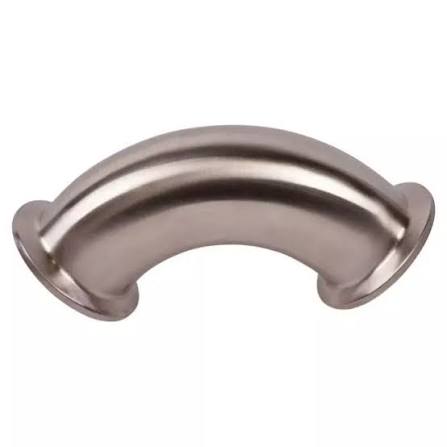
How to Roll a Reducing Pipe Elbow: DIY Guide: Professional-Level Fabrication Guide
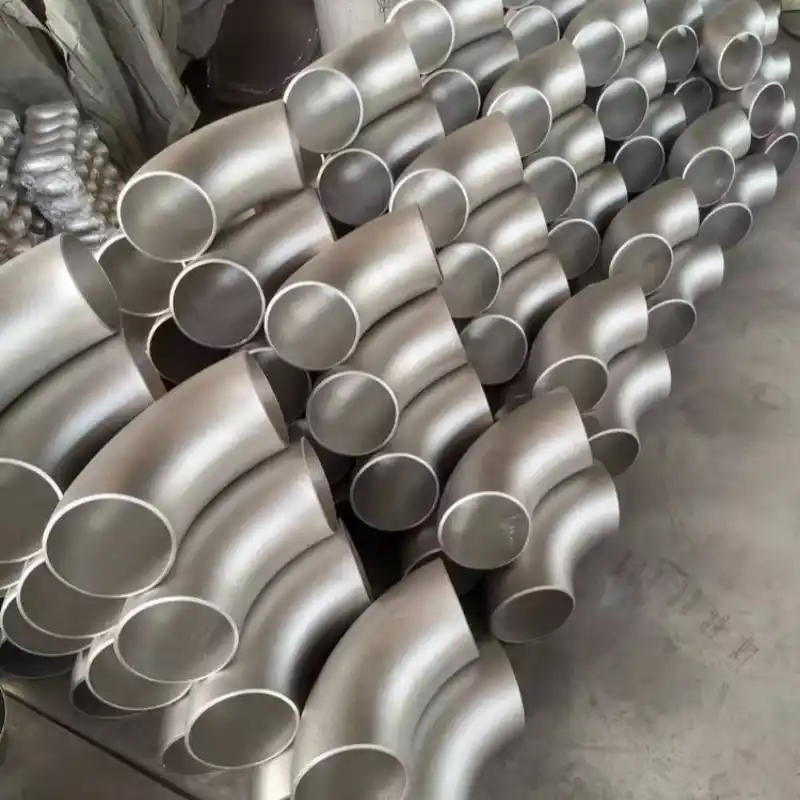
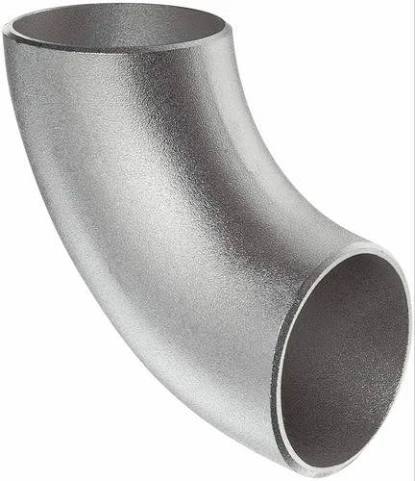
✅In piping systems, a reducing elbow enables both directional change and diameter reduction simultaneously, commonly used in space-constrained industrial pipelines.
✅Although purchasing finished products is more economical and reliable, mastering the technique of roll forming reducing elbow remains valuable in scenarios involving non-standard sizes, emergency repairs, or special materials (e.g., high-nickel alloys).
Step 1: Blank Preparation
✔️ Select a section of equal-diameter elbow blank whose outer diameter equals the large-end diameter of the reducing elbow, with wall thickness reserved at 1.1 times the design pressure. For example, to fabricate a DN100×80 reducing elbow, use a DN100 straight-seam or seamless elbow blank with a wall thickness of at least 5mm.
Step 2: Hot pushing
✔️ Heat the blank to 900–1050°C (for low-carbon steel) or 980–1150°C (for stainless steel), then push it on a hydraulic press using a tapered mandrel. The mandrel’s outer diameter transitions smoothly from the small end to the large end, with a pushing speed controlled at 10–15 mm/s to ensure uniform metal flow. During this process, the hot mandrel bending technique naturally forms a bending radius, typically 1.0D–1.5D.
Step 3: Wall Thickness Monitoring
✔️ During the rolling process, the outer side wall thickness of the elbow will thin. Use an ultrasonic thickness gauge to monitor in real time: the thinning rate must not exceed 12.5% (permitted range of ASME B16.9). If thinning occurs too rapidly, reduce the pushing speed or increase the heating temperature.
Step 4: Sizing and Heat Treatment
✔️ After forming, use dedicated molds to correct ovality (≤1% of outer diameter), then perform stress relief annealing (600–650°C, held for 1 hour per 25mm of wall thickness). Finally, use a pogo gauge to check internal diameter continuity and smoothness of the reduced section.
Step 5: Non-Destructive Testing
✔️ Conduct 100% radiographic inspection on welds (if any), rated Grade II according to NB/T 47013.2. Throughout the fabrication process, strictly record the temperature control curve and dimensional data to ensure traceability of custom reducing elbow fabrication.
Professional Tip
📝The failure rate for DIY fabrication is extremely high. It is recommended to prioritize customization from manufacturers with ISO 9001 certification. If you insist on DIY, first perform finite element analysis (FEA) and reserve a 20% allowance for test samples.