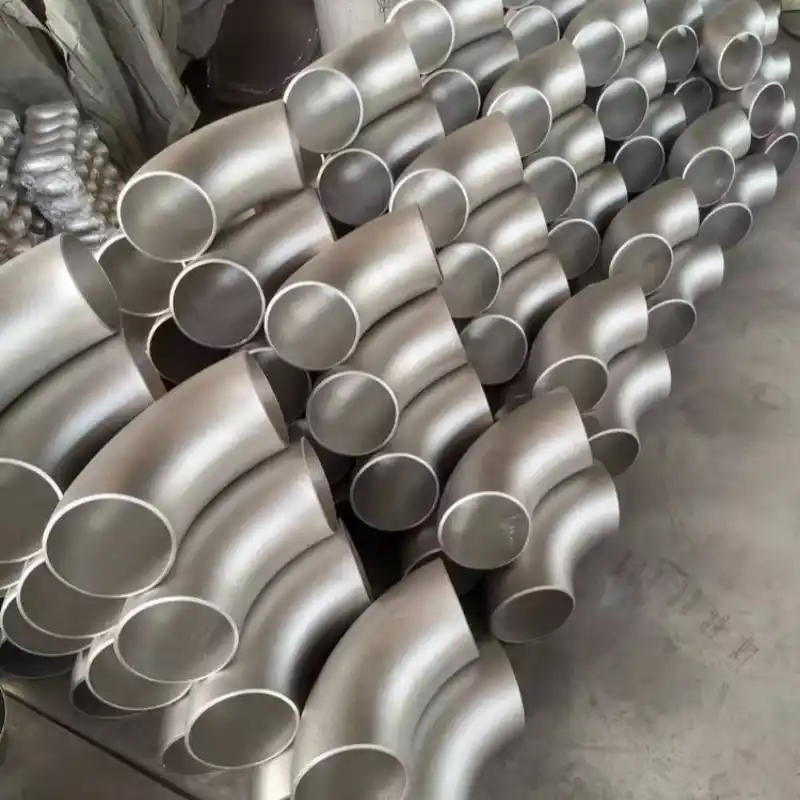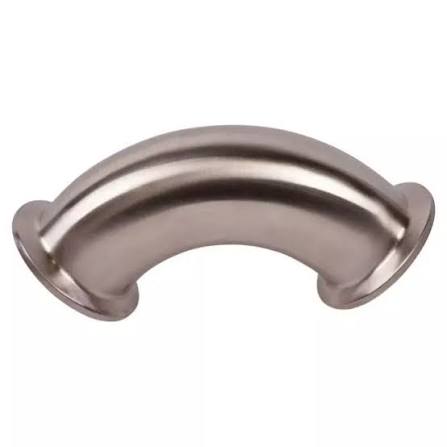
In industrial piping systems, the stainless steel pipe elbow is one of the most fundamental yet critical components for changing flow direction. Whether in an onshore refinery or a deep‑water floating production platform, its selection directly impacts the safety and service life of the entire pipeline. This article, from an engineering practice perspective, breaks down the core applications, selection parameters, and classic industry cases of stainless steel elbows.
1. Material & Standards: The Underlying Logic of Performance
✅The performance of a stainless steel elbow first depends on the material grade and manufacturing standard. Common materials are 304/304L and 316/316L; the latter, thanks to molybdenum addition, offers better pitting resistance in chloride‑containing environments (e.g., seawater, acidic media). In offshore engineering, higher‑grade duplex stainless steels (e.g., 2205) are also frequently used.
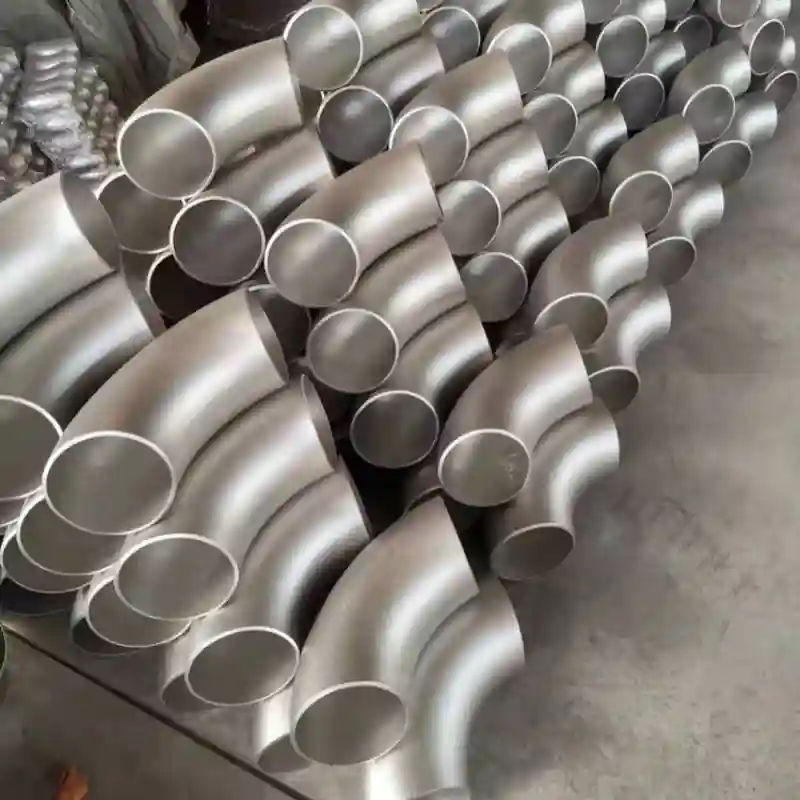
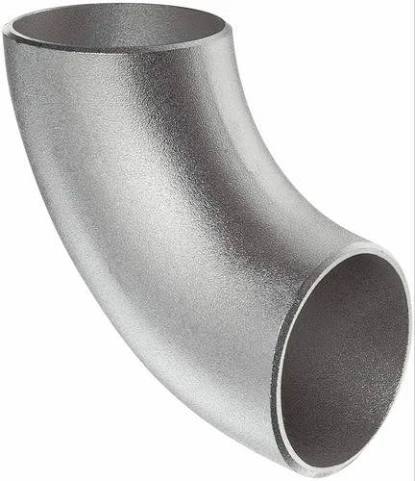
✅In terms of manufacturing standards, ASME B16.9 and ASTM A403 are the most widely adopted international specifications. They define dimensional tolerances, wall thickness, heat treatment requirements, etc. When purchasing, it is essential to verify whether the elbow meets the centre‑to‑end dimensions given in stainless steel 90 degree elbow dimensions – for example, long radius (LR) with R=1.5D and short radius (SR) with R=1.0D – as these directly affect piping stress analysis and on‑site installation space.
2. Typical Application Scenarios: From Onshore to Deep‑Sea
✅Stainless steel elbows are used across petrochemical, power generation, food & pharmaceutical, and shipbuilding industries. Among these, offshore engineering imposes the most stringent requirements – not only must the elbows withstand high pressure, low temperatures, and alternating wave loads, but they also need to resist seawater corrosion and hydrogen sulfide (H₂S) stress cracking.
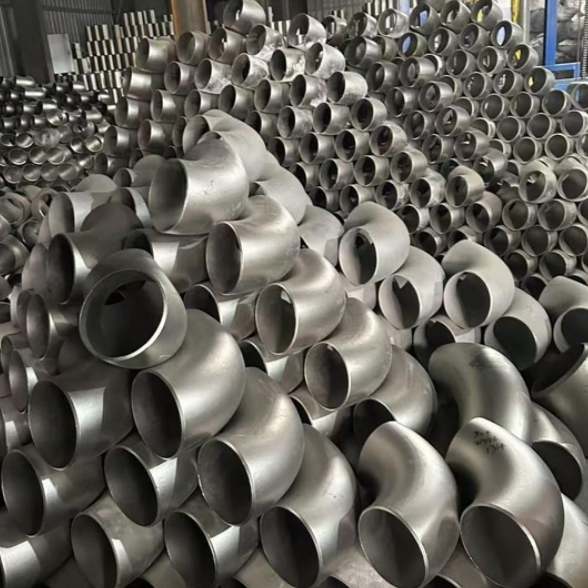
✅A highly representative case is the 300,000‑ton class FPSO “Hai Yang Shi You 117” (Offshore Oil 117). This ultra‑large FPSO extensively adopted butt weld stainless elbows in its crude oil processing and seawater injection systems.
-
The welded connection ensures joint strength matching that of the parent material, avoiding leakage risks under vibration that threaded connections might cause.
-
The elbows were made of 316L, effectively coping with uniform corrosion and pitting in the high‑salt‑mist marine environment, ensuring the vessel’s continuous safe operation for over a decade since its commissioning in 2007.
✅This case clearly demonstrates that in critical projects, the selection of stainless steel pipe fittings elbow must comprehensively consider operating conditions, welding procedures, and life‑cycle maintenance costs.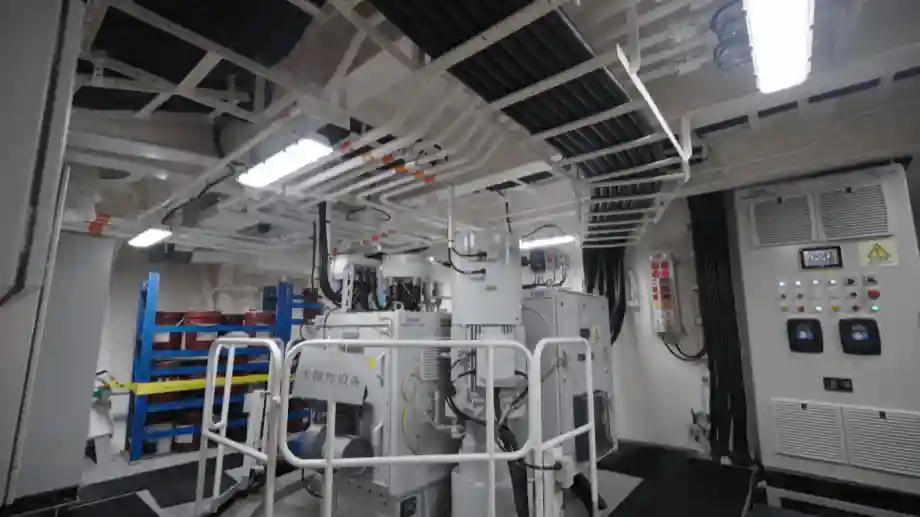
3. Core Selection Criteria: Radius, Wall Thickness, and Connection Type
✔️When selecting elbows, engineers most often face the choice between Long Radius (LR) and Short Radius (SR) elbows. A stainless steel long radius elbow (R=1.5D) is the preferred choice for most applications due to lower fluid resistance and less erosion/corrosion wear; short‑radius elbows are used only in space‑constrained compact areas, but they incur higher pressure drops and are not recommended for high‑viscosity or solids‑laden media.
✔️Wall thickness is typically designated by Schedule (e.g., SCH 10S, SCH 40S). For high‑pressure systems, a stainless steel seamless elbow should be chosen, as it has no weld seam, thus avoiding intergranular corrosion and fatigue cracking risks at the weld. For atmospheric or low‑pressure systems, welded elbows offer greater cost‑effectiveness.
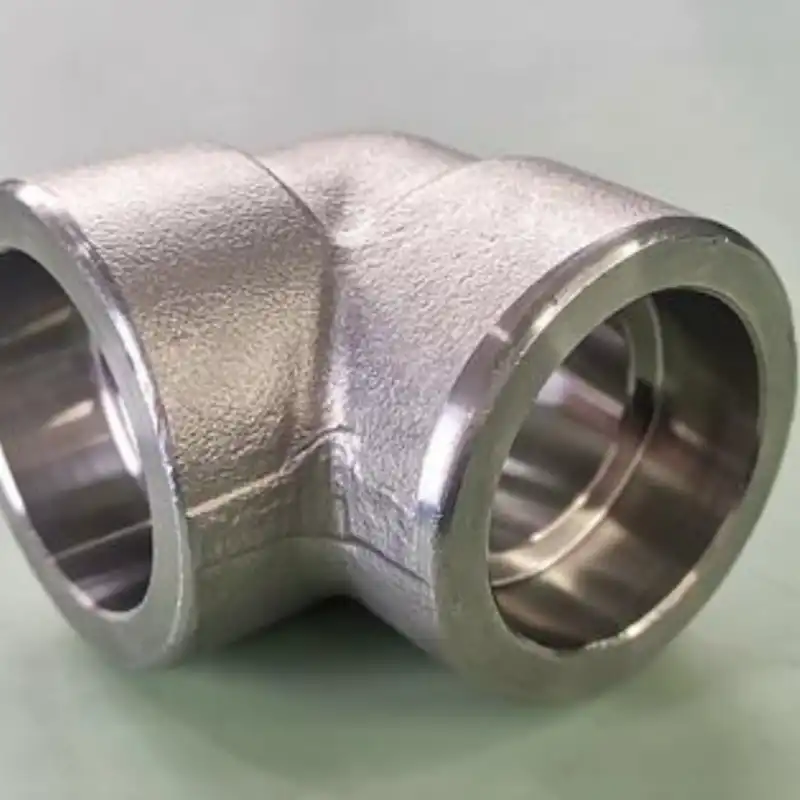
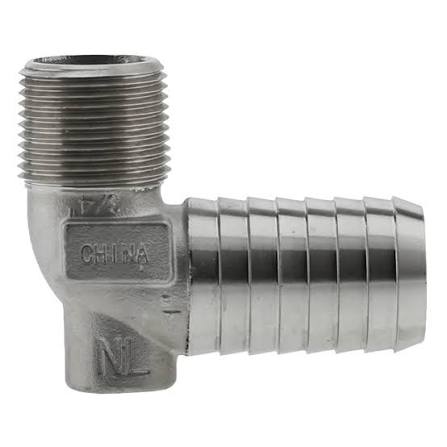
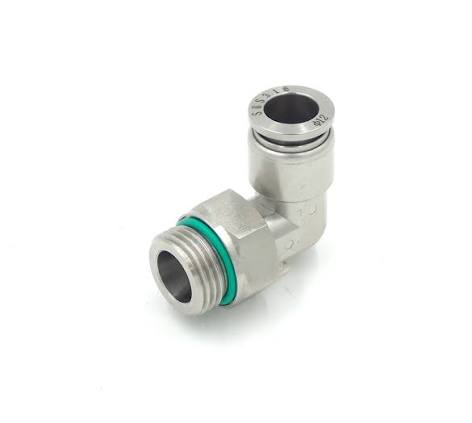
✔️Regarding connection types, butt weld is used for pipe sizes 2″ and above, while socket‑weld or threaded connections are more common for small‑bore piping.
4. Installation & Maintenance: Practical Points Not to Be Overlooked
✔️When installing butt‑weld elbows, strict control over bevel angle, fit‑up gap, and preheating temperature is required. Post‑weld solution annealing (for austenitic stainless steels) is recommended to restore corrosion resistance. In routine maintenance, focus on wall‑thickness reduction at the extrados (the most erosion‑prone area), which can be monitored periodically with ultrasonic thickness gauges.
✔️Additionally, smooth internal transition between the elbow and pipe is vital – a rough inner surface can accelerate media stagnation and localised corrosion. Therefore, for high‑purity food or pharmaceutical lines, stainless steel elbows with internally polished surfaces are typically specified.
5. Conclusion
Though small in size, the stainless steel elbow carries the critical task of “redirecting” the pipeline. From onshore chemical plants to mega‑floating production vessels like “Hai Yang Shi You 117”, a correct understanding of the material, standards, radius, and connection methods of stainless steel pipe elbow is the cornerstone of engineering safety and economic efficiency.
📌We hope this knowledge piece from AIFN provides valuable reference for your selection and procurement work.