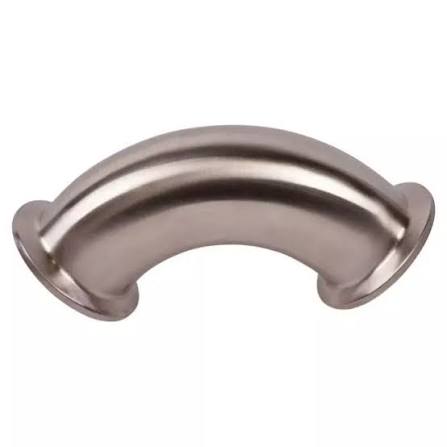
In complex piping systems, changing the direction of fluid flow is a fundamental requirement, and the core component that fulfills this function is the elbow fitting. As a critical junction connecting pipelines, choosing the wrong elbow can lead to increased system pressure drop, higher leakage risks, and even safety incidents. This article serves as a professional guide, taking you through the classification, materials, dimensional standards, and selection criteria of Stainless Steel Elbow Fittings, helping you make the most accurate decisions for your specific application.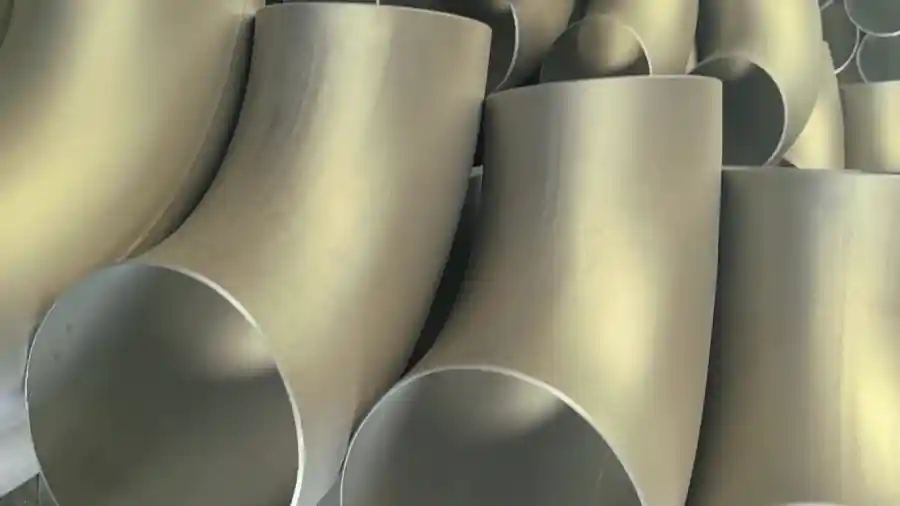
I. Stainless Steel Elbow Types: Classification by Connection Method and Radius of Curvature
The first step in selecting an elbow is to clarify its connection method and turning radius. This forms the basis for installation efficiency and system spatial layout.
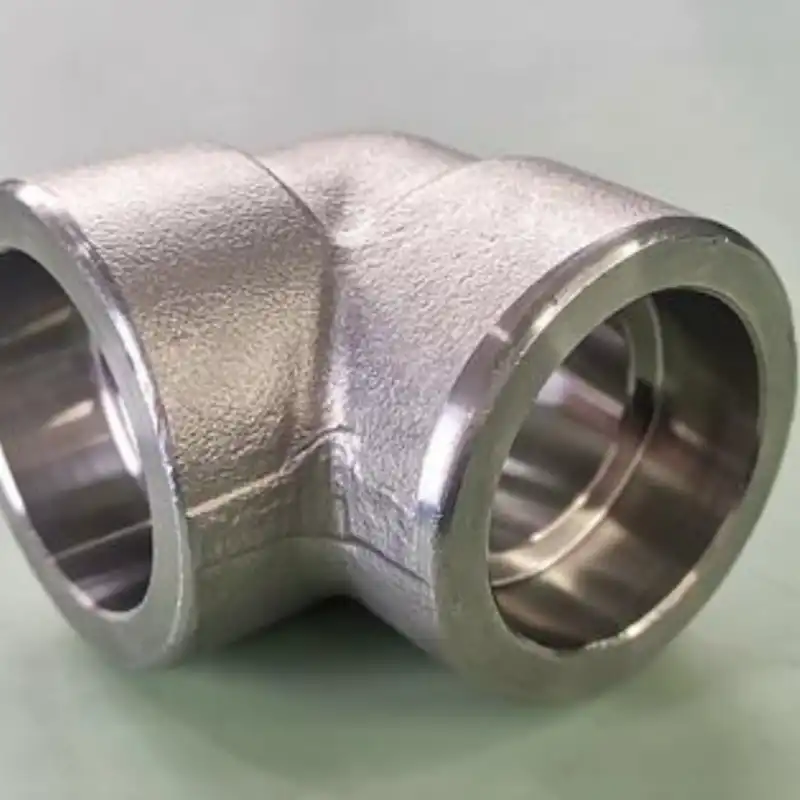
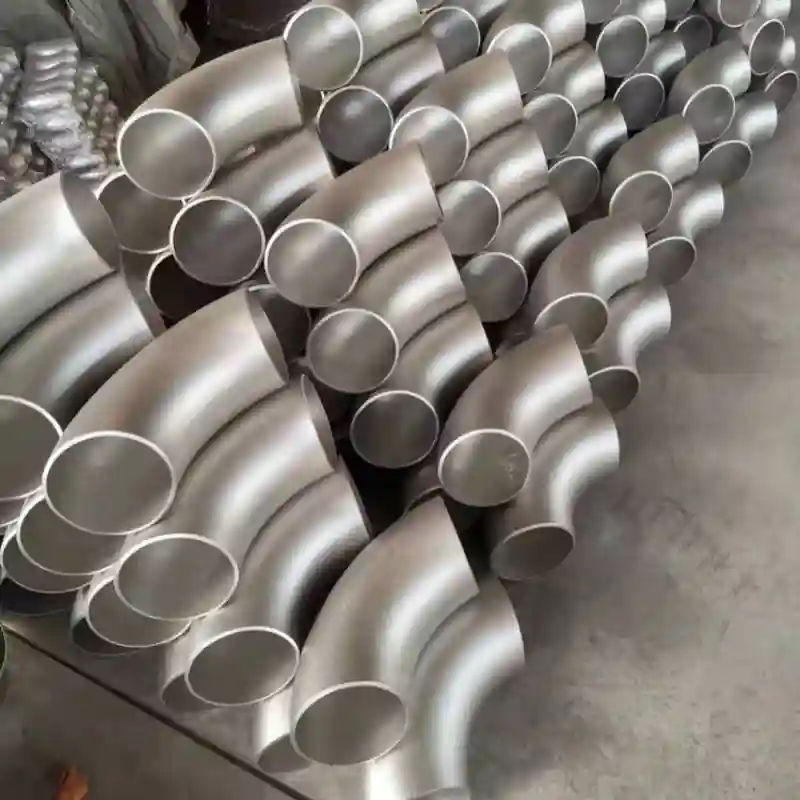
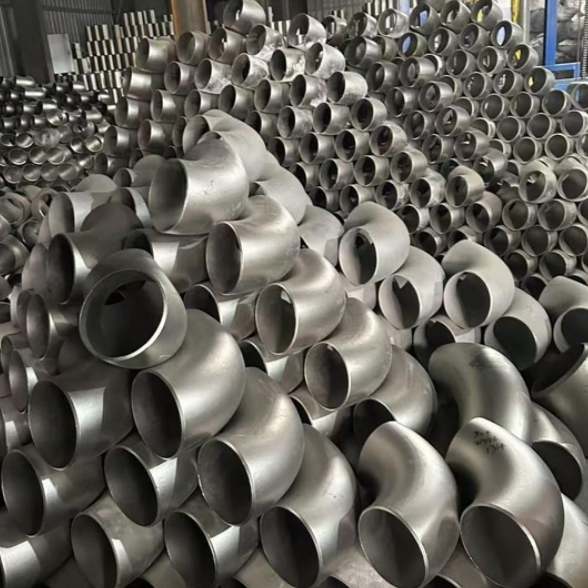
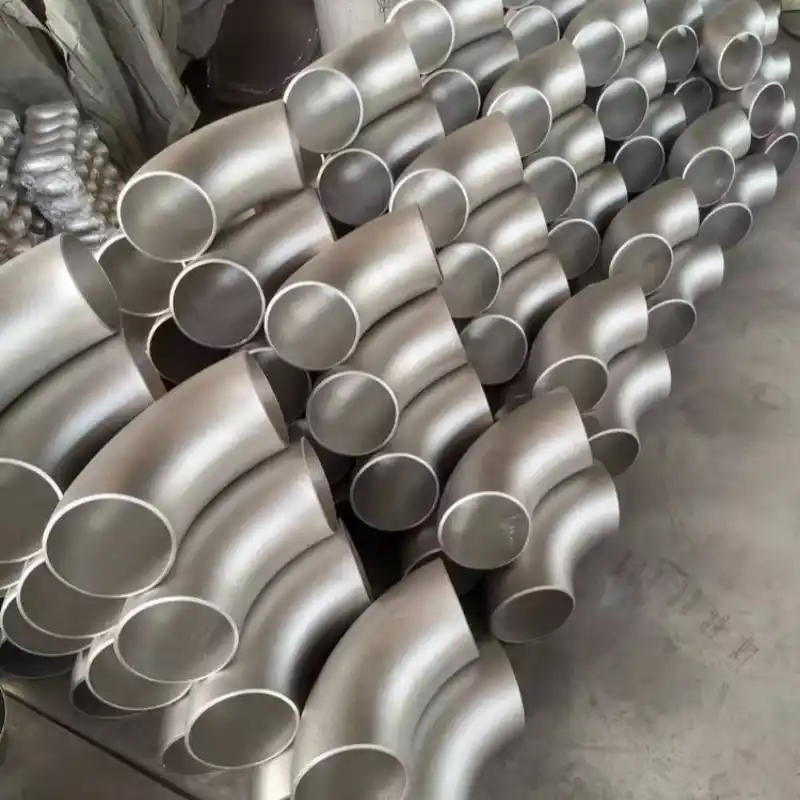
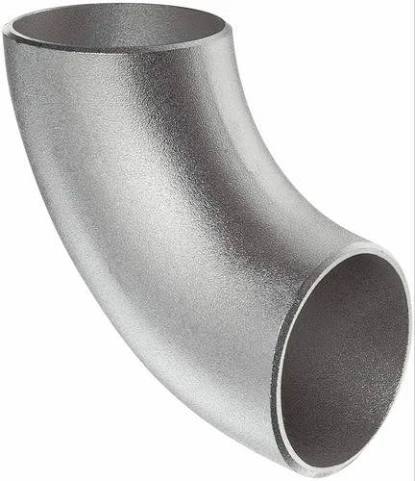
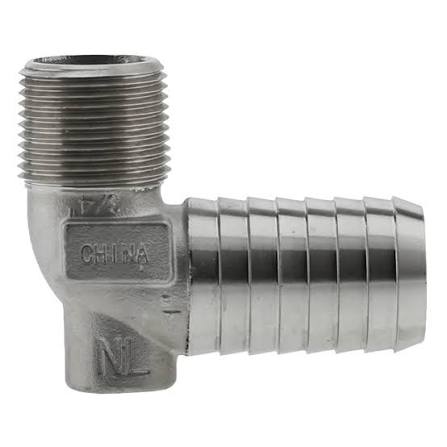
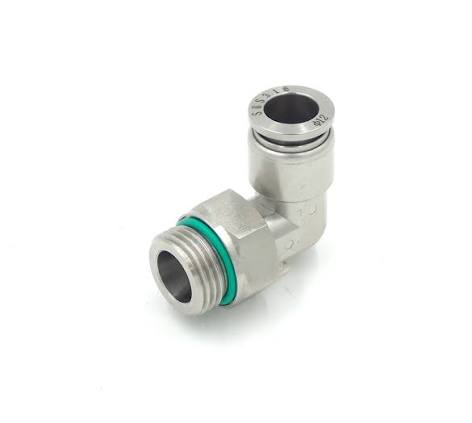
By connection method: Mainly divided into Socket Weld Elbow, Threaded Elbow, and Butt Weld Elbow. The Butt Weld Elbow, with its smooth inner wall and excellent pressure-bearing capacity, is widely used in high-pressure and critical service conditions; while the Threaded Elbow, due to its ease of installation, is commonly used in low-pressure, small-bore pipe connections.
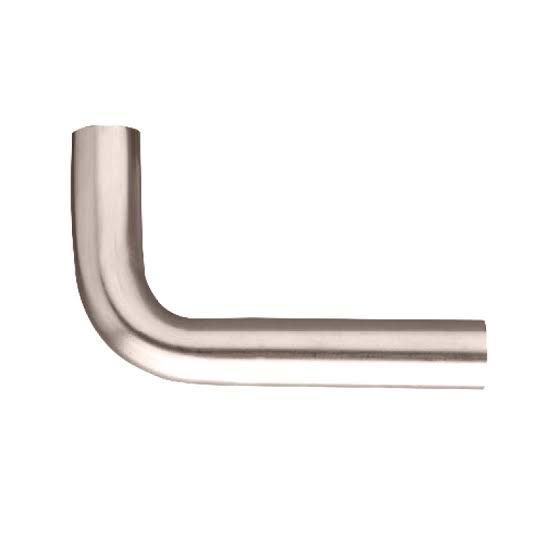
By radius of curvature: Typically divided into Long Radius Elbow (LR) and Short Radius Elbow (SR). The Long Radius Elbow (R=1.5D) is the preferred choice for most applications due to its lower fluid resistance and milder erosion effects. The Short Radius Elbow (R=1.0D) is used only in extremely space-constrained situations.
II. Stainless Steel Elbow Material: Material Defines Performance Boundaries
Material is the key factor determining the service life and corrosion resistance of the elbow. When facing different fluid media and ambient temperatures, careful selection is essential.
Austenitic stainless steel: 304/304L is the most widely used “economical” stainless steel, suitable for general drinking water, food processing, and non-severe industrial environments. 316/316L, with the addition of molybdenum (Mo), offers significantly better resistance to chloride pitting and crevice corrosion than 304, making it an ideal choice for marine environments, chemical processes, and pharmaceutical industries.
Duplex stainless steel: Such as 2205, combines the advantages of austenitic and ferritic structures, providing higher strength and excellent resistance to stress corrosion cracking, suitable for high-chloride and high-temperature conditions.
III. Stainless Steel Fittings Standard: Authoritative Standards Are the Hallmark of Quality
Any qualified fitting must strictly comply with internationally recognized manufacturing standards. This not only ensures dimensional interchangeability but also provides authoritative guarantees for material, tolerances, and testing procedures.
Core standards: The most widely used international standards are those from the American Society for Testing and Materials (ASTM). For example, ASTM A403 is the core standard for wrought stainless steel butt-welding fittings, while ASTM A182 covers forged or rolled alloy and stainless steel pipe fittings (such as threaded and socket-weld types).
Pressure ratings: For threaded or socket weld elbows, pressure ratings are typically indicated as Class 3000 and Class 6000. During selection, it is crucial to ensure that the pressure rating meets or exceeds the system design pressure. For butt-weld fittings, they are usually matched to the pipe schedule (e.g., Sch. 40S, Sch. 80S).
IV. Stainless Steel Elbow Dimensions: Precise Measurement Is the Cornerstone of Installation
Before actual installation, accurately mastering the key dimensional parameters of the elbow is essential to avoid on-site rework and ensure precise pipe routing.
Key dimensional parameters: Mainly include Nominal Pipe Size (NPS), Outside Diameter (OD), Center-to-End distance (A), as well as the rotational angle dimensions for 45‑degree and 90‑degree elbows. For a long radius 90‑degree elbow, the standard Center-to-End distance is 1.5 times the Nominal Pipe Size (NPS).
Wall thickness and internal diameter: The Schedule directly determines the pressure-bearing capacity of the elbow. Ensure that the wall thickness rating of the selected elbow matches that of the connecting pipe to guarantee weld quality and system strength.
V. Stainless Steel Weld Elbow Dimensions: Precision Control for Butt-Weld Procedures
For Butt Weld Elbows, the accuracy of end bevel and wall thickness dimensions directly affects welding quality. In piping systems, butt-weld connections are considered “permanent” connections, with strength equivalent to that of the base material, thus demanding extremely high geometric precision.
Bevel requirements: Standard butt-weld elbows typically have ends machined with bevels conforming to ASME B16.9 standards to ensure full penetration during welding.
Wall thickness matching: When selecting a butt-weld elbow, its minimum wall thickness must not be less than 87.5% of the nominal wall thickness of the connecting pipe—this is a bottom-line requirement to ensure weld strength and safety.
Conclusion
📌Selecting the appropriate Stainless Steel Elbow Fitting is a systematic engineering task that requires comprehensive consideration of type, material, standard, and dimensions. By following the guidelines above, you can make an informed and precise decision for your specific application scenario.