Why Plumbers Use Elbows Instead of Straight Pipes: The Engineering Wisdom Behind Fluid Direction Changes
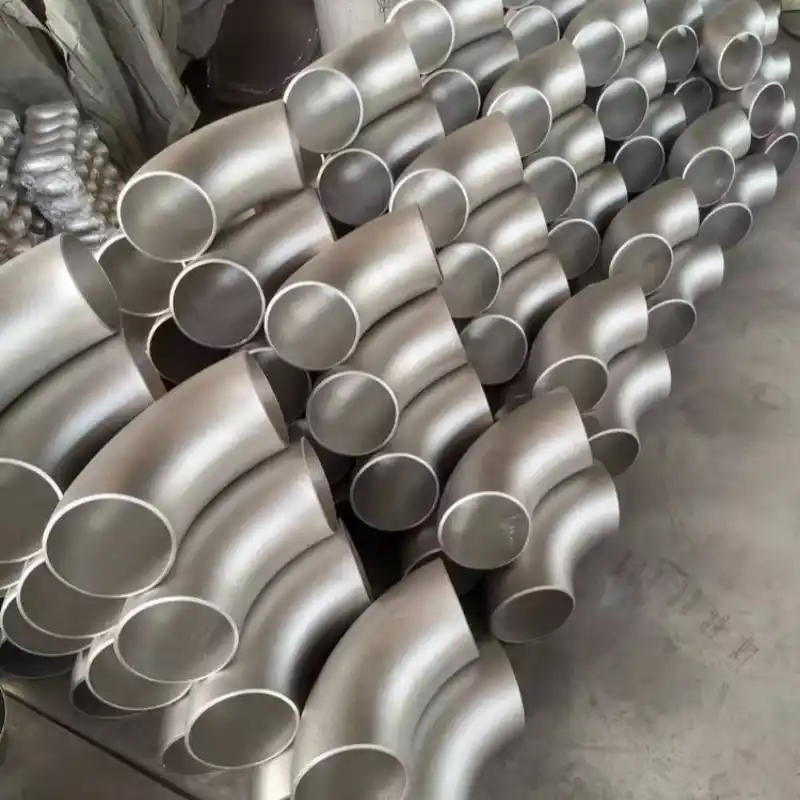
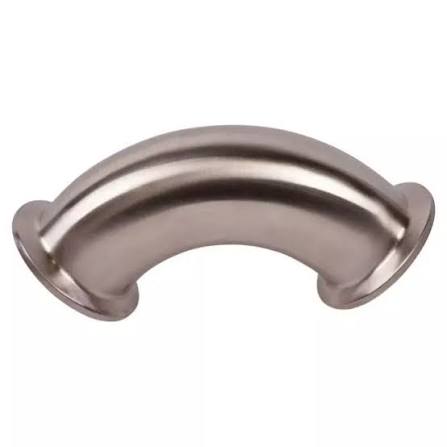
✅In piping systems, straight pipes can only transport fluid in a straight line, yet real-world building structures and equipment layouts are full of corners and obstacles. This is precisely why plumbers must use elbow fittings.
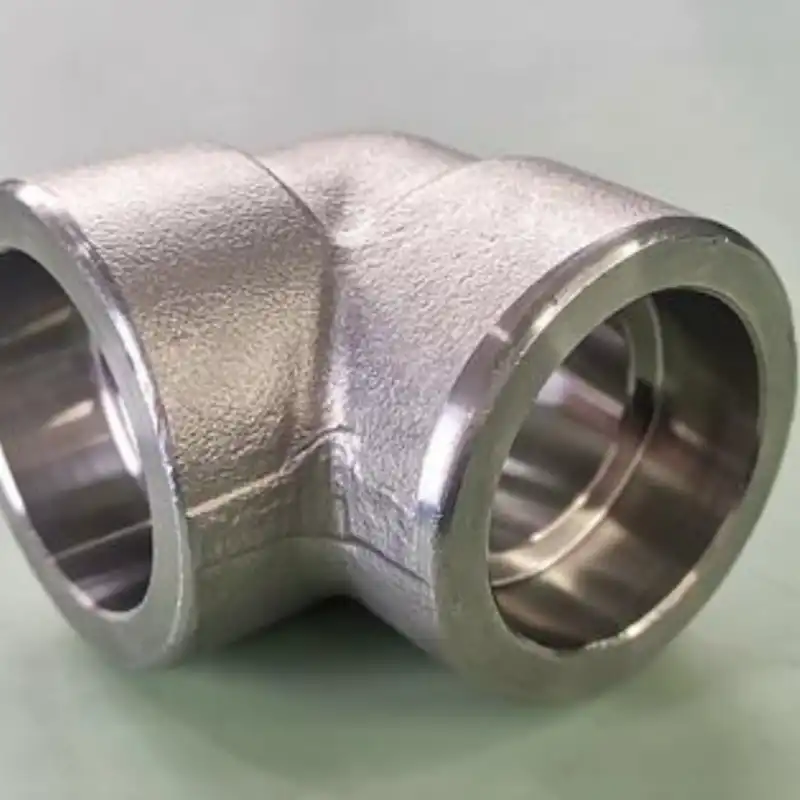
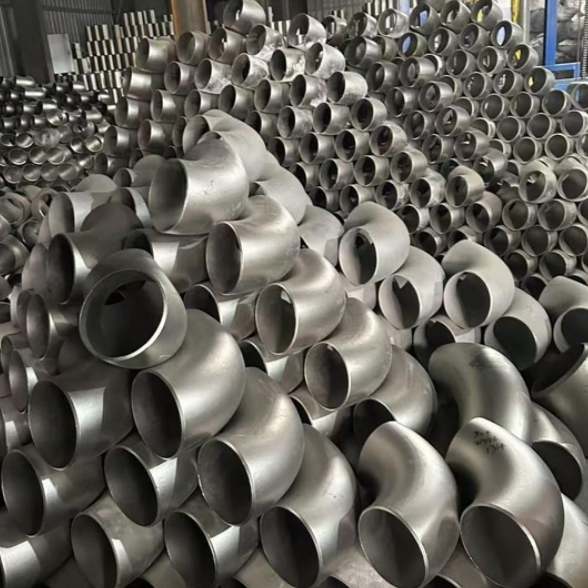
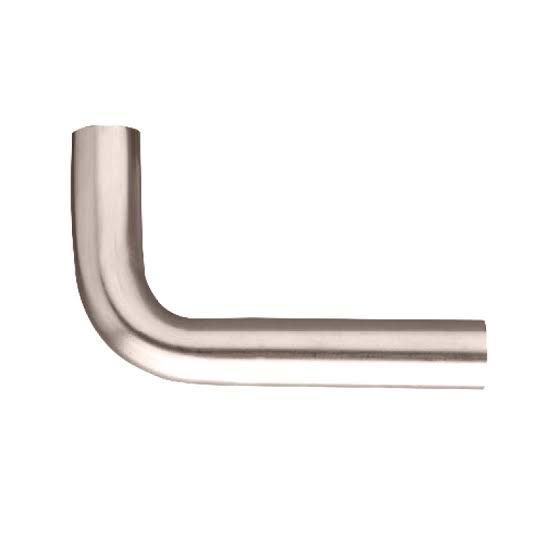
✅Elbows enable piping directional change, allowing pipes to bypass walls, columns, or other utility lines while maintaining system sealing.
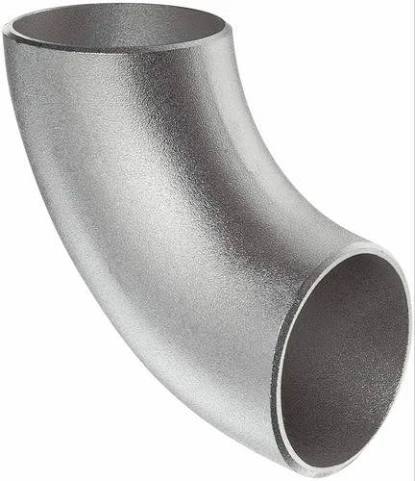
✅From a fluid mechanics perspective, every flow resistance in elbows causes a certain amount of pressure loss. Taking a standard 90° short radius elbow as an example, its equivalent length is typically 30 times the pipe diameter (e.g., for DN50 pipe, the equivalent length is about 1.5 meters), which produces several times higher frictional resistance than a straight pipe of the same length.
✅However, without elbows, water simply cannot turn. The pressure loss coefficient (K value) of a 45° elbow is about 0.3–0.4, while that of a 90° elbow is about 0.5–0.9 (depending on the radius ratio).
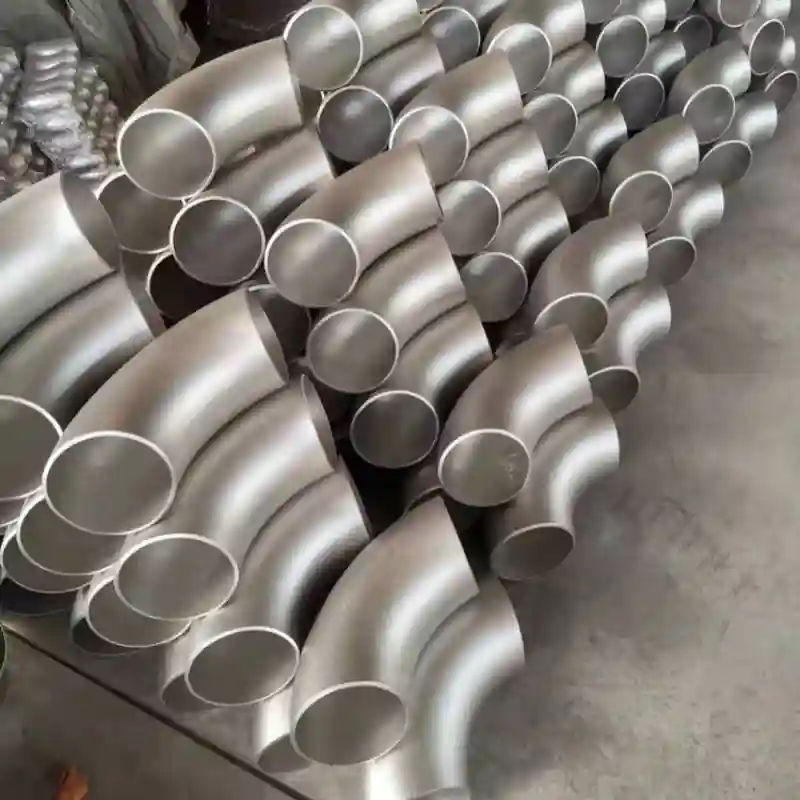
✅Professional plumbers tend to choose long radius elbows because they reduce turbulence and improve plumbing system efficiency.
✅Beyond hydraulic performance, elbows directly affect system maintainability and service life. Using too many elbows improperly can lead to reduced flow velocity, sediment accumulation, and even water hammer.
✅According to the International Association of Plumbing and Mechanical Officials (IAPMO) code, for each additional 90° elbow in a residential drainage system, its equivalent length must be calculated as an extra 2.1 meters to accurately assess total pressure drop.
✅Therefore, experienced plumbers carefully plan the route: using two 45° elbows instead of one 90° elbow allows for a smoother turn while reducing local resistance.
📝Straight pipes cannot handle direction changes. Although elbows create some resistance, they are indispensable components in pipe routing. Selecting the correct type, angle, and number of elbows is the key to achieving the best balance between functionality and efficiency.