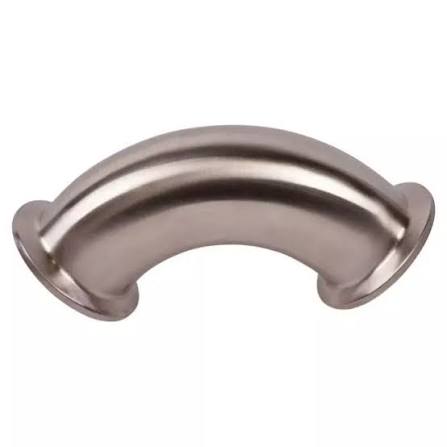
How to Make a Sweeping Elbow in 4 Inch Pipe?
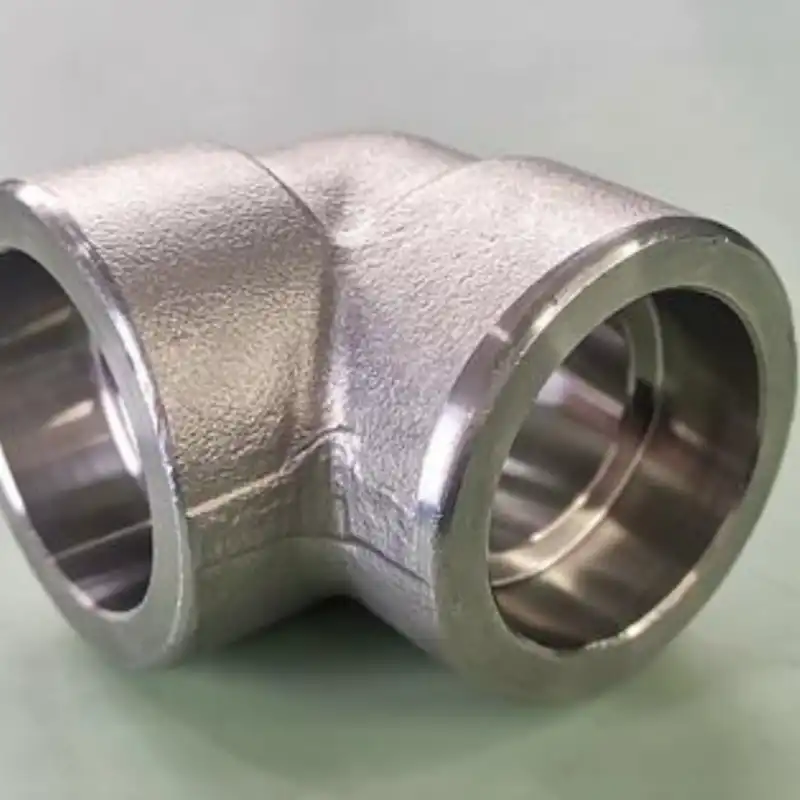
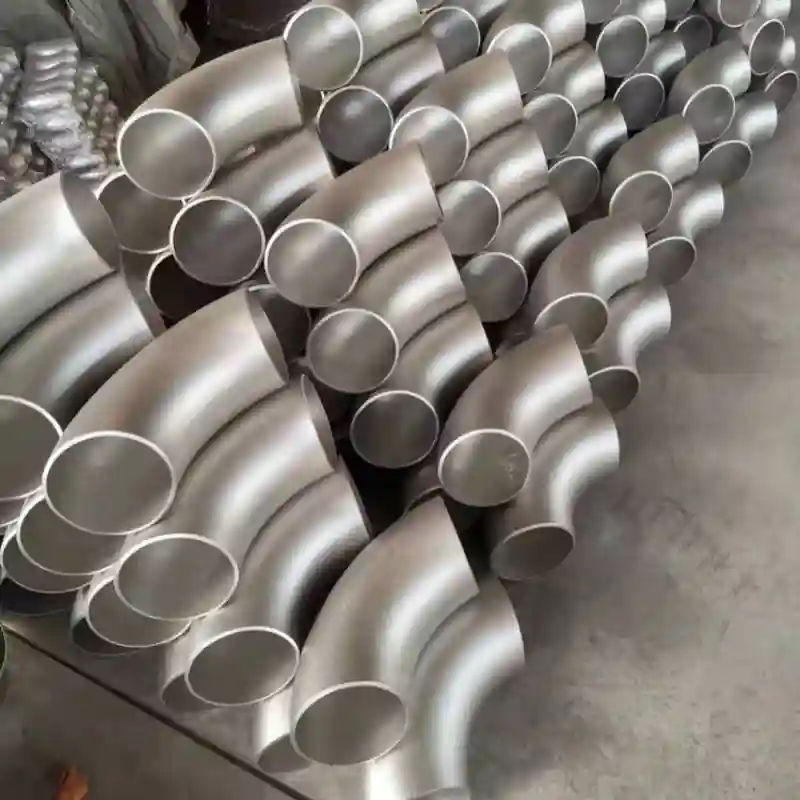
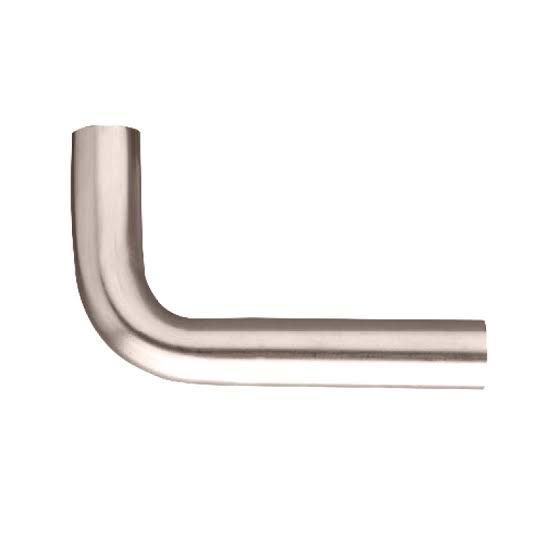
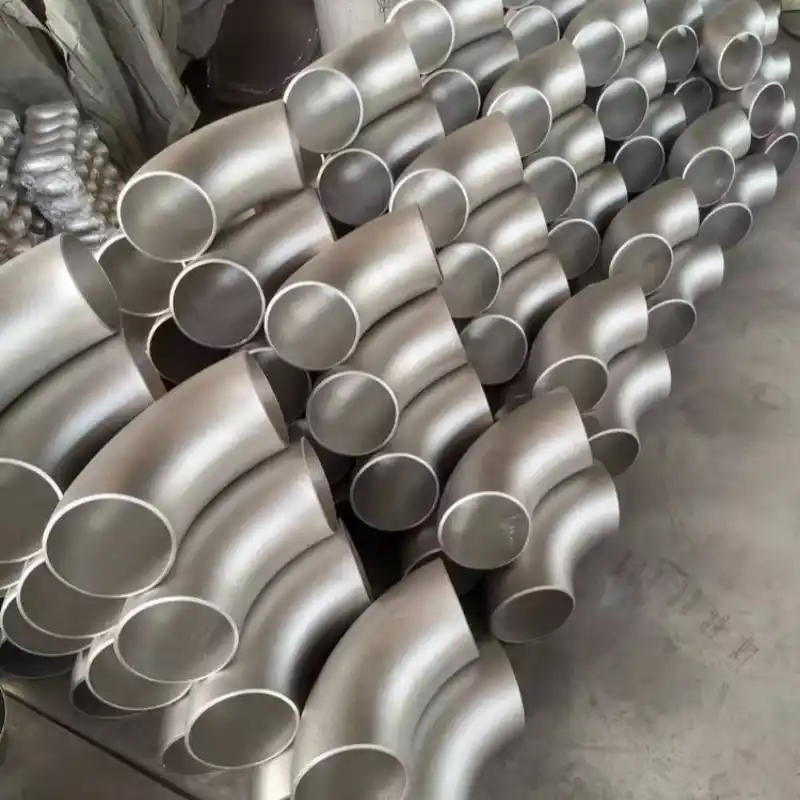
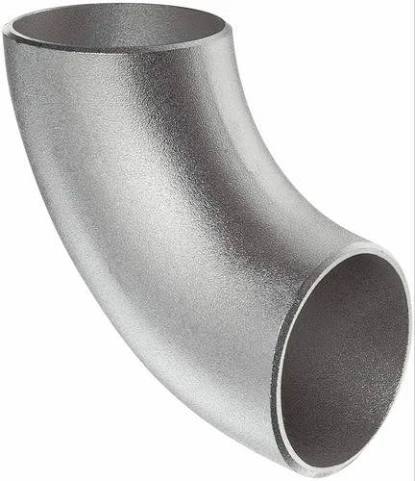
➡️A sweeping elbow refers to a fitting with a bending radius significantly larger than a standard long-radius elbow (1.5D). It is commonly used in pneumatic conveying, sewage discharge, or pigging pipeline systems to reduce pressure drop and blockage risk.
➡️When you need a large-radius elbow for a 4-inch (DN100) pipe but cannot source a ready-made product in time, on-site fabrication is a fallback option in limited scenarios.
📌Note: A 4‑inch pipe diameter is well beyond the capacity of ordinary manual pipe bending. The methods below require specialized equipment or advanced welding skills.
Method 1: Field Hot Bending of Metal Pipe (field bending 4 inch pipe elbow)
✅Equipment requirements: Medium‑frequency induction heating equipment or a large hydraulic pipe bender (minimum tonnage ≥15 tons), with a mandrel or packed dry quartz sand.
✅Key parameters: The bending radius should be ≥3D (i.e., a 12‑inch centerline radius); 5D is recommended to reduce wall thinning. According to ASME B31.1, the wall thickness reduction on the outer arc after bending shall not exceed 12.5%, and the ovality (max–min outside diameter difference / nominal outside diameter) shall be ≤8%.
✅Operation points: The heating zone width should be about twice the pipe diameter (approx. 8 inches). The temperature is controlled between 1600–1900 °F (for carbon steel). Bending speed ≤15°/second. For 4‑inch pipe, inner wall wrinkling is very likely – a wiper die must be used.
Method 2: Segmental Miter Elbow (segmental miter elbow)
▶️For teams that lack a pipe bender but have cutting and welding capabilities, a miter elbow is an alternative. To achieve a sweeping elbow effect, a multi‑piece miter design (e.g., 5 pieces with each piece angle ≤22.5°) should be used, with a centerline radius of 3D–4D. This large radius pipe bend fabrication method requires extremely high welding quality – each weld seam needs radiographic testing (RT).
Why is buying a finished product recommended in most cases?
▶️Even if you successfully fabricate a sweeping elbow, the actual total cost is often higher than purchasing directly. For a 4‑inch carbon steel elbow:
-
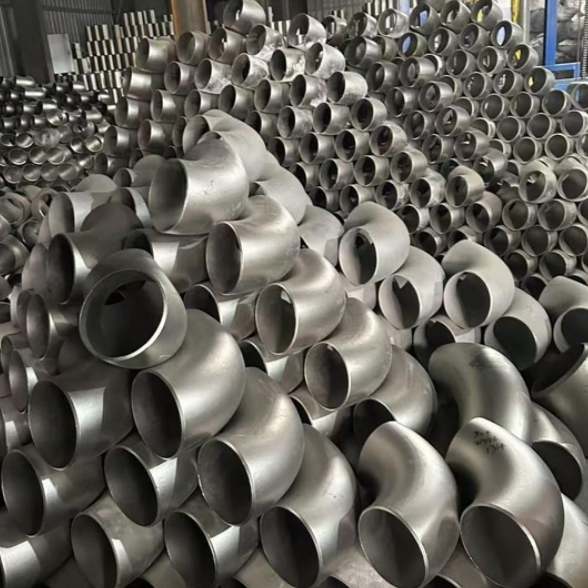
A standard long‑radius elbow (R=1.5D) costs about $12–25.
-
A 3D elbow costs about $35–60.
On‑site fabrication typically involves material waste, tooling, and testing expenses exceeding $80, and the pressure‑bearing capacity cannot be guaranteed.
Professional Advice
📌Before deciding to fabricate, evaluate the pigging requirement first: the sweeping elbow radius ratio directly determines whether a pig can pass through. For a 4‑inch pipe, if the radius ratio is less than 3D, it is recommended to directly purchase a large‑radius elbow that meets the ASME B16.49 standard.