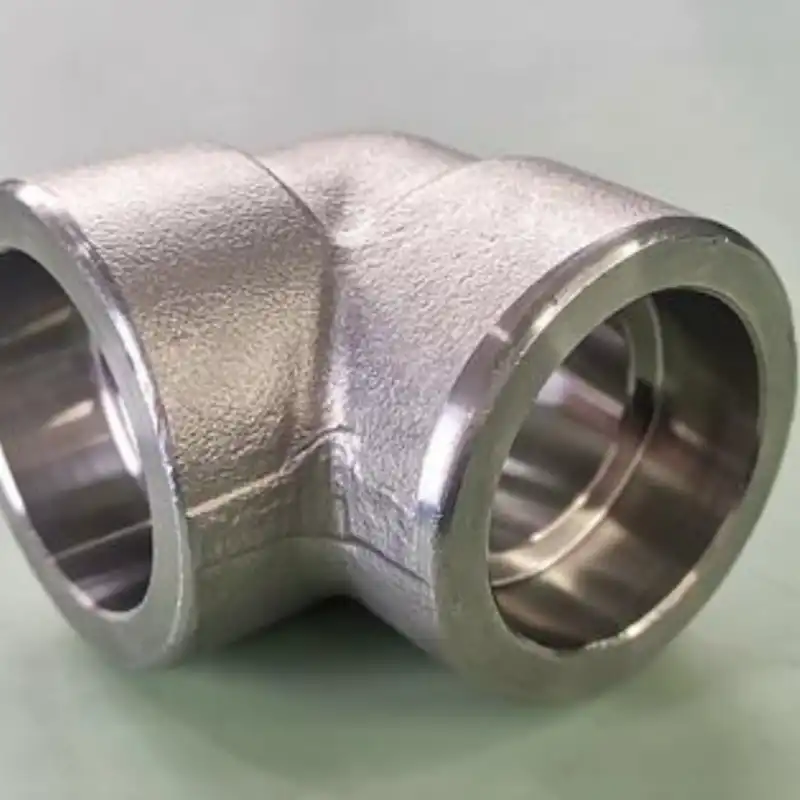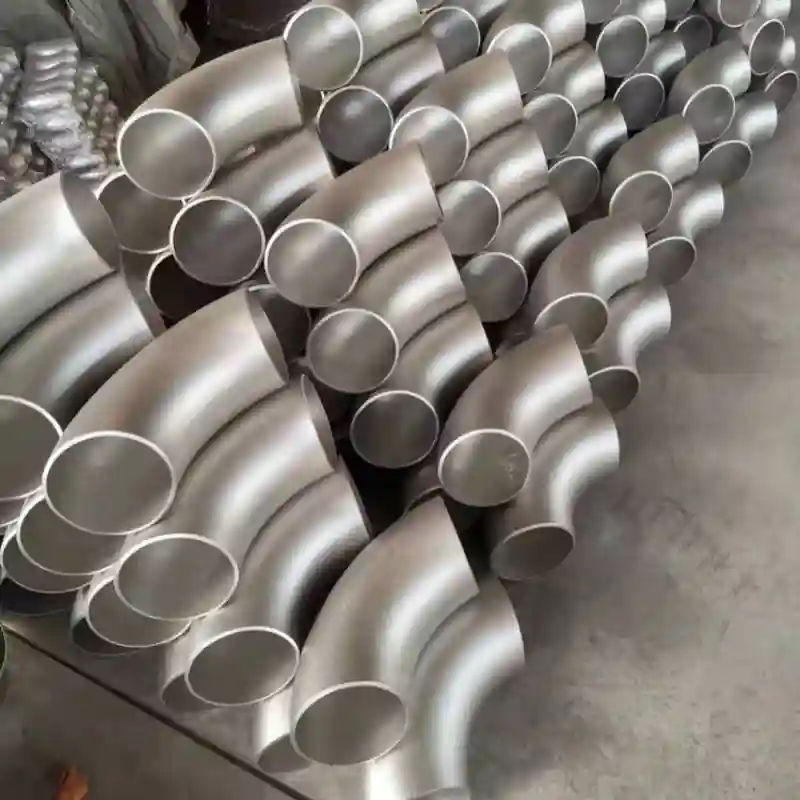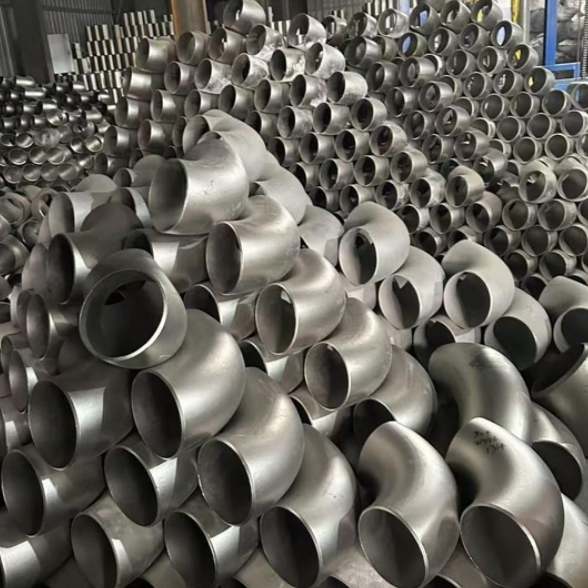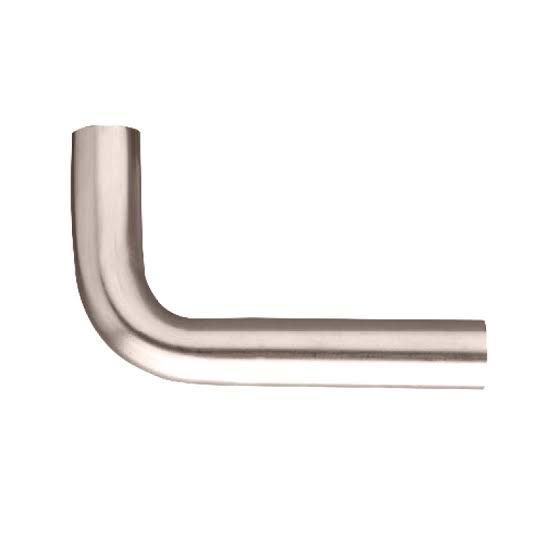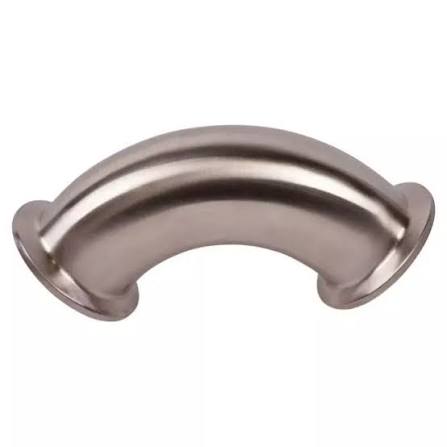
Mastering Steel Pipe Elbow Dimensions: The Key to Ensuring a Perfect Fit for Piping Systems
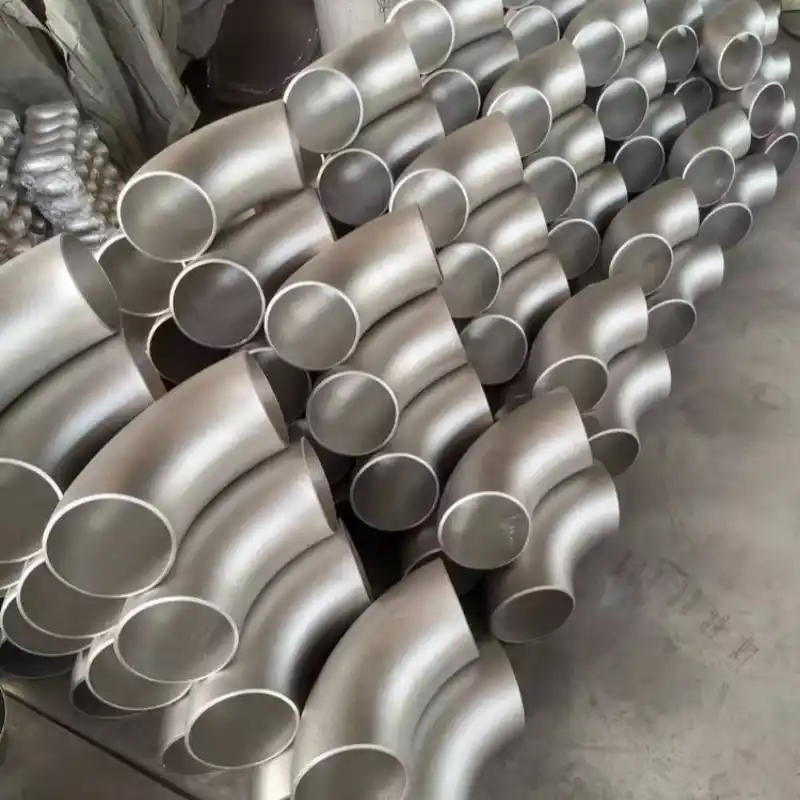
In the design and installation of piping systems, the steel pipe elbow is one of the most common and critical pipe fittings. Many on-site issues—such as welding misalignment, stress concentration, and even leaks—often stem from neglecting basic dimensional data. When we look up steel pipe elbow dimensions, the core need is to obtain accurate, reliable data that complies with project standards.
AIFN Pipe Fittings analyzes the three most critical geometric dimensions for elbow selection, helping you avoid procurement errors or installation problems from the very start.
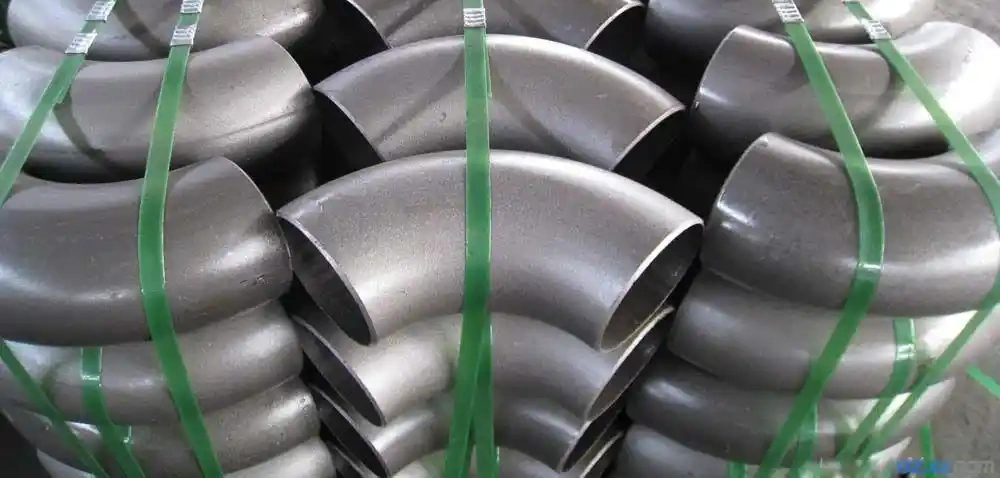
Center-to-End Distance: The Core Factor Determining Installation Space
Whether for pipeline layout or prefabrication, the Center-to-End distance (often abbreviated as A or B) is the most important data point for designers and engineers.
-
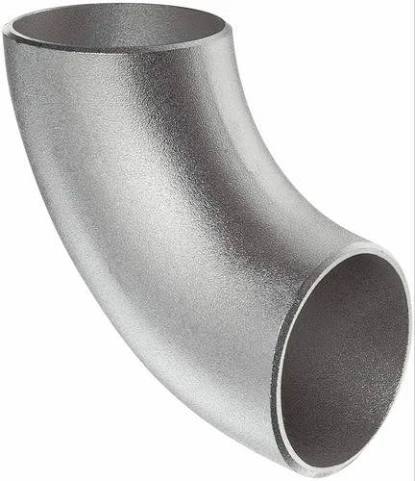
For 90° elbows: The standard Center-to-End distance is calculated as A = 1.5 × Nominal Pipe Size (NPS). For example, a 10-inch long-radius 90° elbow should have an A value of 15 inches (381 mm).
-
For 45° elbows: The Center-to-End distance (often referred to as C) is calculated as C = 0.625 × NPS.
✅The distinction between Long Radius (LR) and Short Radius (SR) elbows also becomes clear here: LR elbows have a center-to-end distance approximately 1.5 times the pipe diameter (1.5D), while SR elbows are about 1.0 times the diameter (1.0D).
✅Understanding standard steel pipe elbow dimensions helps you decide whether to choose space-saving SR elbows or LR elbows with lower flow resistance when space is constrained.
Angle and End Dimensions: Guaranteeing Connection Precision
✅The angle of the elbow determines the direction change of the piping. The most common angles include 45°, 90°, and 180° for special layouts. However, angle alone is not enough—end dimensional accuracy is equally critical:
-
Outside Diameter (D): Must precisely match the outside diameter of the connecting pipe.
-
Wall Thickness: The wall thickness schedule (e.g., Sch40, Sch80) of the elbow must be consistent with the piping system to ensure pressure-bearing capacity.
✅All qualified products that strictly comply with ASME B16.9 or GB/T 12459 standards must have their outside diameters and wall thicknesses within allowable tolerances. For example, according to ASME B16.9, the minimum wall thickness at any point on the elbow shall not be less than 87.5% of the nominal wall thickness. Consulting a formal steel pipe fitting dimensions chart is the quickest way to verify whether these data meet elbow specifications.
Strict Standards: Tolerances
Dimensional data are not just theoretical values—the deviation (tolerance) between actual products and theoretical dimensions is a true test of a supplier’s capability.
-
Dimensional Tolerances: Taking ASME B16.9 as an example, for elbows NPS 1/2 to 2.5 inches, the Center-to-End dimensional tolerance is ±0.06 inches (approximately ±2 mm).
Conclusion
📌Mastering core data such as 90 degree steel pipe elbow dimensions is the first step in ensuring the safe and efficient operation of a piping system. As a pipe fitting supplier with years of export experience, AIFN understands the importance of every millimeter to project success.