Guide to Stainless Steel Elbow Manufacturers: Materials, Standards, and Industry Applications
✔️In complex piping systems, the Stainless Steel Elbow is a critical component for changing the direction of media flow. Whether in chemical processing, food production, or municipal engineering, choosing the right manufacturer is not only about system safety—it directly impacts long-term operational costs.
✔️Today, we offer a professional perspective on how to identify quality suppliers, and we share our collaborative case study with Westland Milk Products.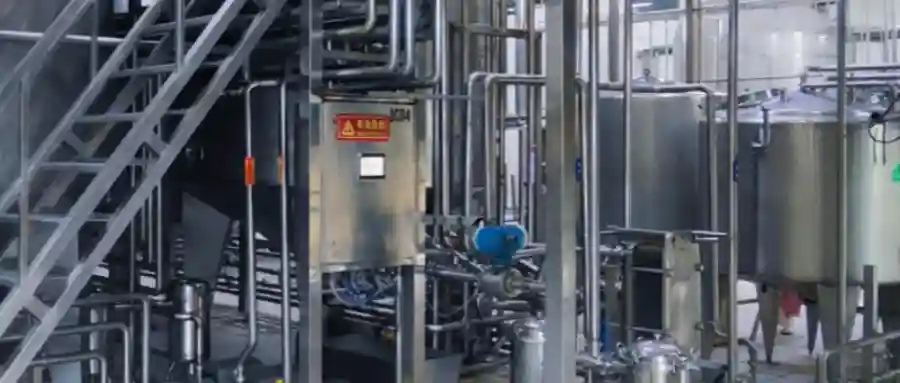
I. Clarifying Requirements: Stainless Steel Elbow Types and Selection Logic
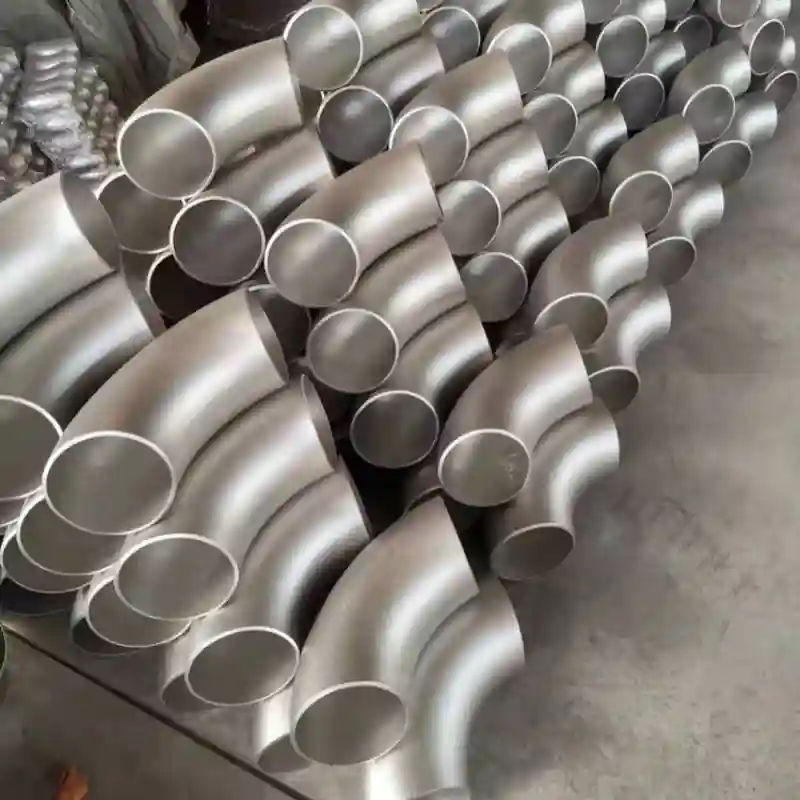
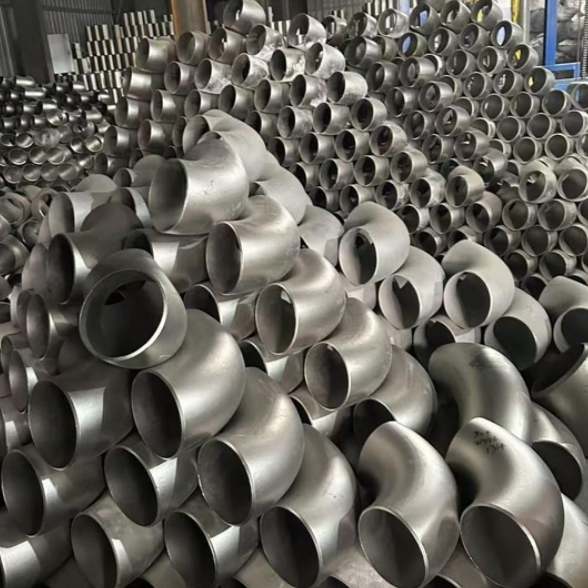
✅First, a superior manufacturer will guide you to select the correct elbow type based on your operating conditions. This goes beyond distinguishing 90° from 45°—the key lies in choosing between long radius (LR) and short radius (SR) .
✅Long radius elbows are preferentially recommended for corrosive or high-velocity fluids due to their lower pressure drop and better flow characteristics.
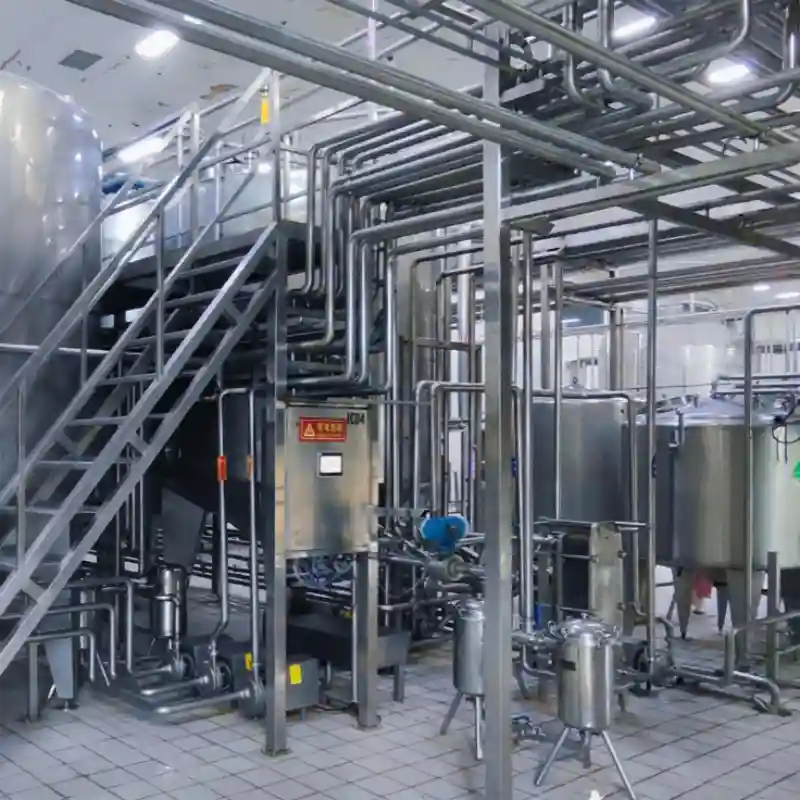
✅In the steam pipe retrofit at Westland Milk Products, we extensively used 3-inch and 4-inch long radius stainless steel elbows, which effectively reduced transmission energy consumption.
II. Core Barrier: Stainless Steel Elbow Material and Corrosion Resistance
☑️Material purity is the dividing line between low-cost products and high-end industrial-grade components.
☑️304 vs. 316L: For potable water or general food-grade applications, 304 stainless steel is an economical choice. However, for dairy environments with high chloride content or frequent CIP (clean-in-place) cleaning, 316L (low-carbon version) —with its added molybdenum—offers superior resistance to intergranular corrosion.
☑️We recommend demanding third-party material spectrographic test reports from suppliers to ensure that nickel (Ni) and chromium (Cr) contents meet ASTM A403 standards—this is the core guarantee of fitting service life.
III. Hard Thresholds: Stainless Steel Fittings Specifications and Applicable Standards
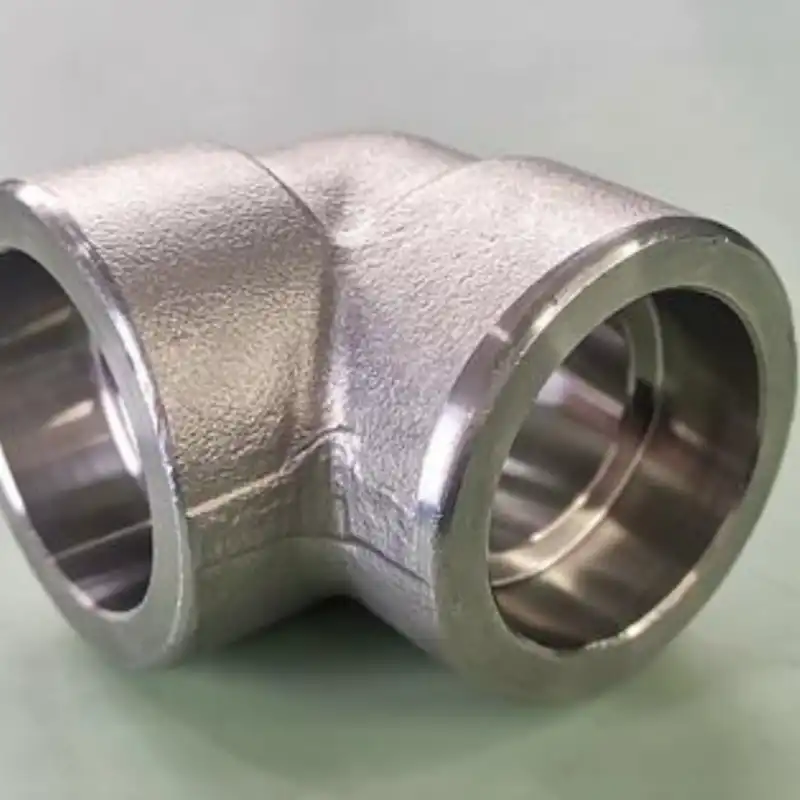
✅Reputable manufacturers must strictly comply with ASME B16.9 (factory-made wrought butt-welding fittings) or ASME B16.11 (socket-welding and threaded fittings) standards. When requesting quotes, pay close attention to the fitting wall thickness (Schedule)—whether Sch10S or Sch40S, the wall thickness reduction at the elbow back arc must be controlled within standard limits.
✅At AIFN, our in-line laser thickness gauges ensure that every product’s wall thickness uniformity exceeds the industry average.
IV. Installation Pain Points: Stainless Steel Pipe Elbow Dimensions and Fit
✅The most common on-site installation issues are flange misalignment or butt-weld mismatch. Professional manufacturers provide detailed dimension tables, clearly specifying center-to-face distances (A/C dimensions).
✅We once encountered a client complaint where a non-standard supplier’s “2-inch elbow” had an actual bore deviation of 2 mm, leading to costly rework on site.
Project in Action: Westland Milk Products Chooses Trust
✅During the expansion project of New Zealand’s Westland Milk Products, they were initially cautious about Asian suppliers. However, we addressed their food-grade cleanliness concerns by providing complete Material Test Reports (MTR) and ABS (American Bureau of Shipping)-certified welding procedures.
✅Our 5-inch stainless steel exhaust elbows have been operating stably for over 10,000 hours in a 120°C acidic medium, with zero leakage. This case proves that choosing the right manufacturer matters far more than focusing on price alone.
Conclusion:
Searching for Stainless Steel Elbow Manufacturers is essentially about finding a comprehensive service partner who understands fluid dynamics, metallurgy, and on-site installation practices. If you are selecting components for demanding projects, be sure to request manufacturing procedure documents and NDT (non-destructive testing) reports.