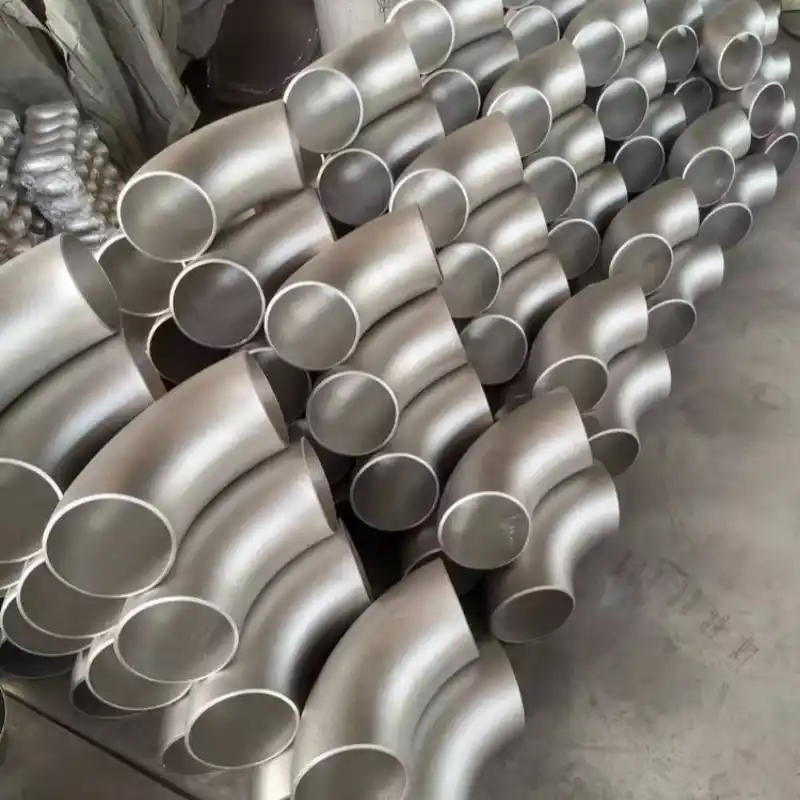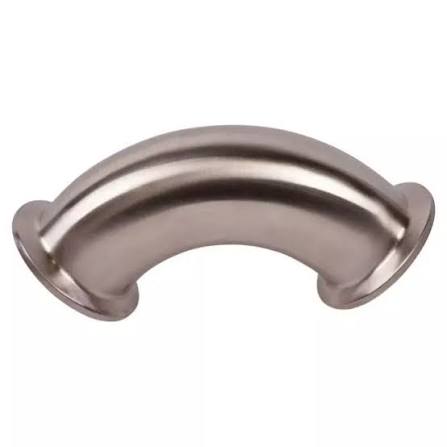
In high-temperature, high-pressure chemical piping systems, a seemingly inconspicuous stainless steel elbow fittings failure can lead to far more than a simple leak—it can trigger unplanned shutdowns of entire production lines, or even safety accidents.
✅Many procurement professionals, when comparing quotes, tend to focus only on wall thickness and price, while overlooking the “invisible killers” that determine the service life of elbows. As a manufacturer with over a decade of deep experience in the pipe fittings industry, we have witnessed too many painful lessons caused by improper selection or procurement traps.
✅This article will take you from material selection, through manufacturing processes, to inspection and acceptance, unveiling the quality secrets that many manufacturers are reluctant to disclose.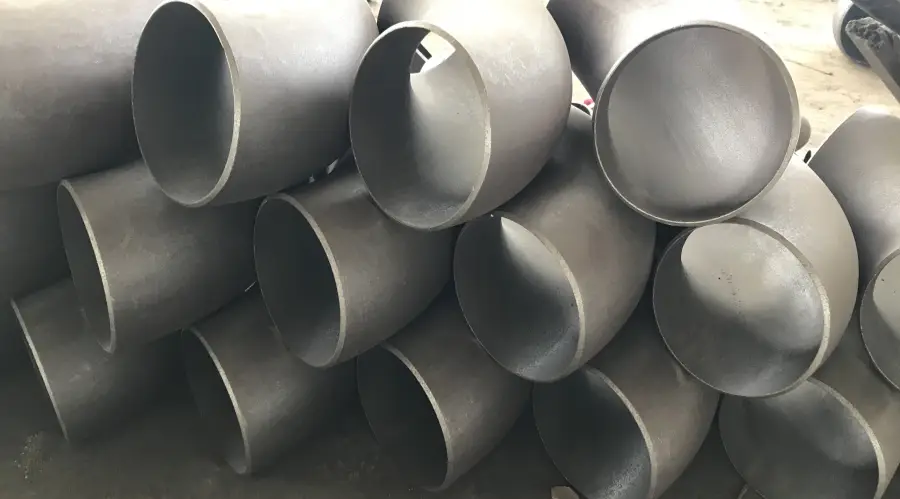
I. Quick Overview of stainless steel elbow fittings
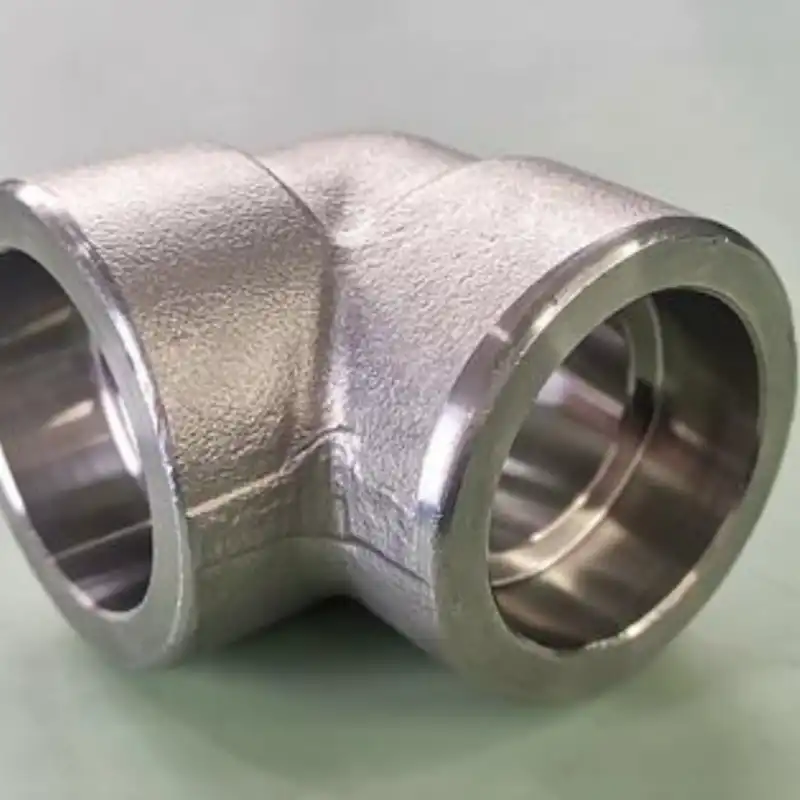
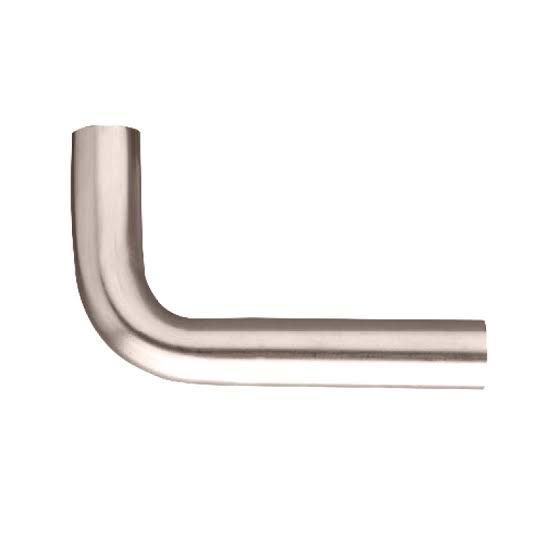
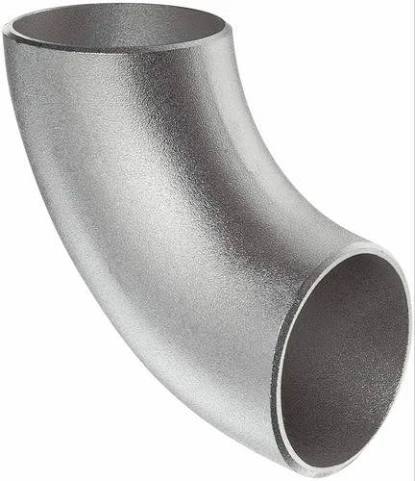
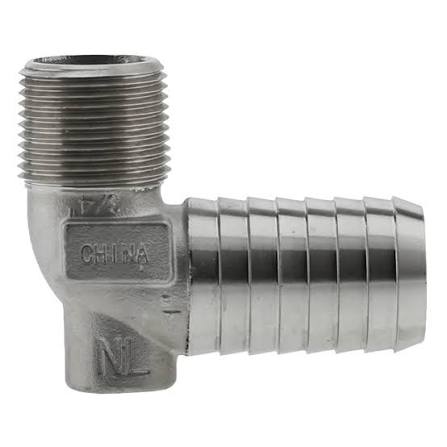
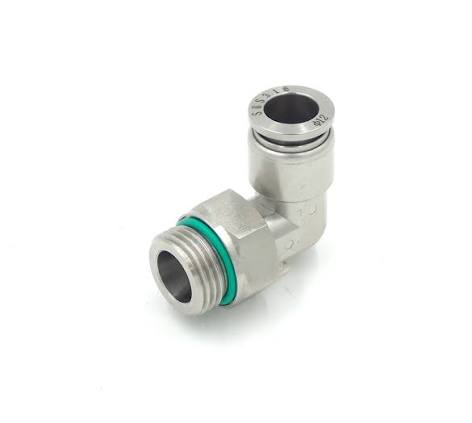
Basic parameters of elbow fittings include angle (45°/90°/180°), bending radius (long radius LR / short radius SR), wall thickness schedule (SCH10~SCH160), and connection types (butt-weld BW, socket-weld SW, threaded). The internationally recognized standards are ASME B16.9 and ASME B16.11. However, these are only the entry-level basics; the real quality differentiators lie in the details below.
II. The Truth About stainless steel elbow fittings Material: 304 vs. 316L – Far More Than Just “Molybdenum Content”
✔️Many buyers know that 316L is more expensive than 304, but cannot clearly explain why. The key lies in intergranular corrosion—during welding of the elbow, chromium in the heat-affected zone combines with carbon to form chromium carbides, leading to chromium depletion at grain boundaries and consequent loss of corrosion resistance. The low carbon content (≤0.03%) of 316L significantly reduces this sensitization risk, making 316L the mandatory choice in chemical and marine environments, rather than ordinary 304.
✔️But an even more insidious issue is material certificate fraud. Some small workshops use 201 stainless steel to counterfeit 304, or even incorporate recycled scrap. 201 contains only about one-third the nickel content of 304, resulting in vastly inferior corrosion resistance, yet it is nearly impossible to distinguish by appearance after polishing. A legitimate ss 304 elbow specification requires nickel content ≥8% and must be accompanied by a third-party PMI (Positive Material Identification) report. Without this report, no matter how low the price, it is a hidden hazard.
III. Manufacturing Process: Push vs. Press – Determining Stress Life
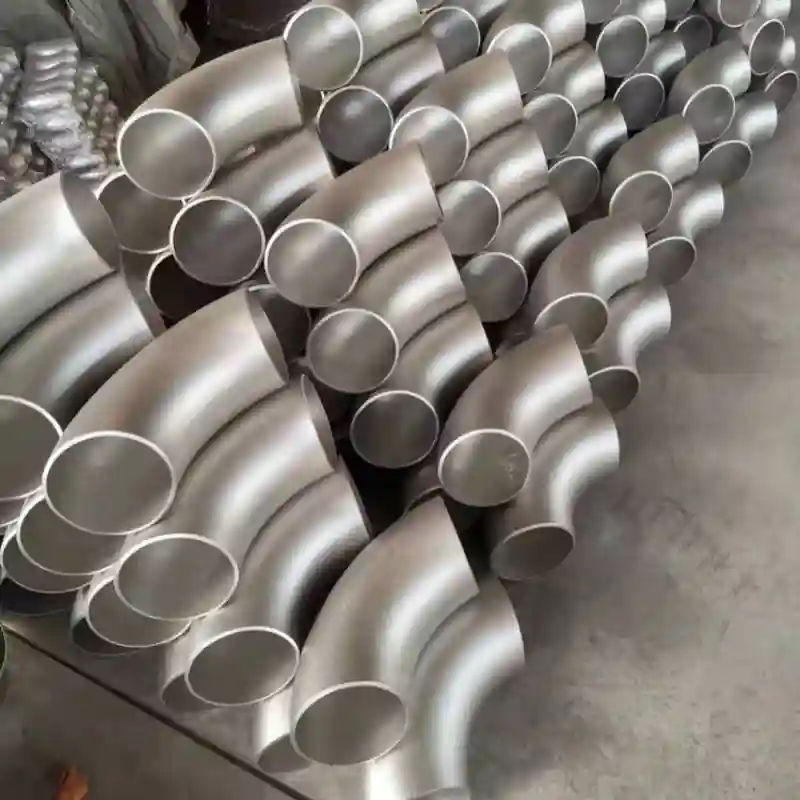
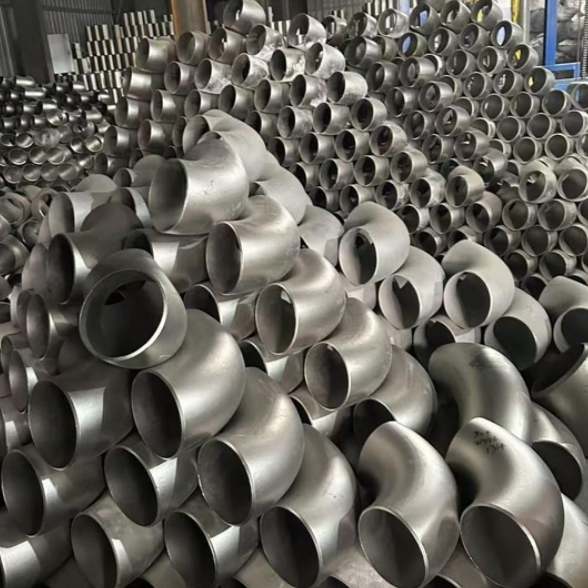
✔️High-quality stainless steel butt weld elbow should be produced using the hot push forming process—through heating and mandrel extrusion, the metal flow lines remain continuous, grains are refined, wall thickness is uniform, and there is no weld stress concentration. In contrast, low-cost elbows are often cold-pressed and then welded from segments, which not only carries weld defect risks but also often results in excessive back-wall thinning.
✔️Even more critical is the solution heat treatment (Solution Treatment). Without solution treatment at around 1050°C after hot pushing, carbides cannot be fully dissolved, and corrosion resistance drops significantly. However, this step is energy-intensive and costly, so many manufacturers simply skip it. If, during inspection, the elbow hardness is found to be excessively high (exceeding HB 200), it is a strong indicator that solution treatment was omitted—and this is direct grounds for rejection.
IV. Pitfall Guide: Three Dimensions That Manufacturers Fear You Will Check
Pitfall ①: Substituting “Short Radius” for “Long Radius”
▶️The visual difference between LR elbows (R=1.5D) and SR elbows (R=1.0D) is subtle, but long radius offers lower fluid resistance and less erosion. Many suppliers win bids with low-priced short radius elbows while vaguely specifying them on drawings. Be sure to physically measure the bending radius upon delivery; otherwise, system pressure drop will far exceed design values.
Pitfall ②: Material Certificate Fraud (201 Passing as 304)
▶️As mentioned earlier, neither visual inspection nor a magnet can distinguish them. The only reliable methods are on-site hardness testing (304 has HRB approximately 80–90, while 201 exceeds 100) or spectrometric analysis. The contract should explicitly state “PMI report to accompany the goods, and buyer reserves the right to random sampling.”
Pitfall ③: Ignoring Bevel Angle and Butt-Weld Gap
▶️The bevel angle and root face thickness of butt-weld elbows directly determine weld quality. Inferior products with excessive bevel deviations lead to incomplete penetration or undercut during site welding, drastically increasing rework rates. Procurement should request bevel angle inspection records and recommend radiographic testing (RT) spot checks on the first batch, in accordance with ASME B31.3, to ensure no internal porosity or cracks.
Conclusion
📌Choosing stainless steel elbow fittings is essentially choosing a reliable safety barrier. When a supplier quotes well below the market average, be sure to stay alert to the pitfalls above. If you are looking for a trustworthy elbow supplier for your project, welcome to contact AIFN – we provide complete material traceability and third-party testing support.